Best Eczema Tracking Tools: Top AI Apps Reviewed

Managing eczema gets easier when you can see patterns: what set off last week’s flare, whether a new moisturizer is helping, or how sleep affects itch. That is where eczema tracking tools come in. In 2026 many apps promise “AI-powered insights” from phone photos alongside logs, reminders, and reports you can share with a clinician. This guide breaks down what these tools actually do, what evidence exists, who benefits most, and how to pick one you will use consistently.
eczema tracking tools

The Essentials In One Minute

  • AI is promising but not magic. Photo-based scoring can help you track trends, yet it depends on good lighting, angles, and consistent technique.
  • Manual tracking still matters. Itch scores, sleep, triggers, and treatment reminders fill gaps AI cannot see.
  • Privacy is non-negotiable. Favor apps with clear data policies, on-device processing when possible, and easy export so you remain in control.
  • The win is behavior change. The best app is the one that nudges you to moisturize on time, spot patterns faster, and arrive at appointments with clear notes and photos.

What Counts As An “AI Skin-Tracking” Tool?

Most AI-enabled eczema tracking tools do one or more of the following:

  1. Photo guidance and consistency checks — prompts to frame the same area at the same distance and angle.
  2. Lesion detection and area outlining — computer vision draws boundaries around eczema patches.
  3. Severity estimates — the app estimates redness, thickness, or area to approximate clinical scores.
  4. Trend lines — charts that combine photo-based severity with self-reported itch and sleep.

A 2023 peer-reviewed study in NIH showed that computer-vision models can reliably detect eczema regions in photos and improve automated severity scoring, supporting the idea that image-based tracking can provide objective trends between visits.


The Three App Types You’ll See In 2026

1) AI Photo Trackers

  • What they do: Use your camera plus algorithms to estimate severity over time.
  • Best for: Visual learners who want to “see” progress and those managing a few repeat problem areas (hands, ankles, eyelids).
  • Watchouts: Results can vary with darker rooms, mixed lighting, heavy makeup, or if different people take the photos.

2) Symptom–Trigger Trackers (Manual or Semi-Automated)

  • What they do: Daily prompts for itch, sleep, stress, sweat, treatments, and triggers; some also pull weather or pollen automatically.
  • Best for: Families juggling routines, anyone adjusting treatment plans, and those who need structured reminders.
  • Watchouts: If entries take too long, you will abandon the app. Look for quick sliders and one-tap logging.

3) Research-Grade Platforms

  • What they do: Developed by universities or medical groups to collect structured data and photos for longitudinal care; sometimes include clinician portals.
  • Best for: People who want detailed tracking tied to studies or remote care programs.
  • Watchouts: Interfaces can be utilitarian, and features may be limited to the study’s scope.

How To Judge An App In Five Minutes

Use this checklist before you commit.

  1. Data control
    • Can you easily export your data and delete your account?
    • Does the app explain who sees your photos and for what purpose?
  2. Photo flow
    • Does it help you capture the same body areas consistently?
    • Are there guides for distance, lighting, and angle?
  3. Bias awareness
    • Does the app explain how it performs across different skin tones?
    • Can you adjust exposure or add notes if redness is hard to read on your skin?
  4. Speed
    • Can you log an entry in under 60 seconds? If not, you probably will not use it.
  5. Clinician-friendly output
    • Is there a simple PDF or share link with dates, photos, and scores in one view?
  6. Reminders that you will actually use
    • Does it send gentle, customizable nudges for moisturizers, phototherapy, or meds?

Are AI Eczema Trackers “Worth It”?

When they shine

  • You are visual. Seeing a weekly photo grid with severity estimates keeps motivation high.
  • You are testing a change. New moisturizer, different detergent, or phototherapy schedule? A good app can show whether trend lines actually move.
  • You need accountability. Reminders plus a progress graph can reduce missed applications and late-night scratching.

When they might not

  • Newborn care or very widespread flares. Snapping consistent whole-body photos is impractical. Short notes plus regular moisturizing matter more. For detailed information on newborns, check out our blog for care about babies with eczema
  • Privacy worries. If you are not comfortable storing clinical photos on a device or cloud, choose an app that works offline and exports to your own secure storage.
  • Tech fatigue. If logging adds stress, simplify: use your phone’s native photo album with date-stamped images and short voice notes, then revisit apps later.

How To Take “AI-Friendly” Photos At Home

  • Same spot, same distance. Mark a standing spot on the floor and use a mirror or helper for hard-to-reach areas.
  • Neutral background. Stand in front of a plain wall or door.
  • Even lighting. Daylight from a window or a diffuse lamp; avoid mixed sun and lamp light.
  • No flash glare. If you must use flash, soften it with tissue over the flash or bounce off a wall.
  • Clean skin. Wipe off tinted sunscreen or makeup before photo sessions so color estimates are not skewed.
  • Weekly rhythm. For chronic eczema, weekly photo sets are more useful than daily snapshots.

Building A Smarter Daily Routine Around Your App

  1. Pair logging with existing habits. After brushing teeth at night, take photos or tap in itch and sleep.
  2. Use “if–then” rules. If itch ≥ 6 at bedtime, then do a quick rinse, moisturize within three minutes, and wear soft cotton overnight. Use NellaCalm for a safe, steroid-free option.
  3. Automate reminders. Set nudge times for moisturizer and any prescribed topicals.
  4. Review on Sundays. Spend five minutes scanning the week’s trend line and photos; jot a one-sentence takeaway.
  5. Bring it to visits. Share a two-page PDF with your clinician so adjustments are evidence-based, not guesswork.

Privacy, Security, And Kids

  • Storage: Prefer apps that store photos locally by default or encrypt in the cloud.
  • Sharing: Turn off social or community sharing unless you intentionally opt in.
  • Children: Treat a child’s skin photos like medical records. Use device passcodes, keep backups in a secure folder, and share only with caregivers and clinicians.
  • Deletion: Make sure there is a clear “delete everything” option if you stop using the app.

Common Pitfalls (And Easy Fixes)

Photos look different every time
Create a mini “studio”: same room, same light, same time of day. Use a sticky note on the floor to mark your distance.


The app over- or underestimates redness on darker skin
Add manual notes and itch scores. Severity is more than color alone. If possible, tweak exposure or switch to an app that documents performance across skin tones.


You stop using it after a week
Reduce the scope. Track just one stubborn area and two variables (itch and sleep) for 14 days. Consistency beats completeness.


Your phone is full of photos
Export monthly, label folders by body area and date range, and delete local copies you no longer need.


A Simple 14-Day Trial Plan

Days 1–3

  • Choose one app and set up privacy preferences.
  • Photograph two target areas and log itch, sleep, and moisturizer use daily.
  • Add one “environment” variable you care about: sweat, pollen, or stress.

Days 4–10

  • Keep the same cadence.
  • Use reminders to moisturize within three minutes after bathing and before bed.
  • If your app estimates severity, compare that line to how you actually felt.

Days 11–14

  • Review trend lines and photos.
  • Write one sentence about what helped and one about what did not.
  • Decide: keep, switch, or pause. If you keep it, set up a monthly “share report” for clinic visits.

Final Thoughts

Eczema tracking tools are worth it when they make your routine easier, not heavier. AI photo scoring can highlight trends you might miss, while quick logs and reminders drive the daily habits that calm skin. Choose an app that respects your privacy, keeps capture simple, and generates a report your clinician can use. Pair it with steady moisturizing, smart laundry, and sleep protection, and your data starts working for you, not the other way around.

Explore the Eczema Knowledge Hub

Your go-to resource for flare-up relief, skincare tips, and science-backed advice.

FAQs About Eczema Tracking Tools

Do AI scores replace a dermatologist exam?
No. They are for personal trending and visit prep, not diagnosis.


Can apps help children?
Yes, if logging is simple and shared across caregivers. Keep photos quick and focus on itch, sleep, and daily routines.


What if my app does not use AI?
Manual logs can be just as valuable if you use them consistently. AI is an aid, not a requirement.


Should I track food too?
Only if you suspect a pattern. Start with itch, sleep, sweat, and products. Add food later so you can tell what actually moved the needle.

"...this is the best I've tried so far."

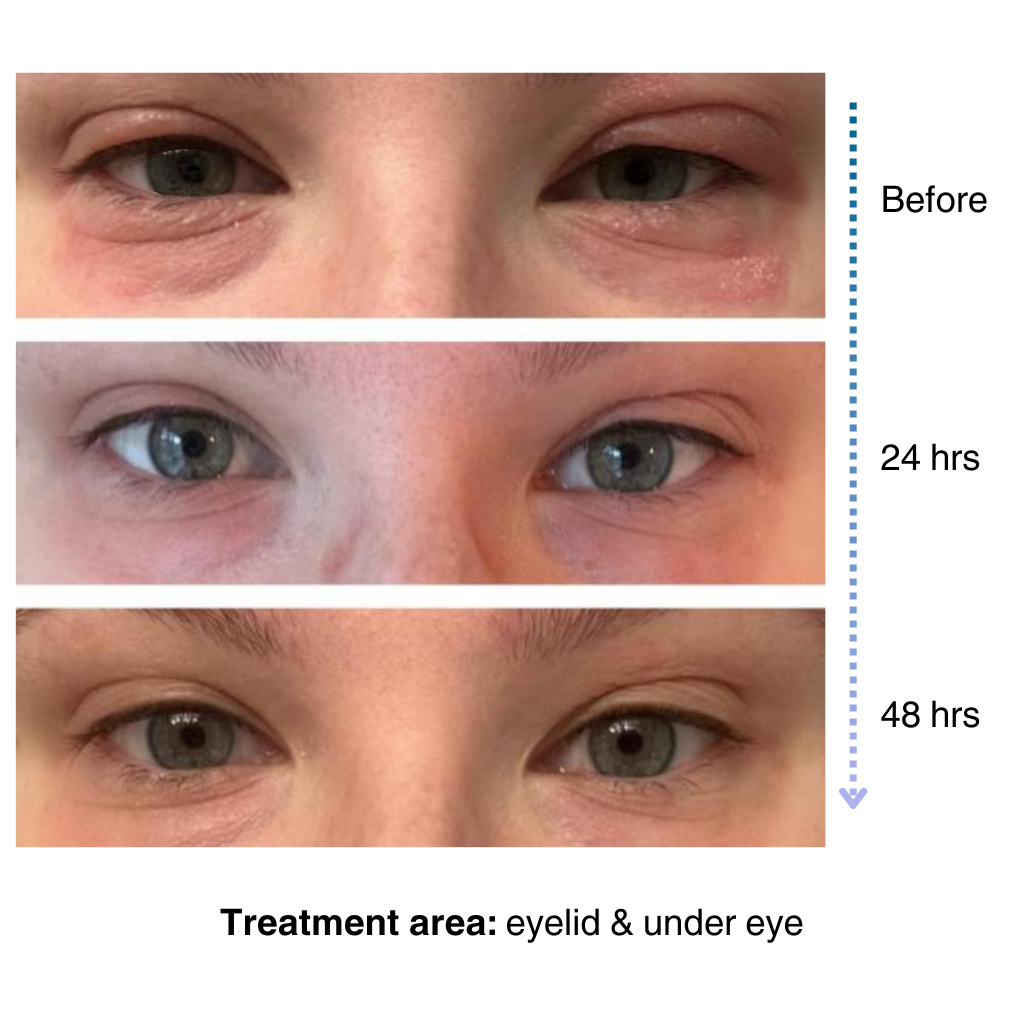
It’s easy to apply and isn’t chalky at all. I’ve been applying it multiple times a day… I’ve tried multiple new products to try and treat my eye eczema, and this is definitely the best I’ve tried so far.

"Game-changer for my son's eczema"

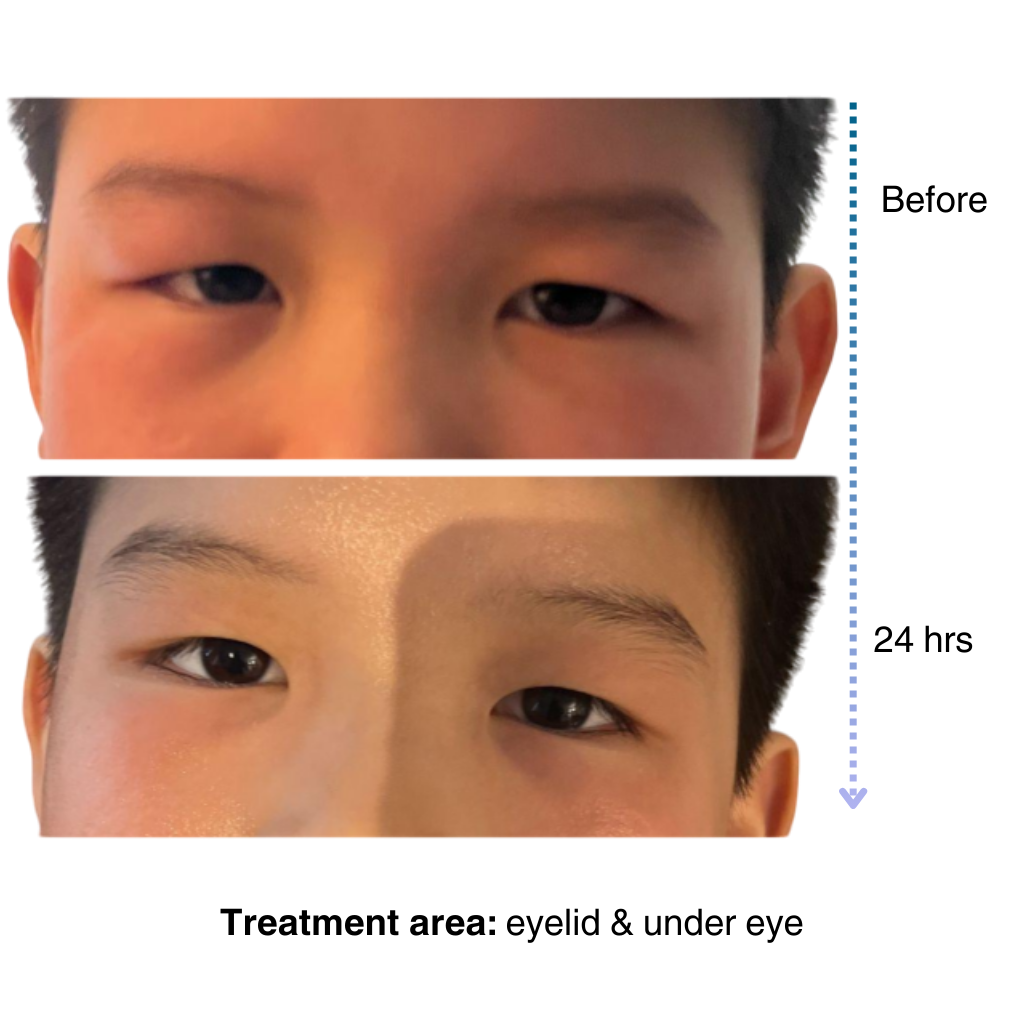
My 7-year old son has been dealing with eczema on his face for a long time, and it’s been so tough to find something that really works…..I’m amazed by the results! Within one day, the redness and rough patches on his face significantly improved…. he doesn’t mind using it at all because it doesn’t sting or feel greasy. – Lily
Sign up for eczema management tips, special offers, and real stories from people who’ve been where you are. Plus, get 5% off your first order.

Like many of you, our eczema journey is personal. That’s why we’re committed to creating a space for the eczema community to share experiences, be empowered through evidence-based solutions, and learn practical tips for daily life.  

– Sajjad, Founder & CEO of NellaDerm

Eczema treatment
Shopping Cart