
Menopausal Eczema: Managing Hormonal Flares
If your skin got drier, itchier, and more reactive in your 40s or 50s, you are not imagining it. Falling estrogen changes the way the outer skin layer holds water and lipids, which can make atopic skin temperamental. Many women also pick up contact sensitivities (fragrance, hair dye, jewelry) or workplace hand irritation, so flares feel “new” even if you had clear skin for years. This guide explains what is happening underneath the hood and gives you a practical plan to manage menopausal eczema, from smarter bathing and moisturizing to patch testing, nighttime routines, and when to talk with your clinician.
A 2022 peer-reviewed study published in Scientific Reports comparing postmenopausal women with and without hormone therapy found lower stratum corneum ceramide levels and shorter ceramide chains after menopause, which are changes linked to barrier dryness, while the group using menopausal hormone therapy did not show the same lipid depletion.

Menopausal Eczema: Navigating Skin Changes with Confidence
Understanding and managing eczema during hormonal transitions
The Essentials In One Minute
- Menopause can lower skin lipids and hydration, so the barrier leaks water faster. That is why menopausal eczema often feels drier, tighter, and itchier.
- Gentle inputs win: short lukewarm showers, a fragrance-free syndet cleanser only where needed, and a cream or ointment within three minutes of toweling.
- Patch test the obvious culprits like fragrance, preservatives, hair dye, nickel, and if flares track with products, jewelry, or salon visits.
- Hands and eyelids are adult hot spots. Use sanitizer with emollients between non-soiling tasks, moisturize on schedule, and keep mineral (zinc) sunscreen near the eyes.
- If the eczema is widespread, not responding to excellent topical care, or disrupting sleep and work, ask your dermatologist about phototherapy or advanced therapies.
What Hormones Do To The Skin Barrier
Estrogen helps skin make and organize barrier lipids (including ceramides) and supports water-holding capacity. As levels decline:
- Water loss increases—skin feels tight after cleansing and itchy at night.
- Lipid balance shifts—roughness and micro-cracks appear more easily, especially on hands and shins.
- Recovery slows—a hot day, an irritating cleanser, or scratchy fabric can trigger longer flares.
That is the physiology behind menopausal eczema: the same triggers you shrugged off before now linger unless you go barrier-first every day.
How Menopausal Eczema Shows Up
Head and neck pattern
Itchy eyelids, neck folds, jawline, and hairline.
Hand eczema
Frequent washing, sanitizer use, and “wet work” push fragile skin into a crack–sting cycle.
Nummular plaques
Coin-shaped patches on arms and legs that flare in winter or after long hot showers.
Sensitive hot spots
Under bra bands, waistbands, and along the nape from hair products.
Because adult women also develop contact allergies more often, menopausal eczema commonly overlaps with allergic contact dermatitis. If your rash maps to a watch, earrings, hairline, or the hands under gloves, put patch testing on your to-do list.
Fast Differential: Is It Really Eczema?
Allergic contact dermatitis
Flares after new face cream, sunscreen, fragrance, hair dye, or jewelry.
Seborrheic dermatitis
Flaky brows/scalp/creases beside the nose.
Psoriasis
Thicker plaques with sharp edges and silvery scale.
Tinea (fungus)
Active, ring-shaped border on one hand or one foot.
A dermatologist can sort these quickly and decide whether patch testing or cultures are useful.
Build Your Daily Barrier Routine
In the shower
- Keep it lukewarm and short, around five to ten minutes.
- Use a fragrance-free syndet on the necessary areas (pits, folds, feet) and let water do the rest.
- Finish with a quick rinse of hairline, neck, and upper back to remove conditioner residue.
The three-minute seal
- Pat dry so skin stays slightly damp.
- Apply a cream or ointment within three minutes to lock in water from the shower.
- For hands, keep a travel tube by the sink and in your bag. Use it every time you dry your hands.
Targeted Help For Hot Spots
Eyelids and face
- Patch test sunscreens and makeup. Most find zinc-only mineral formulas around eyes sting less.
- Apply moisturizer first, then sunscreen with a gentle press, not a rub.
Hands
- When hands are not visibly soiled, use alcohol hand rubs with emollients instead of endless soap-and-water cycles.
- For wet tasks over 10–15 minutes, wear powder-free nitrile gloves and add thin cotton liners; change when damp.
Neck and hairline
- Keep hair products off skin; rinse the nape well; moisturize the neck after every shower.
Ingredients And Products That Typically Behave
Cleansers
Fragrance-free, dye-free, pH-balanced liquid cleansers (syndets).
Moisturizers
Creams or ointments with glycerin, urea (low percentages), ceramides, or dimethicone. Lotions are usually too light for menopausal eczema.
Sunscreen
Zinc oxide or zinc–titanium blends; consider tinted mineral options to reduce white cast.
Laundry
Fragrance-free liquid detergent, smallest effective dose, and an extra rinse. Skip softeners and scent boosters.
When You Need Medicines
Topical corticosteroids
Use the right strength for the body site (milder for face/folds, stronger for hands) and the short course your clinician prescribes.
Topical calcineurin inhibitors
Great for eyelids, face, and maintenance a few evenings weekly.
Topical PDE4 inhibitors
Another steroid-sparing choice for selected areas.
Phototherapy
Narrowband UVB or targeted devices help when disease is widespread or stubborn.
Medications go on top of barrier basics, not instead of them—the moisturizer habit makes every prescription work better.
Lifestyle Levers That Move The Needle
Sleep and nighttime itch
- Keep the bedroom cool and use smooth sheets.
- Do a quick rinse-and-seal if you feel sticky before bed.
- Try a five-minute wind-down to blunt the itch–stress loop.
Exercise and sweat
- Schedule workouts in cooler hours; blot sweat, then rinse and re-seal.
- Line helmets or hatbands with soft fabric and wash liners frequently.
Climate and water
- Hard water magnifies residue and tightness. Shorten showers and use a gentle cleanser.
- Heat waves and smoky air add fuel; follow quick “reset” routines.
Contact Allergies: Why They Matter More After 40
Adult women commonly pick up allergies to fragrance mixes, preservatives (methylisothiazolinone), hair dye (paraphenylenediamine), rubber accelerators in gloves, and metals (nickel, cobalt). If you notice:
- Immediate sting from scented products,
- A rash under watchbands, earrings, or waistbands, or
- Flares that match hair color appointments,
Ask about patch testing. Removing a single allergen can cut months of “mystery” menopausal eczema.
A Two-Week Reset You Can Start Today
Week 1
- Go fragrance-free across cleanser, moisturizer, sunscreen, makeup remover, and detergent.
- Shower 5–10 minutes lukewarm; moisturize within three minutes morning and night.
- Hands: switch to sanitizer with emollients between non-soiling tasks; moisturize after every dry.
- Sleep: cool room, smooth sheets, quick rinse-and-seal before bed.
Week 2
- Keep the routine; add one supportive habit: nightly 20–30 minute wet wraps for a stubborn patch.
- If patterns suggest contact allergy, book patch testing and bring product lists.
- If itch still dominates life, schedule a dermatology visit to consider phototherapy or next-step medication.
Special Situations
Eyelid-only flares
Think makeup, fragrance, nail polish, and hair products as triggers (hands transfer allergens to eyelids).
Vulvar or groin itch
Ask for an exam, because eczema, contact dermatitis, lichen sclerosus, or infection are managed differently. Use only fragrance-free, pH-appropriate cleansers and breathable fabrics.
Hands that crack every winter
Apply moisturizer after every wash, wear cotton liners under gloves for chores, and do a thicker overnight layer.
Final Thoughts
Menopausal eczema is the intersection of a drier, slower-repairing barrier and very adult triggers like fragrance, hair dye, wet work, heat, and stress. You can stack the odds in your favor with short lukewarm showers, a fragrance-free syndet, and a moisturizer within three minutes, plus smart hand care, patch testing when patterns fit, cool sleep, and targeted medicines when needed. Keep the routine simple and repeatable and your skin will spend far more time calm than chaotic.
Frequently Asked Questions
Is menopausal hormone therapy (MHT) a treatment for eczema?
MHT is not prescribed for eczema, but some people notice their skin feels less dry on therapy. Decisions about MHT should be made with your clinician based on overall benefits and risks—not just skin. The study above simply explains why dryness increases after menopause.
Do I need to exfoliate more now that my skin is drier?
No. Mechanical scrubs and strong acids can backfire. Prioritize hydration and barrier lipids; patch test any actives.
What sunscreen hurts the least?
Most with menopausal eczema prefer zinc-based mineral formulas, especially around the eyes. Apply over a thin moisturizer and press to spread.
Should I change my diet?
Focus first on sleep, sweat, products, and laundry, since these give predictable wins. Consider diet changes only if you see clear, repeatable patterns.
How fast will I see improvement?
With steady routine and appropriate topicals, many notice less itch in 1–2 weeks and visible calming by weeks 2–4.
Take Control with My Eczema App
Free, award-winning tools developed by the Dermatology AI Team, backed by world-class technical excellence
Identify Your Triggers
Track and uncover what causes your eczema flares with our free, easy-to-use tools.
Stay Ahead of Flares
Predict and prevent flare-ups with free insights tailored to your skin.
24/7 Eczema Support
Get free, expert advice anytime with My Eczema App’s AI-powered coach.
More Helpful Eczema Articles You Should Read
- Midday Skin Resets for Eczema-Prone Skin
- Commuting With Eczema: Transit, Cars, and Pollution
- Habit Stacking for Eczema: Skincare That Sticks
- Eczema and Coffee: Does Caffeine Affect Skin?
- Humidity Eczema Relief: Nighttime Bedroom Fixes
- Keloids and Eczema: Managing Scars on Dark Skin
- Nail Eczema: How to Care for Nails Without Stings
- Eczema in Newborns: What Parents Should Know
- Eczema and Arthritis: Hand-Care for Skin & Joints
- Eczema in College: A Budget-Friendly Survival Guide
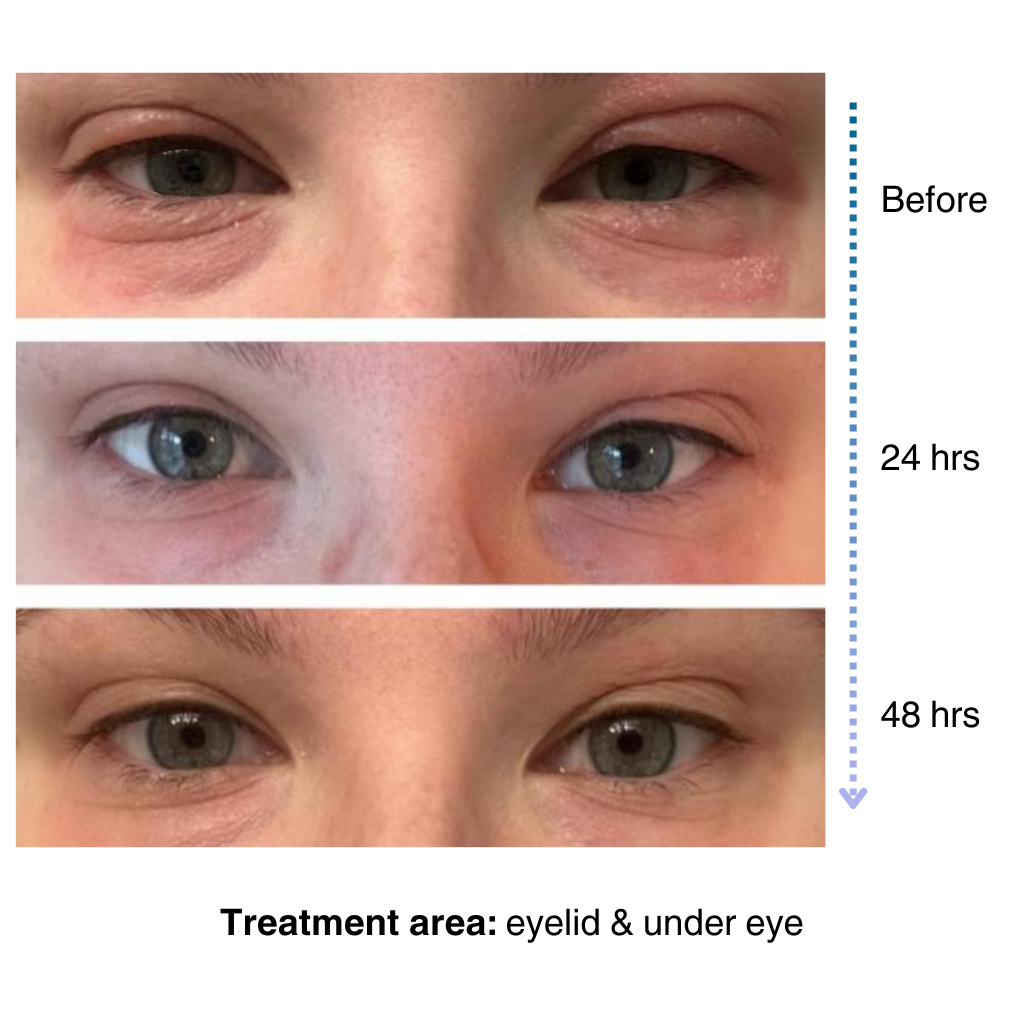
"...this is the best I've tried so far."
It’s easy to apply and isn’t chalky at all. I’ve been applying it multiple times a day… I’ve tried multiple new products to try and treat my eye eczema, and this is definitely the best I’ve tried so far.
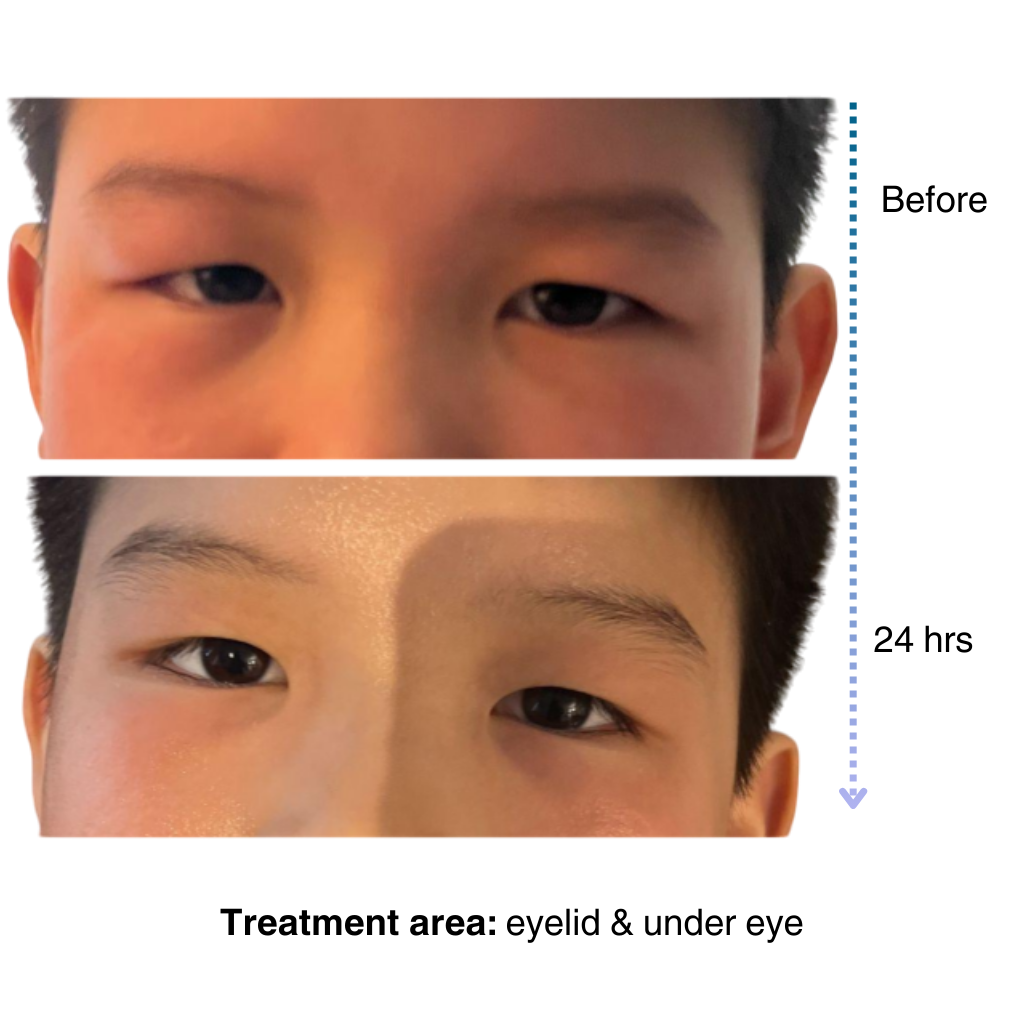
"Game-changer for my son's eczema"
My 7-year old son has been dealing with eczema on his face for a long time, and it’s been so tough to find something that really works…..I’m amazed by the results! Within one day, the redness and rough patches on his face significantly improved…. he doesn’t mind using it at all because it doesn’t sting or feel greasy. – Lily

Like many of you, our eczema journey is personal. That’s why we’re committed to creating a space for the eczema community to share experiences, be empowered through evidence-based solutions, and learn practical tips for daily life.
– Sajjad, Founder & CEO of NellaDerm
