
Eczema concerns?
FREE
Get instant expert guidance with our smart AI platform.
Join NowIf your skin seems calm until you put on a “stain-resistant” shirt or a scented face cream, you are not imagining it. Two common, quiet triggers in 2026 are PFAS finishes in clothing and fragrance in skincare and makeup. PFAS can make fabrics repel water and oil. Fragrances make products smell pleasant. Both can nudge a sensitive barrier toward dryness, sting, and flare. This guide translates research and dermatology practice into a clear plan for what to avoid with eczema across clothing, laundry, and cosmetics, and how to swap smarter without giving up performance or comfort.
2021 peer-reviewed research has detected fluorinated compounds that indicate PFAS in a wide range of North American cosmetics, especially long-wear and waterproof products. That does not mean every product contains PFAS, but it is one reason to read labels carefully and simplify ingredients when your skin is reactive.
What they are: Per- and polyfluoroalkyl substances are a large family of chemicals prized for creating water, oil, and stain resistance. In textiles, they are used on outdoor gear and some everyday apparel. In cosmetics, you may see them as “fluoro” ingredients that give slip, shine, or long wear.
Fabric finishes can change how cloth glides against skin and how heat and sweat build under the surface. That extra friction and humidity can push a fragile barrier into a flare.
Some leave-on cosmetics with PFAS sit on the skin for long hours. On eczema-prone areas like eyelids and neck, that can mean more sting and irritation.
Look for words with “fluoro” or “perfluoro” (for example, perfluorooctyl triethoxysilane, polyperfluoromethylisopropyl ether).
Hang tags that promise “stain-proof,” “oil-repellent,” “durable water repellent (DWR)” or “easy-care” may use PFAS. Some brands now specify “PFAS-free” or “non-fluorinated DWR.” If not stated, assume a conventional finish for highly water-beading outerwear.
Fragrance is a top cause of contact dermatitis in adults. “Unscented” can still contain masking fragrance, so look for fragrance-free instead. Common sources:
Why it matters: Fragrance mixes hit thin skin hard (eyelids, neck, hands). A flare from fragrance looks like eczema and often keeps smoldering until the scented product is removed from the routine.
For a step-by-step settings guide, see Laundry Lessons: How Detergent Decisions Influence Eczema Irritation.
For daily steps that pair well with sensitive skin, keep Skin Minimalism: Simplify Your Eczema Routine handy.
Pro move: If you love a product’s performance but worry about irritation, email the brand’s customer support with the exact shade or style number and ask whether any fluorinated chemicals or fragrance are used. Many will answer plainly.
“My eyelids keep flaring despite a fragrance-free routine.”
Check mascara, eyeliner, and nail products. Long-wear mascaras may include fluorinated ingredients. Nail polish or removers can transfer allergens to eyelids via fingertips. Try simpler formulas and wash hands after applying nails.
“A new shirt makes me itchy the moment I sweat.”
Wash two or three times before wear, switch to a soft base layer underneath, and consider retiring pieces that still feel “plasticky” or trap heat.
“Sunscreen stings.”
Choose zinc-oxide formulas, apply over a thin moisturizer, and press to spread. Avoid fragranced face SPFs and check for “fluoro” strings in hybrid or makeup-SPF hybrids.
“My favorite long-wear lip stays perfect but dries and cracks the corners.”
Try a non-long-wear lipstick or a tinted balm without fragrance. If you must wear long-wear formulas, apply a tiny amount of bland moisturizer to the corners first and limit daily wear time.
Most people notice calmer eyelids, neck, and hands by the end of week two when they remove fragrance and simplify fabric chemistry.
When you are deciding what to avoid with eczema in 2026, think fragrance and PFAS-heavy performance claims first. Choose fragrance-free skincare and detergent, keep makeup simple and mineral-forward, favor breathable fibers, and seek PFAS-free outerwear when you can. Wash new clothes before wear and use soft base layers when a garment is non-negotiable. With a two-week detox and a few label-reading skills, most people see fewer stings, less late-day itch, and a calmer canvas for everything else they love to do.
Do all water-resistant jackets use PFAS?
No. Many brands now advertise non-fluorinated finishes. Look for that language, or use a soft base layer to reduce contact if you are unsure.
Is “unscented” safe for eczema?
Not necessarily. “Unscented” products may contain masking fragrance. Look for fragrance-free on the label and scan the ingredients list.
Are essential oils better than synthetic fragrance?
Natural does not mean gentler. Essential oils can trigger dermatitis on sensitive skin. For flares, skip both.
How strict do I have to be?
Start with high-impact swaps: fragrance in products, scented laundry, and the most occlusive or “high-tech” fabrics against skin. If symptoms improve, keep going where it matters and be flexible elsewhere.
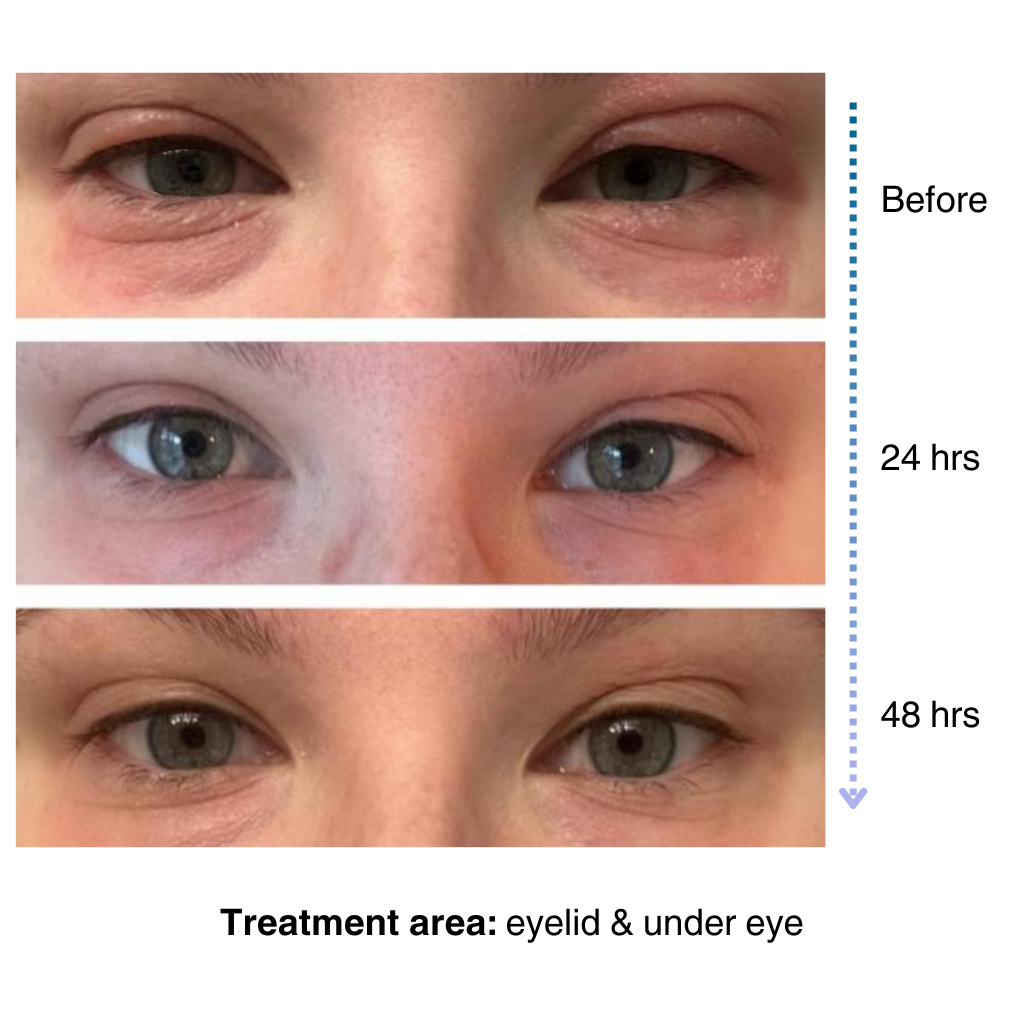
It’s easy to apply and isn’t chalky at all. I’ve been applying it multiple times a day… I’ve tried multiple new products to try and treat my eye eczema, and this is definitely the best I’ve tried so far.
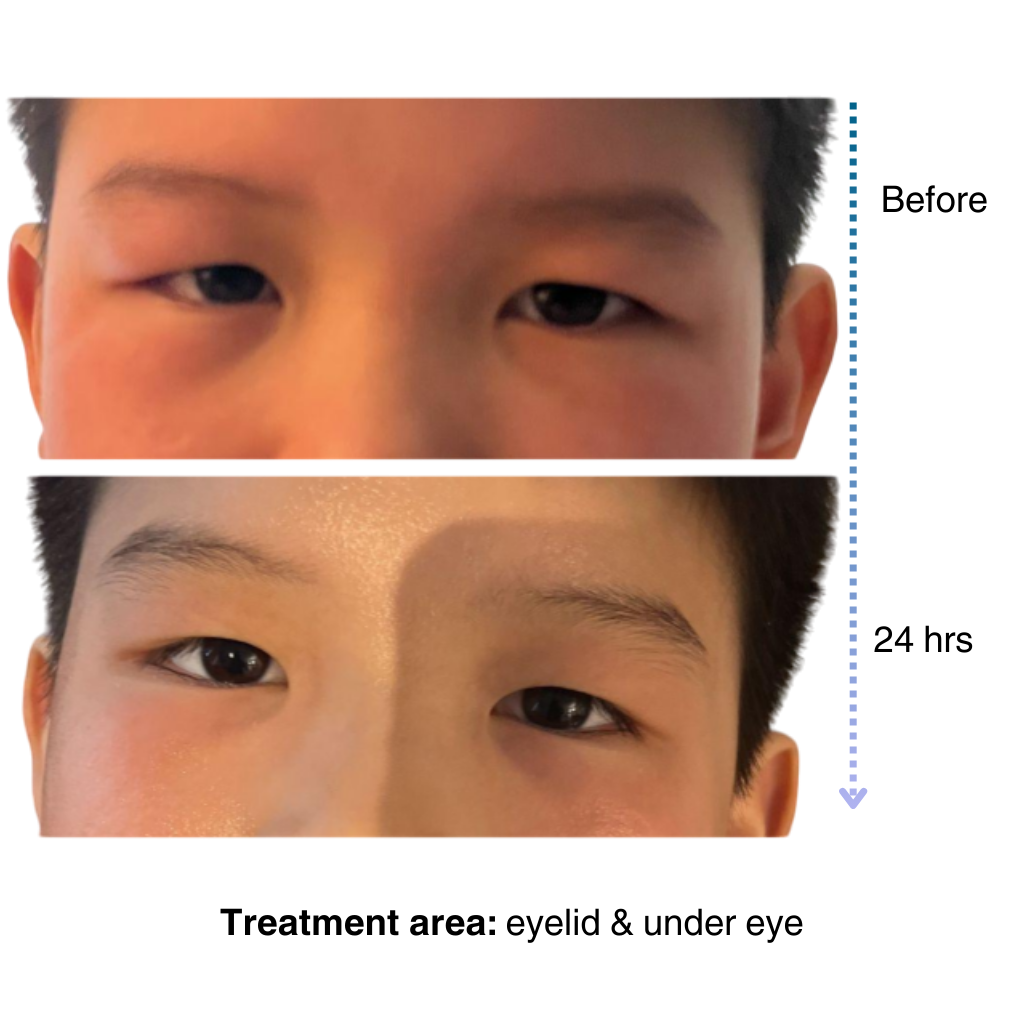
My 7-year old son has been dealing with eczema on his face for a long time, and it’s been so tough to find something that really works…..I’m amazed by the results! Within one day, the redness and rough patches on his face significantly improved…. he doesn’t mind using it at all because it doesn’t sting or feel greasy. – Lily

Get expert advice, exclusive offers, and real stories from people who understand your journey.
Start your skincare journey with an exclusive discount
Practical advice for managing sensitive and eczema-prone skin
Be the first to try our latest technology and product releases
Get 10% off your first order when you sign up
Secure & Private
Instant Access
Premium Content
Like many of you, our eczema journey is personal. That’s why we’re committed to creating a space for the eczema community to share experiences, be empowered through evidence-based solutions, and learn practical tips for daily life.
– Sajjad, Founder & CEO of NellaDerm
