AI Eczema Tracking Apps: Are They Worth It in 2026?

The right eczema tracking app can turn messy memories into clean, shareable data: nightly itch scores, sleep disruptions, photos that show real change, and reminders timed to your shower or bedtime routine. Some of these tools now use artificial intelligence to grade severity from photos or to flag risky days using weather and air-quality feeds. The promise is big, but not every app (or feature) will help every person. Recent clinical reviews suggest mobile health tools for atopic dermatitis can improve self-management and even quality of life in some studies—yet results vary and design quality is uneven, which is why a structured personal trial matters.


If you want an easy base routine to pair with any digital tool, keep this nearby: Skin Minimalism: Simplify Your Eczema Routine
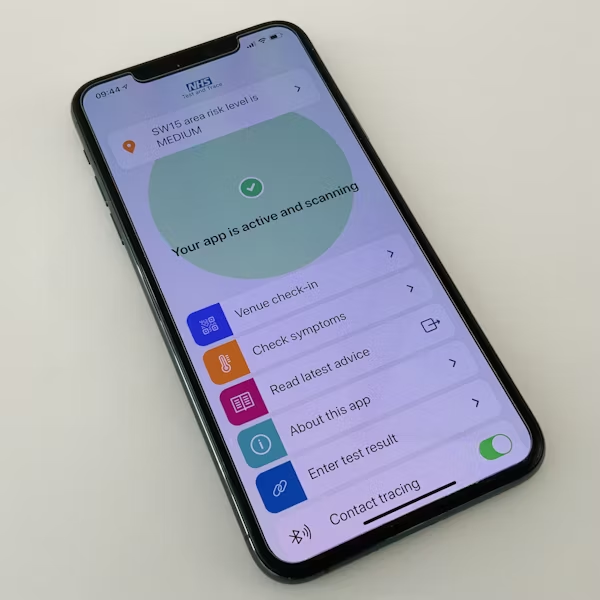
eczema tracking app

The Essentials In One Minute

  • Pick one eczema tracking app and use it daily for four weeks; consistency beats feature lists.
  • For AI features, focus on photo scoring you can reproduce (same lighting, same distance) and logs you can complete in 60 seconds.
  • Treat environmental “flare forecasts” as context, not hard predictions; combine them with your behavior and treatment notes.
  • Protect privacy: look for clear policies, on-device photo processing when possible, and easy data export.
  • Bring a one-page summary (itch, sleep, photos) to your next appointment—clinicians can act faster with clean data.

What “AI” Actually Does In An Eczema Tracking App

1) Photo-based severity scoring.
Modern apps may estimate eczema severity from smartphone images, sometimes aligning outputs with clinical scores like TIS, EASI, or SCORAD. A 2025 study in Allergy reported that an AI pipeline could identify body parts, segment lesions, and generate TIS scores from patient-uploaded photos with strong correlations to clinician assessments—encouraging for real-world monitoring when photos are captured consistently. Earlier work, including deep-learning systems in Scientific Reports  in 2021 and automatic SCORAD estimation in 2022, showed similar promise in controlled settings. 


2) Trigger analytics and short-term “risk” flags.
Some apps correlate your symptoms with outside data (temperature, humidity, particulate matter). Environmental factors do influence atopic dermatitis, but using weather or air quality alone to predict tomorrow’s itch is limited; models perform better when paired with your behavior and treatment logs.


3) Smart nudges.
The simplest “AI” is often a well-timed reminder: moisturize within three minutes after bathing, refill prescriptions, or reapply sunscreen. In studies of eczema mHealth, education plus reminders helped adherence and quality-of-life scores for some users.


The Upside: Where These Apps Tend To Help

  • Better clinic conversations. A week of photos alongside itch and sleep graphs beats fuzzy recollection, making dose adjustments or treatment changes faster and more precise.
  • Adherence to the basics. Moisturizer and medication reminders aligned to your schedule nudge the behaviors that move the needle most.
  • Motivation through visibility. AI photo scoring can show improvement that your eyes miss day to day, especially when you use consistent lighting and framing. 

For days when pollution seems to fuel your flares, pair your logs with practical tactics from: Eczema NYC: Managing Pollution, Stress & Indoor Heating.


The Limits: What To Watch Out For

  • Lighting and skin-tone bias. AI that looks great in a lab can stumble under bathroom lighting or on under-represented skin tones. Studies using diverse test sets like Diverse Dermatology Images, show state-of-the-art models often perform worse on darker skin and uncommon diseases unless specifically fine-tuned. Choose apps that show how they validated across skin tones and give you clear photo-taking guides.
  • Over-promised prediction. Environmental data alone is not destiny. Expect “risk indicators,” not perfect forecasts, and weigh them alongside what you actually did: workouts, laundry changes, travel, new products, or missed meds.
  • Privacy. Your photos and location are sensitive. Prefer apps with transparent, plain-English privacy policies, options to store photos locally, and one-tap export or delete.
  • Integration with your clinician. Not every practice can ingest app data. Favor apps that export PDFs with dates, graphs, and 3–5 representative photos.

Must-Have Features In A 2026 Eczema Tracking App

  1. Fast daily check-ins. Itch (0–10), sleep interruptions, meds used, moisturizer count, optional notes. If logging takes longer than a minute, you will stop.
  2. Photo guidance that reduces noise. A framing grid, distance hints, and white-balance tips can improve AI scoring accuracy and the usefulness of your before-and-after set.
  3. Context, not just weather. Auto-import AQI/temperature/humidity but let you log sweat, stress, travel, new products, and laundry changes. Environmental factors matter more when combined with behaviors.
  4. Reminders you actually want. Tie moisturizer or medication prompts to your real routine (post-shower, bedtime).
  5. Clear data handling. Local storage options, easy export, and readable privacy policies (bonus if they support on-device processing for photo scoring).
  6. Skin-tone-inclusive validation. Look for statements about testing on diverse Fitzpatrick types or independent benchmarking on diverse datasets.

What The Evidence Says—Briefly

  • Apps can help, but quality varies. A 2024 systematic review and meta-analysis found that mobile apps and telemonitoring for atopic dermatitis were associated with improvements in self-management and patient-reported outcomes in some studies, though heterogeneity was high. Translation: the right app can help you if you actually use it and if its features support your routine. 
  • AI photo scoring is promising. Multiple studies demonstrate machine-learning models that identify lesions and estimate severity from smartphone images with correlations to clinician scoring systems. These tools are most reliable when images are consistent and when models are validated beyond a single population.
  • Environment only, is not prediction. Studies show that weather and air-quality variables correlate with eczema activity in populations, but short-term, person-level predictions improve when paired with your own habits and treatments.

Your Four-Week Trial Plan (Copy This)

Week 0: Baseline without an app

  • Take three clear photos of one representative body area in the same room you will use later.
  • Log nightly itch (0–10), sleep interruptions, and moisturizer count in your phone notes for three days.

Week 1: Install and standardize

  • Pick one eczema tracking app. Enable only the reminders you will actually use.
  • Standardize photos: same room, same distance, indirect daylight or a cool-white lamp.
  • Log itch, sleep, meds, and moisturizer count daily. Add one note if anything changed (new detergent, workout, travel).

Week 2: Add habit support

  • Turn on moisturizer reminders aligned to your showers.
  • If the app captures weather/AQI automatically, let it—just do not chase forecasts yet.
  • Take photos on two non-consecutive days with the same setup.

Week 3: Review and adjust

  • Export a PDF or screenshots of graphs.
  • If photos look inconsistent, turn on the app’s framing guides or place a small card/coin as a size reference in every shot.
  • If reminders are noisy, prune them; if you keep missing logs, move the check-in to a time you never skip (right after brushing teeth).

Week 4: Decide

  • Compare itch averages, sleep, and photo scores against Week 0.
  • Keep the eczema tracking app if it helps you spot patterns sooner or stick to your routine with less effort. If not, delete it without guilt and keep a simpler paper or notes log—you still learned what does and does not help.

Who Gets The Most From An App

  • Parents of kids with eczema. Fast photos and symptom graphs help coordinate with schools, coaches, and pediatric dermatology visits.
  • Adults troubleshooting patterns. If you suspect heat, sweat, detergents, travel, or stress, structured logs surface what really matters for you.
  • Anyone starting a new treatment. Objective photos and daily metrics make those first follow-ups more productive. 

When To Skip Or Switch

  • If photo-taking stresses you or the app feels like homework, it will not last—try a lighter tracker or just nightly itch scores.
  • If privacy is your top concern and the app will not run without cloud uploads or ad tracking, pass.
  • If your disease is moderate-to-severe and rapidly worsening, seek medical care first; apps are supplements, not substitutes.

NellaDerm’s App Coming Soon

We are building a NellaDerm eczema tracking app that pairs barrier-first routines with AI photo insights designed for inclusive skin tones and low-friction daily logging. It is in development now, but be on the lookout here and in our newsletter for early access and launch updates.


Final Thoughts

A well-designed eczema tracking app can make your care simpler: better adherence, clearer clinic visits, and earlier recognition of patterns that matter to you. Look for photo tools with clear guidance, logs you can finish in a minute, honest privacy practices, and evidence of skin-tone-inclusive validation. Give your pick a four-week test alongside a steady routine. If your itch drops, sleep improves, or you feel more in control, keep it. If not, move on. You will have learned what you need without wasting months.

FAQs About Choosing An Eczema Tracking App

Do I really need AI, or will a plain diary work?
A diary works. AI helps when you want consistent photo scoring and tidy clinic summaries, but the best eczema tracking app is the one you will actually open every day. 


Can apps predict my flares from weather or AQI?
They can hint at riskier days, but weather and pollution alone are weak predictors. Pair those feeds with your behavior and treatment data for practical insights.


What should I ask about privacy?
Look for on-device photo processing if offered, data export, and a readable policy that explains where images live and who can access them. Avoid “login with ads” for health photos.


How do I make AI photo scoring more reliable?
Use the same room and lighting, avoid harsh shadows, keep the camera the same distance, and include a reference (like a small card) in each shot. Studies show these systems correlate best with clinicians under consistent capture conditions.


Will my dermatologist actually use the data?
Most appreciate a one-page summary with dates, a few representative photos, and trend lines for itch and sleep. Export to PDF and bring it along.

Explore the Eczema Knowledge Hub

Your go-to resource for flare-up relief, skincare tips, and science-backed advice.

"...this is the best I've tried so far."

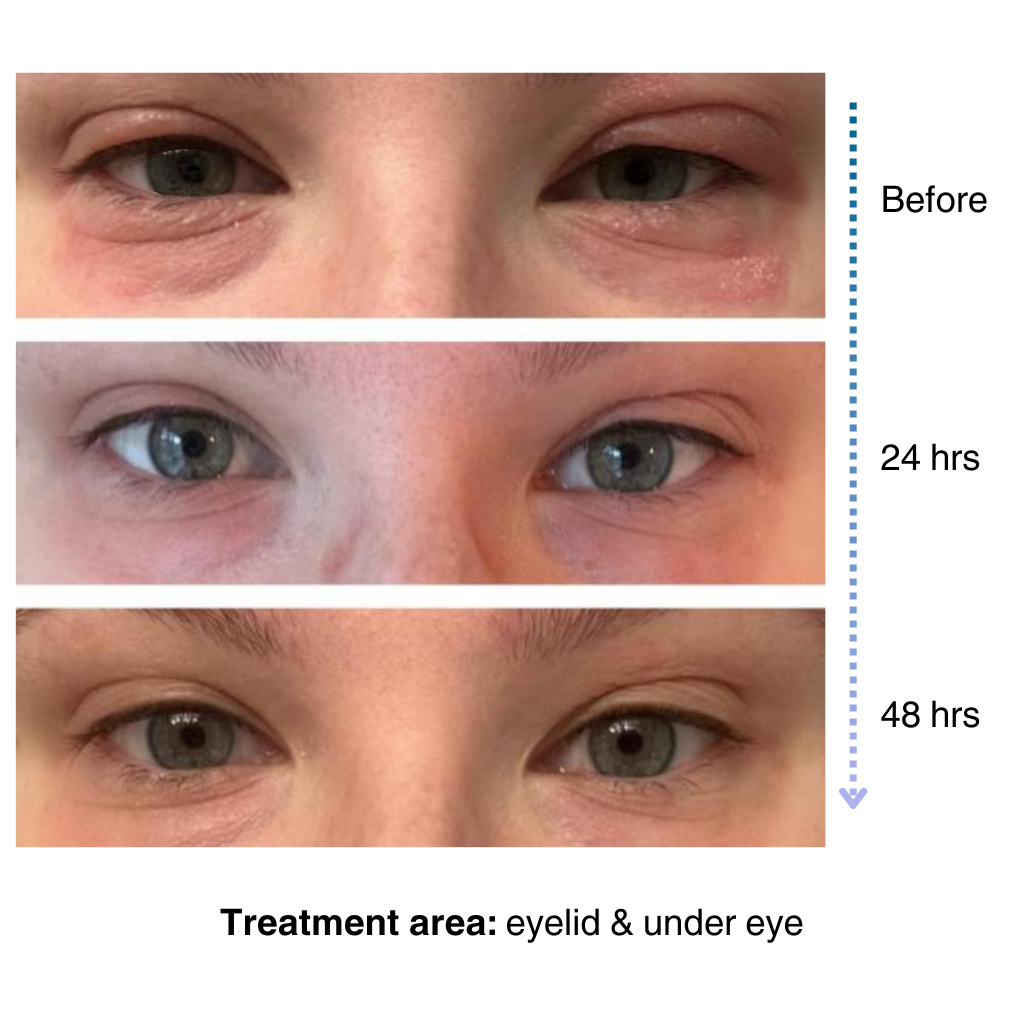
It’s easy to apply and isn’t chalky at all. I’ve been applying it multiple times a day… I’ve tried multiple new products to try and treat my eye eczema, and this is definitely the best I’ve tried so far.

"Game-changer for my son's eczema"

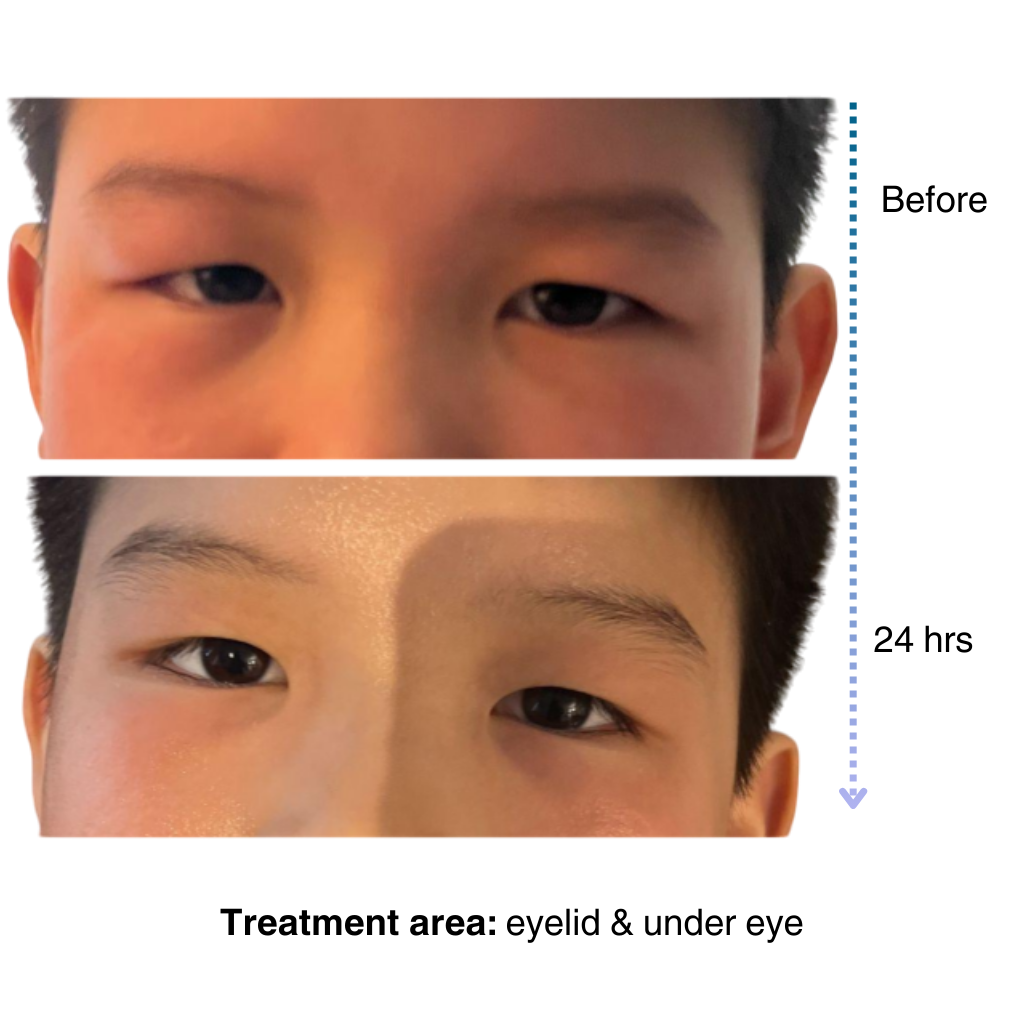
My 7-year old son has been dealing with eczema on his face for a long time, and it’s been so tough to find something that really works…..I’m amazed by the results! Within one day, the redness and rough patches on his face significantly improved…. he doesn’t mind using it at all because it doesn’t sting or feel greasy. – Lily
Newsletter Signup

Like many of you, our eczema journey is personal. That’s why we’re committed to creating a space for the eczema community to share experiences, be empowered through evidence-based solutions, and learn practical tips for daily life.  

– Sajjad, Founder & CEO of NellaDerm

Eczema treatment
Shopping Cart