Air Pollution and Eczema: Protect Your Skin in 2026

Urban smog and wildfire smoke are no longer rare events. On bad air days many people with atopic dermatitis feel an immediate spike in itch, redness, and tightness. That is because air pollution and eczema collide in several ways: particles cling to skin, ozone disrupts the barrier, and heat plus stress compound the problem. The good news is you can cut exposure, strengthen your barrier, and recover faster with a few predictable moves. This guide gives you exactly what to do indoors, outdoors, and at bedtime, so you can keep living your life even when the air is not cooperating.

air pollution, air quality eczema

The Essentials In One Minute

How Air Pollution Irritates Eczema

Understanding the “why” helps you choose the right “what now.”

  1. Particles stick to skin
    Fine particles from vehicle exhaust, industry, and wildfire smoke carry metals and organic compounds. They settle on oil, sweat, and clothing, then migrate to creases and collars where they rub and itch.
  2. Ozone and nitrogen dioxide disrupt the barrier
    These gases generate oxidative stress on the stratum corneum, degrading lipids, weakening tight junctions, and increasing transepidermal water loss. The result: stinging, dryness, and easier entry for irritants.
  3. Neurosensory and immune changes
    Polluted air can amplify neurogenic itch signaling and heighten Type-2 inflammatory pathways already active in atopic dermatitis.
  4. Compounding factors
    Bad air days are often hot, dry, or both. Heat elevates itch, sweat leaves salts and metabolites on the surface, and indoor HVAC can overdry the air.

A 2023 review published in NIH reveals that air pollutants contribute to eczema symptoms by activating the aryl hydrocarbon receptor pathway, promoting oxidative stress, initiating a proinflammatory response, and disrupting the skin barrier function.


Takeaway: when air pollution and eczema collide, you want to limit contact, remove residue quickly, and keep your skin barrier sealed and cool.


Indoor Defense For Smog And Smoke Days

Create A “Clean-Air Zone”

Pick one room where you can rest, work, and sleep comfortably.

  • Close windows and doors during poor AQI periods.
  • Run a HEPA air purifier sized for the room; let it run continuously on low to moderate.
  • Aim for 40–55 percent humidity. Use a humidifier in dry climates and an AC or dehumidifier in humid heat.
  • Block heat and sunlight with blackout or reflective curtains to lower room temperature and itch.

Housekeeping That Helps

  • Change HVAC filters on schedule; consider higher MERV ratings compatible with your system.
  • Dust with a damp cloth rather than dry dusting so particles do not go airborne.
  • Vacuum with a HEPA unit every few days in bedrooms and living areas.
  • Do laundry more often for pillowcases, sleep shirts, and frequently worn tees; clean fabrics reduce friction and residue transfer. 

Wildfire Smoke: Special Moves

Wildfire smoke has extra ultrafine particles and irritant compounds.

  • Entry points: Make a quick mudroom ritual. Shoes off at the door, outer layers hung in one spot, and hands rinsed before touching face or neck.
  • Masks outside: A well-fitted respirator-style mask can reduce inhaled particles during short unavoidable trips. Your skin still needs care. Use a thin moisturizer layer, like NellaCalm, under mask edges to reduce friction.
  • Car travel: Use recirculate mode with cabin filter on; keep a mini kit in the glove box for a fast rinse-and-seal on arrival.

Outdoor Strategy On Bad Air Days

Timing And Route

  • Plan errands and walks for early morning when pollutants may be lower.
  • Choose side streets and parks away from heavy traffic; avoid idling zones and enclosed bus stops.

Clothing And Gear

  • Wear soft, breathable layers that cover high-friction areas: neck, inner elbows, and chest.
  • Add a wide-brim hat and sunglasses to shield delicate eyelid skin and reduce squinting friction.
  • Keep a microfiber cloth to blot sweat and residue; blot, do not rub.

Barrier Prep Before You Head Out

  • Lukewarm cleanse if needed.
  • Moisturize within three minutes to form a smooth, protective film.
  • Mineral sunscreen on exposed areas when UV is high; pat on gently to avoid extra friction.

Your Daily Skin Routine On Poor AQI Days

Morning Setup

  1. Quick lukewarm shower to start with a clean surface.
  2. Pat dry and moisturize within three minutes with a fragrance-free barrier cream such as NellaCalm Steroid-Free Eczema Cream.
  3. Dress for airflow and smooth seams.
  4. Pack a mini kit: travel emollient, microfiber cloth, small water bottle for sips, and a soft tee for a midday change if you run warm.

After-Exposure “Reset”

When you come in from a commute, school run, or errand during poor air:

  1. Rinse face, neck, and hands with lukewarm water; use a gentle cleanser only where needed.
  2. Pat, do not rub. Leave skin slightly damp.
  3. Moisturize within three minutes to re-seal.
  4. Change into clean clothes to remove settled particles.

This 3–5 minute reset is one of the most effective habits for air pollution and eczema comfort.


Night Playbook For Better Sleep

Pollutants plus heat can turn nights into scratch marathons. Protect sleep like a treatment.

  • Pre-cool the bedroom and run your HEPA purifier an hour before bed.
  • Quick evening rinse-and-seal if you feel sticky or dusty.
  • Breathable bedding and smooth sheets reduce friction at creases and cheeks.
  • Mind-and-body downshift: five minutes of slow breathing or a short body scan reduces the urge to scratch. For a full routine, check out our blog Sleepless Nights? How To Stop Eczema Itching At Night.

Kids, Teens, And Older Adults

  • Children dehydrate faster and scratch more when overtired. Build snack-and-water breaks into smoky or smoggy days and keep bedtime earlier. A simple cotton sleep set and a cool room can prevent a next-day flare.
  • Teens: encourage headphones for calls rather than pressing a warm phone to the cheek, and a quick rinse after sports or transit.
  • Older adults: the skin barrier thins with age. Choose creamier moisturizers at night and keep room humidity around 45–50 percent to prevent “paper-dry” hands and shins.

Work And School Day Tactics

  • Commute with a barrier layer on and keep your mini kit handy.
  • Desk setup: a small fan pointed across the room, not at your face, prevents hot spots without drying the skin.
  • Uniforms and dress codes: buffer stiff collars or seams with a thin layer of moisturizer, and switch to a fresh shirt midday if you sweat.

Exercise And Air Quality

Movement helps stress and sleep, both of which influence eczema. On poor AQI days:

  • Shift training indoors with filtration or schedule outdoor sessions at the cleanest time of day.
  • Lower intensity reduces mouth breathing and exposure.
  • After activity, use the reset: lukewarm rinse, pat, moisturize, change into clean clothes.

Laundry And Home Textiles

Polluted air settles on fabrics. Small laundry tweaks make a big difference.

  • Pillowcases every 2–3 nights, sheets weekly; twice weekly during heat waves or heavy smoke.
  • Fragrance-free detergent, smallest effective dose, extra rinse during flares.
  • Skip softeners and dryer sheets that leave films. Use wool dryer balls and low heat instead.
  • Wash throw blankets and hoodie linings more often; they collect particles near the face and neck.

A One-Day Plan You Can Copy On Bad Air Days

Morning

  • Check AQI. If “unhealthy,” close windows and start the purifier.
  • Short shower, moisturize within three minutes, dress in breathable layers.
  • Pack mini kit and water.

Midday

  • Do a 3–5 minute reset after errands or lunch outside.
  • Swap into a dry top if you felt hot or sticky.

Evening

  • Quick rinse-and-seal, light dinner, dim lights.
  • Pre-cool the bedroom and run the purifier.
  • Five minutes of breathing or a short body scan, then lights out.

Troubleshooting: Common Problems And Fixes

“My face stings after being outside.”
Do the reset immediately. Use lukewarm water only, then a bland moisturizer. Patch-test sunscreens and avoid fragranced mists.


“My eyelids and neck are always worse.”
They are thin and often exposed. Wear sunglasses and a hat, tie hair off the neck, and moisturize those areas first.


“I feel itchy even indoors.”
Check humidity and filtration. Dust with a damp cloth, vacuum with HEPA, and avoid burning candles or incense that add indoor particulates.


“Masks make my cheeks worse.”
Use a pea-sized amount of moisturizer under contact points, choose soft edges, and change masks when damp. Reset when you get home.


“I sleep badly on smoky nights.”
Cool the room to 18–20 °C, purify for an hour before bed, swap to a fresh pillowcase, and use the sleep guide’s wind-down steps.


Final Thoughts

When air pollution and eczema collide, think in threes: limit exposure, remove residue, re-seal the barrier. Keep a clean-air room at home, prep skin with a simple moisturizer before heading out, and use a fast rinse-and-seal the moment you return. Protect sleep with cooler, filtered air and smooth, clean bedding. With these habits in place, smoggy commutes and smoky weeks become manageable blips instead of full-blown flares.

Explore the Eczema Knowledge Hub

Your go-to resource for flare-up relief, skincare tips, and science-backed advice.

FAQs About Air Pollution And Eczema

Does an air purifier really help?
Yes, when it uses a true HEPA filter and is correctly sized for the room. Run it continuously on low or moderate during poor AQI days.


Should I shower every time I come home?
Not always. A quick face–neck–hands rinse and moisturize is often enough between full showers, which keeps skin from overdrying.


What sunscreen is best on smog days?
Many people with eczema prefer mineral filters like zinc oxide or titanium dioxide. Patch-test on a calm day and reapply by patting to avoid friction.


Do supplements fix pollution-triggered flares?
No single supplement replaces exposure reduction and barrier care. Focus on the reset routine, sleep, hydration, and steady moisturizing.

"...this is the best I've tried so far."

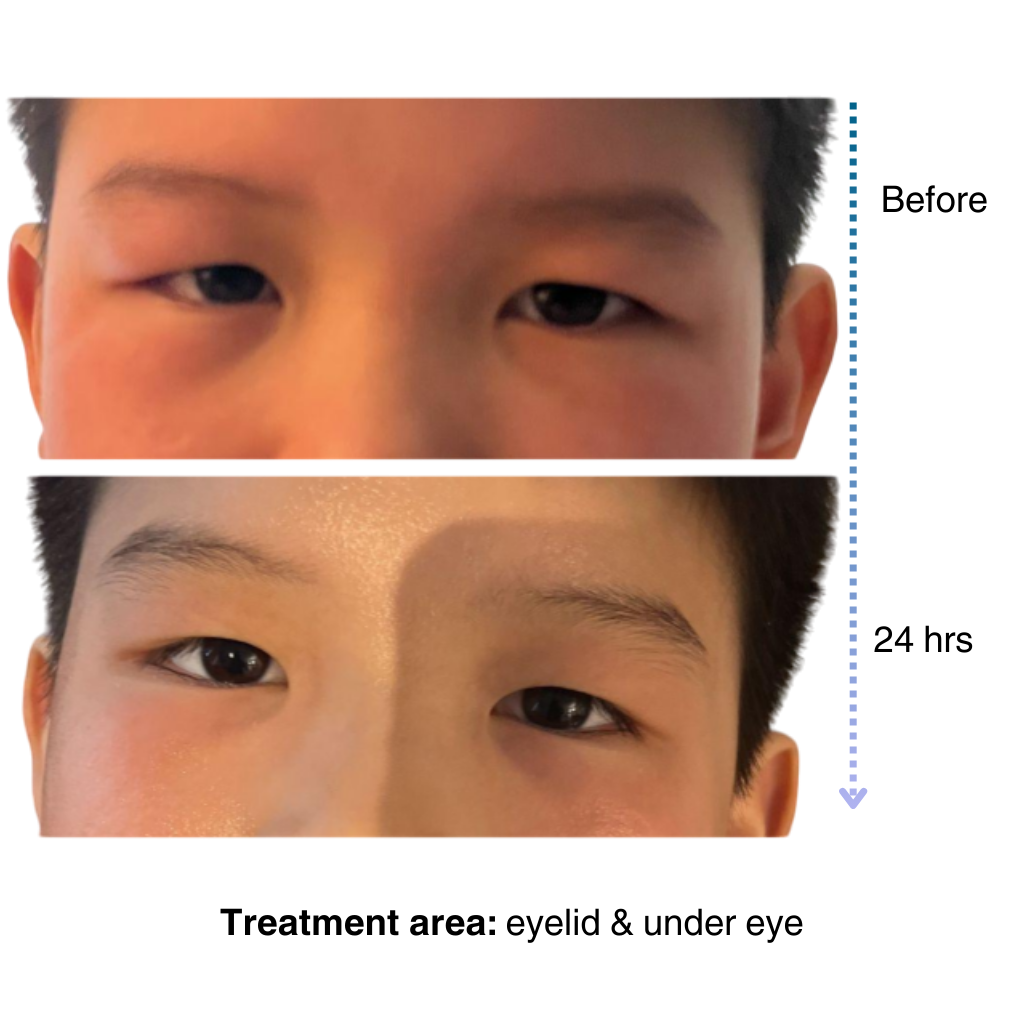
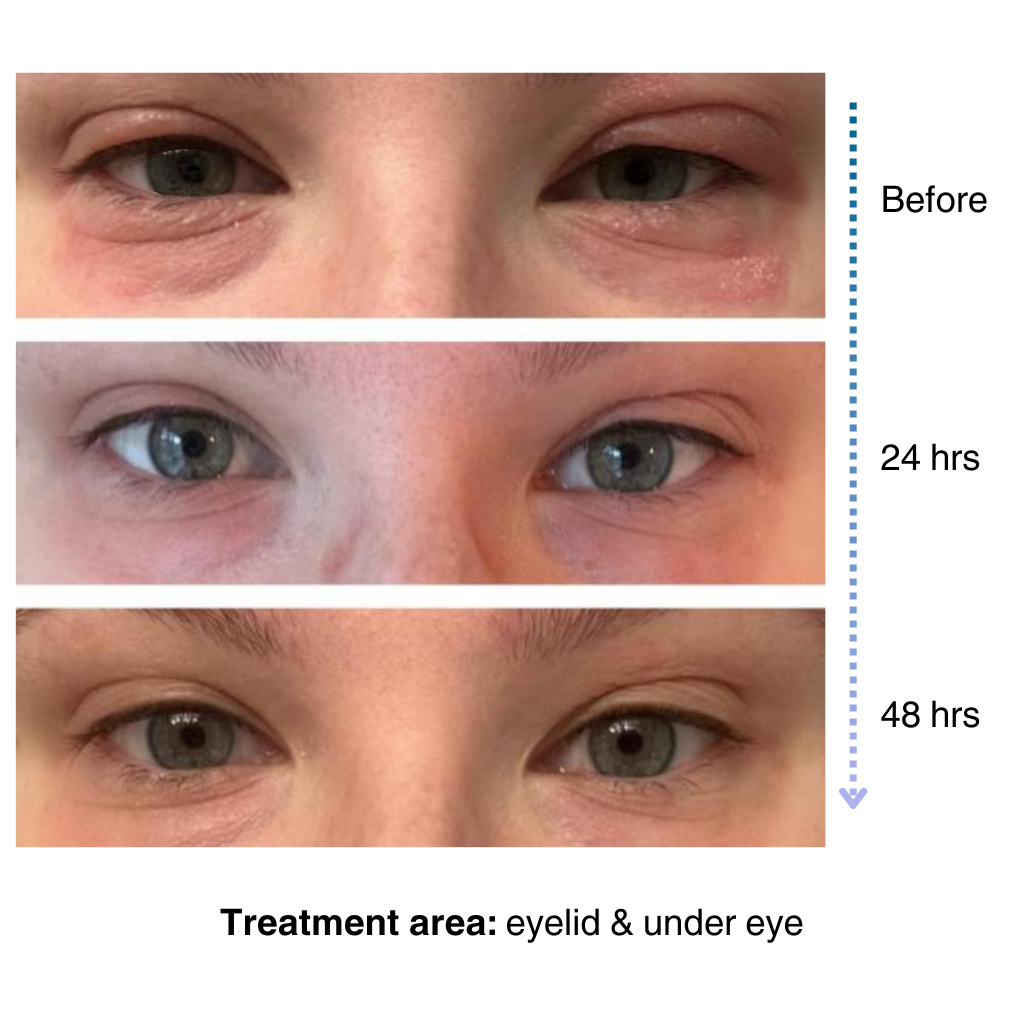
It’s easy to apply and isn’t chalky at all. I’ve been applying it multiple times a day… I’ve tried multiple new products to try and treat my eye eczema, and this is definitely the best I’ve tried so far.

"Game-changer for my son's eczema"

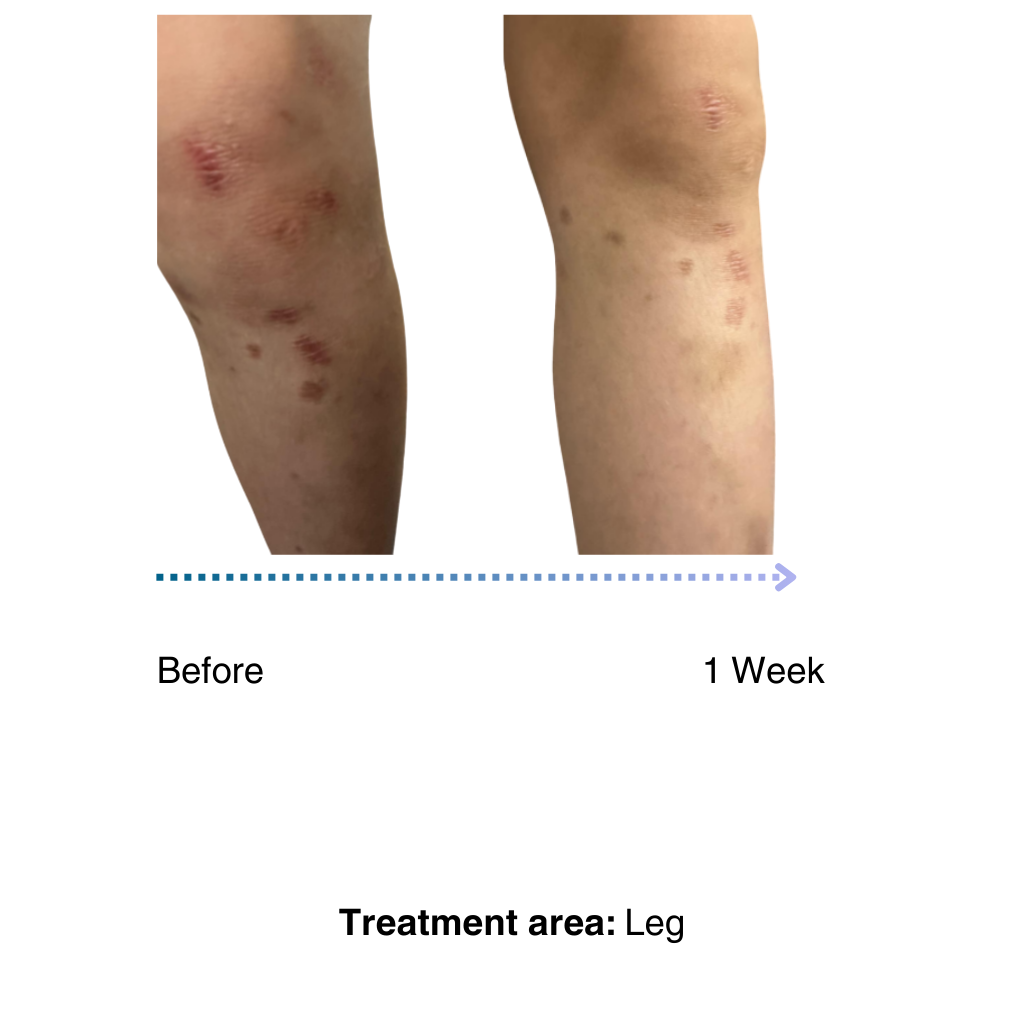
My 7-year old son has been dealing with eczema on his face for a long time, and it’s been so tough to find something that really works…..I’m amazed by the results! Within one day, the redness and rough patches on his face significantly improved…. he doesn’t mind using it at all because it doesn’t sting or feel greasy. – Lily
Sign up for eczema management tips, special offers, and real stories from people who’ve been where you are. Plus, get 5% off your first order.

Like many of you, our eczema journey is personal. That’s why we’re committed to creating a space for the eczema community to share experiences, be empowered through evidence-based solutions, and learn practical tips for daily life.  

– Sajjad, Founder & CEO of NellaDerm

Eczema treatment
Shopping Cart