
Eczema concerns?
FREE
Get instant expert guidance with our smart AI platform.
Join NowWhen pollen counts soar, many people with atopic dermatitis notice extra itch, redness, and sleepless nights. What you eat will not “cure” eczema, but a smart diet for eczema can lower background inflammation, stabilize energy, and make your skincare routine work harder for you. Think of food as part of your toolkit alongside gentle cleansing, consistent moisturizing, and trigger management. In this guide you will learn the science-backed food patterns that help most people, what to limit during peak pollen weeks, and exactly how to turn that into breakfasts, lunches, dinners, and snacks you can repeat without stress.
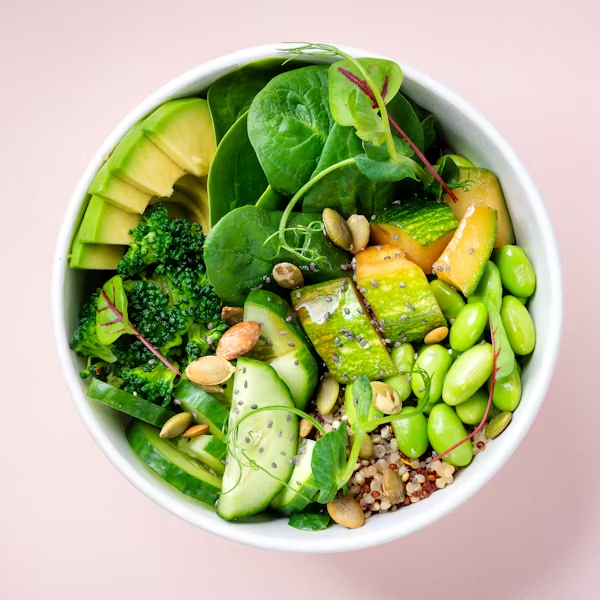
Seasonal allergies and eczema often flare together. Pollen, dust, and mold trigger immune overreactions that show up as red, itchy patches on the skin. While skincare is essential, what you eat plays a powerful role in calming inflammation from the inside out. This guide delivers a flexible, family friendly diet for eczema that reduces flare ups during high pollen periods without extreme restrictions.
Backed by clinical insights and real world application, the plan focuses on nutrient dense foods that support the skin barrier, stabilize immune responses, and maintain steady energy. Whether you cook for one or a household, these strategies help you navigate allergy season with fewer nighttime scratches and more comfortable days.
Allergy season increases exposure to pollen and airborne irritants. That primes your immune system and often raises itch signals at night. If your baseline diet is heavy in refined carbs and seed oils, you may experience more ups and downs in blood sugar and inflammation. A calming diet for eczema does three things well:
Use this simple template for most meals. It is flexible for families, budgets, and preferences.
This Mediterranean leaning diet for eczema pattern is anti inflammatory, high in fibre, and naturally low in additives that can bother sensitive skin. Check out this article from the Cleveland Clinic for more diet information.
A diet for eczema during allergy spikes benefits from trimming a few categories that commonly increase itch for sensitive people:
Avoid blanket elimination diets unless guided by a clinician or dietitian. The goal is nourishment, not scarcity. Refer to our blog post about eczema diets that actually work.
Produce
Leafy greens, broccoli, cauliflower, zucchini, cucumbers, carrots, beets, sweet potatoes, berries, apples, pears, oranges, kiwi, grapes.
Proteins
Salmon, trout, sardines, chicken or turkey breast, grass fed beef in modest portions, pasture raised eggs, tofu, tempeh, edamame, canned beans and lentils.
Smart carbs
Old fashioned oats, quinoa, brown rice, buckwheat, gluten free pasta or whole grain pasta if tolerated, corn tortillas.
Pantry fats and extras
Extra virgin olive oil, avocado oil for higher heat cooking, walnuts, pumpkin seeds, chia, flaxseed, almond butter, tahini, herbs and spices (turmeric, ginger, cinnamon, oregano).
Fermented foods
Plain yogurt with live cultures or coconut based yogurt alternatives, kefir, sauerkraut in the fridge section, miso paste.
Use these as modular ideas. Mix and match based on appetite and schedule.
Hydrate with water, herbal teas, or diluted fruit spritzers. Aim for steady intake rather than big gulps late at night.
Make the diet for eczema family friendly. Kids thrive on routine and colour. Build “rainbow plates,” let them pick a new vegetable weekly, and keep snacks simple: fruit, yogurt, nuts or seed mixes if safe, popcorn popped in olive oil, and mini wraps. For school lunches, think turkey and avocado wraps, veggie sticks with hummus, and a berry cup.
Food first is the mantra. If you and your clinician decide to use supplements, these are the most discussed:
Introduce one change at a time and track how you feel for two to four weeks.
Food works best alongside consistent skincare. After every shower or bath, pat dry and moisturize within three minutes to trap water in the top layer. A simple, fragrance free base makes everything easier. If you prefer a single anchor product, many use NellaCalm Steroid Free Eczema Cream morning and night as part of their diet for eczema plan because it supports the barrier while you focus on meals.
Week 1
Week 2
By the end of two weeks, most people report steadier energy, fewer evening cravings, and calmer skin days even when pollen is high.
A practical diet for eczema supports your skin when seasonal allergies make everything feel harder. Fill your plate with plants, fish or plant proteins, smart carbs, and olive oil; trim ultra processed foods during peak pollen weeks; hydrate consistently; and keep your skincare steady. Small, repeatable choices made daily will carry you through allergy season with fewer flares and more good skin days.
Research increasingly links dietary patterns to eczema severity, particularly during periods of high environmental stress. A 2024 study in the Journal of Allergy and Clinical Immunology found that children following a Mediterranean style diet rich in fish, vegetables, and olive oil experienced 30 percent fewer moderate to severe flare ups over a six month pollen season compared to those on standard Western diets.
The mechanism involves multiple pathways. Omega 3 fatty acids compete with pro inflammatory omega 6 fats for incorporation into cell membranes, shifting the balance toward resolution of inflammation. Polyphenols from colorful produce act as natural antihistamines by stabilizing mast cells that release itch inducing compounds when triggered by pollen.
Fiber from vegetables and whole grains feeds beneficial gut bacteria, which produce short chain fatty acids that strengthen the skin barrier and dampen systemic immune overactivity. This gut skin axis explains why fermented foods may help some individuals, though responses vary based on individual microbiome composition.
Blood sugar stability also matters. Rapid glucose spikes from refined carbohydrates trigger insulin release, which can exacerbate inflammatory pathways already activated by allergens. The plate method outlined earlier naturally promotes gradual carbohydrate absorption, preventing these inflammatory surges.
Some eczema patients experience worsened symptoms from histamine rich or histamine liberating foods, especially when pollen counts soar. Histamine is a compound involved in allergic responses, and excess can contribute to itching, redness, and swelling. While true histamine intolerance is rare, temporary sensitivity during allergy season affects up to 20 percent of atopic individuals.
Common triggers include fermented foods, aged cheeses, tomatoes, spinach, and alcohol. Rather than permanent elimination, a strategic two week reduction during peak pollen often provides relief without nutritional compromise. Keep a simple food symptom diary to identify personal patterns without guesswork.
Fresh proteins, newly cooked vegetables, and grains typically remain well tolerated. Quercetin rich foods like apples, onions, and capers may help by inhibiting histamine release from mast cells. Vitamin C from citrus and bell peppers supports DAO enzyme function, which breaks down histamine in the gut.
Work with a registered dietitian if symptoms persist beyond seasonal changes. Most people successfully reintroduce restricted items once environmental triggers subside, maintaining dietary variety for long term health.
Quality nutrition does not require premium pricing. Frozen vegetables and berries retain nutrients at lower cost than fresh out of season produce. Buy fish in bulk when on sale and freeze portions for later use. Canned sardines and salmon provide omega 3s for under two dollars per serving.
Dried lentils, chickpeas, and beans cost pennies per portion and store indefinitely. Purchase extra virgin olive oil in larger tins for better value, transferring to a smaller bottle for daily use. Farmers markets toward closing time often discount perfectly good produce.
Batch cooking reduces both time and expense. Prepare large pots of lentil soup or roasted vegetable trays on weekends. Eggs remain one of the most affordable complete proteins, versatile for any meal. Generic brands of oats, quinoa, and frozen fruit match name brands nutritionally.
Focus spending on quality fats and proteins while filling half your cart with inexpensive plant foods. This allocation maximizes anti inflammatory benefits within realistic budgets, making sustainable eczema management accessible to all income levels.
Time constraints should not derail healthy eating. Dedicate ninety minutes on Sunday to prepare components that mix and match throughout the week. Roast two sheet pans of vegetables with olive oil, cook a pot of quinoa, and bake salmon fillets for multiple meals.
Hard boil a dozen eggs for grab and go protein. Portion cooked lentils into containers with spinach and dressing for instant salads. Freeze extra portions in single servings to avoid decision fatigue on hectic evenings.
Keep washed berries and cut vegetables in clear containers at eye level in the refrigerator. Pre portion nuts and seeds into small jars to prevent overeating while ensuring availability. Smoothie packs with frozen greens, berries, and flax allow two minute breakfasts.
Invest in quality glass containers that transition from fridge to microwave. Label with dates to maintain freshness. These systems turn intention into automatic healthy choices, protecting skin health even during the busiest allergy weeks.
Objective tracking prevents subjective bias in evaluating dietary changes. Use a simple notebook or phone app to record daily plate composition, itch intensity on a zero to ten scale, sleep quality, and energy levels. Photograph affected skin areas weekly under consistent lighting.
Review patterns every fourteen days. Look for correlations between specific foods and symptom changes. Most improvements appear gradually over three to six weeks as inflammatory markers decline and barrier function strengthens.
Celebrate non scale victories like reduced nighttime scratching or fewer topical steroid applications. If progress stalls, consider environmental factors or stress levels rather than immediately eliminating more foods. Share records with your dermatologist or dietitian for personalized adjustments.
Sustainable change beats perfection. Eighty percent adherence to the core pattern typically delivers ninety percent of potential benefits. Use tracking as education rather than judgment, refining your approach based on your body unique responses.
The principles established during high pollen periods serve year round eczema management. Maintain the plate template as your default while allowing occasional treats in social settings. Continue prioritizing sleep, hydration, and stress reduction as dietary partners.
Reassess needs with seasonal shifts. Winter may require more warming soups and root vegetables, while summer offers abundant fresh produce variety. Keep frozen options as insurance against busy periods or produce shortages.
Annual blood work checking vitamin D, omega 3 index, and inflammatory markers provides objective data for fine tuning. Many patients reduce flare frequency by thirty to fifty percent through consistent application of these evidence based principles.
View food as medicine that works synergistically with skincare and medical treatments. This integrated approach transforms eczema from constant battle to manageable condition, restoring quality of life across all seasons.
Will diet changes fix my eczema?
Diet is one lever. It helps the most when paired with consistent skincare and trigger management. Expect improvements in comfort, energy, and recovery rather than a cure.
How fast should I see results?
Some people feel steadier within a week from better hydration and fewer ultra-processed foods. Visible changes in redness or dryness typically take several weeks of consistency.
Should I try a strict elimination diet?
Not without guidance. Start with the core pattern here. If specific foods seem to correlate with flares, talk to your clinician about a short, structured elimination and re-challenge.
Is gluten-free necessary?
Only if you have celiac disease, non-celiac gluten sensitivity, or a clear personal pattern. Many people do well on intact whole grains like oats, brown rice, and buckwheat.
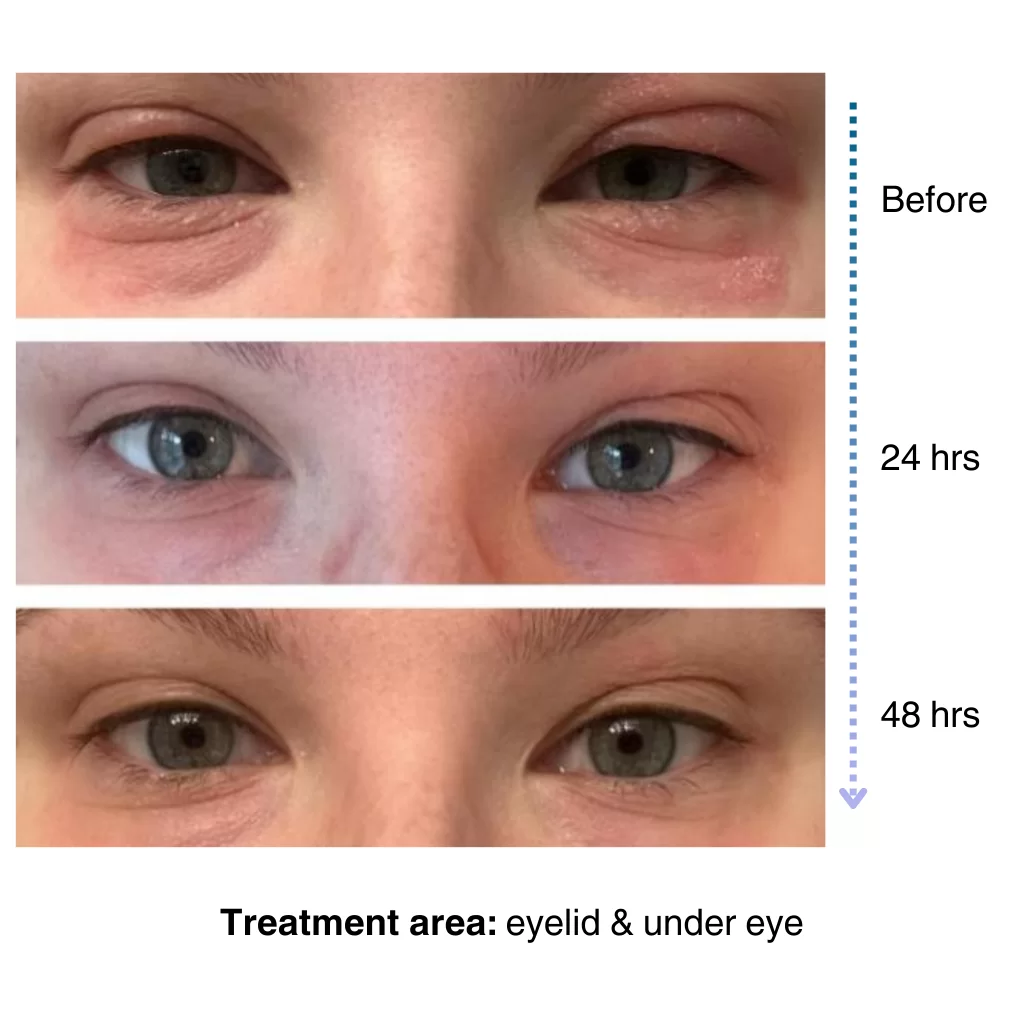
It’s easy to apply and isn’t chalky at all. I’ve been applying it multiple times a day… I’ve tried multiple new products to try and treat my eye eczema, and this is definitely the best I’ve tried so far.
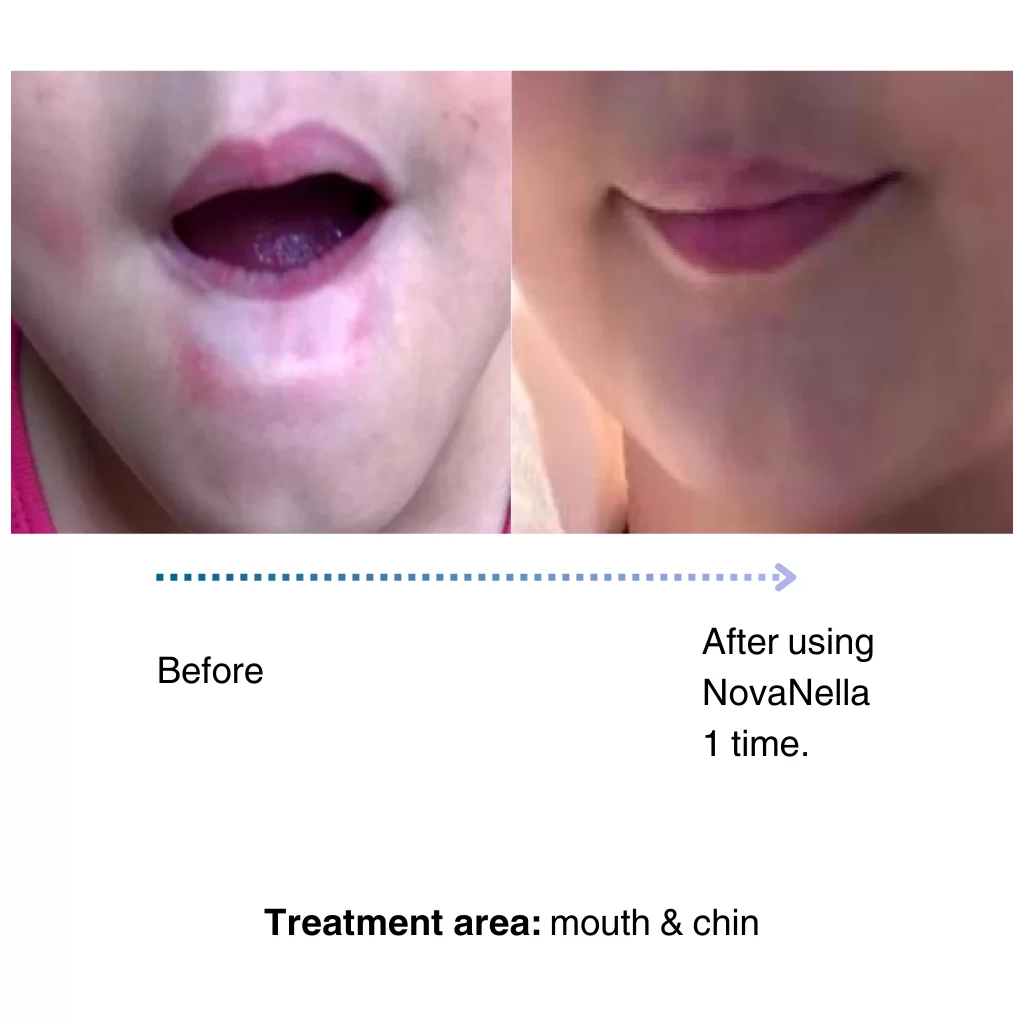
My 7-year old son has been dealing with eczema on his face for a long time, and it’s been so tough to find something that really works…..I’m amazed by the results! Within one day, the redness and rough patches on his face significantly improved…. he doesn’t mind using it at all because it doesn’t sting or feel greasy. – Lily


Like many of you, our eczema journey is personal. That’s why we’re committed to creating a space for the eczema community to share experiences, be empowered through evidence-based solutions, and learn practical tips for daily life.
– Sajjad, Founder & CEO of NellaDerm
