
Eczema concerns?
FREE
Get instant expert guidance with our smart AI platform.
Join NowWhether you’re kneading sourdough at a boutique bakery or prepping pastries in a high-volume kitchen, your hands are constantly exposed to eczema triggers. The repetitive handwashing, raw ingredients, heat, and glove friction that define baking work can lead to a condition commonly referred to as bakers’ eczema—a form of occupational hand dermatitis with a high impact on job performance and quality of life.
In fact, hand eczema is among the top five occupational skin diseases worldwide, and professional bakers are particularly vulnerable due to three main factors:
If you’re a baker struggling with sore, cracked, or itchy hands, this guide breaks down the science, triggers, and skin-saving solutions available in 2026.

Bakers’ eczema is a subtype of irritant contact dermatitis or allergic contact dermatitis that occurs in individuals who work in baking or food preparation environments. It typically affects:
Symptoms often include:
It can become chronic if left unmanaged, leading to job interruption or even career changes.
It might seem harmless, but airborne flour dust is a major irritant and allergen. Constant exposure to wheat, rye, or oat flours—especially in powdery, aerosolized form—can lead to both contact reactions and respiratory issues.
A study in Contact Dermatitis Journal found that bakers with daily flour exposure were four times more likely to develop chronic hand eczema than non-food workers.
Hand eczema often starts not from dryness, but from excess moisture. Bakers are constantly washing hands, cleaning utensils, and handling sticky doughs. This repetitive wet work strips away the skin’s natural oils, compromising the protective barrier.
Even brief exposure to water more than 20 times a day has been linked to an increased risk of chronic eczema.
Tips for minimizing wet work damage:
Most bakers wear gloves, but not all gloves are created equal.
Accelerators used in glove manufacturing can cause type IV hypersensitivity reactions, mimicking or worsening hand eczema.
Also avoid harsh antibacterial soaps, especially those with fragrance, SLS (sodium lauryl sulfate), or alcohol. Stick to fragrance-free, low-pH cleansers made for sensitive skin.
More tips on laundry and soap here: Laundry Lessons: How Detergent Decisions Influence Eczema Irritation
To control bakers’ eczema, a daily routine and preventative habits are essential:
Using NellaCalm after baking shifts helps restore the moisture barrier without steroids, fragrances, or stinging additives.
Don’t wait until your skin cracks bleed. Early intervention prevents chronicity and scarring.
See a dermatologist if:
In some cases, topical steroids, phototherapy, or even prescription immunomodulators may be recommended.
For a non-drug option, check out our guide on: Home Remedies for Eczema Flare-Up Treatment You Can Start Tonight.
Maria, a pastry chef, developed itchy, dry hands after starting a job in a busy bakery. “At first I thought it was just dry winter skin, but it got worse with every shift. My gloves made it burn. I couldn’t even zip up my coat without pain.”
She switched to powder-free, accelerator-free gloves, added a ceramide-based moisturizer before and after shifts, and started using fragrance-free cleansers at home. Her flares dropped dramatically, and she’s now training to open her own shop—eczema under control.
Bakers’ eczema isn’t just dry skin, it’s a serious occupational condition that can affect career longevity, daily comfort, and mental health. But with the right combination of protective gear, fragrance-free skin care, and early intervention, you can maintain healthy hands and stay in the kitchen.
Your hands are your tools—don’t wait until they hurt to protect them.
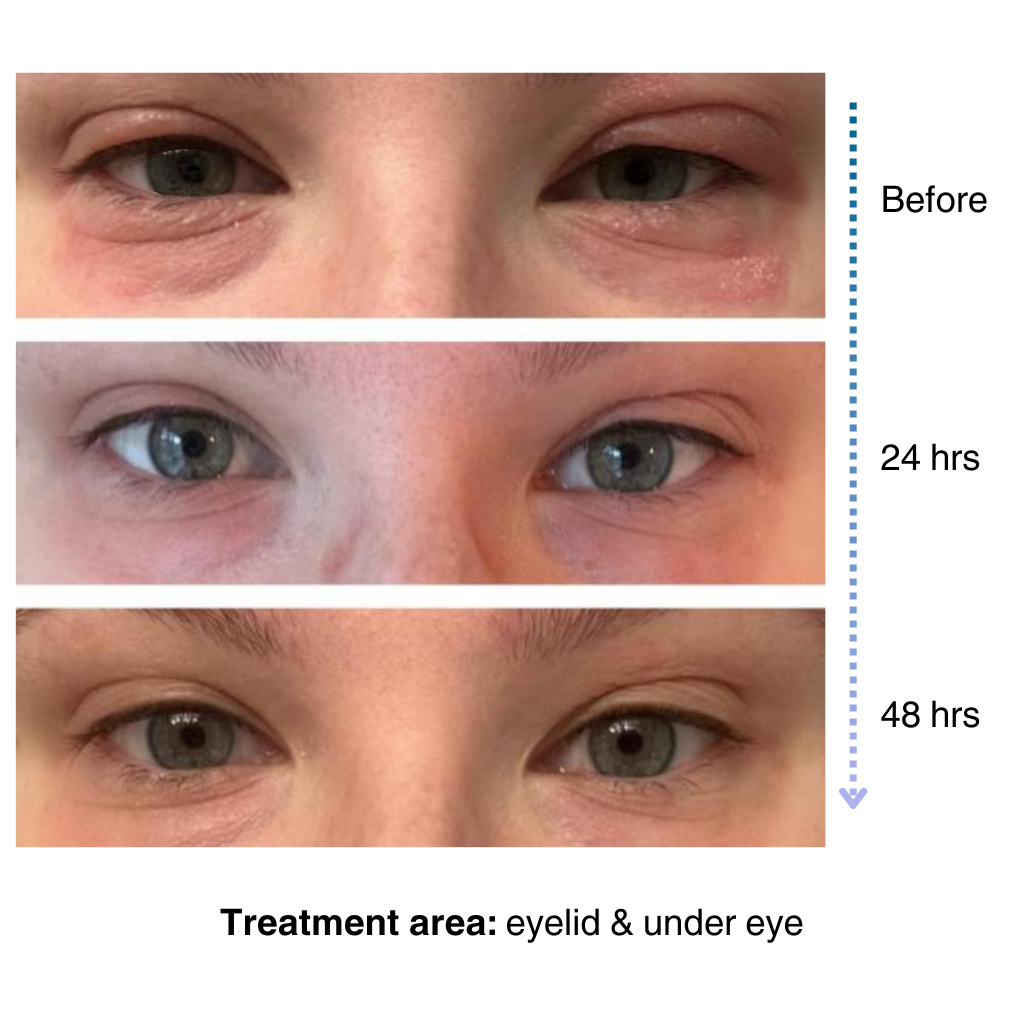
It’s easy to apply and isn’t chalky at all. I’ve been applying it multiple times a day… I’ve tried multiple new products to try and treat my eye eczema, and this is definitely the best I’ve tried so far.
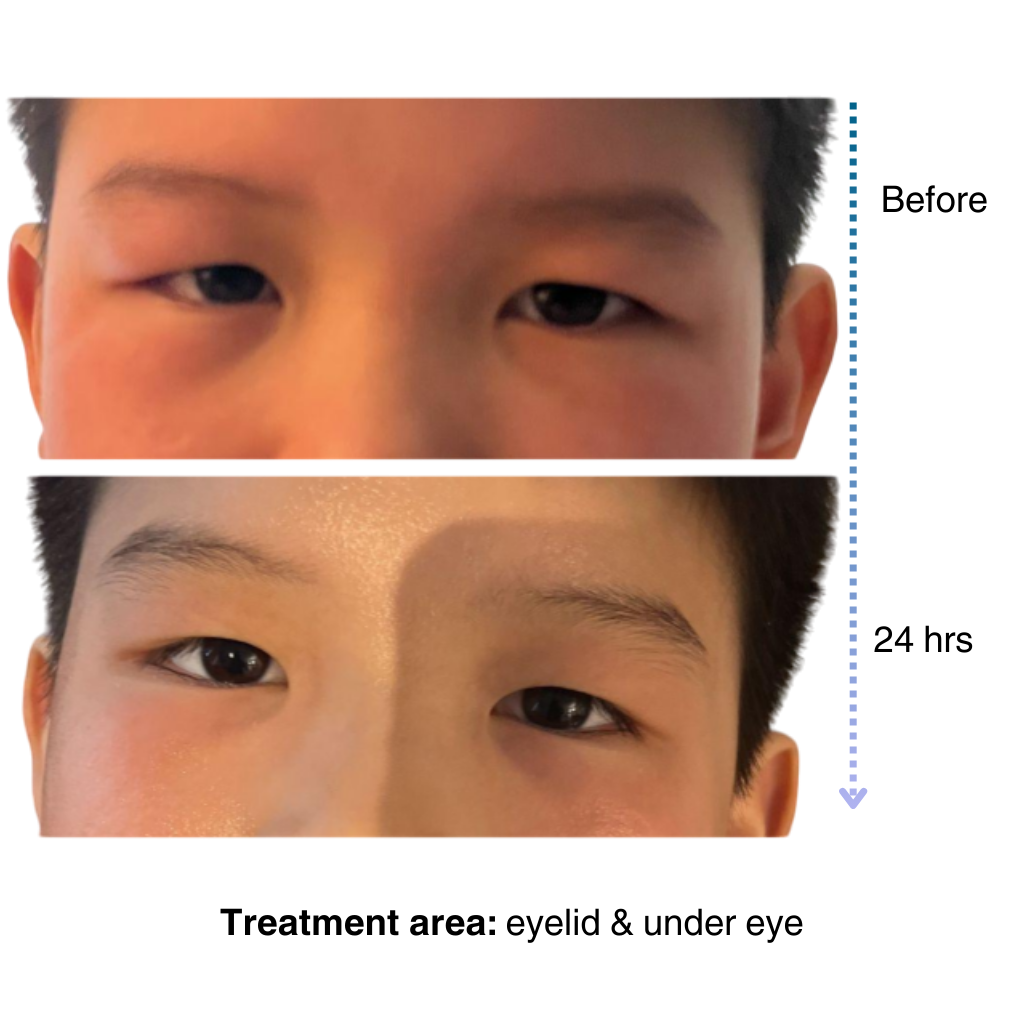
My 7-year old son has been dealing with eczema on his face for a long time, and it’s been so tough to find something that really works…..I’m amazed by the results! Within one day, the redness and rough patches on his face significantly improved…. he doesn’t mind using it at all because it doesn’t sting or feel greasy. – Lily

Get expert advice, exclusive offers, and real stories from people who understand your journey.
Start your skincare journey with an exclusive discount
Practical advice for managing sensitive and eczema-prone skin
Be the first to try our latest technology and product releases
Get 10% off your first order when you sign up
Secure & Private
Instant Access
Premium Content
Like many of you, our eczema journey is personal. That’s why we’re committed to creating a space for the eczema community to share experiences, be empowered through evidence-based solutions, and learn practical tips for daily life.
– Sajjad, Founder & CEO of NellaDerm
