
Eczema concerns?
FREE
Get instant expert guidance with our smart AI platform.
Join NowFabric is more than fashion for eczema-prone skin. It can be part of the problem, or a key part of the solution. Ideal eczema-friendly clothing minimizes:
Smart fabrics emerging in 2026 promise more than softness. Let’s explore which textiles help maintain your barrier and which you should approach with caution.
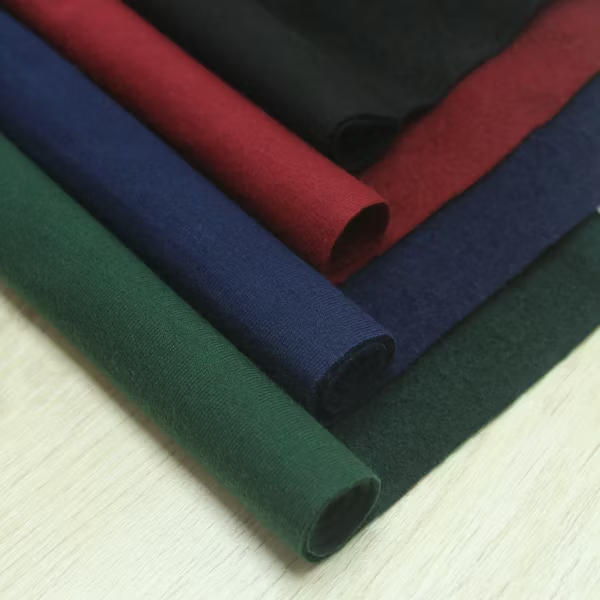
What they are: Fabrics (usually nylon or polyester blends) embedded with micro-particles of silver known for antimicrobial properties.
Potential benefits:
Evidence: A 2023 randomized trial published in NIH found that silver‑woven garments reduced microbial load and improved itching compared to cotton controls in children with hand eczema.
Considerations:
What they are: Textiles infused with compounds that absorb and release heat to regulate skin temperature.
Potential benefits:
Evidence: A 2025 study published in PubMed demonstrated that eczema patients wearing cooling pajamas reported less nighttime itch and better sleep compared to standard cotton.
Considerations:
What they are: Semi-synthetic fibers derived from bamboo pulp or beechwood (modal), woven into soft, breathable fabrics.
Potential benefits:
Evidence: A controlled, blinded trial found that infants in bamboo‑modal onesies experienced fewer eczema flares and less night-time scratching than those in untreated cotton.
Considerations:
Fabric Type | Best Use Cases | Benefits | Cautions |
Silver-infused | High‑heat settings, workwear, sports | Antimicrobial, odor control | Higher cost, possible occlusion |
Cooling materials | Pajamas, workout gear, hats, scarves | Temperature regulation, sweat reduction | Some coatings may irritate |
Bamboo‑modal | Everyday clothing for babies, sleepers, underlayers | Soft, breathable, hypoallergenic | Ensure certified clean processing |
If you want detailed settings and laundry product recommendations, you may like: Laundry Lessons: How Detergent Decisions Influence Eczema Irritation.
Best fabric choices depend on personal tolerance and flare patterns. The most effective wardrobe interventions are targeted, layered, and paired with great laundering and skincare routines.
Looking for fabric-appropriate moisturizer recommendations? Check out NellaDerm’s NellaCalm.
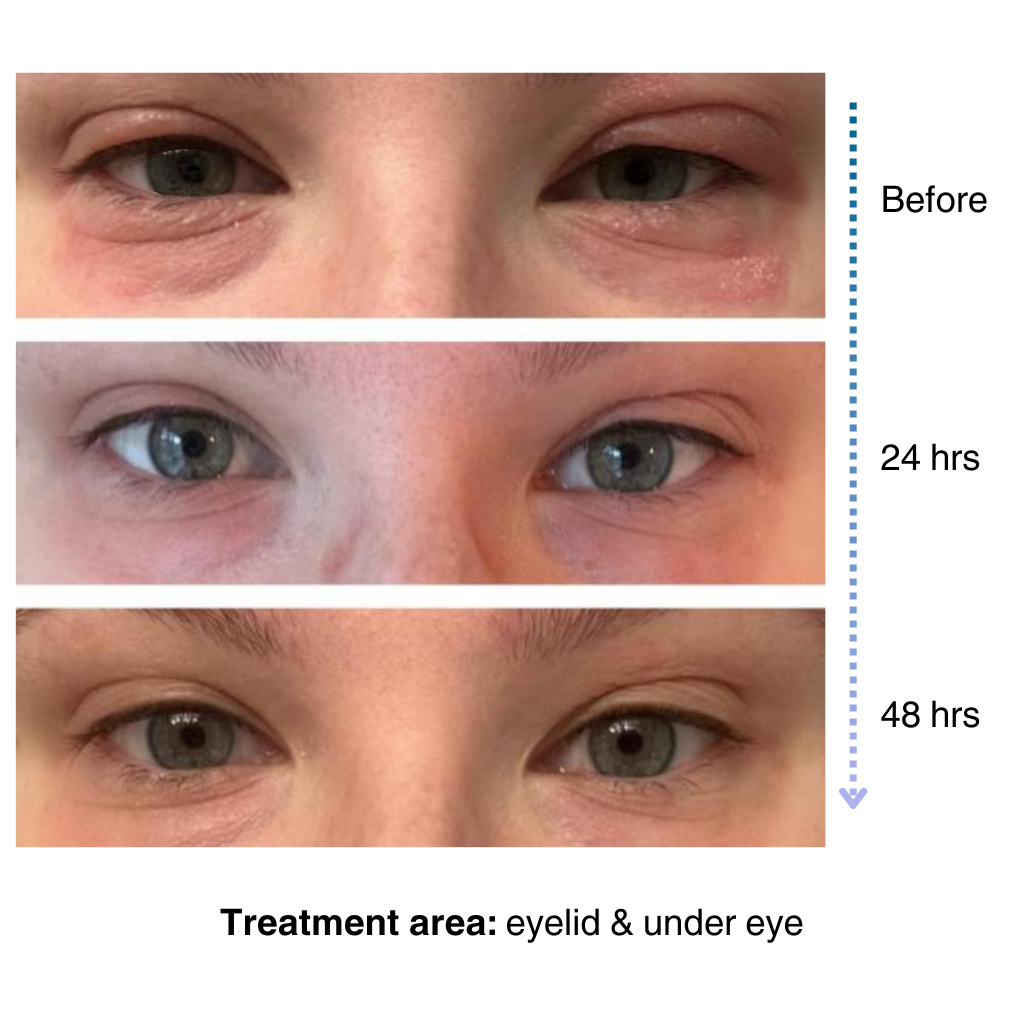
It’s easy to apply and isn’t chalky at all. I’ve been applying it multiple times a day… I’ve tried multiple new products to try and treat my eye eczema, and this is definitely the best I’ve tried so far.
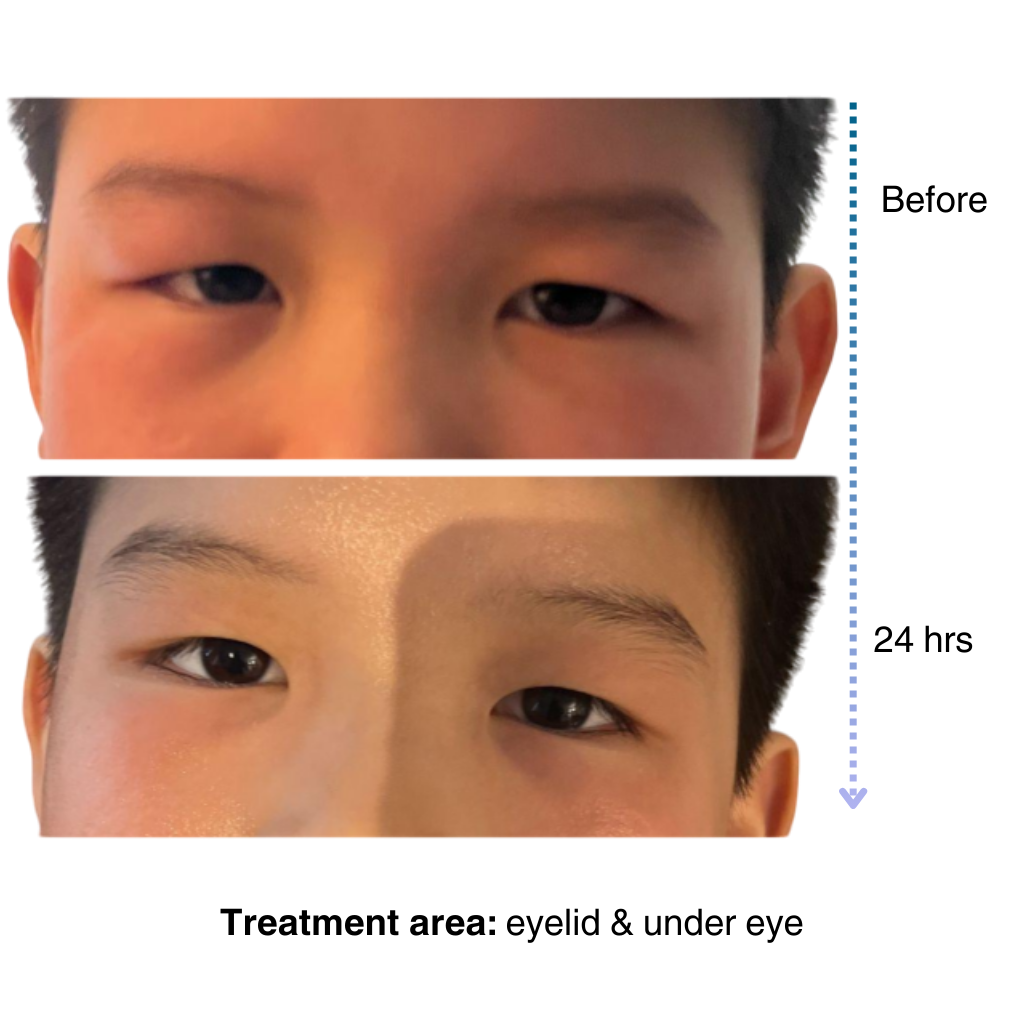
My 7-year old son has been dealing with eczema on his face for a long time, and it’s been so tough to find something that really works…..I’m amazed by the results! Within one day, the redness and rough patches on his face significantly improved…. he doesn’t mind using it at all because it doesn’t sting or feel greasy. – Lily

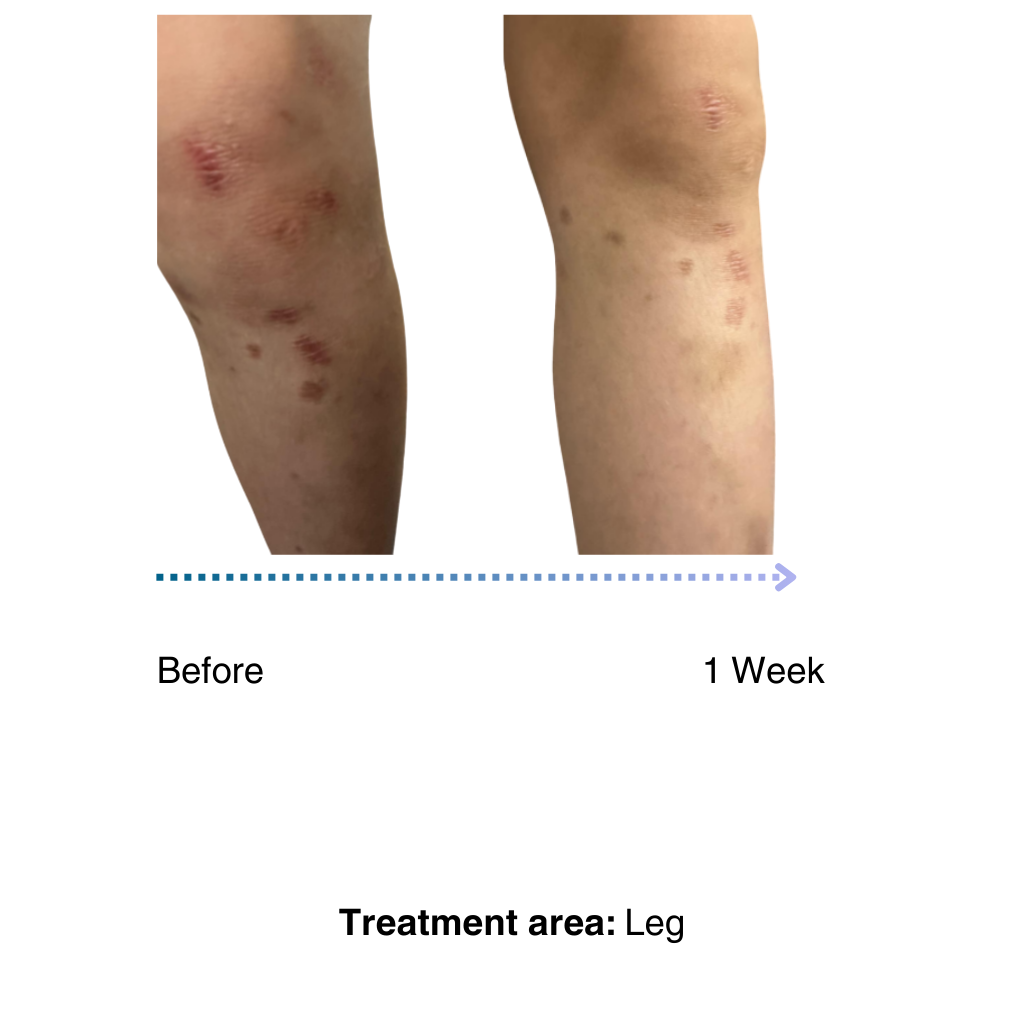
Get expert advice, exclusive offers, and real stories from people who understand your journey.
Start your skincare journey with an exclusive discount
Practical advice for managing sensitive and eczema-prone skin
Be the first to try our latest technology and product releases
Get 10% off your first order when you sign up
Secure & Private
Instant Access
Premium Content
Like many of you, our eczema journey is personal. That’s why we’re committed to creating a space for the eczema community to share experiences, be empowered through evidence-based solutions, and learn practical tips for daily life.
– Sajjad, Founder & CEO of NellaDerm
