
Eczema concerns?
FREE
Get instant expert guidance with our smart AI platform.
Join NowIf you have eczema, you know the sun can be both friend and foe. While some people with eczema experience temporary relief from UV exposure, others suffer from sun-triggered flare-ups and irritation. Choosing the right sunscreen is essential, but with so many options on the market, how do you find the best sunscreens for eczema that actually protect without making your skin worse?
In this in-depth guide, we’ll break down the science of SPF for sensitive skin, ingredients to embrace (and avoid), dermatologist recommendations, and product picks that balance protection and comfort.
We’ll also include insights from a recent peer-reviewed study on sunscreen tolerability in atopic dermatitis and a link to the NellaDerm Eczema Knowledge Hub for more helpful articles.

Finding the right sunscreen for eczema can feel like navigating a minefield. The very products designed to protect your skin can sometimes trigger the exact flare ups you are trying to prevent. This comprehensive guide will help you understand why sunscreen is essential for eczema management and how to choose formulas that protect without irritating.
Eczema, also known as atopic dermatitis, causes a compromised skin barrier. This means environmental triggers like UV rays, heat, or chemicals in skincare, can more easily lead to irritation, inflammation, and dryness. Sunscreen is crucial for:
However, not all sunscreens are suitable for eczema. Some contain fragrances, alcohols, or preservatives that can trigger burning or rashes. Understanding the unique needs of eczema prone skin is the first step toward effective sun protection.
To appreciate why sunscreen selection matters so much for eczema, it helps to understand what happens at the skin barrier level. Eczema compromised skin has defects in the stratum corneum, the outermost protective layer. This impaired barrier allows moisture to escape more easily while permitting irritants, allergens, and UV radiation to penetrate deeper into the skin.
The inflammation response in eczema is also heightened. When UV radiation penetrates this vulnerable barrier, it can trigger an exaggerated inflammatory response that leads to visible redness, itching, and discomfort. This is why sun protection isn’t just about preventing sunburn it’s about maintaining overall skin stability.
Research shows that regular sunscreen use can actually help improve the skin barrier function over time by reducing the inflammatory triggers that compromise it. Choosing the right formula is essential to reap these benefits without introducing new irritants.
Dermatologists generally recommend mineral (physical) sunscreens for sensitive and eczema prone skin. These sit on the surface of the skin and reflect UV rays rather than being absorbed. Key features to look for include:
These ingredients are less likely to irritate because they do not penetrate the skin barrier. Zinc oxide is particularly beneficial as it provides broad spectrum protection and has anti inflammatory properties that can actually help calm eczema prone skin.
Fragrances are a common cause of allergic reactions and skin irritation in eczema. Both natural and synthetic fragrances can trigger flare ups, so it’s essential to choose products specifically labeled as fragrance free, not just unscented.
Alcohols can be drying and irritating, especially when applied to broken or sensitive skin. Look for formulas that use alternative emulsifiers and don’t contain drying alcohols like denatured alcohol, isopropyl alcohol, or SD alcohol.
Make sure the sunscreen protects against both UVA and UVB rays. UVA rays penetrate deeply and contribute to premature aging and skin cancer, while UVB rays cause sunburn. Both can trigger eczema flares in sensitive individuals.
SPF 30 blocks about 97% of UVB rays and is generally sufficient for daily use. Higher SPF values offer marginally more protection but may require more chemical filters or thicker formulations that could be problematic for sensitive skin.
When shopping for sunscreen with eczema, reading ingredient labels becomes a crucial skill. Some common sunscreen ingredients are particularly problematic for sensitive skin:
How you apply sunscreen can be just as important as which product you choose. For eczema prone skin, gentle application techniques can make the difference between comfortable protection and a painful reaction.
Always start with clean, moisturized skin. Apply your regular eczema friendly moisturizer first and wait at least 10 minutes before applying sunscreen. This creates a protective barrier and can help prevent stinging or irritation from the sunscreen formula.
Use gentle patting or smoothing motions rather than rubbing vigorously. Pay special attention to areas that are often missed but receive significant sun exposure: ears, back of neck, hairline, and tops of feet. For the face, use approximately a teaspoon of sunscreen to ensure adequate coverage.
Reapplication is crucial, especially after swimming, sweating, or towel drying. However, if you have active eczema flares, repeatedly applying sunscreen to broken skin may cause irritation. In these cases, consider sun protective clothing as an alternative for those areas.
Before using any new sunscreen all over your body or face, it’s essential to conduct a patch test, especially if you have a history of contact allergies or sensitive skin. This simple step can prevent widespread reactions and help you identify problematic products before they cause significant discomfort.
To properly patch test a sunscreen, apply a small amount (about the size of a pea) to a discreet area of skin, such as the inside of your forearm or behind your ear. Leave it on for 24 to 48 hours without washing the area. Monitor for any signs of reaction: redness, itching, stinging, swelling, or the development of a rash.
If no reaction occurs after 48 hours, the sunscreen is likely safe for you to use more broadly. If you experience any negative reaction, discontinue use immediately. Keep a record of products that cause reactions and their ingredients to help identify patterns in what your skin cannot tolerate.
The texture and formulation of sunscreen can significantly impact comfort and compliance, especially for those with eczema. Different formulations serve different needs and preferences:
These are often the best choice for dry, eczema prone skin as they provide both protection and hydration. Look for rich, emollient formulas that contain ceramides, hyaluronic acid, or niacinamide to support the skin barrier.
Sunscreen sticks are excellent for targeted application on sensitive areas like around the eyes, on the nose, and on active eczema patches. They allow for precise application without dragging or pulling at delicate skin.
While convenient, sprays can be problematic for eczema as they often contain alcohol and other drying agents. If you prefer sprays, look for alcohol free formulas and spray into your hands first before applying to ensure even coverage.
Tinted mineral sunscreens can help minimize the white cast that some zinc oxide formulas leave behind. Ensure the tint doesn’t contain potential irritants like mica or bismuth oxychloride, which can cause itching in sensitive skin.
Sunscreen is just one component of a comprehensive sun protection strategy for eczema prone skin. Incorporating multiple approaches can provide better protection while reducing reliance on topical products that might irritate.
Sun protective clothing with UPF (Ultraviolet Protection Factor) ratings can shield large areas of skin without any product application. Look for lightweight, breathable fabrics that won’t trap heat or moisture against your skin, as overheating can trigger eczema flares.
Seeking shade during peak sun hours (10 AM to 4 PM) and wearing wide brimmed hats can significantly reduce your UV exposure. For facial protection, consider large sunglasses that block both UVA and UVB rays to protect the delicate skin around your eyes.
Remember that UV rays can penetrate clouds and windows, so daily protection is important even on overcast days or when you’re spending time indoors near windows. Making sun protection a consistent habit, rather than something you only think about at the beach, will provide the best long term results for your skin health.
Finding the perfect sunscreen for eczema prone skin often requires some trial and error, but starting with mineral based, fragrance free formulas gives you the best chance of success. Remember that your sunscreen needs may change with the seasons, your eczema severity, and as you age.
If you continue to struggle with sunscreen reactions despite careful product selection, consider consulting a dermatologist. They can help identify specific contact allergies through patch testing and recommend products tailored to your unique skin needs.
The goal is to find a sunscreen that you can use comfortably every day, not just on special occasions. With the right approach and products, sun protection can become a seamless part of your eczema management routine rather than a source of stress and discomfort.
Based on dermatologist insights and consumer testing, here are some of the best sunscreens for eczema:
To prevent sunscreen from drying out your skin, always apply a thick moisturizer first. For example, try the NellaDerm NellaCalm cream before applying SPF. This creates a soft base and prevents stinging.
Choosing the best sunscreens for eczema doesn’t have to be stressful. Stick with fragrance-free, mineral-based options and always layer with a protective moisturizer. Your skin barrier is already compromised with eczema, so every product matters.
Remember, protection from UV rays is not just about preventing sunburn. It’s about supporting your skin’s healing process, minimizing flare-ups, and preventing long-term damage.
Need a complete eczema-safe skincare routine? Start with NellaDerm’s product line and build your SPF regimen from there.
For more sun-season skin survival tips, check out our article: Seasonal Eczema: How Weather Changes Affect Your Skin.
Q1: Can sunscreen cause eczema flare-ups?
Yes, especially if it contains chemical filters, fragrance, or alcohol. Choose mineral-based sunscreens with simple ingredient lists.
Q2: Is SPF makeup enough protection?
No. Makeup with SPF is not applied thickly or evenly enough to provide full coverage. Use a standalone sunscreen.
Q3: Should I wear sunscreen indoors?
If you’re near windows or using screens (which emit some UVA), applying SPF in the morning is still helpful.
Q4: What about spray sunscreens?
Avoid spray sunscreens for eczema. The alcohol and propellants can irritate. Stick with creams and lotions.
Q5: Can babies with eczema wear sunscreen?
Yes, but only mineral-based ones approved for infant use. Check with a pediatrician.
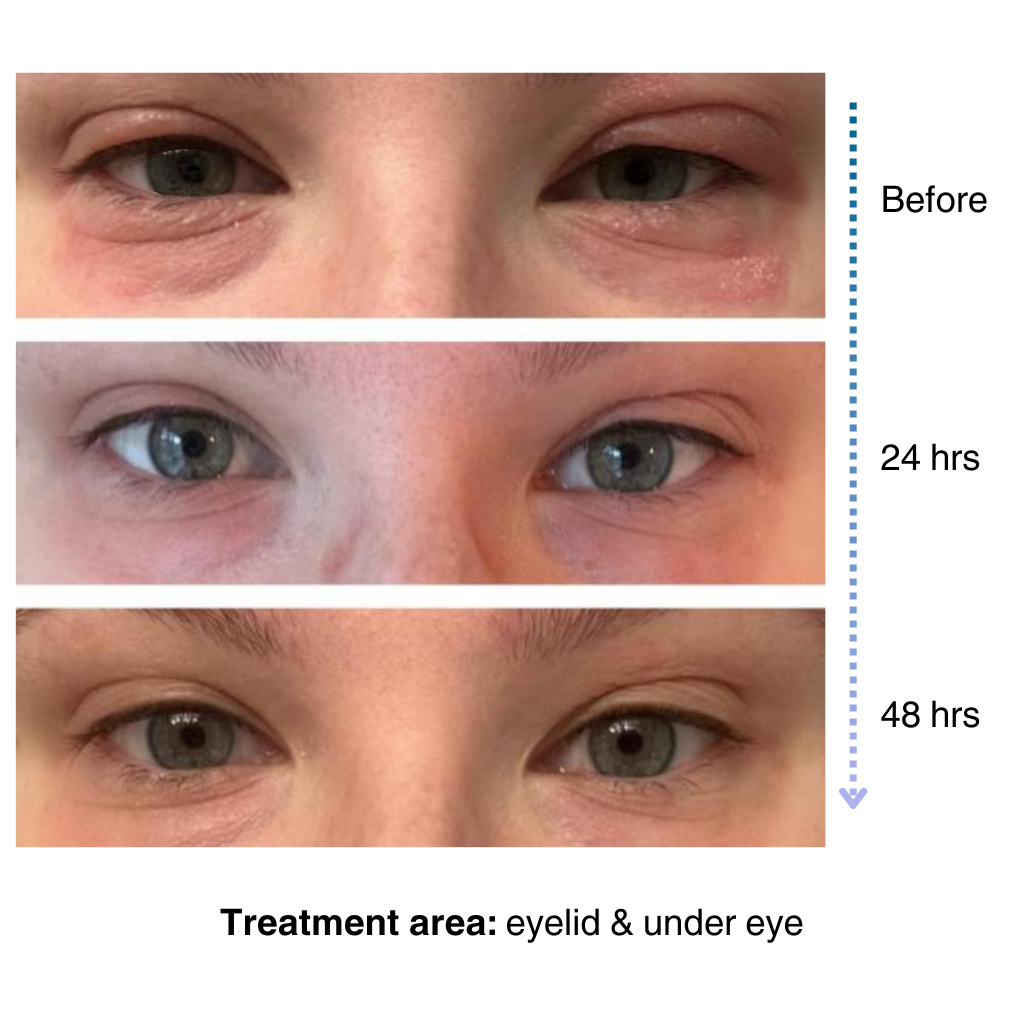
It’s easy to apply and isn’t chalky at all. I’ve been applying it multiple times a day… I’ve tried multiple new products to try and treat my eye eczema, and this is definitely the best I’ve tried so far.
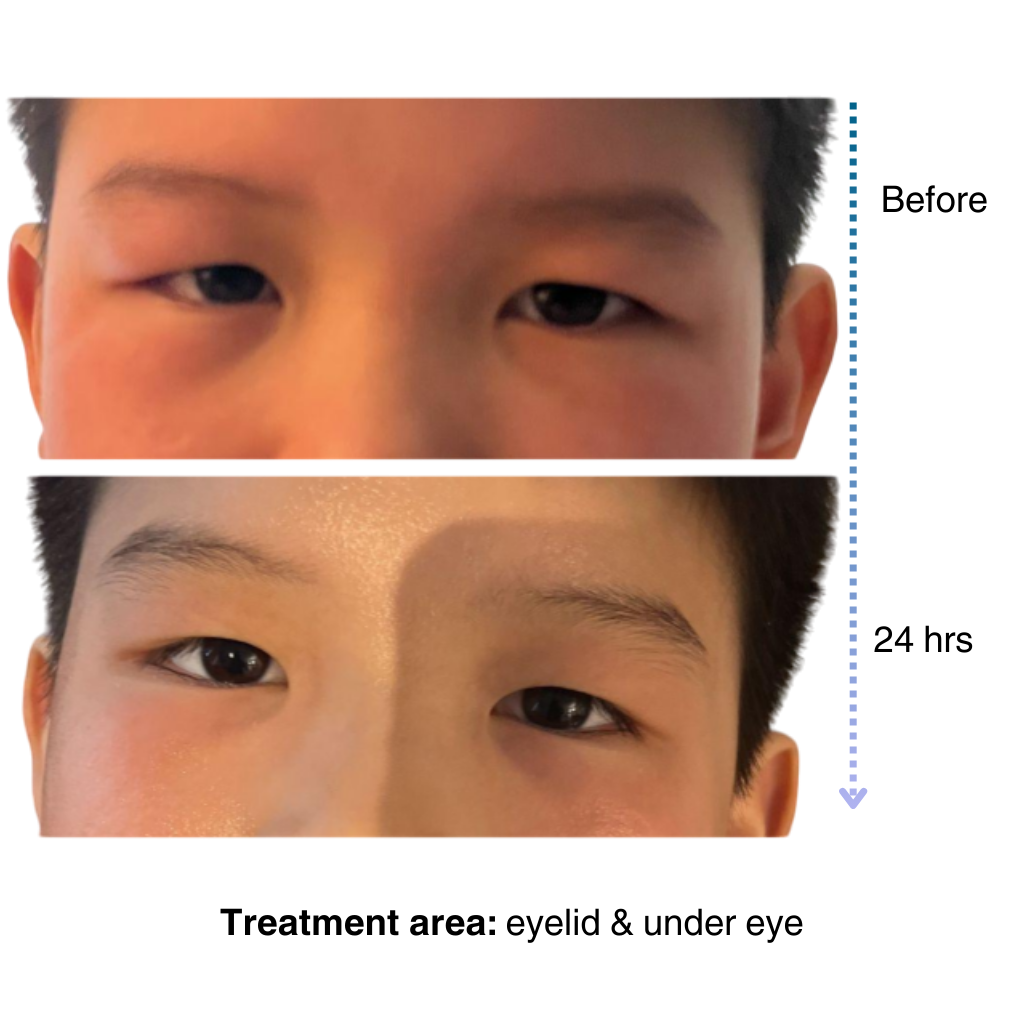
My 7-year old son has been dealing with eczema on his face for a long time, and it’s been so tough to find something that really works…..I’m amazed by the results! Within one day, the redness and rough patches on his face significantly improved…. he doesn’t mind using it at all because it doesn’t sting or feel greasy. – Lily

Like many of you, our eczema journey is personal. That’s why we’re committed to creating a space for the eczema community to share experiences, be empowered through evidence-based solutions, and learn practical tips for daily life.
– Sajjad, Founder & CEO of NellaDerm
