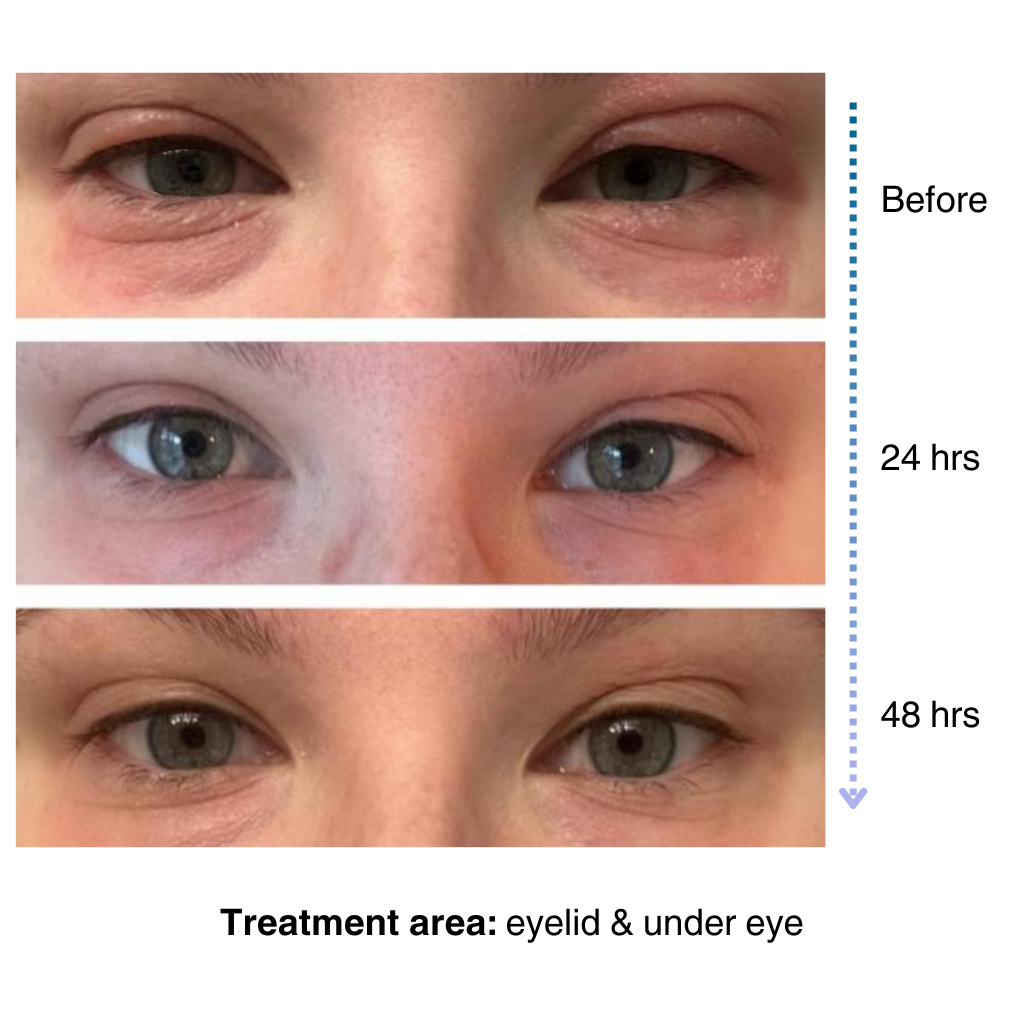
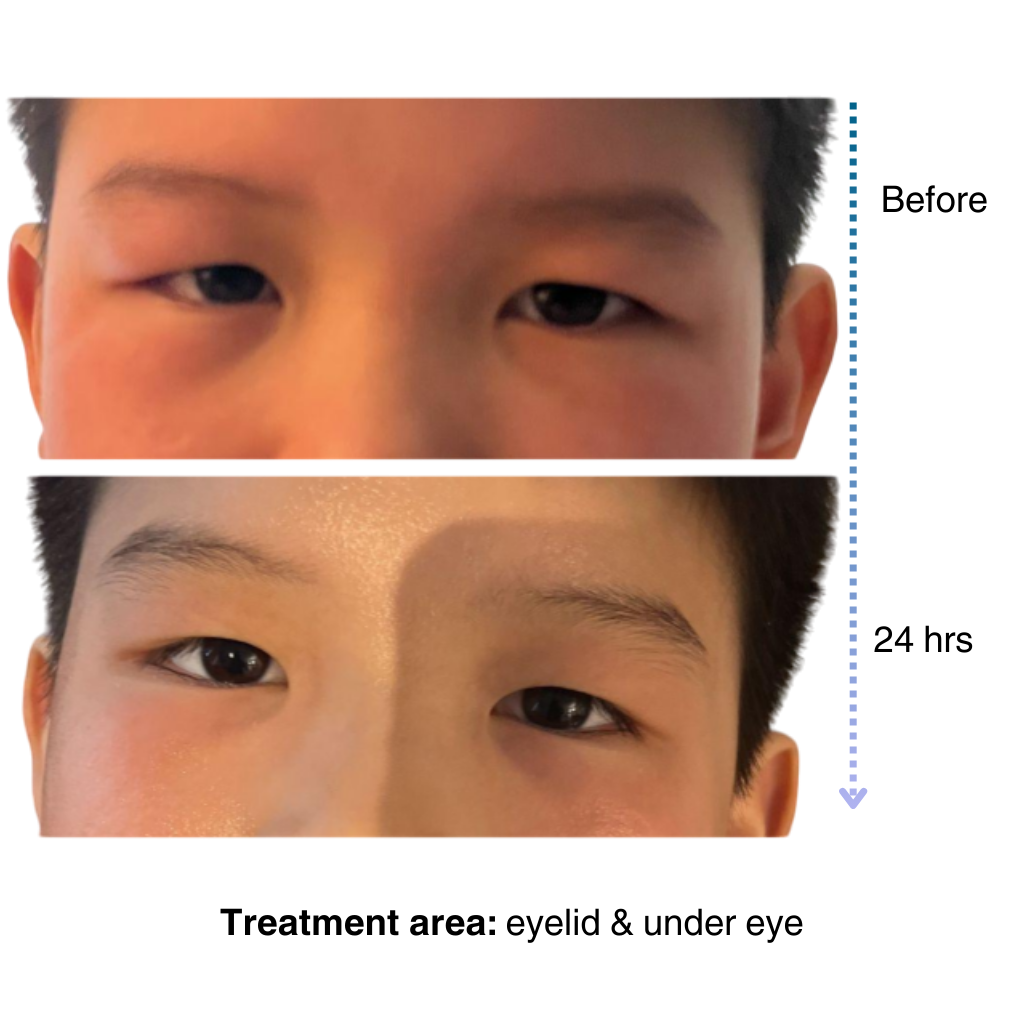
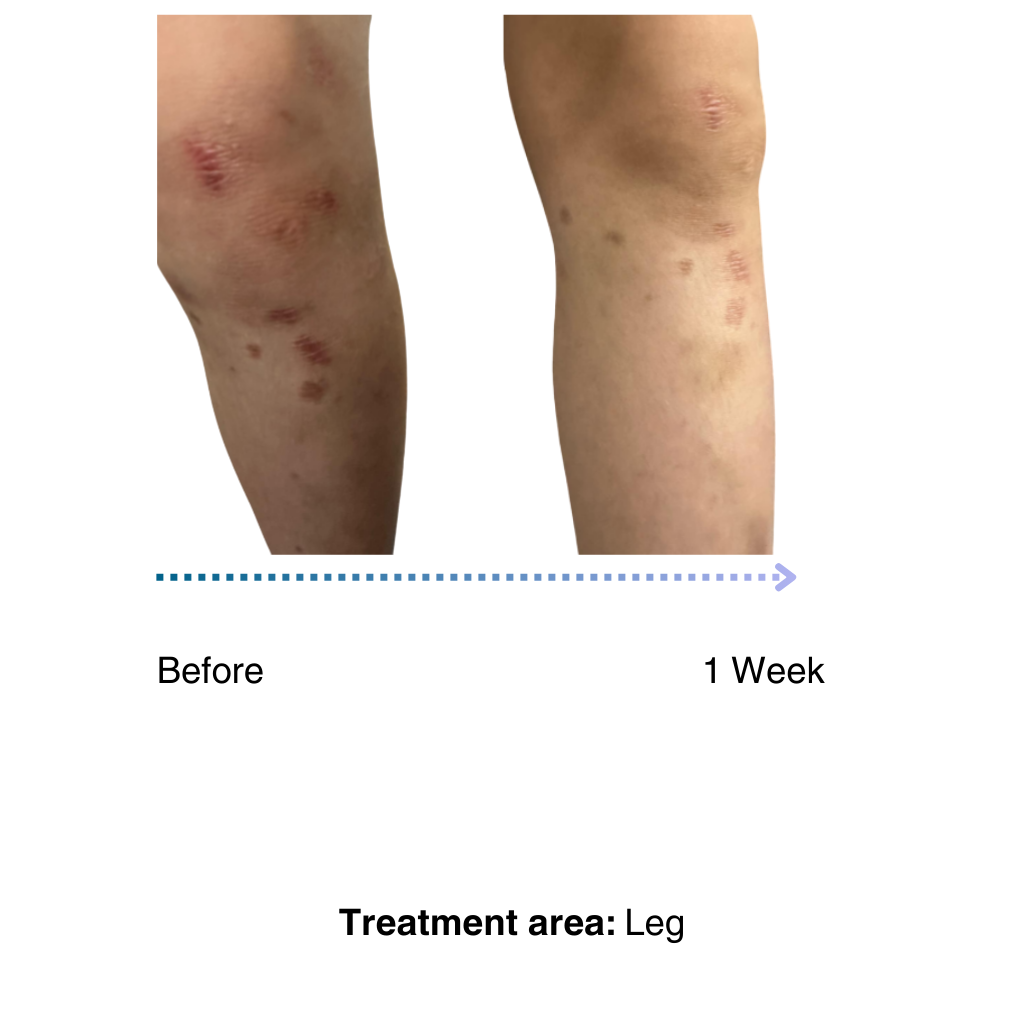
Eczema concerns?
FREE
Get instant expert guidance with our smart AI platform.
Join NowEczema or atopic dermatitis affects over 31 million Americans often with symptoms that extend far beyond dry skin. For those with moderate to severe eczema traditional treatments like moisturizers steroid creams and antihistamines may not provide enough relief. Enter biologics for eczema a groundbreaking class of injectable medications designed to target the root causes of inflammation.
But are biologics truly the future of eczema care? How do they function and who qualifies for them? In this comprehensive guide we explore the science behind biologics weigh their benefits and risks and help you determine if they could be part of your eczema treatment journey.
This article breaks down everything you need to know about biologics from their mechanism of action to practical tips for integrating them into your eczema management plan.
Biologics are medications derived from living organisms or their cells. Unlike conventional drugs that broadly affect the body biologics are precision therapies that target specific proteins in the immune system responsible for inflammation and skin barrier dysfunction in eczema.
In atopic dermatitis biologics interrupt the overactive immune response that causes redness itching and flare ups providing a more targeted approach compared to traditional treatments.
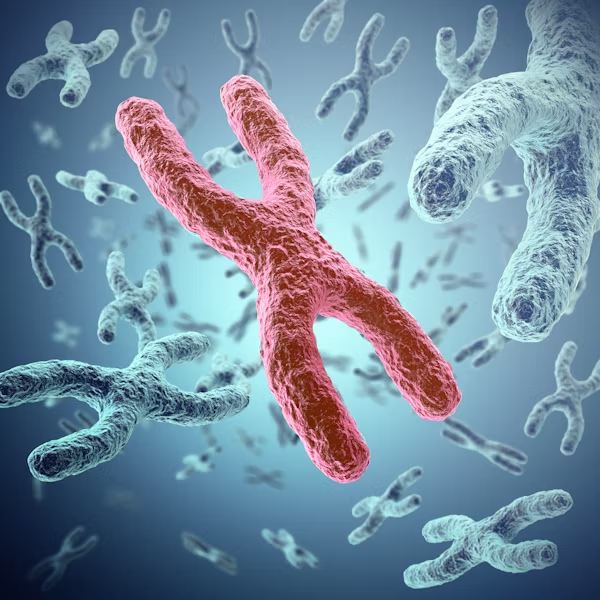
Biologics function by blocking specific cytokines molecular messengers that trigger inflammation. In atopic dermatitis two key cytokines are central to the condition:
These cytokines drive the type 2 inflammatory pathway which impairs the skin barrier increases itching and allows allergens and bacteria to penetrate more easily. Dupilumab Dupixent the first FDA approved biologic for eczema blocks both IL4 and IL13 signaling reducing inflammation and gradually restoring the skin barrier.
A pivotal clinical trial published in NIH demonstrated that after 16 weeks 38 percent of patients on Dupilumab achieved clear or almost clear skin compared to only 10 percent in the placebo group.
To fully grasp how biologics work it is essential to understand type 2 inflammation the primary driver of atopic dermatitis. This immune response involves a cascade of immune cells including T helper 2 Th2 cells which release IL4 IL13 and other cytokines. These molecules amplify inflammation disrupt the skin barrier and heighten sensitivity to environmental triggers like pollen dust mites or certain fabrics.
Type 2 inflammation is not exclusive to eczema it also plays a role in asthma allergic rhinitis and food allergies which explains why many eczema patients have these comorbid conditions. Biologics like Dupilumab target this pathway directly offering relief not only for skin symptoms but sometimes for related allergic conditions as well.
Research from a 2022 NIH study highlights that biologics are redefining chronic eczema management by addressing this underlying immune dysfunction rather than merely suppressing symptoms.
As of 2025 the following biologics are approved or under review in the United States for atopic dermatitis:
Biologics are typically prescribed for patients who meet specific criteria:
While not first line treatments biologics are considered safe for long term use in both adults and children with chronic eczema offering a viable option for those with persistent symptoms.
To understand the role of biologics it is helpful to compare them to other common eczema treatments:
| Treatment | Best For | Delivery | Long Term Use | Inflammation Control |
| Topical Steroids | Mild to moderate eczema | Creams ointments | No risk of skin thinning | Moderate |
| Calcineurin Inhibitors | Sensitive areas | Creams | Yes | Mild to moderate |
| Phototherapy | Generalized eczema | In office sessions | Yes under supervision | Moderate |
| Biologics | Moderate to severe | Injections | Yes | High |
Biologics are powerful but they work best when paired with a comprehensive eczema management plan. Lifestyle adjustments can enhance their effectiveness and minimize flare ups:
By addressing these factors you can create an environment that supports the immune recalibration biologics aim to achieve.
The success of Dupilumab has spurred research into new biologics targeting additional inflammatory pathways. Scientists are exploring molecules like IL31 which is closely linked to itching and IL33 which plays a role in skin barrier dysfunction. These next generation biologics could offer even more precise treatment options.
Additionally combination therapies are under investigation. For example pairing biologics with oral JAK inhibitors or microbiome based treatments could enhance efficacy. Early phase trials are also exploring biologics with less frequent dosing schedules potentially reducing the treatment burden.
While these advancements are promising they are still years away from widespread availability. Staying informed about clinical trials and discussing them with your dermatologist can provide access to cutting edge treatments.
If your dermatologist recommends biologics consider these practical steps to ensure a smooth transition:
Even with biologics consistent skincare remains crucial. Dermatologists recommend the following to complement treatment:
Most patients notice improvement within 4 to 16 weeks though full benefits may take several months as the immune system recalibrates.
Yes biologics can be combined with topical therapies or phototherapy under medical supervision to enhance results.
Clinical data suggests biologics like Dupilumab are safe for extended use with minimal risk of systemic toxicity though regular monitoring is advised.
Biologics manage symptoms and reduce flares but they are not a cure. Eczema remains a chronic condition requiring ongoing care.
Biologics for eczema represent a transformative option for those with severe atopic dermatitis offering hope to individuals who have struggled for years without adequate relief. By targeting the immune pathways driving inflammation they provide a steroid free solution that is safe for long term use.
If your eczema is persistent widespread and life altering consult your dermatologist to determine if biologic therapy could be the next step toward healthier skin.
Stay informed keep your skin moisturized and explore our eczema safe skincare collection at NellaDerm for products designed to complement every treatment plan from topical to biologic.