
Blue light and Eczema: The Surprising Truth About Your Screens
We’ve all heard about the dangers of screen time, from disrupted sleep to digital eye strain. But for people with eczema, there’s a new question rising to the surface: Does blue light affect eczema?
The surprising answer? Possibly—yes. While blue light isn’t a direct cause of eczema, emerging research suggests that prolonged exposure to screens and artificial light could worsen inflammation, disturb sleep patterns, and indirectly contribute to more frequent or intense eczema flare-ups.
In this article, we’ll break down the connection between blue light and eczema, explore what the science says so far, and provide actionable tips for protecting your skin in a screen-filled world.

What Is Blue Light?
Blue light is a high-energy, short-wavelength light emitted by:
- Sunlight
- LED lighting
- Smartphone, tablet, and computer screens
- Television screens
It plays an important role in regulating your circadian rhythm, or internal sleep-wake cycle. But excessive exposure—especially at night—can lead to sleep disruption, hormonal imbalance, and increased oxidative stress.
And if you live with eczema, those factors matter more than you might think.
Eczema 101: Why Your Skin Reacts the Way It Does
Eczema, or atopic dermatitis, is a chronic inflammatory skin condition marked by:
- A compromised skin barrier
- Immune hypersensitivity
- Itching, redness, dryness, and inflammation
Environmental stressors—like allergens, climate, pollution, and yes, light exposure—can act as triggers. While eczema isn’t caused by blue light directly, the side effects of excessive blue light may influence the underlying immune and hormonal systems that govern eczema flare patterns.
So, Does Blue Light Affect Eczema?
Here’s what science currently suggests:
1. Blue Light Can Disrupt Sleep—and Sleep Impacts Eczema
Poor sleep is a well-known eczema trigger. Blue light exposure, particularly before bed, suppresses melatonin production—your body’s natural sleep hormone. This can lead to:
- Shortened or restless sleep
- Increased cortisol levels (a stress hormone)
- Impaired skin repair during the night
A 2023 NIH review found that sleep deprivation worsens inflammatory skin conditions, including eczema, by altering immune pathways and slowing barrier repair processes.
Bottom line? Your phone might not be inflaming your skin—but losing sleep because of your phone might.
2. Blue Light May Contribute to Oxidative Stress in Skin
High-energy blue light penetrates deeper into the skin than UVB rays and may trigger the release of free radicals—unstable molecules that cause oxidative stress and cellular damage.
Oxidative stress has been linked to:
- Premature aging
- Hyperpigmentation
- Increased skin inflammation
- Weakened barrier function
While this is more established in photoaging studies, researchers are beginning to explore how chronic inflammation from blue light may impact inflammatory skin conditions like eczema.
3. Blue Light From Screens Can Worsen Itch-Scratch Cycles
Extended screen time often means sitting still, becoming hyper-focused, and experiencing more idle hand behavior—like scratching.
Many eczema sufferers report that their itch flares most while:
- Watching TV
- Working on a computer
- Scrolling social media at night
This isn’t just habit—it may stem from a psychological feedback loop, where focus + sedentary behavior intensifies itch perception. Blue light isn’t the culprit alone—but the environment it creates may be.
Tips to Minimize Blue Light’s Impact on Eczema
While we can’t (and shouldn’t) avoid screens completely, especially in the digital age, we can take steps to reduce blue light exposure and support eczema-prone skin.
1. Limit Screen Time Before Bed
- Power down devices at least 1 hour before bedtime
- Replace scrolling with a relaxing routine: reading, meditation, or gentle skincare
- Use “Night Shift” or “Dark Mode” settings in the evening
2. Prioritize Sleep Hygiene
- Stick to a regular sleep schedule
- Use blackout curtains and keep electronics out of the bedroom
- Moisturize before bed to support overnight barrier repair
For more information about the connection between sleep and eczema, check out our blog post.
3. Apply Blue Light Filters
Install screen filters or use blue light-blocking software on phones and computers. Apps like f.lux or built-in features like Apple’s Night Shift and Android’s Bedtime Mode are helpful.
You can also try blue-light-blocking glasses if you spend hours in front of a screen each day.
4. Use Antioxidant-Rich Skincare
Combat oxidative stress with ingredients like:
- Vitamin C (in low concentrations)
- Green tea extract
- Niacinamide
- Centella asiatica (Cica)
Always choose eczema-safe formulations—avoid harsh actives, fragrances, and essential oils.
🧼 5. Moisturize After Screen Time
If you’re spending hours at a desk or under artificial light, your skin may dry out faster. Keep a lightweight moisturizer on hand and reapply to hands, face, and neck as needed throughout the day. NellaDerm’s NellaCalm moisturizes and soothes the skin, perfect for when your skin needs replenishment.
Q&A: Blue Light and Eczema
Q1: Is the blue light from my phone as bad as the sun?
No—sunlight emits far more blue light than screens. But the timing and duration of screen exposure, especially at night, can significantly impact sleep and inflammatory regulation.
Q2: Can blue light cause eczema?
Blue light does not cause eczema, but it can indirectly contribute to flares through oxidative stress and sleep disruption, especially in people already prone to eczema.
Q3: Should I stop using screens if I have eczema?
No—but it’s wise to use screens more mindfully. Practice good sleep hygiene, apply protective skincare, and take screen breaks to give your skin (and eyes) a rest.
Final Thoughts
So—does blue light affect eczema? Not directly, but the connection is real. From robbing you of quality sleep to stirring up inflammation through oxidative stress, blue light exposure from screens plays a subtle but meaningful ro
The solution isn’t to eliminate devices—but to adapt your habits. Whether it’s dimming your screen, adjusting your nighttime routine, or nourishing your skin with barrier-friendly, antioxidant-rich products, small changes can make a big difference.
To support your skin barrier day and night, explore NellaDerm’s eczema-safe collection—designed for sensitive, modern skin that lives in the glow of digital life.
More Helpful Eczema Articles You Should Read
- Midday Skin Resets for Eczema-Prone Skin
- Commuting With Eczema: Transit, Cars, and Pollution
- Habit Stacking for Eczema: Skincare That Sticks
- Eczema and Coffee: Does Caffeine Affect Skin?
- Humidity Eczema Relief: Nighttime Bedroom Fixes
- Keloids and Eczema: Managing Scars on Dark Skin
- Nail Eczema: How to Care for Nails Without Stings
- Eczema in Newborns: What Parents Should Know
- Eczema and Arthritis: Hand-Care for Skin & Joints
- Eczema in College: A Budget-Friendly Survival Guide
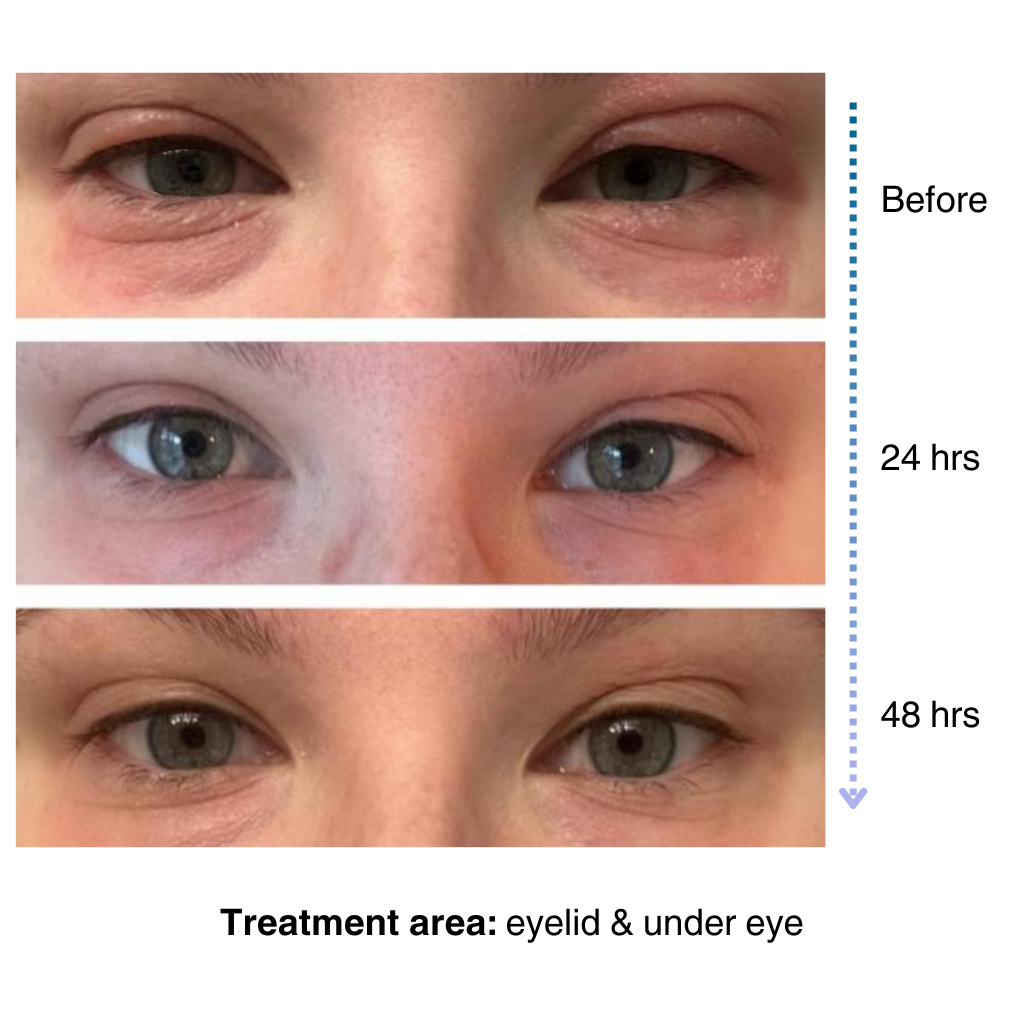
"...this is the best I've tried so far."
It’s easy to apply and isn’t chalky at all. I’ve been applying it multiple times a day… I’ve tried multiple new products to try and treat my eye eczema, and this is definitely the best I’ve tried so far.
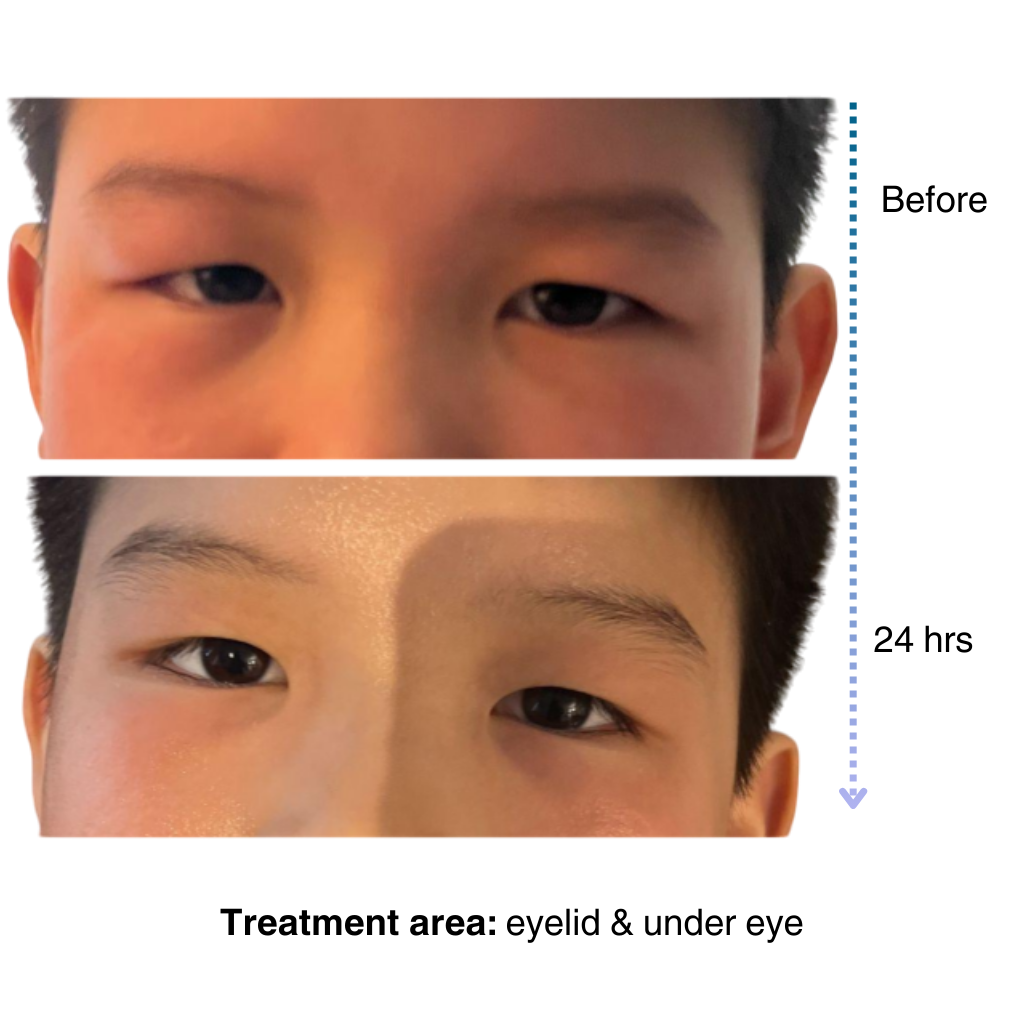
"Game-changer for my son's eczema"
My 7-year old son has been dealing with eczema on his face for a long time, and it’s been so tough to find something that really works…..I’m amazed by the results! Within one day, the redness and rough patches on his face significantly improved…. he doesn’t mind using it at all because it doesn’t sting or feel greasy. – Lily

Join our community
Get expert advice, exclusive offers, and real stories from people who understand your journey.
10% off your first order
Start your skincare journey with an exclusive discount
Eczema management tips
Practical advice for managing sensitive and eczema-prone skin
Early access to innovations
Be the first to try our latest technology and product releases
Join our email list
Get 10% off your first order when you sign up
Secure & Private
Instant Access
Premium Content
Like many of you, our eczema journey is personal. That’s why we’re committed to creating a space for the eczema community to share experiences, be empowered through evidence-based solutions, and learn practical tips for daily life.
– Sajjad, Founder & CEO of NellaDerm
