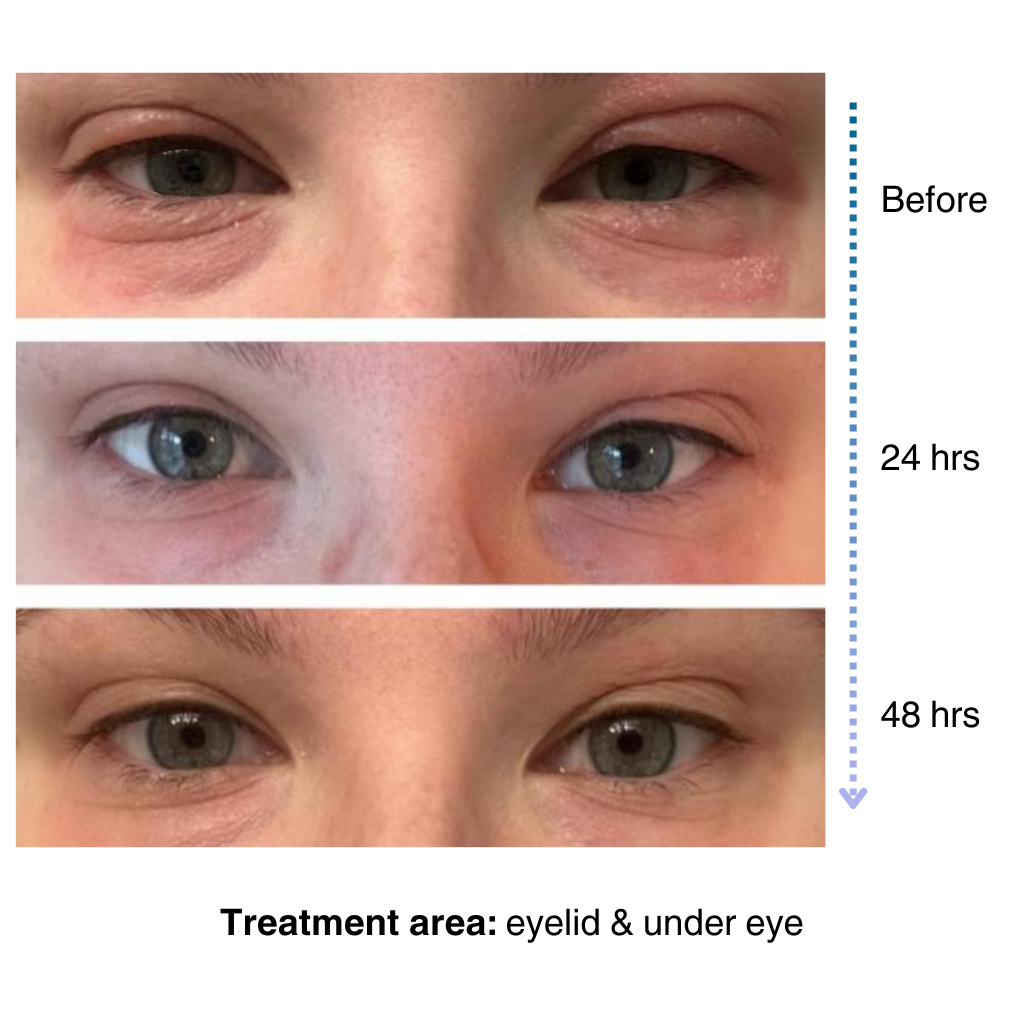
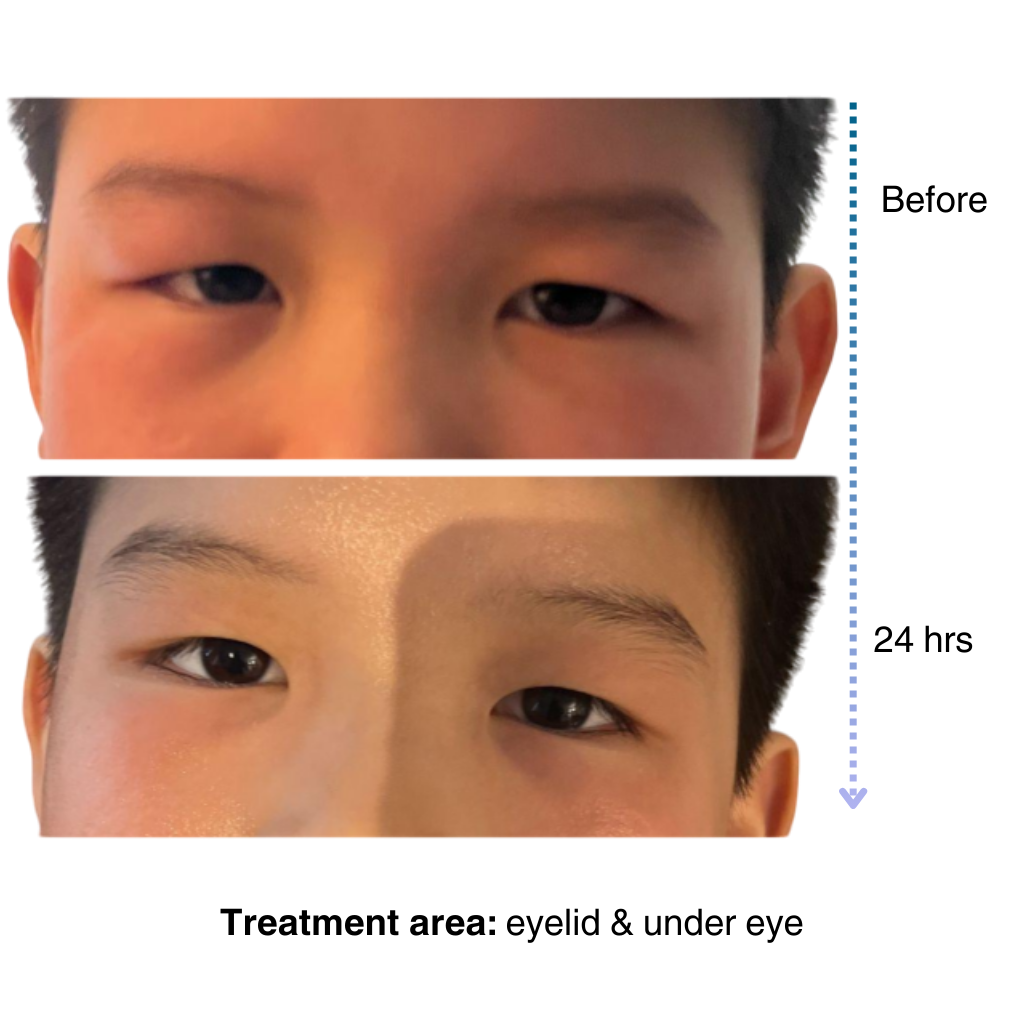
Eczema concerns?
FREE
Get instant expert guidance with our smart AI platform.
Join NowIf you’re managing chronic eczema, you’ve likely tried everything from prescription corticosteroids to natural remedies. But with the rise of CBD infused skincare, many people are asking a new question: “Can CBD work as well as steroids for eczema and is it safer long term?”
In this article, we compare CBD vs corticosteroids for eczema exploring how they work, their pros and cons, and whether cannabidiol might be a viable alternative for long term flare control.
Corticosteroids are synthetic drugs that mimic cortisol, a hormone produced by your adrenal glands. For eczema, topical corticosteroids are used to reduce:
They’ve been the gold standard of eczema treatment for decades, particularly in moderate to severe cases. Common types include:
Topical corticosteroids are fast acting, but they’re not designed for long term use.
That’s why many people seek non steroidal alternatives especially for children, long term management, or use on sensitive skin zones.
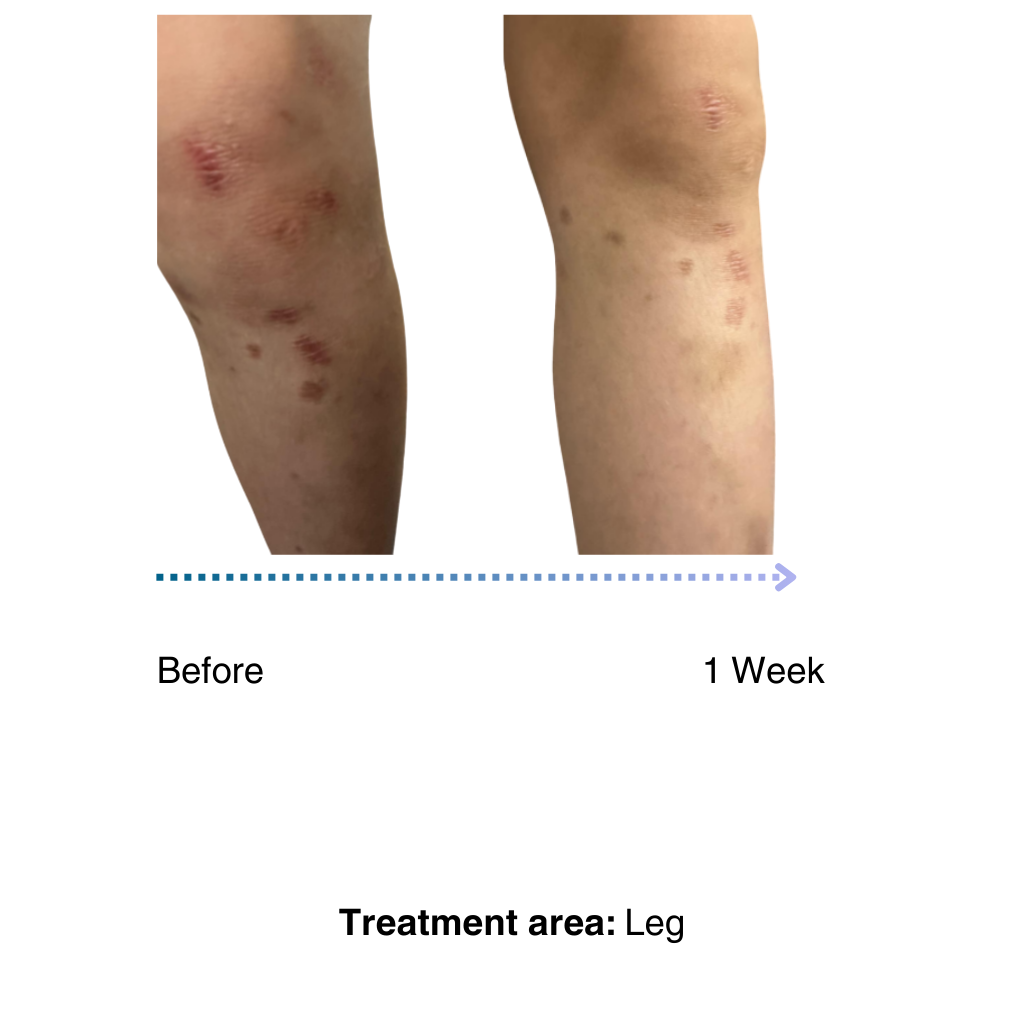
Topical steroid withdrawal, also known as red skin syndrome or TSW, is a challenging condition that can occur when people stop using corticosteroids after prolonged or inappropriate use. The symptoms can be severe and include intense redness, burning, swelling, and skin shedding that spreads beyond the original eczema areas.
The risk of TSW increases with higher potency steroids, longer duration of use, and application to sensitive areas. Many people turn to CBD and other alternatives specifically to avoid this potential complication, especially when they require ongoing symptom management.
It’s important to note that when used appropriately under medical supervision, topical corticosteroids remain safe and effective for most people. The key is following your doctor’s instructions regarding potency, frequency, and duration of use.
CBD (cannabidiol) is a non psychoactive compound found in hemp and cannabis plants. Unlike THC, CBD won’t make you feel high but it may help with inflammation, pain, and skin barrier support.
Recent research has shown promising evidence that CBD has anti inflammatory, analgesic, and antimicrobial properties, making it a candidate for skin conditions like eczema.
CBD interacts with the body’s endocannabinoid system, specifically with CB2 receptors found throughout the skin. This interaction helps regulate immune responses and inflammation. Additionally, CBD influences other receptor systems involved in pain perception and inflammatory pathways.
Beyond its anti inflammatory effects, CBD may also support skin barrier function by promoting lipid production and reducing transepidermal water loss. This dual action addressing both inflammation and barrier dysfunction makes CBD particularly interesting for eczema management.
Unlike corticosteroids that suppress the entire immune response in the applied area, CBD appears to modulate immune activity more selectively, which may explain its favorable safety profile.
A 2019 study in Clinical Therapeutics evaluated a CBD enriched ointment applied to chronic skin conditions (including eczema and psoriasis). After 3 months, participants reported:
Another study published in Molecules in 2020 highlighted CBD’s ability to reduce cytokines like IL 6 and TNF α, which are involved in eczema flare ups.
| Feature | CBD | Corticosteroids |
|---|---|---|
| Mechanism | Anti inflammatory via ECS regulation | Suppresses immune response |
| Onset of Relief | Gradual | Fast (1 to 2 days) |
| Ideal For | Daily use, sensitive skin, mild to moderate eczema | Acute flares, moderate to severe eczema |
| Side Effects | Rare, mild irritation possible | Skin thinning, TSW, rebound flares |
| Long Term Use | Yes | No (only short term recommended) |
| Prescription Needed | No | Often, yes (for mid to high potency) |
CBD is not meant to replace steroids for severe eczema, but it can be a useful adjunct or maintenance option when flares are under control.
Not all CBD products are created equal. Understanding the different types of CBD extracts can help you choose the most effective option for your eczema.
Full spectrum CBD contains all the naturally occurring compounds from the cannabis plant, including trace amounts of THC (less than 0.3% in hemp derived products). This creates what’s known as the “entourage effect,” where the various compounds work together to enhance therapeutic benefits.
Broad spectrum CBD contains multiple cannabis plant compounds but typically has all THC removed. This option provides the entourage effect without any THC, which may be preferable for those concerned about drug testing or THC sensitivity.
CBD isolate is the purest form of CBD, containing 99% pure cannabidiol with no other cannabis compounds. While it lacks the entourage effect, it’s odorless, tasteless, and may be better for people who are sensitive to other plant compounds.
If you’re considering trying CBD for eczema, keep these tips in mind:
The most effective eczema management often involves combining different approaches tailored to your specific needs and flare patterns. Rather than viewing CBD and corticosteroids as competitors, consider how they might work together in a comprehensive treatment plan.
During acute flare ups, corticosteroids can provide the rapid relief needed to control severe symptoms. Once the inflammation is under control, CBD can be introduced as a maintenance therapy to help prevent future flares and support skin barrier health.
This approach allows you to minimize corticosteroid exposure while still having them available when truly needed. Many dermatologists are now embracing this balanced perspective, recognizing that different tools serve different purposes in the complex management of chronic eczema.
Remember that both CBD and corticosteroids should be part of a broader eczema management strategy that includes gentle cleansing, regular moisturizing, trigger identification, and stress management.
Yes, but apply them at different times (e.g., steroid in the morning, CBD at night) to avoid dilution or interaction.
Always check your country’s laws and look for reputable sources.
Most pediatricians don’t recommend CBD for children without clinical supervision. For kids, focus on emollients, allergen avoidance, and doctor guided treatments.
Most people notice some improvement within 2 to 4 weeks of consistent use, but optimal results may take 8 to 12 weeks. This is significantly slower than corticosteroids, which often provide relief within days.
CBD can interact with certain medications by affecting liver enzymes that metabolize drugs. If you’re taking prescription medications, particularly those with a narrow therapeutic window, consult your doctor before using CBD products.
CBD and corticosteroids both have a place in eczema treatment but they serve different roles. Corticosteroids are fast acting and effective for flare control, but not suitable for long term use. CBD, on the other hand, offers a gentler, natural option that may support daily skin barrier health, reduce inflammation, and limit reliance on steroids.
If you’re curious about CBD, start with a reputable, eczema safe formula and always patch test first. For stubborn or spreading eczema, consult a dermatologist to determine the right treatment balance.
Looking for barrier repairing skincare to pair with CBD or steroids? Explore the eczema safe product line at NellaDerm for clinically backed, fragrance free solutions.