
Eczema concerns?
FREE
Get instant expert guidance with our smart AI platform.
Join NowFor many people, commuting is a normal part of the work or school day. For those living with eczema, however, the commute can feel like an obstacle course filled with triggers. Whether you are riding a crowded train, waiting at a bus stop, or sitting in traffic with recycled car air, urban exposure and transit environments can worsen skin symptoms.
This article explores strategies for commuting with eczema, including how to protect your skin during public transit, adjust your car environment, and minimize flare-ups caused by urban air pollution.

Eczema, or atopic dermatitis, involves a compromised skin barrier that is sensitive to environmental factors. Daily commuting exposes the skin to multiple triggers:
A 2020 study from the International Journal of Women’s Dermatology shows that urban air pollution is linked to worsening eczema severity, particularly due to fine particulate matter that increases oxidative stress in the skin.
Public transit presents unique hurdles for people with eczema.
Crowded trains and buses: Heat, sweat, and close contact with others increase discomfort.
Air quality issues: Recirculated air and dust in older transit systems may trigger flare-ups.
Long waits at stops: Exposure to cold, wind, or pollution irritates skin.
Unpredictable schedules: Stress and rushing raise cortisol levels, fueling inflammation.
Choose soft, breathable fabrics such as cotton or bamboo. Layers allow you to adjust quickly to temperature changes between outdoors and heated or cooled vehicles. Avoid wool or rough materials that cause friction.
Apply a fragrance-free cream before leaving the house and reapply as needed. A small tube of NellaDerm’s NellaCalm Cream can be kept in your bag for emergencies.
Use scarves or gloves to protect hands and face during outdoor waits. Choose cotton-lined gloves if wool irritates your skin.
Listen to calming music, practice breathing exercises, or use mindfulness apps during long rides to reduce stress-related flare-ups. For more stress-relief methods, read Eczema and Stress: Effective Mindfulness Practices.
Keep nails trimmed short. If itching occurs, gently press the area through clothing rather than scratching to prevent further damage.
Commuting by car may feel safer than public transit, but it presents its own triggers.
Air conditioning and heating: Dry air reduces skin hydration.
Air filters: Dirty cabin filters recirculate dust, pollen, and pollution.
Seatbelt friction: Prolonged rubbing against the skin can worsen irritation.
Stressful traffic: Long waits and frustration raise stress hormones.
Replace cabin air filters regularly to reduce exposure to allergens, dust, and pollutants. Consider high-efficiency filters designed for urban air quality.
Avoid blasting the heater or air conditioning. If possible, use a portable car humidifier during winter commutes.
Wear soft cotton clothing under seatbelts. Use protective pads or covers if seatbelt irritation is a recurring problem.
For long commutes, stop every hour if possible to stretch, hydrate, and apply moisturizer if needed.
Store fragrance-free hand cream, water bottles, and spare cotton gloves in your glove compartment.
Living in cities means daily contact with pollutants that contribute to commuting with eczema. Car exhaust, industrial emissions, and fine particulate matter increase oxidative stress, leading to inflammation and skin barrier damage.
Tips for reducing urban exposure:
Morning and evening routines are essential for preparing skin and supporting recovery.
Before commuting
After commuting
Hydration supports skin barrier function during long commutes. Carry a reusable water bottle and sip regularly. Snacks such as nuts, seeds, or fruit provide anti-inflammatory nutrients that can reduce flare-ups. Avoid high-sugar snacks and excess caffeine, which may dehydrate the body.
Stress is one of the most underappreciated triggers of eczema. Commuting, especially in urban environments, is associated with elevated stress levels. Incorporating small stress-reduction techniques can have a meaningful impact.
Parents commuting with children who have eczema face additional challenges. Keep child-safe moisturizers in your bag, dress kids in breathable layers, and bring distractions such as books or toys to reduce stress and itching during long rides.
Seek professional guidance if:
A dermatologist may recommend medicated creams or specific strategies for protecting the skin against environmental triggers.
Commuting with eczema presents unique challenges, but with preparation, it does not have to worsen your symptoms. By dressing in breathable fabrics, moisturizing regularly, managing car air filters, and protecting against pollution, you can minimize triggers. Stress management and hydration are equally important, ensuring that your daily commute supports both skin health and overall well-being.
Consistency and small adjustments can make a major difference. With the right strategies, your commute can become manageable and less disruptive to your eczema care routine.
Q1: Does commuting really worsen eczema?
Yes. Environmental factors such as pollution, temperature changes, and stress during commutes can all trigger flare-ups.
Q2: Is public transit worse than commuting by car for eczema?
Both have risks. Transit exposes you to fluctuating temperatures and crowded environments, while cars involve dry air and recirculated dust.
Q3: Can car air filters help eczema?
Yes. Clean, high-quality cabin filters reduce exposure to allergens and pollution that worsen eczema.
Q4: What fabrics are best for commuting with eczema?
Breathable fabrics like cotton and bamboo reduce irritation. Avoid wool or synthetics. See our full guide on best fabrics for eczema.
Q5: Should I moisturize before leaving for a commute?
Yes. Moisturizing before and after commuting helps protect the skin barrier from dryness and pollutants.
Q6: How can I reduce stress-related flare-ups during commuting?
Listening to calming music, practicing mindfulness, or reframing commutes as personal time can help lower stress.
Q7: Is it better to shower after commuting?
Yes, especially in polluted cities. Showering or gently cleansing exposed skin removes pollutants and reduces irritation.
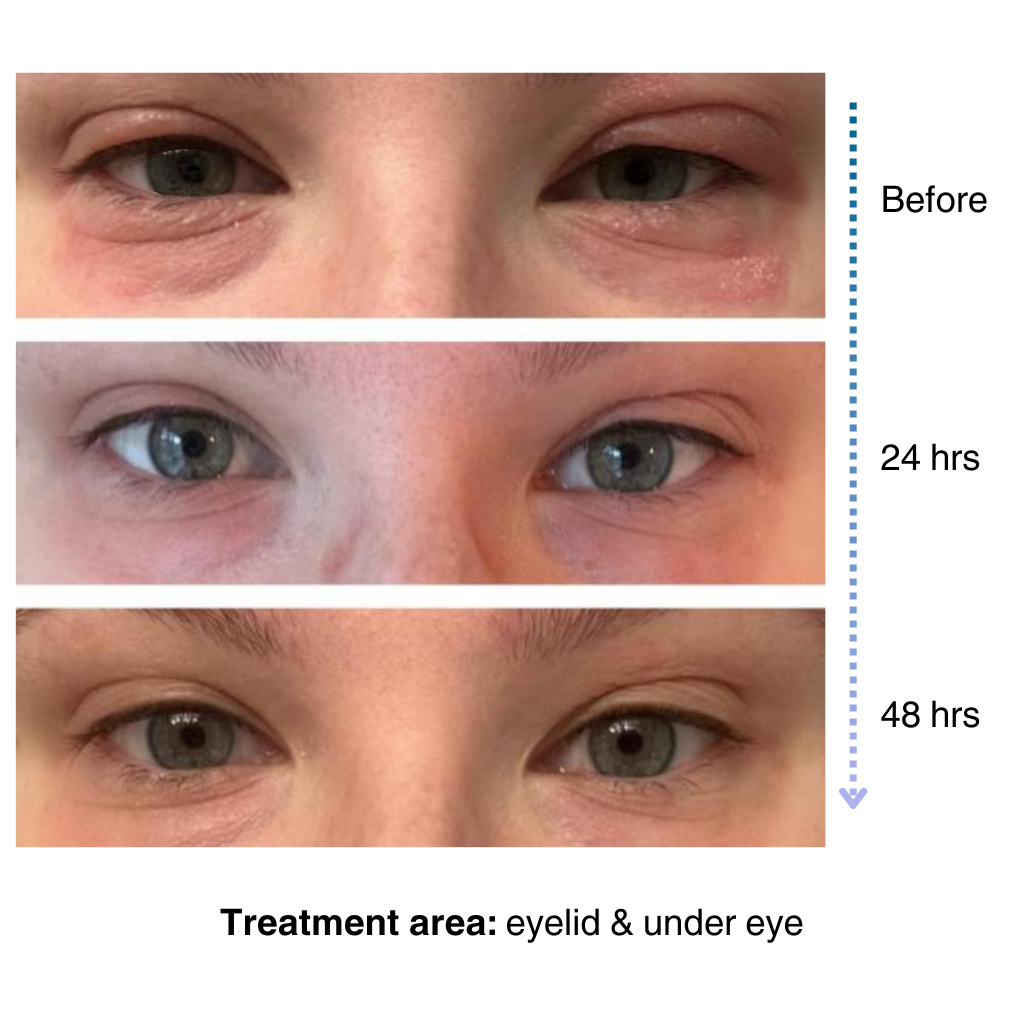
It’s easy to apply and isn’t chalky at all. I’ve been applying it multiple times a day… I’ve tried multiple new products to try and treat my eye eczema, and this is definitely the best I’ve tried so far.
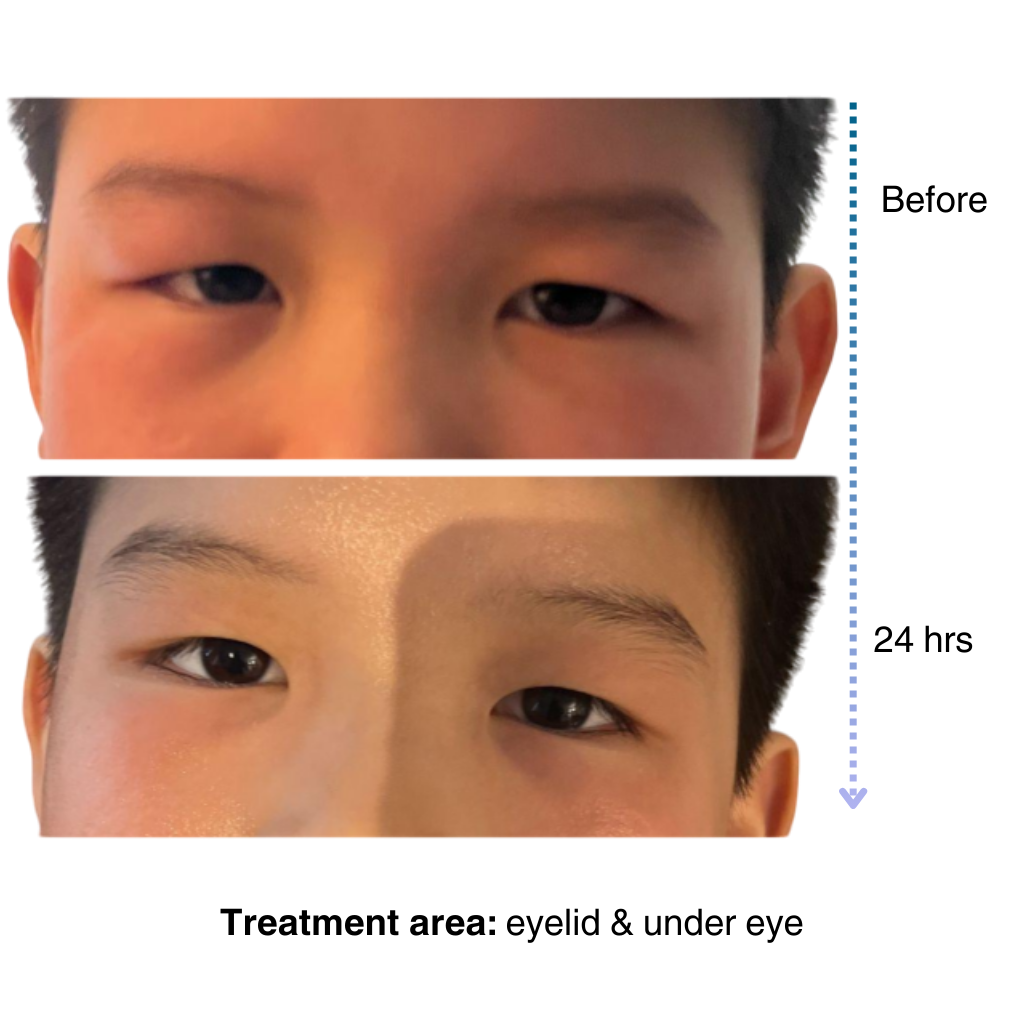
My 7-year old son has been dealing with eczema on his face for a long time, and it’s been so tough to find something that really works…..I’m amazed by the results! Within one day, the redness and rough patches on his face significantly improved…. he doesn’t mind using it at all because it doesn’t sting or feel greasy. – Lily

Get expert advice, exclusive offers, and real stories from people who understand your journey.
Start your skincare journey with an exclusive discount
Practical advice for managing sensitive and eczema-prone skin
Be the first to try our latest technology and product releases
Get 10% off your first order when you sign up
Secure & Private
Instant Access
Premium Content
Like many of you, our eczema journey is personal. That’s why we’re committed to creating a space for the eczema community to share experiences, be empowered through evidence-based solutions, and learn practical tips for daily life.
– Sajjad, Founder & CEO of NellaDerm
