
Eczema concerns?
FREE
Get instant expert guidance with our smart AI platform.
Join NowRecord breaking summers are here. For people with atopic dermatitis, extreme heat does more than make you uncomfortable. High temperatures raise trans-epidermal water loss, sweat changes skin pH and stings on open microcracks, and hot air often carries irritants like ozone and wildfire smoke. The result is classic heatwave eczema: sudden itch spikes, weepy patches after being outside, and sleepless nights. The good news is you can keep your skin calm by treating heat like any other trigger. This guide provides a practical plan that matches NellaDerm’s science first, steroid free philosophy: how to set up your home, what to do before you step outside, how to manage sweat in real time, and how to recover fast once you come back in.
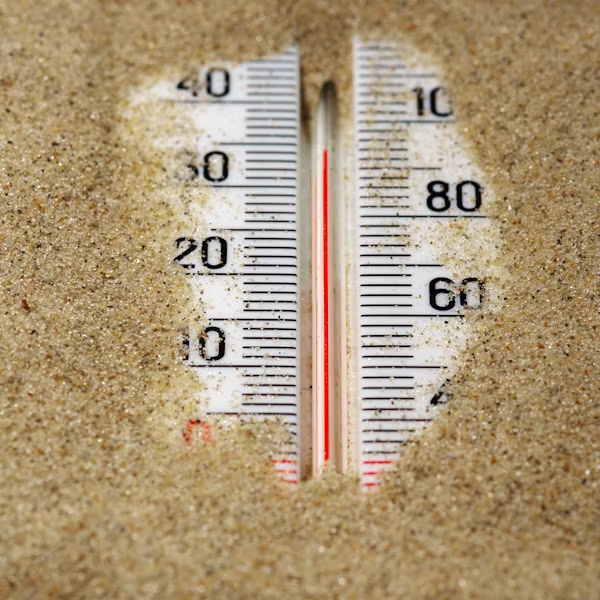
Heatwaves can turn mild eczema into a relentless battle against itch and inflammation. With rising temperatures accelerating water loss from the skin and sweat irritating sensitive areas, many people find their usual routines insufficient. This guide provides practical strategies to maintain comfort and prevent flares during extreme heat.
From creating a cool sanctuary at home to mastering sweat management and optimizing sleep, these tips are designed for real life application. Whether you are dealing with occasional flares or chronic atopic dermatitis, small adjustments can make a big difference in staying ahead of heat induced symptoms.
Explore the sections below for step by step advice tailored to heatwave conditions, drawing on dermatological insights and user tested techniques.
Water loss rises. The top layer of skin loses water faster as temperatures climb, which weakens your barrier and makes stinging more likely.
Sweat chemistry matters. Sweat contains salts and small amounts of sugars and metabolites. On healthy skin the barrier rebounds quickly. On eczema prone skin, sweat lingering on the surface keeps nerves irritated and slows recovery.
Air quality dips. Heat waves often travel with ground level pollution and wildfire smoke. Both add itch and redness on contact and can extend flare duration.
Sleep suffers. Elevated nighttime temperatures, especially in rooms above 24 °C, shorten deep sleep. Poor sleep makes daytime itch control harder the next day.
Understanding these levers lets you design a routine that keeps heatwave eczema from taking over. Refer to NIH’s article about effects of ambient temperature on atopic dermatitis, for more details.
Pick one room to be your “cool room” for the hottest hours. That is where you will rest, work if you can, and sleep during peak days.
Fans do not lower air temperature, they help sweat evaporate so you feel cooler. In heatwave eczema, that is an advantage if you also reduce salt time on skin. Keep a small towel nearby and blot periodically so salts do not stay on the surface while the fan runs. If the air is very humid, pair a fan with air conditioning or a dehumidifier to reach the 40-55 percent humidity range.
Want a full AM PM template you can adapt to heat days? Start with NellaDerm’s step by step routine and tweak for your climate.
Sweat is natural air conditioning. For heatwave eczema, it requires a little technique.
What you do right after you come indoors is the most important part of this guide. The goal is to remove irritants and re seal the barrier quickly.
For a deeper explanation of the timing that makes this work, revisit the Knowledge Hub’s primer on locking in moisture fast: Three Minute Rule: Timing Moisturizer For Maximum Relief
Night is when many heatwave eczema flares start. A small pre bedtime routine can prevent hours of tossing and turning.
If itch at night is your main issue, pair this section with the tactics in NellaDerm’s sleep focused guide so you can double team the problem from both angles: Sleepless Nights? How To Stop Eczema Itching At Night
Morning
Midday
Afternoon
Evening
Heat is a predictable trigger. That means heatwave eczema can be managed with a predictable plan. Keep one room cool and clean, dress for airflow and shade, manage sweat with blotting and micro cool downs, and always finish with a rinse and a moisturize within three minutes recovery. Use breathable bedding and a simple night routine to protect sleep. If flares continue despite these steps, speak with your dermatologist about a tailored plan for the hottest months. With a little preparation, you can stay active, sleep better, and keep your skin calm all summer long.
Nutrition plays a key role in skin health, especially when heat exacerbates eczema symptoms. Focusing on anti inflammatory foods can help reduce internal triggers that worsen flares. Incorporate plenty of fresh fruits and vegetables rich in antioxidants, such as berries, leafy greens, and tomatoes, which support the skin’s natural defenses against oxidative stress from high temperatures.
Hydration from within is crucial. Aim for at least eight glasses of water daily, and include hydrating foods like cucumbers, watermelon, and oranges. These not only keep you cool but also maintain skin moisture levels. Omega 3 fatty acids from sources like salmon, flaxseeds, and walnuts can help strengthen the skin barrier, making it less susceptible to heat induced dryness.
Avoid common irritants such as spicy foods, caffeine, and alcohol, which can increase body temperature and promote sweating. Instead, opt for cooling meals like salads, smoothies, and yogurt based dishes. Probiotics in fermented foods may also balance gut health, indirectly benefiting skin conditions. Track your diet during heatwaves to identify personal triggers and adjust accordingly for better control.
Combining these dietary habits with topical care creates a comprehensive approach to eczema management in summer. Consult a nutritionist if you suspect food sensitivities are amplifying your symptoms.
Many turn to natural remedies for gentle relief during heatwaves when eczema acts up. Aloe vera gel, applied directly from the plant or a pure store bought version, provides instant cooling and hydration to irritated areas. Its anti inflammatory properties can calm redness without harsh chemicals.
Colloidal oatmeal baths offer soothing immersion for widespread flares. Add a cup to lukewarm bathwater and soak for 15 minutes to reduce itching and restore the skin barrier. Chamomile tea compresses, cooled in the fridge, can be placed on affected spots for their calming effects on sensitive skin.
Coconut oil serves as a natural moisturizer with antimicrobial benefits, ideal for preventing secondary infections in humid conditions. Apply sparingly to avoid greasiness. Essential oils like tea tree or lavender, diluted in a carrier oil, may provide additional relief, but always patch test to prevent reactions.
These remedies complement medical treatments and environmental controls. While effective for mild symptoms, seek professional advice for persistent issues to ensure safe integration into your routine.
One frequent error is overusing air conditioning without monitoring humidity, leading to overly dry air that exacerbates skin cracking. Balance cooling with a humidifier to maintain optimal levels. Another pitfall is ignoring early signs of dehydration, which can intensify inflammation before you notice thirst.
Many rub sweat away vigorously, irritating the skin further. Gentle blotting preserves the barrier better. Skipping sunscreen or choosing chemical based options can cause reactions; stick to mineral formulas. Overlayering moisturizers without cleansing first traps irritants, prolonging flares.
Neglecting nighttime preparation often results in poor sleep and worsened symptoms. Pre cooling and light routines prevent this. Finally, delaying medical consultation for severe flares risks complications. Recognizing these mistakes helps refine your approach for smoother summers.
Learning from others’ experiences through community forums can highlight additional oversights specific to your climate or lifestyle.
Building resilience against heatwaves starts months in advance. Strengthen your skin barrier year round with consistent moisturizing and gentle cleansing to better withstand summer stress. Invest in home upgrades like better insulation or energy efficient windows to maintain cooler indoors naturally.
Develop a personal trigger journal tracking weather patterns and symptoms to predict and preempt flares. Collaborate with your dermatologist on preventive treatments, such as adjusted medications or allergy testing, before peak season. Stock up on essentials like HEPA filters and breathable clothing early.
Incorporate stress reduction practices like yoga or meditation into daily life, as chronic stress amplifies heat sensitivity. Explore climate adaptive living options if extreme weather is frequent in your area. These proactive steps transform reactive coping into confident management.
Over time, consistent preparation reduces the impact of heatwaves, allowing you to enjoy warmer months with fewer interruptions.
Dermatologists emphasize personalized plans for summer eczema. Regular check ups allow for timely adjustments to topical therapies or introductions to new barrier repair products. They often recommend monitoring environmental factors via apps for UV, pollen, and air quality to plan days accordingly.
Experts advise against abrupt routine changes; introduce new elements gradually to assess tolerance. For severe cases, they may suggest phototherapy or biologics as long term options. Hydration education is key, with reminders to sip water steadily rather than in large amounts sporadically.
Mental health support is increasingly recognized, as anxiety over flares can worsen symptoms. Joining support groups provides shared wisdom. Ultimately, experts stress consistency and patience, noting that effective management evolves with experience and professional guidance.
Staying informed through reputable sources ensures your strategies align with current best practices.
While heat typically worsens existing conditions, extreme temperatures can trigger first time flares in genetically predisposed individuals by disrupting skin barrier function.
Chlorinated pools may irritate, but salt water or clean lakes can cool without harm. Always rinse and moisturize immediately after to prevent drying.
High humidity promotes sweating and bacterial growth, while low levels cause dryness. Aim for balanced indoor humidity to minimize both risks.
Yes, several apps log symptoms, weather, and triggers, helping identify patterns for better prevention.
If home measures fail, symptoms worsen, or infection signs appear, consult promptly to avoid complications.
Do cooling gels help or hurt?
Most cooling gels rely on alcohol or menthol. Those can sting on compromised skin. A better approach is cool water on a cloth, air movement, and a reliable emollient layer.
Is mineral sunscreen always better?
For sensitive, eczema prone skin, mineral filters are often easier to tolerate. Patch test on a cool day and avoid fragrance. Reapply gently by patting rather than rubbing.
Should I skip workouts during a heatwave?
If air quality is good and you can schedule early, you do not have to skip. Shorten sessions, build in micro cool downs, and follow the ten minute recovery window. If the AQI and temperature are both high, move training indoors.
Do electrolytes matter?
Yes. Replacing fluids and electrolytes prevents very salty sweat later in the day and helps your skin handle heat better.
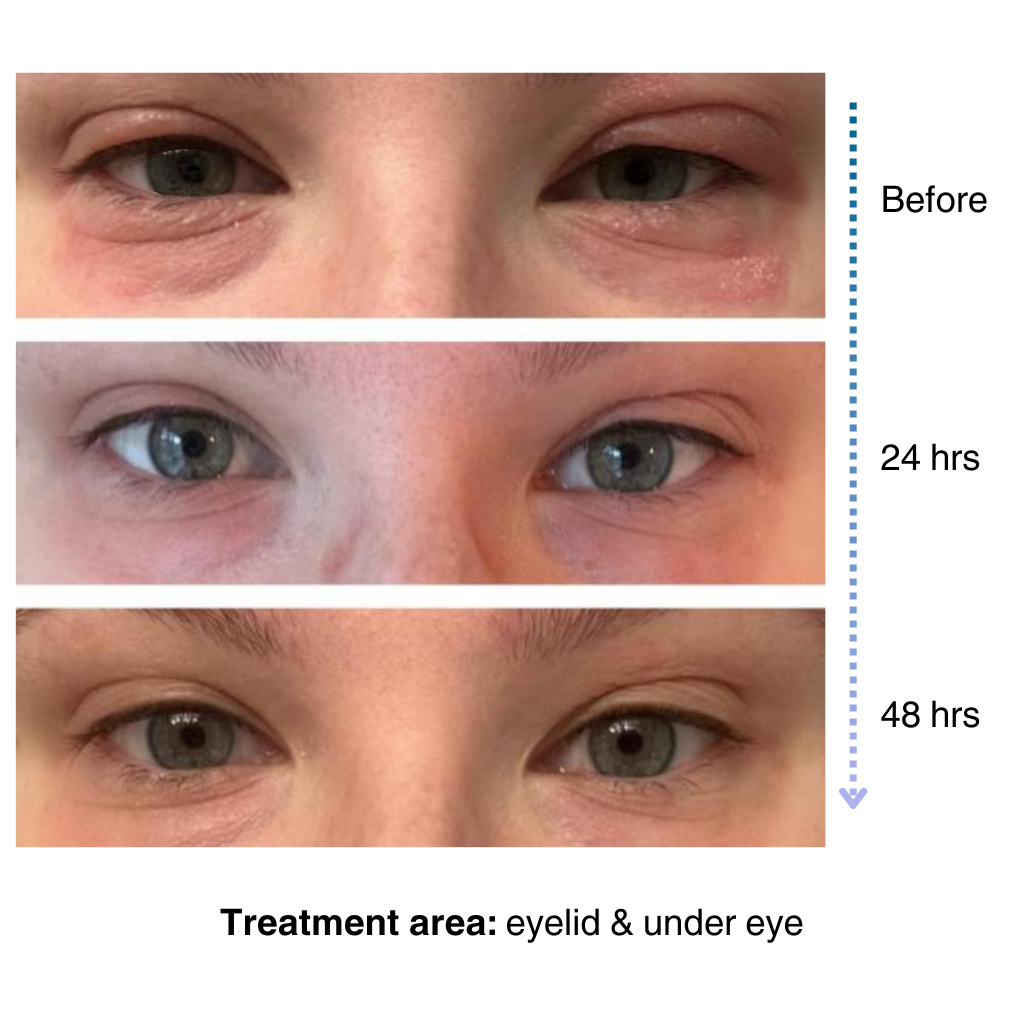
It’s easy to apply and isn’t chalky at all. I’ve been applying it multiple times a day… I’ve tried multiple new products to try and treat my eye eczema, and this is definitely the best I’ve tried so far.
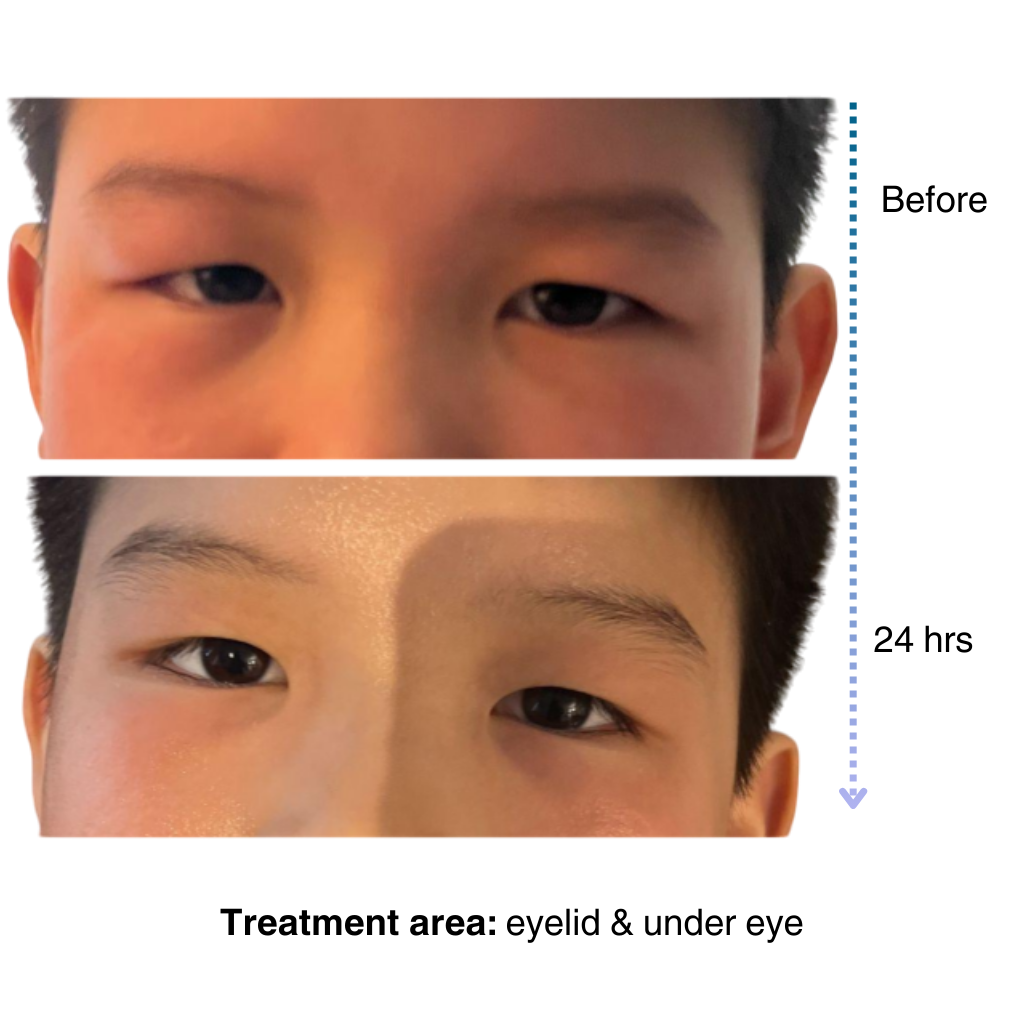
My 7-year old son has been dealing with eczema on his face for a long time, and it’s been so tough to find something that really works…..I’m amazed by the results! Within one day, the redness and rough patches on his face significantly improved…. he doesn’t mind using it at all because it doesn’t sting or feel greasy. – Lily

Like many of you, our eczema journey is personal. That’s why we’re committed to creating a space for the eczema community to share experiences, be empowered through evidence-based solutions, and learn practical tips for daily life.
– Sajjad, Founder & CEO of NellaDerm
