
Eczema concerns?
FREE
Get instant expert guidance with our smart AI platform.
Join NowThose tiny, deep, itchy blisters on the sides of fingers, palms, and soles are classic dyshidrotic eczema (also called pompholyx). They can appear suddenly, itch intensely, and leave peeling, cracked skin that makes everyday tasks painful. The good news: with the right routine and trigger management, most people can shorten flares and stretch out the calm time between them. This guide explains what sparks dyshidrotic eczema, how to treat a flare, and the daily care habits that actually help.
A 2014 study published in PubMed Central showed that for severe, persistent hand eczema (including dyshidrotic patterns) unresponsive to topicals, a randomized trial showed oral alitretinoin significantly improved disease compared with placebo, supporting a step-up option under specialist care.

If blisters are pus-filled, very painful, spreading, or accompanied by fever, seek medical care to rule out infection.
Dyshidrotic eczema has many potential sparks. Start with the ones you can change quickly:
When the tiny blisters pop up, move fast with gentle steps:
If pain, swelling, or yellow crust develops, contact a clinician promptly.
Important: antibiotics are only for confirmed infection. They do not treat dyshidrotic eczema itself.
Morning before you start:
On the job:
Evening repair:
For industry-specific tips (healthcare, food service, facilities), see the hand-eczema-at-work guide on NellaDerm.
If flares cluster after handling coins, keys, jewelry, tools, or new watchbands, or if you also react to costume pieces, ask your dermatologist about patch testing to metals and rubber accelerators. A positive test lets you:
Even with a positive test, barrier care and sweat control still matter; metals and moisture often combine to trigger vesicles.
If nights are rough, the sleep-and-itch guide from NellaDerm outlines a simple wind-down routine that helps many people.
Week 1: Calm Everything Down
Week 2: Consolidate Gains
If you are not better after two weeks of consistent care, or if pain, swelling, or crusting appear, contact your clinician.
Dyshidrotic eczema is manageable when you combine three things: quick, gentle flare treatment; smart trigger control (wet work, sweat, metals, fragrance); and a realistic daily routine you can repeat. Use prescribed anti-inflammatories, moisturize after every wash, protect skin from friction and damp gloves, and step up to specialist options when needed. With steady habits, hands and feet spend far more time calm than chaotic.
Is dyshidrotic eczema caused by sweating?
Sweat is a common trigger, not the root cause. Managing heat, humidity, and occlusion helps many people.
Can diet changes fix it?
There is no single dyshidrotic-eczema diet. If you suspect nickel sensitivity (from jewelry or tools) and get oral symptoms with high-nickel foods, discuss targeted trials with a clinician rather than broad eliminations.
Do I pop the blisters?
No. Opening vesicles increases infection risk and stings. Use cool soaks, medication, and wraps to settle them.
What about vinegar or bleach?
Only under clinician guidance. Some regimens include brief, dilute antiseptic soaks for recurrent infection risk, but these are adjuncts, not everyday care.
Will this go away for good?
Many people have episodic flares tied to seasons, stress, or exposures. With trigger control and a repeatable routine, flares become less frequent and shorter.
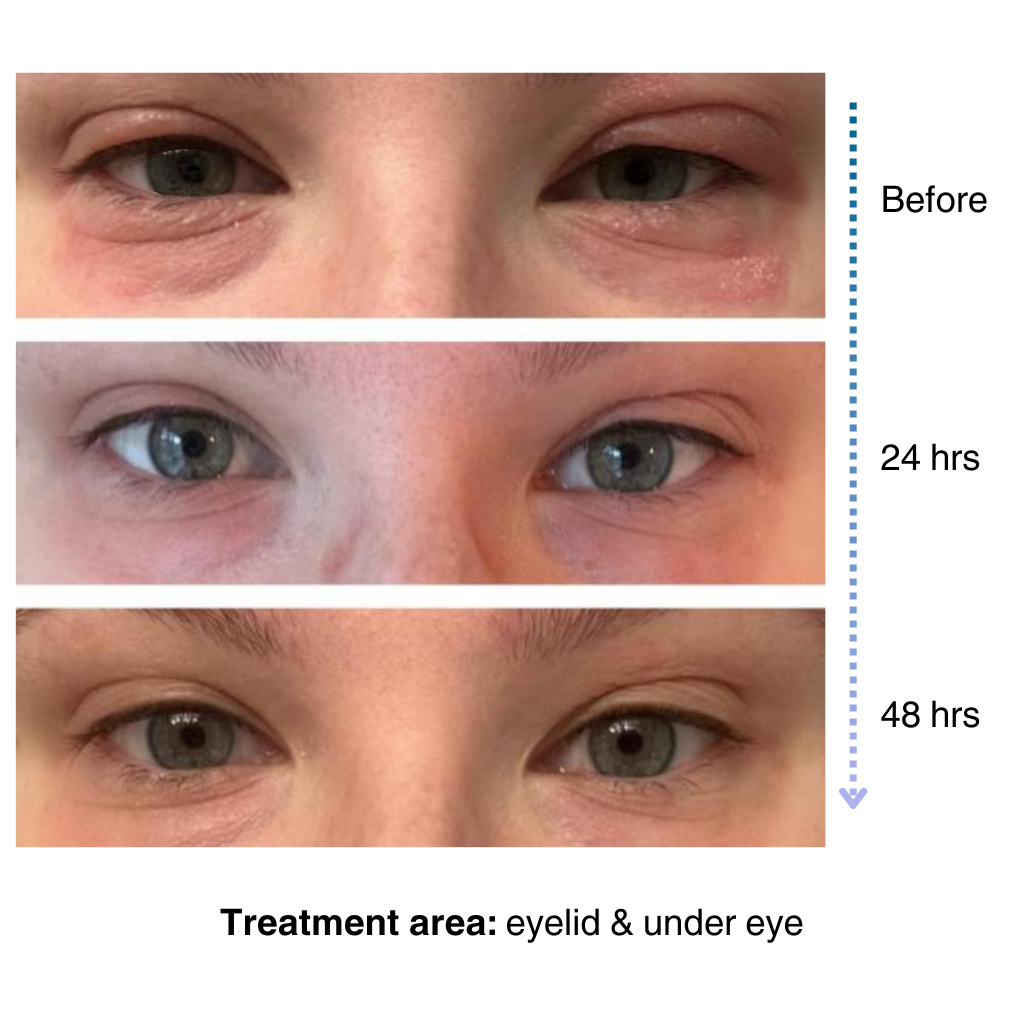
It’s easy to apply and isn’t chalky at all. I’ve been applying it multiple times a day… I’ve tried multiple new products to try and treat my eye eczema, and this is definitely the best I’ve tried so far.
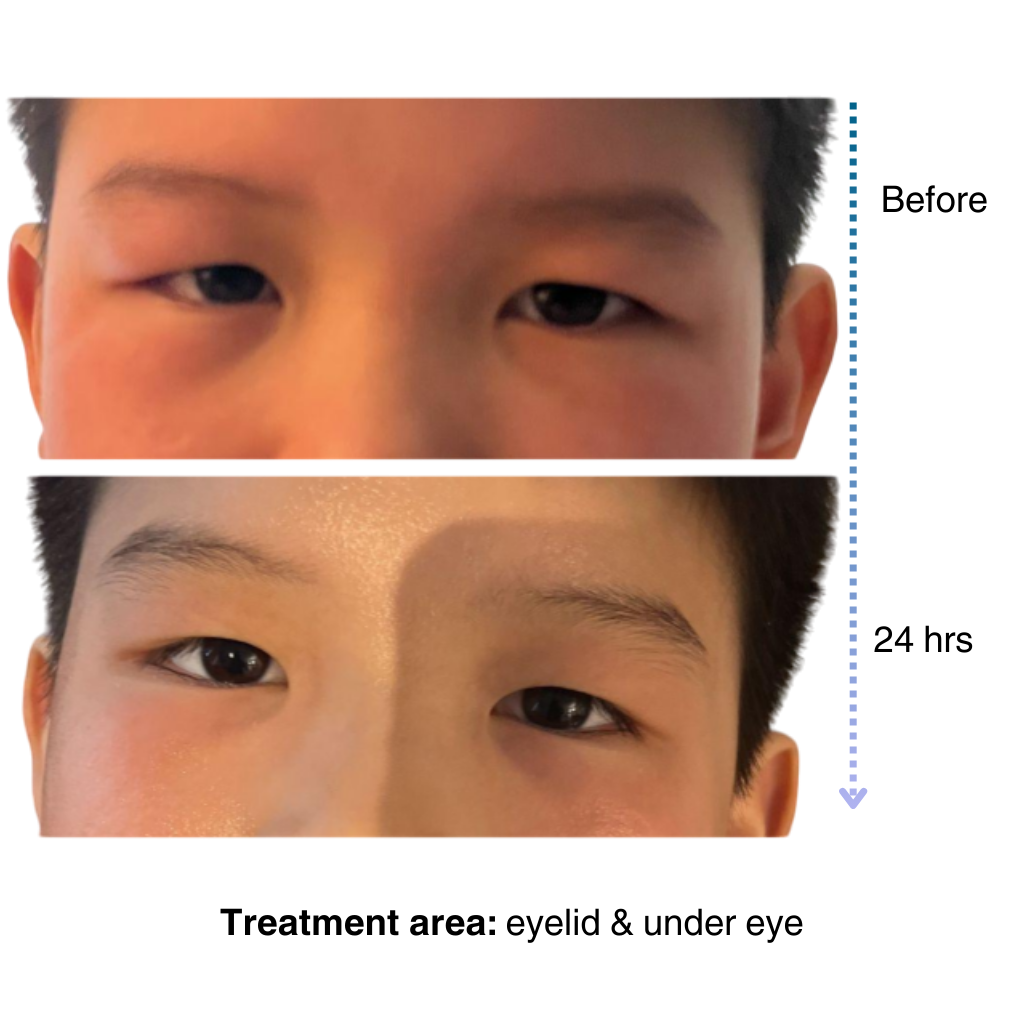
My 7-year old son has been dealing with eczema on his face for a long time, and it’s been so tough to find something that really works…..I’m amazed by the results! Within one day, the redness and rough patches on his face significantly improved…. he doesn’t mind using it at all because it doesn’t sting or feel greasy. – Lily

Like many of you, our eczema journey is personal. That’s why we’re committed to creating a space for the eczema community to share experiences, be empowered through evidence-based solutions, and learn practical tips for daily life.
– Sajjad, Founder & CEO of NellaDerm
