Eczema concerns?
FREE
Get instant expert guidance with our smart AI platform.
Join NowA glass of wine with dinner or a weekend cocktail with friends may seem harmless, but if you live with eczema, your skin may tell a different story.
Many people with atopic dermatitis notice that after a night of drinking, their skin becomes redder, itchier, and more inflamed. But is alcohol truly to blame?

In this guide, we explore the relationship between eczema and alcohol, what the science says, and how to minimize flare ups without cutting out your social life entirely.
Yes, and the link is more than anecdotal.
Several studies suggest that alcohol can exacerbate eczema, especially in people who are already prone to inflammatory skin conditions. Alcohol affects the body in multiple ways that are relevant to eczema, including:
These combined effects can weaken your skin barrier, make it more sensitive to allergens, and fuel the inflammation that drives eczema symptoms.
A large cross sectional study published in the British Journal of Dermatology found a significant association between alcohol consumption and eczema symptoms, particularly among individuals with a genetic predisposition or pre existing atopic conditions.
Another study in Alcohol Research: Current Reviews explored how alcohol stimulates the immune system and increases levels of pro inflammatory cytokines, including IL 6 and TNF alpha, both of which are known to play a role in eczema pathophysiology.
So, while alcohol is not a direct cause of eczema, it can definitely trigger or worsen flares in sensitive individuals.
To understand why alcohol triggers eczema flares, we need to examine its effects on cellular processes. Alcohol metabolism produces acetaldehyde, a toxic compound that can damage proteins and cell membranes. In skin already compromised by eczema, this additional stress can overwhelm cellular repair mechanisms and accelerate barrier dysfunction.
Alcohol also interferes with the production of ceramides, essential lipids that form the skin’s protective barrier. Research shows that regular alcohol consumption can reduce ceramide levels by up to 30 percent in susceptible individuals. This lipid depletion creates gaps in the skin barrier, allowing moisture to escape and irritants to penetrate more easily.
Furthermore, alcohol consumption activates matrix metalloproteinases, enzymes that break down collagen and other structural proteins in the skin. This degradation weakens skin integrity and can prolong the healing time of eczema lesions, making them more susceptible to infection and persistent inflammation.
Let us break down the specific ways alcohol can impact your skin:
Alcohol is a diuretic; it increases urine production, which leads to fluid loss and dehydration. For people with eczema, whose skin is already dry and sensitive, this can intensify itching, flaking, and irritation. The dehydration occurs at both systemic and cutaneous levels, meaning your entire body and your skin specifically lose essential moisture.
Eczema is an inflammatory condition. Alcohol can temporarily stimulate the immune system, triggering inflammatory cascades and potentially worsening eczema lesions. This inflammatory response involves multiple pathways, including the activation of nuclear factor kappa B, a key regulator of inflammation that drives the production of pro inflammatory cytokines in the skin.
Alcohol can increase histamine levels in the body. Since histamines are associated with itching and allergic responses, this can lead to an intensified itch scratch cycle in eczema sufferers. Some drinks, especially red wine, champagne, and beer, naturally contain more histamines than others. Additionally, alcohol may impair the enzyme diamine oxidase, which normally breaks down histamine in the gut.
Alcohol disrupts deep sleep and can reduce the quality of rest. Since poor sleep is a known eczema trigger, drinking too much can indirectly worsen your skin by robbing you of recovery time. During deep sleep, the body repairs skin cells and regulates inflammatory processes, both crucial for eczema management. Alcohol interference with REM sleep can disrupt these essential recovery mechanisms.
Many alcoholic beverages are loaded with sugar, sulfites, and preservatives, all of which may contribute to inflammation or act as contact allergens in people with eczema. High sugar intake can promote glycation, a process where sugar molecules attach to proteins like collagen, making them stiff and dysfunctional. This can further compromise skin already weakened by eczema.
Yes. Here is how common drinks stack up:
That said, individual reactions vary. If you are unsure, try keeping a drink and skin journal to identify patterns.
Not everyone with eczema reacts to alcohol in the same way. Several factors determine your individual sensitivity. Genetic variations in alcohol metabolizing enzymes can significantly impact how your body processes alcohol. People with certain polymorphisms in the ALDH2 gene, common in East Asian populations, may experience more pronounced inflammatory responses to alcohol.
The severity of your eczema also plays a role. During active flare periods, your skin barrier is more compromised and may react more strongly to alcohol’s effects. Conversely, when your eczema is well controlled, you might tolerate moderate alcohol consumption better. Other health conditions like rosacea, which often coexists with eczema, can amplify alcohol’s vasodilatory effects, leading to more pronounced redness and inflammation.
Medications are another important consideration. Many eczema treatments, including certain antihistamines and immunosuppressants, can interact with alcohol or increase your sensitivity to its effects. Always consult your dermatologist about potential interactions between your medications and alcohol consumption.
If you want to enjoy the occasional drink without inflaming your skin, here are some dermatologist approved strategies:
Drink a full glass of water for every alcoholic beverage. Hydration helps mitigate the skin drying effects of alcohol and supports detoxification. Consider adding electrolyte supplements to your water to better maintain fluid balance, as alcohol depletes essential minerals along with fluids.
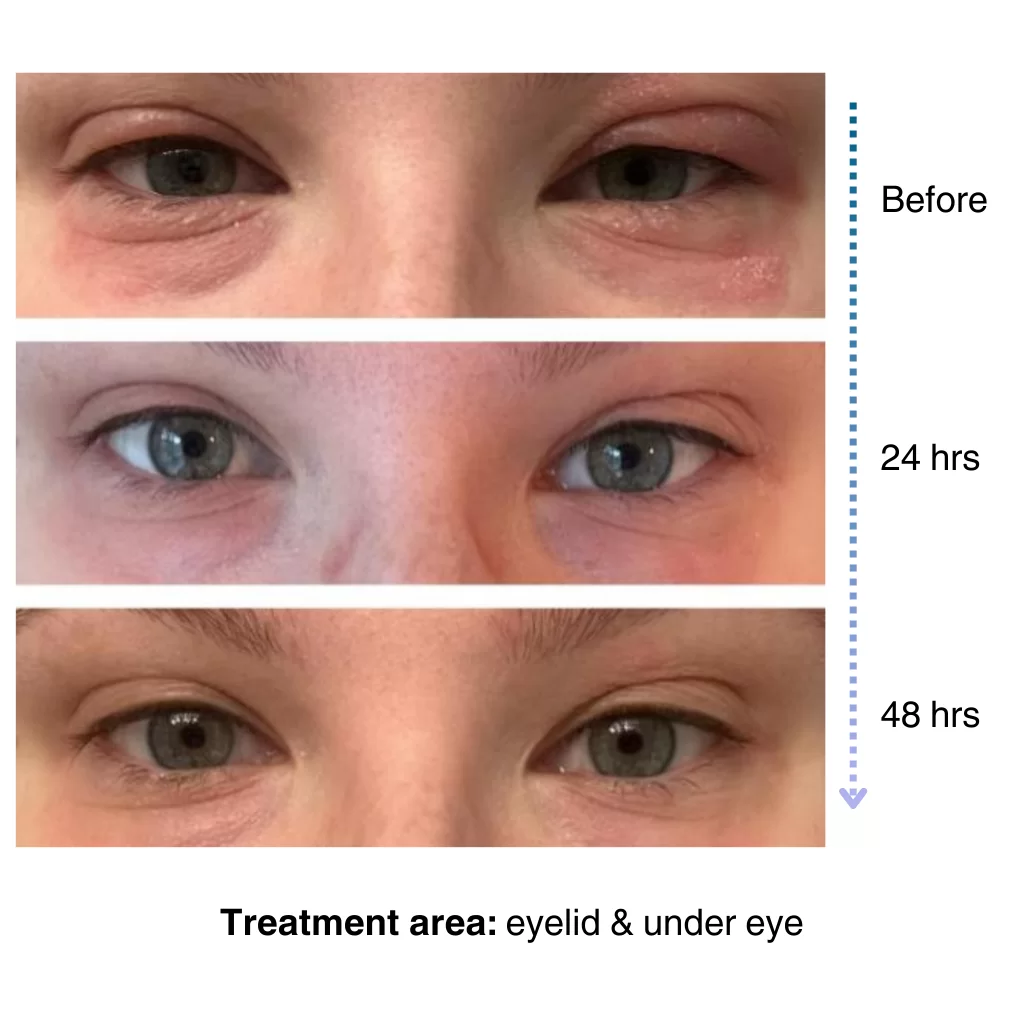
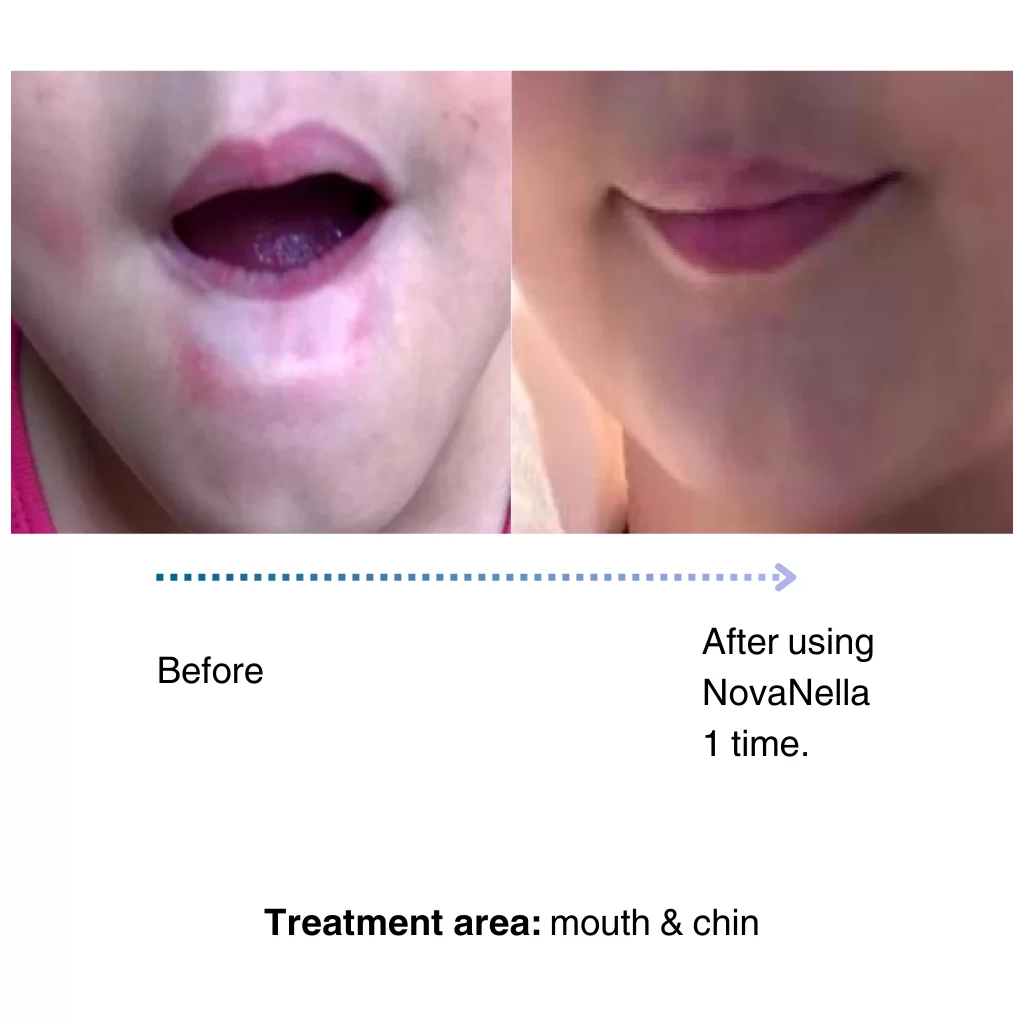
Use a barrier repair cream like NellaDerm’s NovaNella Eczema Stick before going out and again before bed. This helps reinforce your skin’s natural defense layer. Focus on areas most prone to eczema flares, and consider using occlusive products that create a protective seal over vulnerable skin.
Opt for clear spirits like vodka or gin, mixed with soda water or non citrus juices. Avoid cocktails high in sugar or mixers with preservatives. When choosing wine, look for low histamine options or organic varieties with minimal sulfites. Some people find that certain gluten free beers cause fewer reactions than traditional barley based beers.
Try limiting your intake to one to two drinks per occasion. Binge drinking tends to have a stronger effect on the skin than moderate consumption. Space your drinks with non alcoholic alternatives, and avoid drinking on an empty stomach, as food can slow alcohol absorption and reduce its inflammatory impact.
After a night out, do not skip your regular eczema skincare. Cleanse gently, moisturize liberally, and treat any flare ups with your prescribed topical treatments. Consider using a humidifier in your bedroom to counteract the drying effects of alcohol, especially if you wake up with noticeably drier skin.
If your eczema symptoms are:
It might be time to take a break from alcohol and observe your skin’s response. Eliminating alcohol for a few weeks can help determine if it is a major trigger.
Beyond immediate flare ups, consider the cumulative effects of regular alcohol consumption on eczema management. Chronic alcohol use can lead to persistent low grade inflammation that undermines your long term treatment efforts. This sustained inflammatory state can make your skin more reactive to other triggers and reduce the effectiveness of eczema medications.
The gut skin axis represents another important consideration. Alcohol disrupts gut microbiome balance, which can indirectly affect skin health. Since gut inflammation often manifests as skin inflammation in eczema patients, maintaining gut health through moderate alcohol consumption may provide secondary benefits for your skin.
If you choose to consume alcohol regularly, periodic alcohol free periods can give your skin and immune system a chance to reset. Many people find that a month long break from alcohol significantly improves their eczema control and reduces overall skin sensitivity. This approach allows you to enjoy social drinking while minimizing long term consequences for your skin health.
The relationship between eczema and alcohol is not the same for everyone. While some people can enjoy the occasional drink without issues, others may find that even small amounts trigger frustrating and painful flare ups.
The key is to understand your body’s tolerance, make informed drink choices, and protect your skin before and after social outings.
If you are struggling with alcohol triggered eczema, talk to a dermatologist about treatment options, and be sure to explore eczema friendly skincare products at NellaDerm.com, designed to keep your skin resilient, even through a night out.