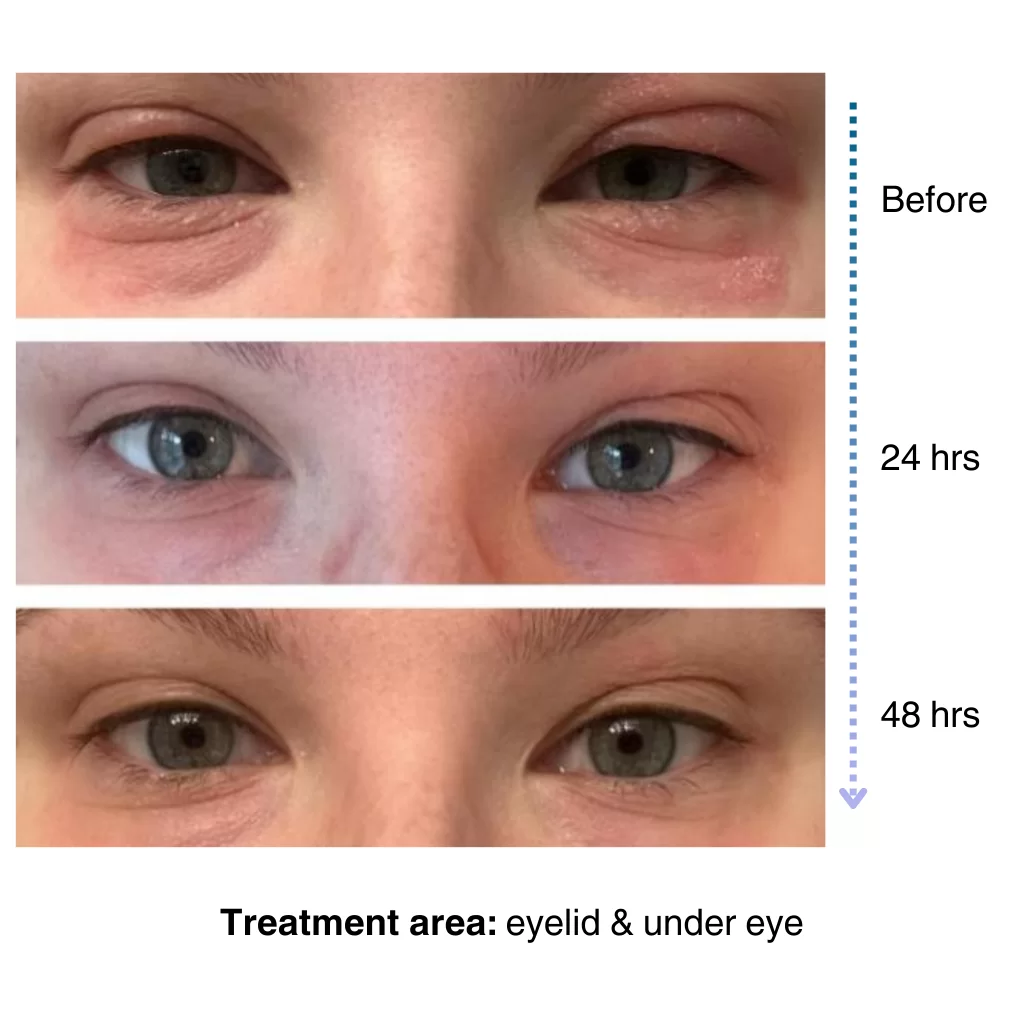
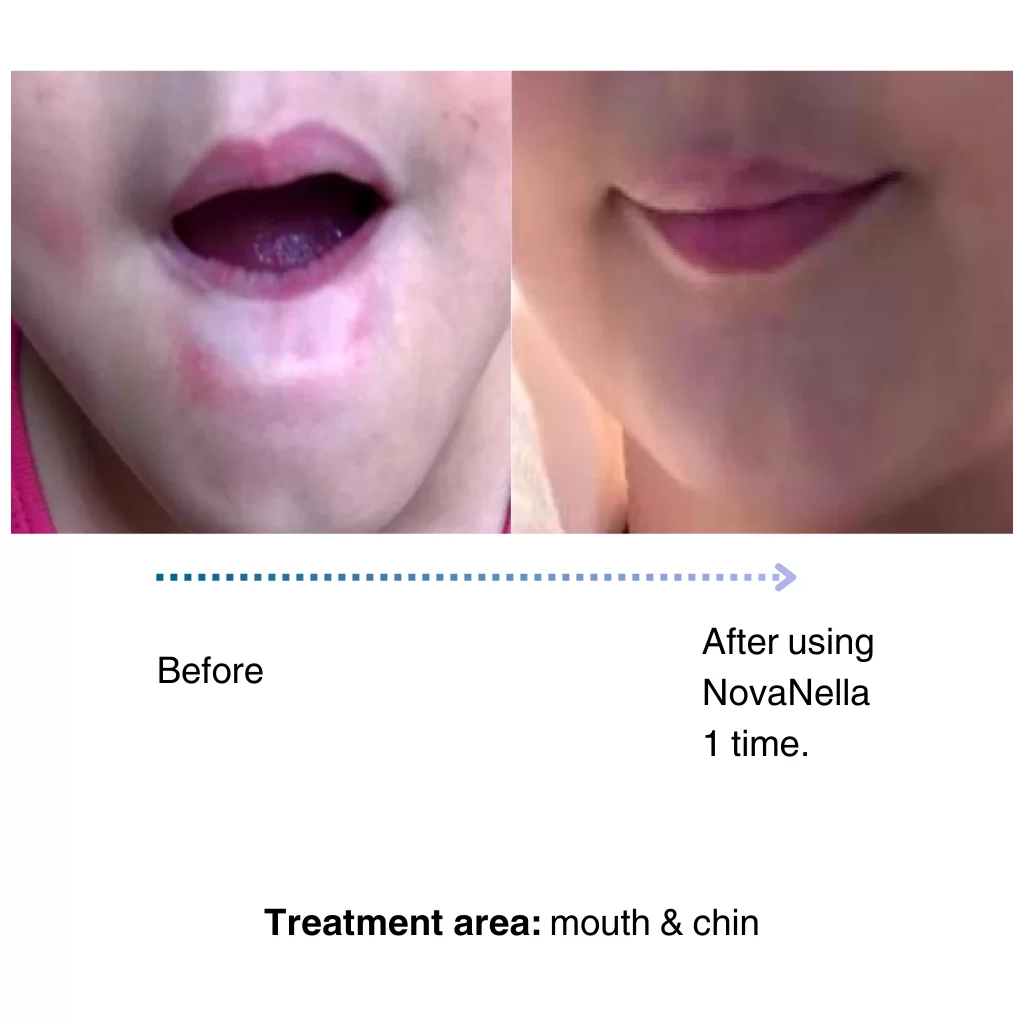
Eczema concerns?
FREE
Get instant expert guidance with our smart AI platform.
Join NowIf you are dealing with eczema and also suffer from nasal allergies think sneezing, itchy eyes, or a constantly runny nose you are not imagining a connection. These two conditions often go hand in hand due to a shared immune dysfunction. Welcome to the world of atopic disorders, where eczema, allergic rhinitis, asthma, and food allergies frequently overlap in a pattern doctors refer to as the “atopic march.”
In this blog, we explore the science behind the link between eczema and allergic rhinitis, why these conditions often show up together, and what you can do to manage both your skin and sinus symptoms more effectively.
Eczema, or atopic dermatitis, is a chronic inflammatory skin condition characterized by:
It is caused by a combination of genetic and environmental factors that affect the immune system and the skin’s ability to retain moisture.
Allergic rhinitis, also called hay fever, is an allergic response to airborne allergens such as:
Symptoms include:
It is triggered by IgE antibodies, which the immune system produces in response to allergens even harmless ones.

Research has identified several genetic factors that predispose individuals to develop both eczema and allergic rhinitis. The most well studied genetic mutation involves the filaggrin gene, which plays a crucial role in maintaining the skin barrier function. When this gene is mutated, the skin cannot properly retain moisture or protect against environmental allergens, creating the perfect conditions for eczema to develop.
This genetic predisposition extends beyond skin barrier function to include immune system regulation. Individuals with atopic conditions often have variations in genes that control the Th2 immune response, leading to excessive production of inflammatory chemicals like interleukins 4, 5, and 13. These same inflammatory pathways are activated in both eczema and allergic rhinitis, explaining why the conditions frequently coexist.
Family history remains one of the strongest predictors of developing these conditions. Children with one parent who has atopic conditions have approximately a 30% chance of developing similar issues, while those with two affected parents face a 50-70% likelihood. This genetic link helps explain why these conditions often run in families and appear in predictable patterns across generations.
Both eczema and allergic rhinitis are atopic conditions. This means they arise from an overactive immune system, particularly one skewed toward the Th2 immune response, which promotes inflammation and hypersensitivity to allergens.
A 2014 article published in PubMed Central explains that these conditions are part of the atopic triad, and often emerge sequentially in childhood a progression known as the atopic march.
This means if you had eczema as a child, you are more likely to develop allergic rhinitis later and vice versa.
The connection between eczema and allergic rhinitis lies deep within the immune system’s response mechanisms. In both conditions, the body’s defense system mistakenly identifies harmless substances as dangerous threats. This misidentification triggers a cascade of inflammatory responses that manifest differently in various parts of the body but share common underlying pathways.
Mast cells play a central role in both conditions. These immune cells contain granules rich in histamine and other inflammatory chemicals. When activated by allergens, mast cells release their contents, causing immediate symptoms like itching, redness, and swelling. In eczema, this occurs in the skin; in allergic rhinitis, it happens in the nasal passages and eyes.
T lymphocytes, particularly Th2 cells, coordinate the longer term inflammatory response in both conditions. These cells produce cytokines that maintain inflammation and promote the production of IgE antibodies. This shared immunological pathway explains why treatments that target specific components of the immune system, such as biologic medications, can effectively address both eczema and allergic rhinitis simultaneously.
With eczema, the skin barrier is impaired, allowing allergens to penetrate more easily. This sensitization can lead to nasal allergies over time.
Even though eczema shows up on the skin and rhinitis in the sinuses, the same inflammatory pathways are active throughout the body. When one flares, the other may also react due to heightened immune activation.
Stress and weather changes Affect immune reactivity system wide
The rising prevalence of both eczema and allergic rhinitis in recent decades points to significant environmental contributors. The hygiene hypothesis suggests that reduced exposure to microorganisms in early childhood may lead to improperly trained immune systems that overreact to harmless substances. This theory helps explain why these conditions are more common in urban versus rural environments and in developed versus developing countries.
Indoor air quality plays a substantial role in both conditions. Modern homes with improved insulation trap allergens like dust mites, pet dander, and mold spores, creating constant exposure for susceptible individuals. Additionally, chemical exposures from cleaning products, personal care items, and building materials can further aggravate both skin and respiratory symptoms.
Climate change has also emerged as a significant factor affecting both conditions. Rising temperatures and increased carbon dioxide levels lead to longer pollen seasons and higher pollen counts. These environmental changes directly impact the frequency and severity of symptoms for individuals with both eczema and allergic rhinitis, creating new challenges for long term management.
The good news? Since both conditions share a root cause, you can often manage them with an integrated approach.
Look for eczema safe products with:
Try NellaDerm’s Eczema Relief Cream for daily barrier repair especially during allergy season.
Use these eczema safe allergy treatments:
Avoid topical decongestants and nasal sprays with preservatives, which can dry or irritate the skin around the nose.
If symptoms are severe or persistent, allergy shots or sublingual immunotherapy (SLIT) can help your immune system build tolerance to triggers over time. This may reduce both eczema flares and nasal allergy symptoms.
Successfully managing both eczema and allergic rhinitis requires a holistic approach that addresses multiple aspects of daily living. Dietary considerations can play a supportive role, though they should not replace medical treatment. Some individuals find that reducing inflammatory foods high in sugar and processed ingredients while increasing anti-inflammatory foods like fatty fish, leafy greens, and berries helps moderate their overall inflammatory load.
Stress management techniques deserve particular attention given the well established connection between stress and flare ups of both conditions. Practices such as meditation, yoga, deep breathing exercises, and adequate sleep can help regulate the immune system and reduce the frequency and severity of symptoms. Establishing consistent sleep routines is especially important since both conditions can significantly disrupt sleep quality, creating a vicious cycle of worsening symptoms.
Physical activity requires careful consideration for individuals with both conditions. While regular exercise supports overall health and immune function, sweat can trigger eczema flares, and outdoor exercise during high pollen seasons can worsen allergic rhinitis. Strategic planning, such as choosing indoor activities during peak allergy seasons, showering immediately after workouts, and using appropriate barrier creams, can help maintain an active lifestyle without exacerbating symptoms.
See an allergist or dermatologist if:
You may benefit from patch testing, skin prick testing, or biologic treatments like Dupixent, which is approved for both eczema and asthma/allergic conditions.
The understanding of the connection between eczema and allergic rhinitis has led to exciting developments in treatment approaches. Biologic medications that target specific components of the immune system represent a significant advancement. Drugs like dupilumab (Dupixent) work by blocking key inflammatory pathways shared by both conditions, offering relief for patients who struggle with conventional treatments.
Research into microbiome based therapies shows promise for addressing both conditions simultaneously. Studies investigating the use of specific probiotic strains, both orally and topically, aim to modulate immune responses and strengthen barrier function. While this field is still evolving, early results suggest that manipulating the microbiome may eventually provide a natural approach to managing these interconnected conditions.
Gene therapy and CRISPR technology offer potential long term solutions for individuals with severe forms of these conditions. While still in early research stages, these approaches aim to correct the genetic defects that predispose individuals to develop eczema and allergic rhinitis. As our understanding of the genetic basis of these conditions improves, targeted genetic interventions may eventually provide lasting relief for affected individuals.
Yes. Reducing systemic inflammation with antihistamines or immunotherapy may reduce overall immune reactivity, calming your skin in the process.
Possibly. If you have atopic dermatitis and allergic rhinitis, you may also be prone to oral allergy syndrome or food sensitivities especially to pollen related foods like apples or celery.
Yes, although the atopic march begins in childhood, adult onset eczema and rhinitis are increasingly recognized, especially in people with family histories of allergy.
Eczema and allergic rhinitis might seem like unrelated annoyances one on your skin, the other in your nose but they are deeply connected through your immune system. Understanding this link can help you approach treatment holistically and get better results from both skincare and allergy care.
If you are battling both skin flares and seasonal sniffles, do not treat them as isolated issues. Consider working with both a dermatologist and an allergist to create a treatment plan that calms your body from the inside out.
For eczema safe skincare that supports your barrier during allergy season and beyond, visit NellaDerm.com.