
Eczema concerns?
FREE
Get instant expert guidance with our smart AI platform.
Join NowCoffee is a daily ritual for millions worldwide, but for those living with eczema, the relationship between caffeine and skin health is complicated. Some people report that coffee worsens flare-ups, while others find it has little to no impact—or even improves their energy to cope with symptoms. Understanding how coffee affects eczema requires looking at both the science of caffeine and the lived experience of patients.
This article examines the connection between eczema and coffee, exploring potential benefits, risks, and practical tips for enjoying coffee without aggravating sensitive skin.

Caffeine, the primary active ingredient in coffee, is a stimulant that affects the nervous system, hormones, and metabolism. For eczema-prone individuals, these effects can interact with common triggers:
This mix of positive and negative pathways explains why some people notice flare-ups after coffee, while others do not.
For many, coffee is harmless. But when it comes to eczema and coffee, certain risks stand out.
Caffeine stimulates the adrenal glands to release cortisol. Elevated cortisol may trigger immune dysregulation and inflammation, worsening eczema. For those already stressed by exams, work, or lack of sleep, coffee can act as fuel for flare-ups.
Eczema often worsens at night, and poor sleep further fuels inflammation. Drinking coffee in the afternoon or evening can reduce deep sleep stages, leading to a cycle of exhaustion and flare-ups.
While coffee is not as dehydrating as once thought, excessive intake can contribute to water loss. For skin already struggling to retain moisture, this adds another challenge.
It is often not coffee itself but what is added, like milk, cream, sugar, and flavored syrups that triggers eczema. Dairy and high-sugar diets are linked to increased inflammation in some people.
Not all evidence points to coffee being harmful for eczema. In fact, some components may help.
Coffee is rich in polyphenols, particularly chlorogenic acid, which has antioxidant and anti-inflammatory effects. These compounds may protect cells from oxidative stress, which plays a role in eczema flare-ups.
Caffeine stimulates circulation, which could improve nutrient delivery to the skin. Topical caffeine is already used in some dermatology products for its vasoconstrictive effects.
Living with eczema can be exhausting, especially during flare-ups. For some, coffee provides the alertness needed to function and manage routines.
A 2023 study from Nutrition Research and Practice suggests moderate coffee intake may reduce the risk of certain allergic conditions, though results are mixed and highly individual.
Moderation is key. For adults, up to 400 mg of caffeine per day (about 3–4 cups of coffee) is generally considered safe. But eczema patients should adjust based on personal triggers:
If you suspect coffee worsens your eczema but miss the ritual, try these alternatives:
These options help preserve the warmth and comfort of coffee without the potential downsides.
Practical Tips for Coffee and Eczema
To enjoy coffee while minimizing flare-ups:
Some individuals wonder whether applying caffeine topically is safe for eczema. While caffeine creams exist for cellulite and circulation, they are not designed for eczema-prone skin and may contain irritants like fragrances. Stick to fragrance-free, eczema-specific products for barrier repair.
While coffee may influence symptoms, other lifestyle factors play a larger role in managing eczema:
In most cases, coffee is a small part of the puzzle compared to these bigger triggers.
Consult a dermatologist if:
A medical professional can help distinguish between coffee as a true trigger or whether other factors are more important.
The relationship between eczema and coffee is complex. While caffeine can increase stress hormones, disrupt sleep, and dry out the skin, coffee also provides antioxidants and energy that some people find helpful. The key is moderation, personalization, and awareness of how your body responds.
By tracking symptoms, limiting additives, and supporting skin with proper hydration and moisturizers, many people with eczema can enjoy coffee without major issues. For others, switching to decaf or tea may be a better solution.
Ultimately, coffee is rarely the sole driver of eczema, but being mindful of its effects can help you take better control of your skin health.
Q1: Does coffee always worsen eczema?
No. Some people notice flare-ups linked to coffee, while others do not. Individual triggers vary.
Q2: Is decaf coffee better for eczema?
Yes. Removing caffeine reduces stress and sleep disruption risks, though additives like milk or sugar may still be problematic.
Q3: Can coffee cause dehydration that worsens eczema?
Excessive coffee can contribute to dryness, but moderate intake is unlikely to cause significant dehydration if balanced with water.
Q4: What is the safest way to drink coffee with eczema?
Keep portions moderate, avoid dairy and sugar if they are personal triggers, and stay hydrated.
Q5: Can caffeine creams help eczema?
No. Most topical caffeine products contain additional irritants unsuitable for eczema-prone skin.
Q6: Is green tea better for eczema than coffee?
Yes. Green tea contains less caffeine and has anti-inflammatory catechins, which may be more beneficial.
Q7: Should children with eczema avoid coffee?
Yes. Children should avoid caffeinated beverages, as their systems are more sensitive to caffeine’s effects.
It’s easy to apply and isn’t chalky at all. I’ve been applying it multiple times a day… I’ve tried multiple new products to try and treat my eye eczema, and this is definitely the best I’ve tried so far.
My 7-year old son has been dealing with eczema on his face for a long time, and it’s been so tough to find something that really works…..I’m amazed by the results! Within one day, the redness and rough patches on his face significantly improved…. he doesn’t mind using it at all because it doesn’t sting or feel greasy. – Lily
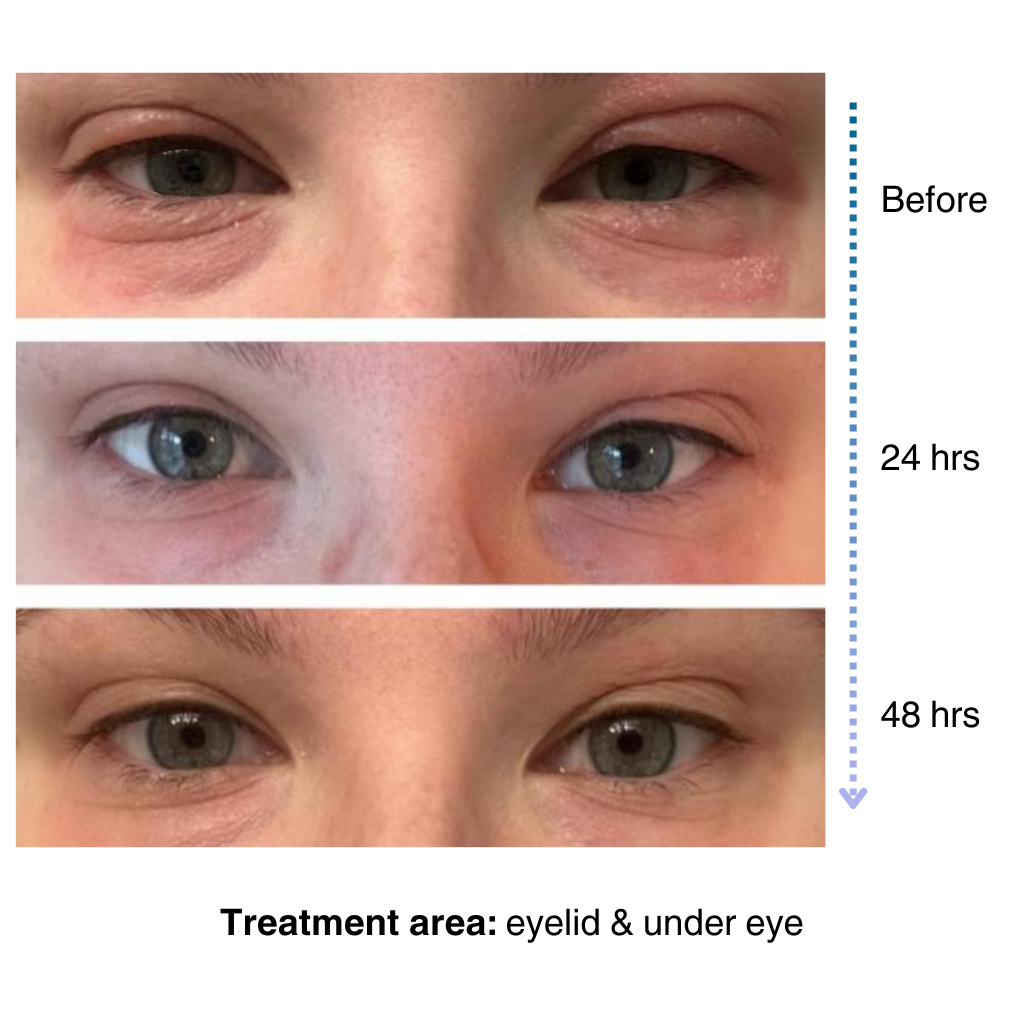
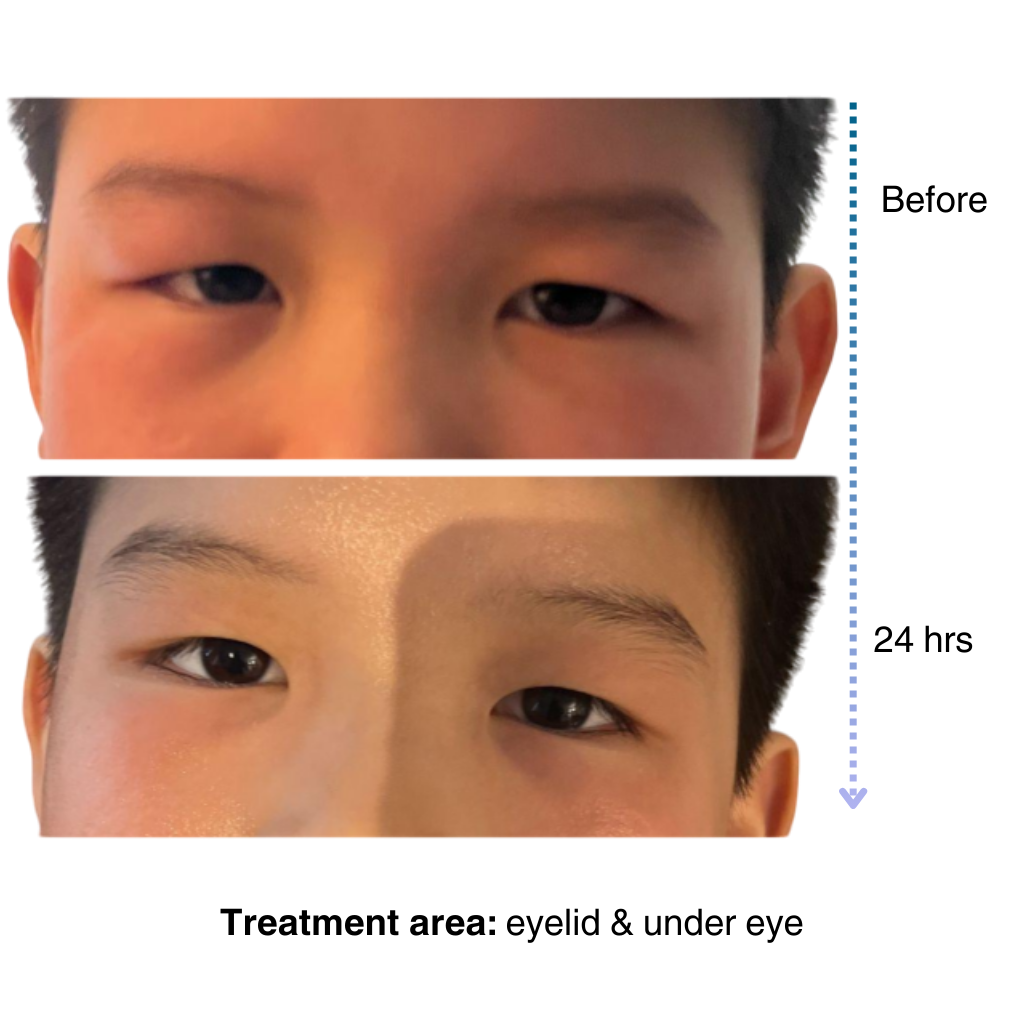

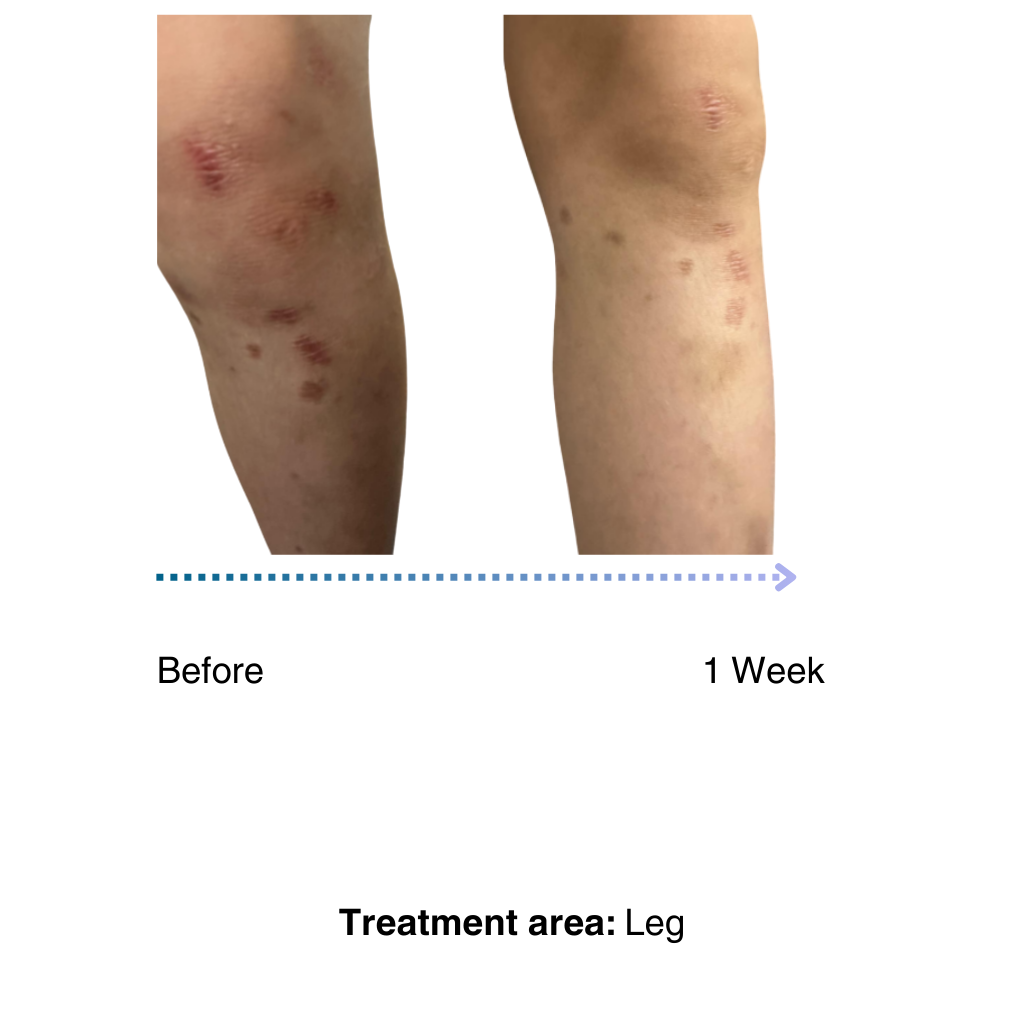
Get expert advice, exclusive offers, and real stories from people who understand your journey.
Start your skincare journey with an exclusive discount
Practical advice for managing sensitive and eczema-prone skin
Be the first to try our latest technology and product releases
Get 10% off your first order when you sign up
Secure & Private
Instant Access
Premium Content
Like many of you, our eczema journey is personal. That’s why we’re committed to creating a space for the eczema community to share experiences, be empowered through evidence-based solutions, and learn practical tips for daily life.
– Sajjad, Founder & CEO of NellaDerm

We noticed you're visiting from United States (US). We've updated our prices to United States (US) dollar for your shopping convenience. Use Canadian dollar instead. Dismiss