Eczema concerns?
FREE
Get instant expert guidance with our smart AI platform.
Join NowFor many, gardening is more than just a hobby it is a therapeutic connection to nature and a way to cultivate calm. But for those living with eczema, this peaceful activity can quickly become uncomfortable, even painful. The mix of soil, plant allergens, sunlight, and friction from tools can lead to flare ups, cracked skin, and irritation that lingers long after the last weed is pulled. If you are passionate about plants but also manage eczema, you do not have to give up your garden. With the right precautions, products, and routines, you can enjoy the outdoors while keeping your skin protected. In this guide, we explore the connection between eczema and gardening, and how to strike a healthy balance between green thumbs and sensitive skin.
The garden environment, although rich in beauty and biodiversity, also contains several known irritants and allergens that can trigger eczema, especially on the hands, arms, and exposed areas. Here are some common gardening related triggers:
Soil contains bacteria, fungi, molds, and chemicals like fertilizers or pesticides. These substances can penetrate micro cracks in dry skin, leading to inflammation or infection.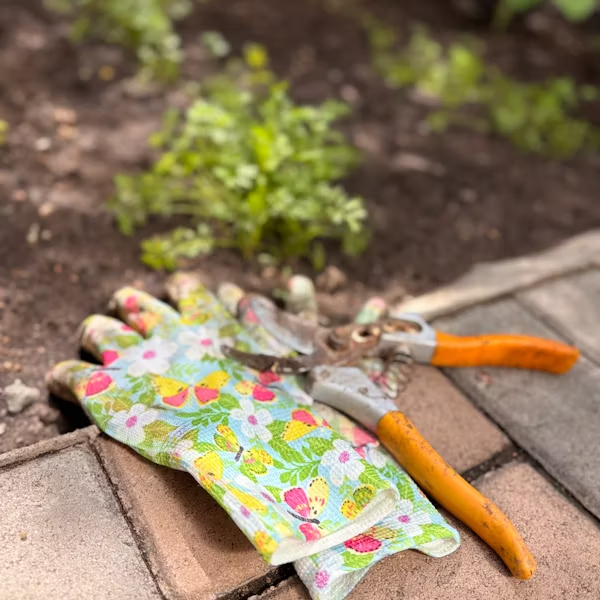
Some plants produce natural chemicals or airborne allergens that can cause contact dermatitis or exacerbate existing eczema. Even seemingly harmless herbs like mint or tomato leaves can cause skin reactions in sensitive individuals.
Gardening tools, constant hand movement, and moisture from sweating or watering plants can cause mechanical irritation, especially if the skin barrier is already compromised.
Excessive sun exposure may dry out eczema prone skin and worsen symptoms, particularly when combined with heat and sweat.
A 2020 NIH review highlighted that atopic individuals, including those with eczema, are more prone to environmental contact allergens, especially when engaged in outdoor or manual labor activities like gardening.
Plant related skin reactions fall into two main categories: irritant contact dermatitis and allergic contact dermatitis. Irritant reactions occur when plant sap, thorns, or rough leaves physically damage the skin barrier. These reactions can happen to anyone with sufficient exposure and typically appear quickly after contact.
Allergic contact dermatitis, on the other hand, involves the immune system recognizing specific plant compounds as foreign invaders. This type of reaction requires prior sensitization and can develop hours or even days after exposure. Common plant families known to cause allergic reactions include the Asteraceae family (which includes chrysanthemums and daisies) and the Anacardiaceae family (which includes poison ivy and mango trees).
People with eczema have a compromised skin barrier that allows allergens to penetrate more easily, making them particularly susceptible to both types of plant related dermatitis. Understanding this distinction helps in selecting appropriate plants and taking preventive measures.
Not all gloves are eczema friendly. Latex gloves can trap sweat, causing irritation, while rough textured work gloves may chafe sensitive skin.
Recommended:
Change gloves regularly if they become sweaty or damp, and never use gloves that have become stiff, moldy, or chemical laden.
Long sleeves and pants help minimize direct skin contact with plants and soil. Choose lightweight, breathable fabrics like organic cotton or bamboo to reduce sweating and friction.
Avoid tight elastic cuffs, synthetic fabrics, or clothing washed with fragranced detergents. Always wash gardening clothes separately from other laundry to avoid cross contamination with pollen or plant debris.
Creating a protective barrier on your skin before stepping outside is essential. Apply a fragrance free, non irritating moisturizer like NellaDerm’s NovaNella Eczema Stick to your hands, wrists, and arms before putting on gloves or starting your work.
After gardening, wash gently with a mild cleanser, pat dry, and reapply a richer emollient or ointment to repair any damage and lock in hydration.
The concept of barrier protection is crucial for eczema sufferers who garden. Think of your skin as having a protective shield that needs reinforcement before exposure to potential irritants. The best approach involves layering protection starting with a solid moisturizing base.
Begin with a thick, occlusive moisturizer containing ingredients like ceramides, shea butter, or petroleum jelly. These create a physical barrier that helps prevent irritants from contacting the skin directly. Apply this base layer at least 30 minutes before gardening to allow proper absorption.
For additional protection on high contact areas like hands and forearms, consider using barrier creams specifically designed for occupational use. These products often contain dimethicone or other silicone based compounds that provide an extra layer of defense without compromising dexterity.
Remember that barrier protection is not permanent. Reapplication may be necessary during extended gardening sessions, especially if you are working with water or sweating heavily. Always carry your protective products with you to the garden for quick access when needed.
Some plants are more eczema friendly than others. If you are prone to flare ups, consider reducing or eliminating contact with:
Instead, favor low irritant, non allergenic plants such as:
Before planting, research each species potential to cause dermatitis or allergic reactions.
Different seasons present unique challenges for eczema sufferers who garden. Understanding these seasonal variations can help you plan your gardening activities more effectively and minimize skin irritation throughout the year.
Spring brings high pollen counts and variable temperatures that can trigger eczema. During this season, focus on morning gardening when pollen levels are lower and temperatures are cooler. Be particularly cautious with spring flowering plants that release large amounts of pollen.
Summer heat and humidity present the greatest challenges. Plan gardening sessions for early morning or late evening to avoid peak sun hours. Pay extra attention to hydration and take frequent breaks in shaded areas to prevent overheating and excessive sweating.
Fall brings mold spores from decaying vegetation and falling leaves. Wear appropriate protection when handling compost or clearing plant debris. The cooler temperatures can be beneficial, but drying winds may require more frequent moisturizing.
Cold weather gardening requires protection against dry air and chilling winds. Indoor gardening activities like seed starting or houseplant care can provide gardening satisfaction without outdoor exposure during the most challenging weather conditions.
If you will be working in the garden during midday hours, use a mineral based sunscreen with zinc oxide or titanium dioxide. These ingredients are less likely to cause irritation than chemical sunscreens.
Also consider using wide brimmed hats, sunglasses, and UV protective clothing. Staying in the shade during peak hours (10 AM to 4 PM) not only protects your skin from UV damage but also reduces sweating a common eczema trigger.
Your tools and containers can harbor irritants, mold, and bacteria. Clean them regularly using a mild soap and avoid chemical heavy cleaners. Smooth, well maintained tools are also less likely to cause blisters or cuts both of which can lead to secondary infections in eczema prone skin.
Establish a routine of cleaning tools after each use with warm water and mild detergent. For tools that come into contact with soil or plant material, consider occasional disinfection with vinegar solutions rather than harsh chemicals that could transfer to your skin during future use.
Gardening can be physically demanding. Drink plenty of water, take breaks, and avoid working outdoors on extremely hot or humid days.
Overheating causes sweating, which may irritate the skin and trigger flare ups. If you sweat while gardening, gently pat your skin dry with a clean, soft towel instead of wiping or rubbing it.
Developing a consistent post gardening skin care routine is essential for preventing flare ups. Begin by removing gardening clothes immediately after finishing and shaking them outdoors to remove plant debris and pollen.
Take a lukewarm shower using a gentle, fragrance free cleanser. Avoid hot water as it can further dry the skin. Gently pat your skin dry rather than rubbing with a towel to minimize irritation.
Within three minutes of showering, apply a rich, emollient moisturizer to damp skin to lock in hydration. Pay special attention to areas that were exposed during gardening, particularly hands, arms, and face.
If you notice any areas of redness or irritation, apply a targeted treatment such as a barrier repair cream or, if prescribed by your dermatologist, a topical anti inflammatory medication. Monitor these areas over the next 24 hours for any signs of worsening reaction.
Yes, if your skin is cracked, bleeding, or infected, it is best to avoid gardening until it heals. Give your skin time to recover, and consult a dermatologist for appropriate treatment.
Avoid harsh antibacterial soaps. Use gentle, pH balanced cleansers that cleanse without stripping natural oils. Follow up immediately with moisturizer.
Rinse the area with cool water, apply a calming barrier cream, and monitor for signs of a reaction. If the rash worsens or spreads, see a dermatologist.
Raised garden beds can be beneficial as they reduce the need for bending and kneeling, which can cause friction and pressure on sensitive skin. They also allow for better control of soil quality and reduce contact with ground level allergens.
While gardening exposes you to potential irritants, the stress reducing benefits and gentle physical activity can indirectly help eczema management. Many people find the mental health benefits of gardening help reduce stress related flare ups. The key is balancing these benefits with proper skin protection.
Gardening should be a source of peace not pain. With a few key precautions, people with eczema can still enjoy planting, harvesting, and spending time in nature without sacrificing skin health. Prioritize barrier protection, choose your plants carefully, and always listen to your skin.
For dermatologist developed skincare designed specifically for eczema prone skin, visit NellaDerm.com. Whether you are trimming roses or tending tomatoes, your skin deserves the care and comfort that lets you thrive outdoors.