Eczema and PPE: Mask, Goggle, and Glove Relief Tips

Personal protective equipment is non-negotiable in many jobs and classrooms, but it can be rough on sensitive skin. Masks trap heat and humidity, goggles leave red grooves, and frequent hand hygiene dries and cracks hands. If you live with eczema and PPE, a predictable routine can be the difference between a smooth shift and a week-long flare. Below you will find an evidence-informed playbook for choosing and wearing PPE, protecting the barrier, and recovering fast after long days.


A 2022 systematic review found that prolonged PPE use is linked to multiple skin problems, including irritant and allergic contact dermatitis, pressure injuries, and acneiform eruptions, especially with tight respirators, goggles, and extended glove wear (Proietti et al., 2022).
eczema and PPE

The Essentials In One Minute

  • Layer a barrier first. Before PPE, apply a thin, fragrance-free moisturizer on hot-spot zones: nasal bridge, cheeks under mask edges, behind ears, around wrists, and along glove cuffs.
  • Fit beats friction. Properly fitted masks and goggles seal without over-tightening. Over-tight straps equal pressure and rash.
  • Time your hand care. When hands are not visibly soiled, alcohol-based sanitizer with emollients is often better tolerated than frequent soap-and-water cycles. Moisturize after every dry.
  • Schedule micro-breaks. Off the floor or outdoors, remove PPE safely, pat sweat away, and re-seal exposed skin with a rice-grain of moisturizer.
  • Recover on autopilot. After shift: lukewarm rinse, cleanser only where needed, moisturize within three minutes, soft clothes, and gear to fragrance-free laundry with an extra rinse.

If you want a single steroid-free cream that plays nicely under PPE, consider NellaCalm Steroid-Free Eczema Cream.


Masks Without Meltdowns

Choose the right mask for your skin and setting

  • Respirators (N95, FFP2/3): mandatory in certain settings. Focus on correct fit rather than cranking straps. If you have marks after every shift, request a fit check with alternative models or sizes.
  • Surgical masks: lighter but still occlusive. Change damp masks promptly; a wet mask rubs and macerates the barrier.
  • Reusable cloth masks (where permitted): pick smooth, tightly woven layers; avoid rough seams on the bridge and cheeks.

Pre-mask skin setup

  1. Cleanse gently or rinse with lukewarm water.
  2. Pat to slightly damp.
  3. Apply a thin film of moisturizer on contact points. Let it set one minute so the surface is not slippery.
  4. Seat the mask and adjust straps for seal without sharp pressure.

During wear

  • If perspiration builds, step to a safe area, remove PPE per protocol, blot sweat with a soft cloth, and re-seal with a fingertip of moisturizer.
  • Do not tape the mask unless your safety protocol requires it and you have tested the adhesive on your skin. If tape is necessary, ask about silicone-based medical tapes, which are gentler on removal.

After removal

  • Cleanse the contact zones with lukewarm water, pat, and moisturize within three minutes.
  • If you must re-mask soon, a very thin layer of moisturizer is enough; too much can slip under the seal.

Goggles And Face Shields

  • Fit and foam: Choose goggles with smooth, hypoallergenic foam or silicone edges. Adjust straps to secure without furrowing the skin.
  • Bridge protection: A rice-grain of moisturizer on the nasal bridge before donning helps reduce pressure marks.
  • Anti-fog vs skin: Anti-fog wipes can leave residue; keep them off skin and wash residue from the frame after each shift.
  • Micro-breaks: When protocol allows, lift goggles away from the skin for a few deep breaths in a safe zone to release humidity.

Gloves: Nitrile, Latex, And The Accelerator Question

  • Material matters: Nitrile is standard for many workplaces, but rubber accelerators used in manufacturing (thiurams, carbamates, mercaptobenzothiazole) can trigger allergic contact dermatitis in a subset of people. If you develop a persistent glove-pattern rash, ask about accelerator-free nitrile options or vinyl for short, low-risk tasks.
  • Fit and rotation: Gloves should fit snugly without cutting into wrists or finger webs. Change damp gloves quickly; moisture plus friction equals maceration and cracks.
  • Double-gloving: In high-risk tasks, double gloves may be required. If your hands flare, place a thin cotton liner under the outer glove during non-sterile tasks if permitted.

Hand-care routine around gloves

  • Before gloving: sanitize, let hands dry, then apply a pea-size of lightweight moisturizer to backs of hands only; avoid the palms if grip matters.
  • Between glove changes: sanitize, let dry, re-apply a rice-grain of moisturizer.
  • After shift: lukewarm wash, pat dry, then a richer moisturizer.

For a deeper hand-care plan you can adapt to your job, see Eczema in the Workplace: Managing Flare-Ups in Professional Settings.


Smart Hand Hygiene For Sensitive Skin

  • Default to sanitizer with emollients when hands are not visibly dirty, per workplace policy.
  • Reserve soap-and-water for visible soil, restroom use, and before eating. Use lukewarm water, rinse thoroughly, pat dry, then moisturize immediately.
  • Moisturize after every dry. Keep a pocket-size, fragrance-free cream accessible.
  • Hardware matters: Paper towels beat blow-dryers for irritated hands. If your sink area only has blow-dryers, carry a small cloth or dry with a tissue before moisturizing.

Friction, Heat, And Micro-Climate Control

  • Under mask and straps: Smooth any rough edges on shields or frames. Consider a soft, washable strap cover if permitted.
  • Clothing and gowns: Light, breathable base layers reduce rubbing under gowns and aprons.
  • Temperature: A small, portable fan for safe break zones helps clear sweat before re-sealing skin with moisturizer.

Patch Testing: Stop Guessing About Adhesives And Gloves

If you repeatedly flare in a specific PPE pattern, like elastic marks that become eczematous, glove cuffs that stay angry, tape edges that itch, ask your clinician about patch testing. Include samples of your workplace gloves, tapes, and mask models. Results often reveal a rubber accelerator, formaldehyde-releaser, or acrylate that you can avoid by switching brands or materials.


Cleaning Gear And Laundry That Do Not Sabotage Your Skin

  • Masks and cloth components: Wash reusable parts in fragrance-free liquid detergent, smallest effective dose, and run an extra rinse. Residue left in fibers keeps irritation smoldering.
  • Uniforms and scrubs: Same rules; skip fabric softeners and scent boosters.
  • Goggles and shields: Clean frames with mild, non-fragranced agents; rinse well so residue does not migrate onto skin.

Full wash settings and product tips here: Laundry Lessons: How Detergent Decisions Influence Eczema Irritation.


Your Pre-Shift, Mid-Shift, And Post-Shift Routine

Pre-shift (five minutes)

  1. Lukewarm face rinse and gentle hand wash.
  2. Pat to slightly damp.
  3. Apply a thin layer of moisturizer to mask edges, nasal bridge, behind ears, and wrist/glove cuff zones.
  4. Seat mask and goggles; adjust for seal without digging in.
  5. Pocket kit: travel moisturizer, emollient-containing sanitizer, soft cloth, spare mask if policy allows.

Mid-shift micro-breaks (one minute)

  • Safely remove PPE per protocol.
  • Blot sweat and hot spots.
  • Re-seal with a rice-grain of moisturizer.
  • Re-don PPE carefully.

Post-shift (ten minutes)

  1. Lukewarm shower or face rinse; cleanser only where needed.
  2. Pat to damp.
  3. Moisturize within three minutes from face to wrists.
  4. Change into soft, breathable clothes.
  5. Put reusable gear and uniforms straight into fragrance-free laundry with an extra rinse.

Special Situations

Eyelids and nasal bridge

  • Use a very thin layer of moisturizer before PPE. If rubbing persists, request an alternative model that distributes pressure differently.

Ears and straps

  • If behind-ear loops cause dermatitis and policy allows, switch to head-band styles or use an ear-saver strap that moves tension to the back of the head.

Acne plus eczema under masks (“maskne-mix”)

  • Keep the barrier steps, but cleanse the lower face once daily with a gentle syndet. Use non-comedogenic, fragrance-free moisturizer. If breakouts persist, ask about acne treatments that are compatible with eczema.

Broken skin

  • Do not place PPE directly onto open fissures. Treat to closure first if possible, or use clinician-approved dressings that maintain seal and safety.

A Two-Week PPE Skin Reset

Days 1–3: Control variables

  • Switch to fragrance-free laundry and facial care if you have not already.
  • Map hot spots after one full shift wearing your usual PPE. Note where grooves or itch lines appear.

Days 4–7: Fit and friction tune-up

  • Trial an alternate mask or goggle model or size if pressure points are consistent.
  • Add a pre-PPE barrier layer to those zones and a scheduled micro-break halfway through your longest block.

Days 8–14: Maintenance and data

  • Keep a nightly log: itch 0–10, where flare occurred, what you changed.
  • If a pattern persists under a specific glove or strap, save the packaging and ask your clinician about patch testing and accelerator-free or silicone alternatives.

Final Thoughts

You should not have to choose between safety and comfort. With eczema and PPE, success comes from small, repeated steps: a thin barrier layer before donning, correct fit instead of over-tightening, smart hand hygiene with moisturizer after every dry, and a fast recovery routine when the shift ends. If a particular material keeps causing trouble, ask for patch testing and try accelerator-free gloves or silicone-edge goggles. Stack these habits, and your skin can do its job while you do yours.

FAQs

What is the best moisturizer texture under PPE?
A light cream that absorbs quickly is easiest before shifts. Save thicker ointments for bedtime or off-duty recovery unless your clinician advises otherwise.


Can I use barrier tapes or hydrocolloid patches under an N95?
Only if your fit-testing and safety team approve, since anything under the seal can affect fit. If approved, use silicone-based options and remove them slowly after softening with warm water or a little oil.


Sanitizer stings, what do I do?
Try a formulation with added emollients. If stinging persists, wash with lukewarm water, pat dry thoroughly, then moisturize. Rotate methods based on task and tolerance.


How do I know if this is allergy or just irritation?
Allergy often flares in the exact pattern of a component (mask edge, glove cuff) and recurs quickly with re-exposure. Irritation correlates with friction, humidity, and time. Patch testing is the fastest way to stop guessing.


Can I still meet infection-control standards while protecting my skin?
Absolutely. The routine above respects safety while reducing avoidable damage. Clear communication with your safety team about fit, material options, and allowable barriers makes it sustainable.

Explore the Eczema Knowledge Hub

Your go-to resource for flare-up relief, skincare tips, and science-backed advice.

"...this is the best I've tried so far."

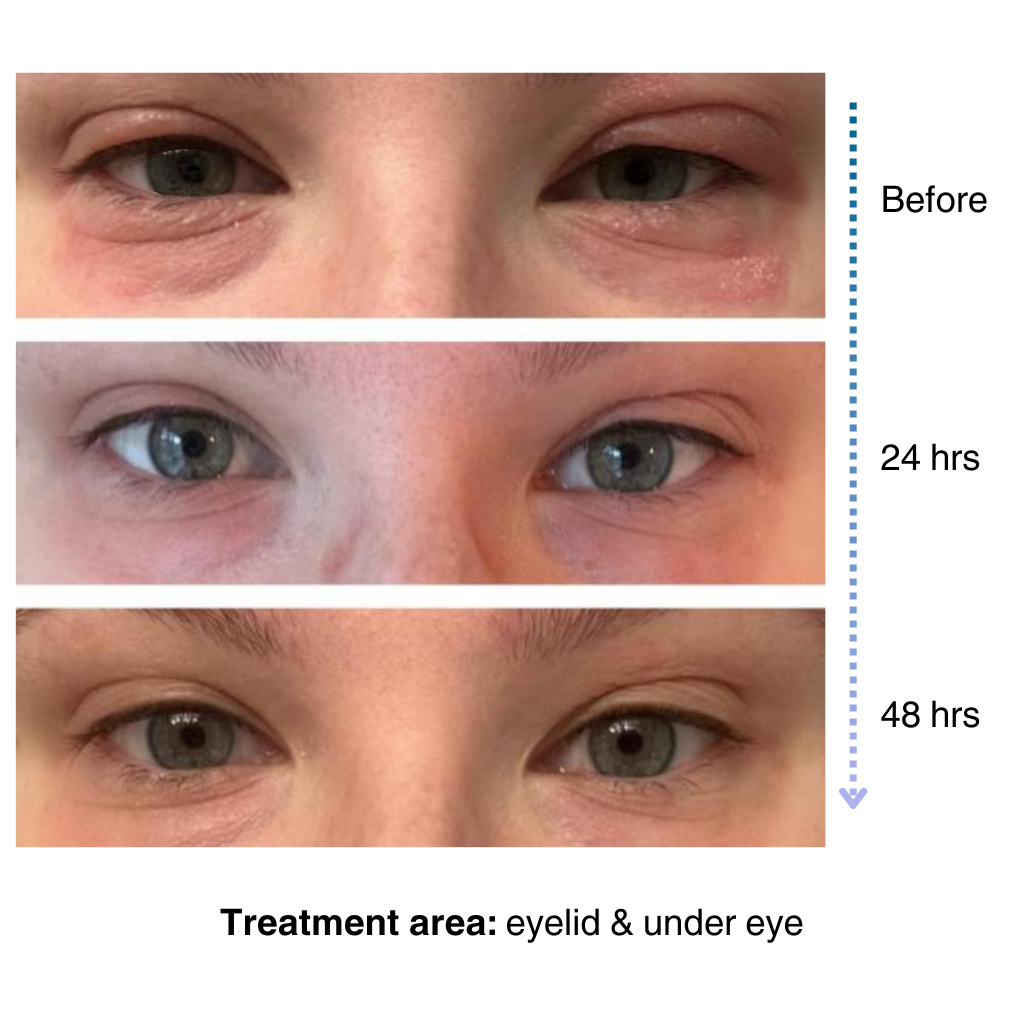
It’s easy to apply and isn’t chalky at all. I’ve been applying it multiple times a day… I’ve tried multiple new products to try and treat my eye eczema, and this is definitely the best I’ve tried so far.

"Game-changer for my son's eczema"

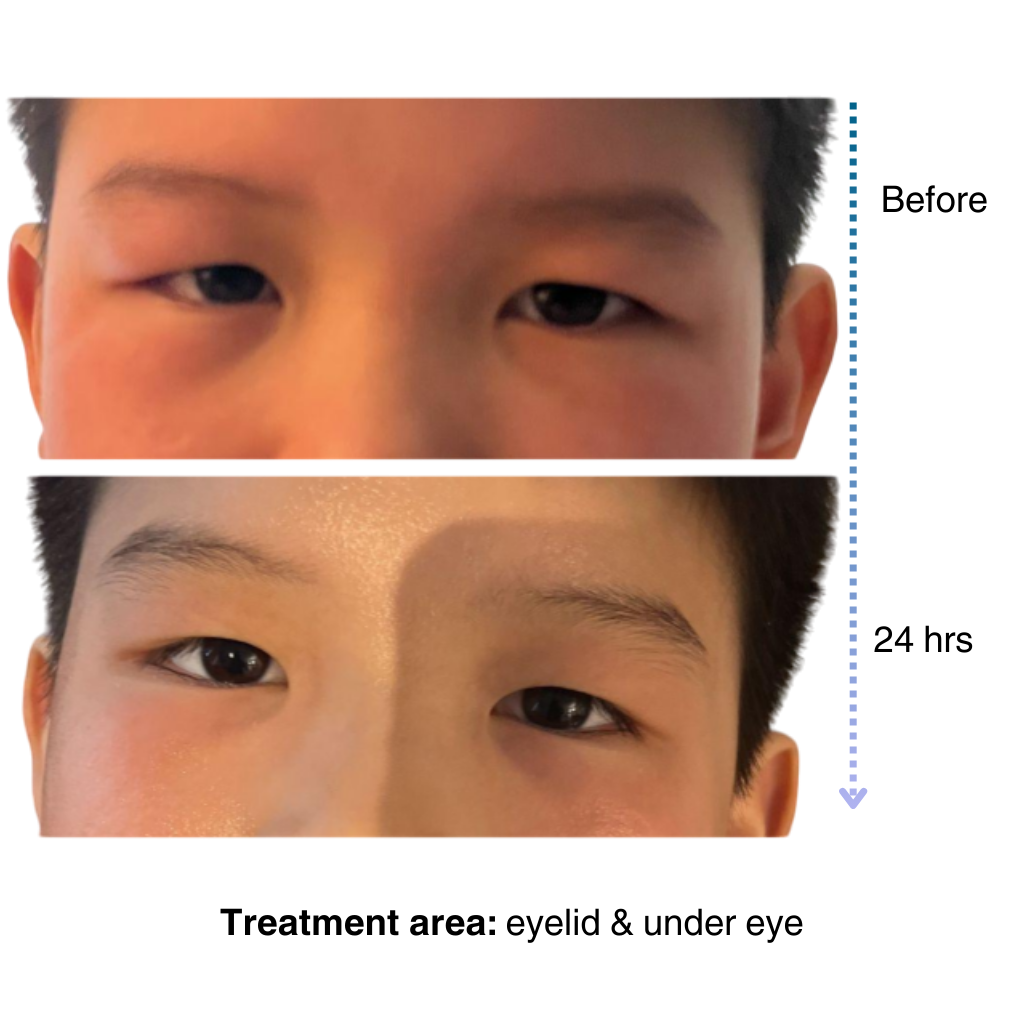
My 7-year old son has been dealing with eczema on his face for a long time, and it’s been so tough to find something that really works…..I’m amazed by the results! Within one day, the redness and rough patches on his face significantly improved…. he doesn’t mind using it at all because it doesn’t sting or feel greasy. – Lily
Newsletter Signup

Like many of you, our eczema journey is personal. That’s why we’re committed to creating a space for the eczema community to share experiences, be empowered through evidence-based solutions, and learn practical tips for daily life.  

– Sajjad, Founder & CEO of NellaDerm

Eczema treatment
Shopping Cart