
Eczema and Tattoos: What You Need to Know Before Getting Inked
Tattoos are a form of personal expression, a celebration of identity, and—for many—a lifelong decision. But if you live with eczema, getting inked may feel like risky territory. Can eczema-prone skin handle the tattooing process? Will it heal properly? Could it trigger a flare?
The relationship between eczema and tattoos is complex but not necessarily off-limits. With the right planning, realistic expectations, and aftercare, it’s possible for many people with eczema to safely get a tattoo. But there are important considerations to keep in mind before heading to the studio.
This article explores everything you need to know about eczema and tattoos, from risks and precautions to healing and long-term skin care.
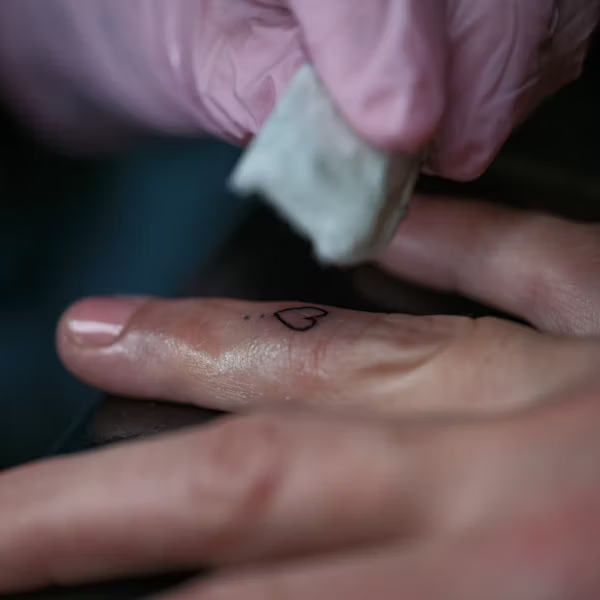
Can You Get a Tattoo If You Have Eczema?
Yes, but with caution.
Eczema (atopic dermatitis) is a chronic inflammatory skin condition marked by a compromised barrier and increased sensitivity to external irritants. Tattooing involves puncturing the skin thousands of times with needles to inject pigment into the dermis. This process:
- Temporarily damages the skin barrier
- Can introduce allergens or irritants
- Requires a strong healing response
If you’re in an active flare-up, your skin is more vulnerable to trauma, infection, and poor pigment retention. However, if your eczema is under control and the tattoo is placed on clear, unaffected skin, the procedure can be safe-especially when done by a professional familiar with sensitive skin.
Eczema & Tattoos Guide
What you'll learn about getting tattoos with eczema
-
1
Can You Get a Tattoo with Eczema?
-
2
Key Considerations
-
3
Tattoo Ink Allergies
-
4
Aftercare for Eczema Skin
-
5
Tattooing Over Scars
-
6
Emergency Aftercare Kit
-
7
Emotional Aspects
-
8
Alternative Options
-
9
When to Postpone
-
10
Tattoo Removal
-
11
Long-Term Care
-
12
Q&A Section
Key Considerations Before Getting a Tattoo with Eczema
1. Wait Until Your Skin Is Clear
Do not tattoo over:
- Active flare-ups
- Red, itchy, or scaly patches
- Broken or cracked skin
Tattooing inflamed skin can lead to:
- Poor ink absorption
- Increased scarring or keloids
- Longer healing time
- Secondary infection
2. Consult Your Dermatologist First
Before getting inked, talk to your dermatologist. They can help:
- Evaluate whether your eczema is stable enough for tattooing
- Suggest safer body areas based on your personal flare patterns
- Recommend topical treatments to prepare your skin for the procedure
3. Choose the Location Wisely
Avoid tattooing areas prone to:
- Frequent scratching
- Chronic flares (e.g., inside elbows, behind knees, hands)
- High friction or moisture (e.g., neck, underarms)
Better choices may include:
- Upper arm
- Back (if not affected by eczema)
- Calves or thighs
Tattoo Ink Allergies and Eczema
People with eczema are more prone to contact dermatitis—skin reactions caused by allergens or irritants. Tattoo inks, especially colored pigments, may contain:
- Nickel
- Chromium
- Cobalt
- Preservatives or carriers
These can potentially cause allergic reactions like:
- Redness or swelling around the tattoo
- Persistent itching
- Raised or bumpy texture (even months after healing)
If you’re concerned about a possible reaction, ask your tattoo artist about ink ingredients and consider a patch test with your dermatologist.
A 2022 study in Contact Dermatitis found that red ink reactions were the most common in patients with eczema-prone skin, often due to trace metals.
Tattoo Aftercare with Eczema: How to Protect Your Ink
Proper aftercare is critical—especially for eczema-prone skin, which heals slower and more reactively.
Immediate Aftercare Tips:
- Keep the tattoo clean and covered for the first 24 hours
- Wash gently with fragrance-free, pH-balanced cleanser
- Pat dry—never rub
Tattooing Over Eczema Scars: Special Considerations
If you have existing eczema scars in areas you’d like tattooed, there are additional factors to consider beyond tattooing on clear skin.
What to know about scar tissue tattooing:
Scarred skin often has altered texture and may not hold ink as evenly as undamaged skin
The tattooing process might feel different over scar tissue—either more or less sensitive
Healing may be unpredictable, with potential for ink bleeding or uneven distribution
Consultation is crucial:
Ask your tattoo artist to do a small test dot on the scarred area first
Consider a simpler design rather than intricate details over scar tissue
Be prepared for possible touch-ups after healing is complete
Realistic expectations:
Tattoos can camouflage discoloration but may not completely hide texture differences
Some people find therapeutic value in transforming their eczema scars into art
The emotional benefits can sometimes outweigh the aesthetic compromises
Emergency Kit: What to Have on Hand for Tattoo Aftercare with Eczema
Prepare these items before your tattoo appointment to ensure a smooth healing process.
Essential supplies:
Fragrance-free, dye-free antibacterial soap (like Cetaphil or Dove Sensitive)
Sterile non-stick gauze pads (not cotton balls, which can leave fibers)
Medical-grade adhesive tape (paper tape is less likely to irritate)
Your trusted eczema-friendly moisturizer in travel size
Cool packs (not directly on the tattoo—wrap in a clean cloth)
Clean, loose-fitting clothing that won’t rub against the fresh tattoo
For unexpected reactions:
Hydrocortisone cream (1%) for minor itching around—not on—the tattoo
Oral antihistamines like cetirizine for allergic-type itching
Your dermatologist’s contact information readily available
What to avoid in your aftercare kit:
Petroleum-based products that can trap heat and bacteria
Alcohol-based solutions that will dry out and irritate skin
Any new products you haven’t tested on your skin before
The Emotional Side: Tattoos as Empowerment vs. Regret
For many with visible eczema, tattoos represent reclaiming control over their skin’s narrative.
Positive psychological aspects:
Transforming skin you may have felt self-conscious about into a canvas of personal expression
Choosing designs that represent resilience, healing, or personal journey with eczema
The confidence boost that comes from taking calculated risks that pay off
Potential emotional challenges:
Anxiety during the healing process, constantly monitoring for flares
Disappointment if the tattoo doesn’t heal perfectly due to eczema complications
The dilemma of whether to explain your skin condition to curious strangers
Finding balance:
Start with a smaller, strategically placed tattoo to build confidence
Connect with others in the eczema community who have positive tattoo experiences
Remember that even tattoos with healing challenges often become cherished parts of your story
Alternative Options: Temporary and Semi-Permanent Solutions
If you’re hesitant about permanent tattoos, consider these eczema-friendly alternatives.
Henna tattoos:
Natural henna is generally safe, but avoid black henna which contains PPD (paraphenylenediamine)
Do a patch test on a small area of skin 24-48 hours before the full application
Temporary (1-3 weeks) allowing you to test how your skin reacts to the design and location
Inkbox and similar semi-permanent tattoos:
Lasts 1-2 weeks and fades naturally
Uses plant-based ingredients, but still requires patch testing
Great for trying out placement and size before committing to permanent ink
Jewelry and other forms of expression:
Consider meaningful jewelry in places you might want tattooed
Clothing with designs that express your personality
Other forms of body modification that might be better tolerated than tattoos
When to Postpone: Clear Signs Your Skin Isn't Ready
Sometimes the wisest tattoo decision is rescheduling. Here are definite red flags that indicate you should wait.
Medical reasons to postpone:
Any active flare within 6 inches of your planned tattoo location
Recent oral steroid use (within the past month)
Currently trying new medications or treatments that might affect healing
Recent skin infections or immune system challenges
Lifestyle timing considerations:
High-stress periods (exams, work deadlines, personal challenges)
Travel plans that would complicate aftercare routines
Seasonal changes that typically trigger your eczema
Upcoming events where you’d want the tattoo fully healed and looking its best
Trust your intuition:
If you feel anxious rather than excited, consider waiting
A good tattoo artist will support your decision to reschedule if needed
Remember: tattoo studios will always be there when your skin is ready
Tattoo Removal Considerations for Eczema-Prone Skin
While we hope you love your tattoo forever, it’s wise to understand removal options.
Laser removal challenges:
The process can potentially trigger Koebner phenomenon (new eczema at trauma sites)
Multiple sessions mean repeated skin trauma over the same area
Some ink colors (especially reds) may cause allergic reactions when broken down by laser
Alternative removal methods:
Surgical excision: Only feasible for small tattoos, creates a new scar
Salabrasion: An older method that can be particularly harsh on sensitive skin
Cover-up tattoos: Working with an artist to design a new tattoo over the old one
Pre-removal precautions:
Consult with both your dermatologist and a reputable removal specialist
Request a test spot treatment to see how your skin reacts
Ensure your eczema is well-controlled before starting any removal process
Eczema Products in the Market
NellaDerm’s gentle moisturizing stick is ideal for newly tattooed, eczema-prone skin.
Moisturize Correctly:
- Use a fragrance-free, non-comedogenic moisturizer to keep the area hydrated
- Apply thin layers—don’t suffocate the tattoo
- Avoid heavy ointments unless recommended by your artist or doctor
Avoid These:
- Scratching or picking at the scabbing
- Excessive washing or long showers
- Swimming (pool or ocean)
- Tight clothing that causes friction
Watch for Signs of Infection or Reaction:
- Pus or extreme redness
- Rash around the tattoo
- Blistering or weeping
- Severe pain beyond the normal healing process
If symptoms persist, contact your healthcare provider immediately.
Can Eczema Flare on a Tattooed Area?
Yes, but it’s unpredictable.
Some people with eczema experience:
- No flares on the tattooed skin at all
- Flare-ups near—but not on—the tattoo
- Rare cases of flares directly on the inked area (especially if exposed to allergens or trauma)
There’s no universal pattern, but maintaining your eczema care routine—moisturizing, managing triggers, reducing stress—can help reduce the likelihood of tattoo-related flares.
Long-Term Tattoo Care for Eczema-Prone Skin
Once your tattoo is fully healed (about 4–6 weeks), ongoing care is key:
- Continue daily moisturizing to support your barrier
- Use sun protection—eczema-prone skin and tattoos are both vulnerable to UV damage
- Avoid topical steroids directly on tattooed areas unless approved by your doctor, as they can fade ink over time
- If a flare occurs on or near your tattoo, treat early and gently
Q&A: Eczema and Tattoos
Q1: Will my tattoo look different if I have eczema?
If done on clear skin and cared for properly, your tattoo can heal normally. However, chronic scratching or future flares may affect its appearance over time.
Q2: Are there tattoo inks safer for sensitive skin?
Some brands offer hypoallergenic or vegan inks free from common allergens. Speak with your tattoo artist and ask for full ingredient disclosure.
Q3: Can I tattoo over old eczema scars?
Yes—but approach with caution. Scarred skin absorbs ink differently, and results may vary. Discuss this with both your dermatologist and tattoo artist before proceeding.
Final Thoughts
Getting a tattoo when you have eczema isn’t off-limits—but it requires thoughtful timing, a proactive plan, and extra care. By understanding the connection between eczema and tattoos, choosing the right artist and aftercare, and working closely with your dermatologist, you can safely enjoy body art that reflects your story—eczema and all.
For barrier-friendly skincare before, during, and after the inking process, explore NellaDerm’s eczema-safe collection—designed to support healing skin without harsh ingredients.
More Helpful Eczema Articles You Should Read
- Midday Skin Resets for Eczema-Prone Skin
- Commuting With Eczema: Transit, Cars, and Pollution
- Habit Stacking for Eczema: Skincare That Sticks
- Eczema and Coffee: Does Caffeine Affect Skin?
- Humidity Eczema Relief: Nighttime Bedroom Fixes
- Keloids and Eczema: Managing Scars on Dark Skin
- Nail Eczema: How to Care for Nails Without Stings
- Eczema in Newborns: What Parents Should Know
- Eczema and Arthritis: Hand-Care for Skin & Joints
- Eczema in College: A Budget-Friendly Survival Guide
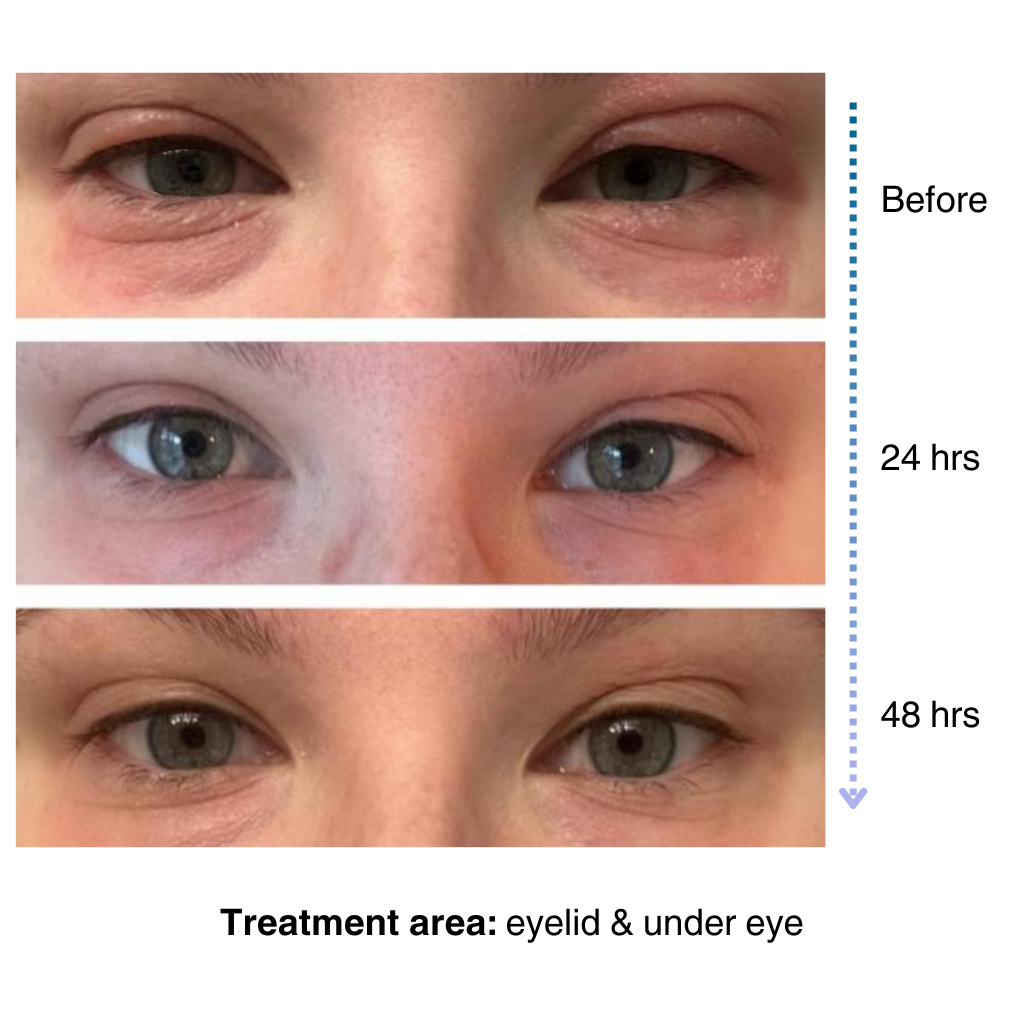
"...this is the best I've tried so far."
It’s easy to apply and isn’t chalky at all. I’ve been applying it multiple times a day… I’ve tried multiple new products to try and treat my eye eczema, and this is definitely the best I’ve tried so far.
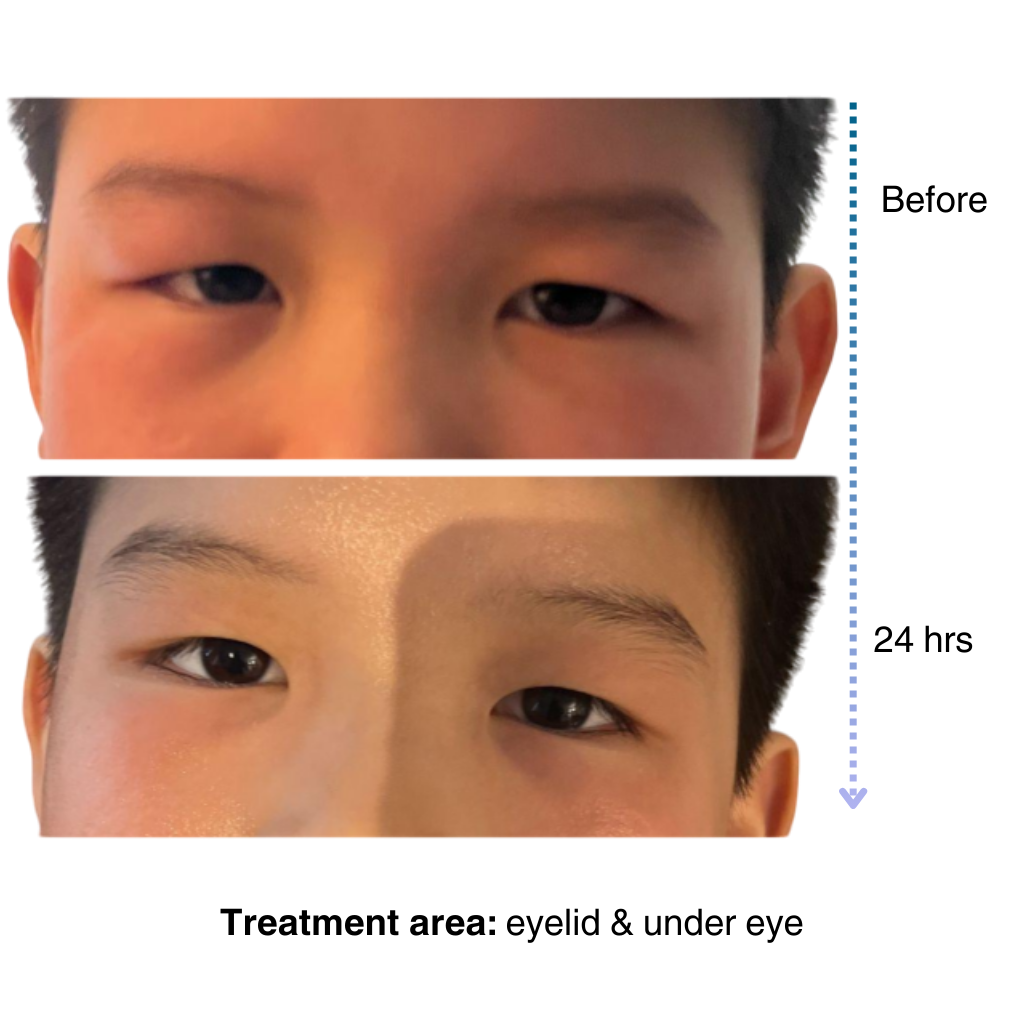
"Game-changer for my son's eczema"
My 7-year old son has been dealing with eczema on his face for a long time, and it’s been so tough to find something that really works…..I’m amazed by the results! Within one day, the redness and rough patches on his face significantly improved…. he doesn’t mind using it at all because it doesn’t sting or feel greasy. – Lily

Join our community
Get expert advice, exclusive offers, and real stories from people who understand your journey.
10% off your first order
Start your skincare journey with an exclusive discount
Eczema management tips
Practical advice for managing sensitive and eczema-prone skin
Early access to innovations
Be the first to try our latest technology and product releases
Join our email list
Get 10% off your first order when you sign up
Secure & Private
Instant Access
Premium Content
Like many of you, our eczema journey is personal. That’s why we’re committed to creating a space for the eczema community to share experiences, be empowered through evidence-based solutions, and learn practical tips for daily life.
– Sajjad, Founder & CEO of NellaDerm
