
Eczema concerns?
FREE
Get instant expert guidance with our smart AI platform.
Join NowWhen you’re in the throes of an eczema flare-up, itching, scratching, and inflamed—it’s natural to turn to home remedies. One such treatment that’s gained attention over the years is the vinegar bath. Long hailed in folk medicine for its antimicrobial properties, vinegar (particularly apple cider or white distilled) is now being revisited by science for its potential benefits in eczema care.

But the real question remains: Are vinegar baths a science-backed treatment for eczema or just a glorified myth?
In this article, we will explore what research says about vinegar’s impact on skin health, how it affects eczema symptoms, and how to safely incorporate it into your skincare routine.
A vinegar bath involves adding a small amount of vinegar typically apple cider vinegar (ACV) or white distilled vinegar to a lukewarm bath. The idea is to restore the skin’s natural acidity, improve the skin barrier, and reduce bacteria that may exacerbate eczema symptoms.
People with eczema often have a higher skin pH, which compromises the protective acid mantle of the skin. This can lead to increased moisture loss, inflammation, and a greater risk of bacterial infection especially from Staphylococcus aureus.
Vinegar has been used for medicinal and cosmetic purposes for thousands of years, dating back to ancient civilizations. Hippocrates, often called the father of modern medicine, used vinegar to clean wounds and treat various skin conditions. Ancient Egyptians employed vinegar in their beauty regimens, while traditional Chinese medicine incorporated it for its purported healing properties.
Throughout history, vinegar has been valued for its antimicrobial properties, particularly before the advent of modern disinfectants. In the 19th century, vinegar was commonly used as a household disinfectant and wound cleanser. This historical context helps explain why vinegar baths have persisted as a folk remedy for various skin conditions, including eczema.
The transition of vinegar from general disinfectant to specific eczema treatment likely occurred as people noticed its soothing effects on inflamed skin. While historical use doesn’t prove effectiveness, it does suggest that vinegar baths may offer some benefits that have been observed across generations.
While vinegar’s use as a disinfectant dates back centuries, modern science has begun to test its dermatological claims.
A 2012 study published in Seminars in Cutaneous Medicine and Surgery found that diluted vinegar had antibacterial activity against Staphylococcus aureus, a common trigger in eczema related infections. This provides evidence that vinegar can play a role in managing microbial imbalances on the skin’s surface.
Furthermore, the acetic acid in vinegar may help restore the acidic skin pH, which is often too alkaline in eczema patients. A balanced pH can strengthen the skin barrier, promote wound healing, and improve overall skin integrity.
A 2019 study in Pediatric Dermatology tested diluted apple cider vinegar soaks on children with atopic dermatitis. The researchers found some improvement in skin pH and mild antibacterial effects, though it was not a cure all. More research is needed to confirm long term outcomes and efficacy.
In another peer reviewed comparison, bleach baths a standard dermatological recommendation for reducing skin infections in eczema were pitted against vinegar baths. While both had antimicrobial properties, vinegar was seen as less irritating for some individuals, particularly children or those with chemical sensitivities.
To understand why vinegar baths might help eczema, it’s important to understand the skin barrier. The stratum corneum, the outermost layer of skin, functions as a protective barrier that prevents water loss and blocks entry of irritants and allergens. This barrier is maintained by lipids and natural moisturizing factors, and its optimal function depends on an acidic pH between 4.5 and 5.5.
In eczema patients, research shows the skin pH is often elevated to 6.0 or higher. This alkaline environment disrupts the activity of essential enzymes involved in lipid processing and barrier maintenance. The result is compromised barrier function, increased transepidermal water loss, and greater susceptibility to irritation and infection.
Acetic acid in vinegar works by helping to restore the skin’s natural acidic environment. When the pH is properly balanced, enzymes like beta glucocerebrosidase and acidic sphingomyelinase can function optimally, promoting the formation of ceramides and other lipids essential for a healthy barrier. This scientific understanding provides a mechanistic explanation for why vinegar baths might benefit eczema patients beyond simple antimicrobial effects.
Additionally, the slightly acidic environment created by vinegar baths may help reduce the activity of protease enzymes that can further damage the skin barrier in eczema. This dual action on both microbial balance and barrier function represents the potential value of vinegar baths in eczema management.
Helps reduce colonization of S. aureus, which can trigger and worsen eczema.
Helps restore the skin’s acid mantle, supporting barrier function.
Acetic acid can gently remove dead skin cells and buildup.
Vinegar is affordable, accessible, and easy to use at home.
Beyond the primary benefits already discussed, vinegar baths may offer several additional advantages for eczema management. The anti inflammatory properties of vinegar may help reduce redness and swelling associated with eczema flares. Some research suggests that acetic acid can modulate the activity of certain inflammatory cytokines, though human studies specific to eczema are limited.
Vinegar baths may also help with pruritus, the intense itching that characterizes eczema. By restoring proper skin pH and reducing bacterial load, vinegar baths may indirectly alleviate itching. Additionally, the cooling sensation of the bath itself can provide immediate temporary relief from itchiness.
For patients with secondary infections or impetiginized eczema, vinegar baths may serve as an adjunct to medical treatment. While they should never replace prescribed antibiotics for active infections, their antimicrobial properties might help prevent recurrence or spread of infection between medical treatments.
The psychological benefits of establishing a soothing bathing ritual should not be underestimated either. The regular practice of self care through vinegar baths may help reduce stress, which is known to exacerbate eczema symptoms for many patients.
Like any treatment, vinegar baths are not for everyone. Risks include:
It is also important to avoid applying undiluted vinegar directly to broken or oozing skin, as it can cause a painful burning sensation.
Certain individuals should exercise particular caution with vinegar baths or avoid them altogether. People with known vinegar allergies or sensitivities should obviously steer clear. Those with very sensitive skin or multiple chemical sensitivities may find even properly diluted vinegar too irritating.
Individuals with asthma or respiratory conditions should be aware that vinegar vapors might trigger respiratory symptoms in some cases, particularly in enclosed bathroom spaces with poor ventilation. Ensuring proper ventilation during and after the bath can help mitigate this risk.
For people with diabetes or peripheral neuropathy, special care must be taken to test water temperature carefully, as these conditions can impair temperature sensation and increase burn risk. Similarly, elderly individuals with thin, fragile skin may be more susceptible to irritation from vinegar baths.
Parents considering vinegar baths for children should consult a pediatrician or dermatologist first. Children’s skin is more permeable and may react differently to vinegar than adult skin. Always use lower concentrations for children and monitor closely for any adverse reactions.
Repeat 2 to 3 times per week during flare ups, or as recommended by a dermatologist.
The type of vinegar used can impact the effectiveness and safety of vinegar baths. Apple cider vinegar is popular due to its additional components like malic acid and trace minerals, but some people find white distilled vinegar less irritating. Unfiltered apple cider vinegar contains the “mother,” which has additional enzymes and bacteria that some believe enhance its therapeutic effects, though this may also increase the risk of irritation for sensitive individuals.
Water quality significantly influences vinegar bath outcomes. Hard water with high mineral content can interact with vinegar and potentially irritate skin. Using filtered water or adding a water softener to the bath may improve results for those with sensitive skin or in areas with hard water.
The timing of vinegar baths within your overall skincare routine matters. Many dermatologists recommend bathing in the evening to maximize overnight healing when the skin’s natural repair processes are most active. However, individual schedules and preferences should guide timing decisions.
For those who cannot take full body baths, vinegar compresses or foot soaks can target specific areas. Simply dilute vinegar in a basin of water and apply soaked cloths to affected areas for 10-15 minutes. This approach conserves vinegar and allows for targeted treatment.
If vinegar is not your thing or causes irritation consider these eczema safe alternatives:
Vinegar baths work best as part of a comprehensive eczema management plan rather than as a standalone treatment. They should complement, not replace, other essential elements of eczema care like regular moisturization, trigger avoidance, and prescribed medications when necessary.
Consider creating a weekly schedule that incorporates vinegar baths alongside other treatments. For example, you might use vinegar baths twice weekly, colloidal oatmeal baths once weekly, and plain water baths on other days. This rotation can provide different benefits while minimizing the risk of developing sensitivities to any single treatment.
Tracking your symptoms in a journal alongside your bathing routine can help identify patterns and optimize your approach. Note factors like vinegar concentration, bath duration, water temperature, and how your skin responds in the following days. This data can help you and your dermatologist refine your treatment plan.
Remember that eczema management requires patience and consistency. It may take several weeks of regular vinegar baths combined with other treatments to notice significant improvements. If you experience worsening symptoms or no improvement after a month, consult your dermatologist to reassess your approach.
So, are vinegar baths for eczema legit? The answer lies somewhere in the middle.
While not a standalone cure, scientific evidence supports vinegar’s antimicrobial and pH balancing properties, making it a helpful adjunct therapy for managing eczema symptoms especially in cases complicated by bacteria like Staphylococcus aureus.
However, it is not a one size fits all solution. If you are interested in trying vinegar soaks, start slowly, watch your skin’s response, and always pair soaks with moisture barrier restoration, like those offered in NellaDerm.com‘s dermatologist designed line.
Want more eczema care tips and treatments? Visit the NellaDerm Eczema Knowledge Hub for research backed advice and product support.
1. What property of vinegar helps in managing eczema-related infections?
2. What is a safe vinegar amount to add to a full lukewarm bath for adults?
3. Should you apply undiluted vinegar directly on broken eczema skin?
Calculate how much vinegar you need based on your bath size (liters):
Recommended vinegar amount: — cups
Recommended dilution: about 1-2 cups per 80 liters (~20 gallons) of bathwater.Yes, but always dilute vinegar more (start with ½ cup) and consult a pediatric dermatologist before use.
Both contain acetic acid. Apple cider vinegar has extra plant compounds, but white vinegar may be gentler for sensitive skin.
It's not recommended as essential oils can irritate eczema-prone skin, especially with vinegar’s acidity.
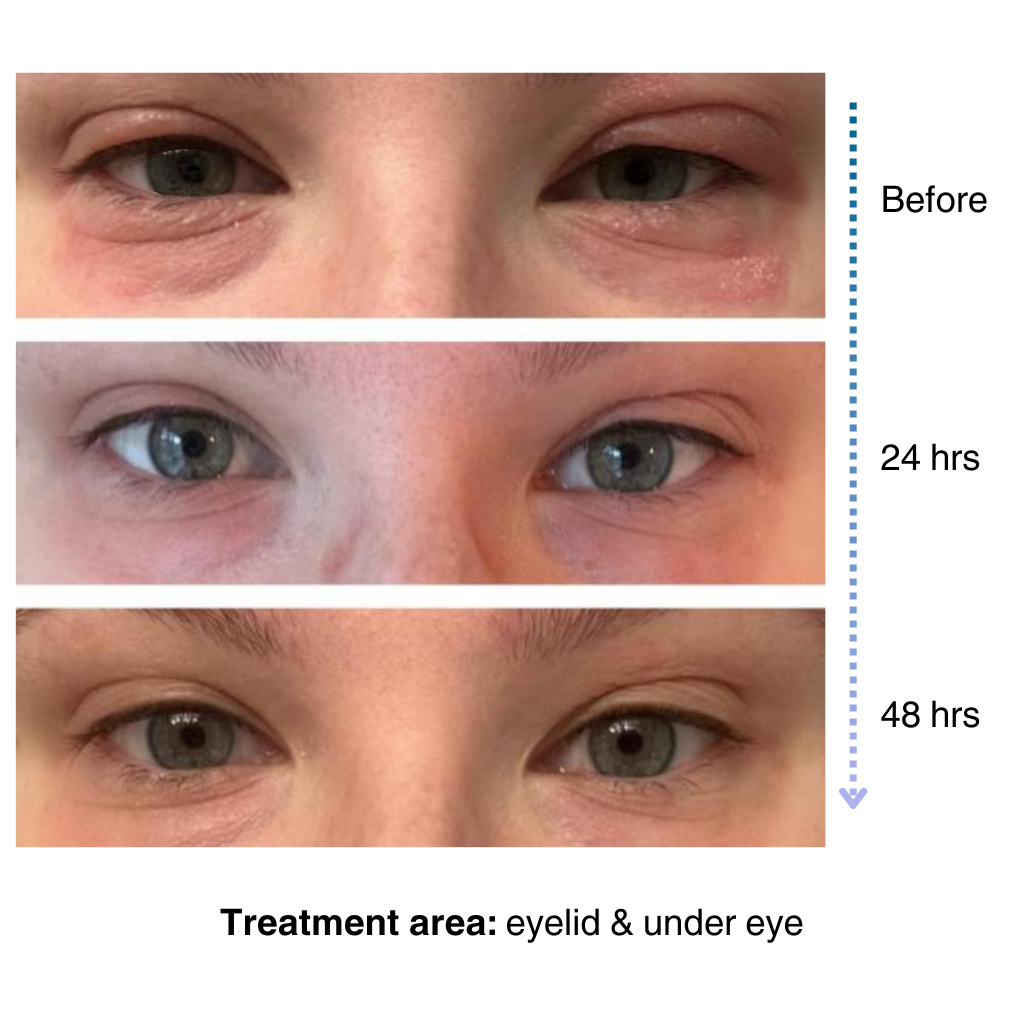
It’s easy to apply and isn’t chalky at all. I’ve been applying it multiple times a day… I’ve tried multiple new products to try and treat my eye eczema, and this is definitely the best I’ve tried so far.
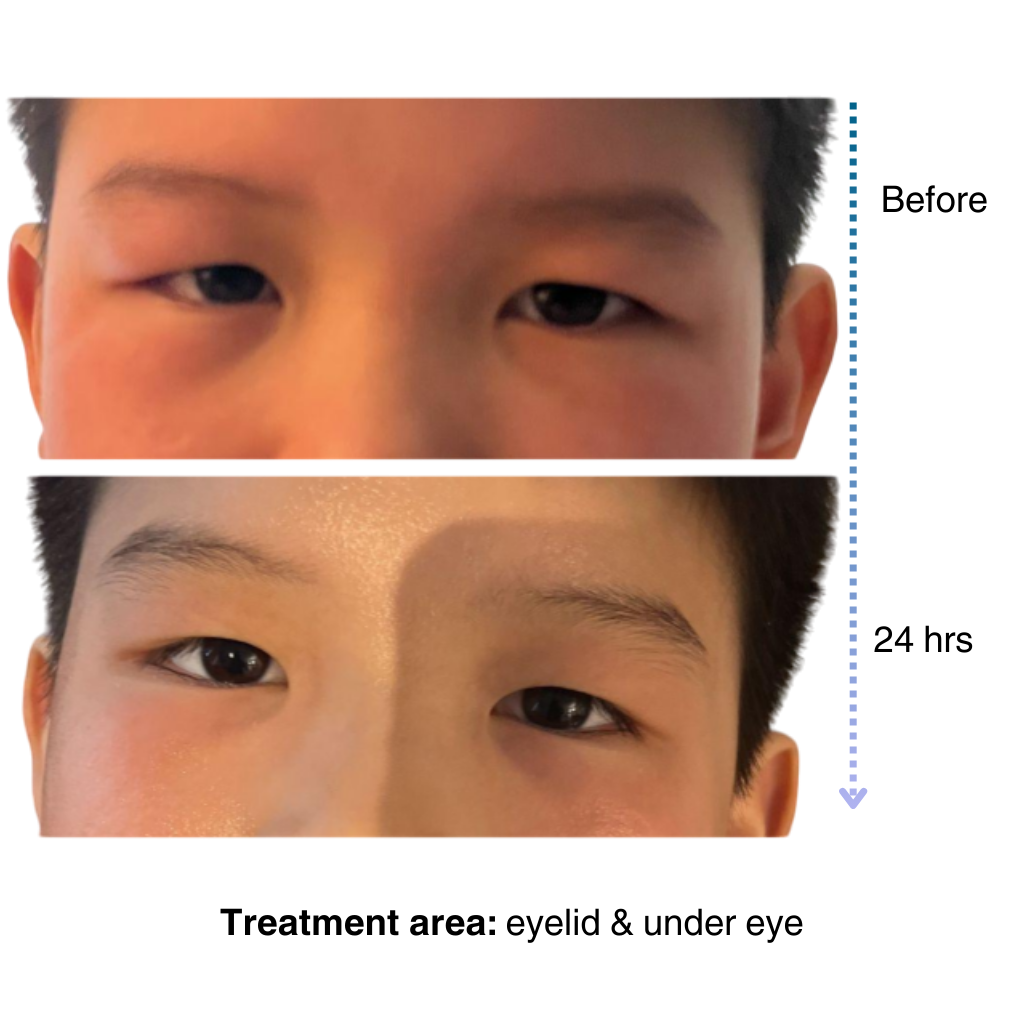
My 7-year old son has been dealing with eczema on his face for a long time, and it’s been so tough to find something that really works…..I’m amazed by the results! Within one day, the redness and rough patches on his face significantly improved…. he doesn’t mind using it at all because it doesn’t sting or feel greasy. – Lily

Get expert advice, exclusive offers, and real stories from people who understand your journey.
Start your skincare journey with an exclusive discount
Practical advice for managing sensitive and eczema-prone skin
Be the first to try our latest technology and product releases
Get 10% off your first order when you sign up
Secure & Private
Instant Access
Premium Content
Like many of you, our eczema journey is personal. That’s why we’re committed to creating a space for the eczema community to share experiences, be empowered through evidence-based solutions, and learn practical tips for daily life.
– Sajjad, Founder & CEO of NellaDerm
