Eczema concerns?
FREE
Get instant expert guidance with our smart AI platform.
Join NowYoga is not just for flexibility it is a powerful tool for calming inflammation, reducing stress, and supporting skin health. For those with eczema, a mindful yoga practice may offer surprising relief not by treating the skin directly, but by addressing internal imbalances that often trigger flare-ups. From improving immune regulation to lowering cortisol levels, research increasingly supports the connection between eczema and yoga. In this guide, we explore how specific poses, breathwork, and meditative practices can complement your eczema care routine and which ones to avoid.
Eczema (atopic dermatitis) is a chronic inflammatory condition rooted in both immune dysfunction and skin barrier disruption. While topical treatments like NellaDerm’s NovaNella Eczema Stick can manage symptoms externally, yoga works on the internal stress and inflammation that fuel flare ups.
Here is how yoga supports eczema:
Psychological stress is a well documented eczema trigger. It raises cortisol, a hormone that suppresses skin immunity and increases inflammation. Regular yoga practice has been shown to lower cortisol levels, promote relaxation, and improve sleep all of which protect the skin barrier.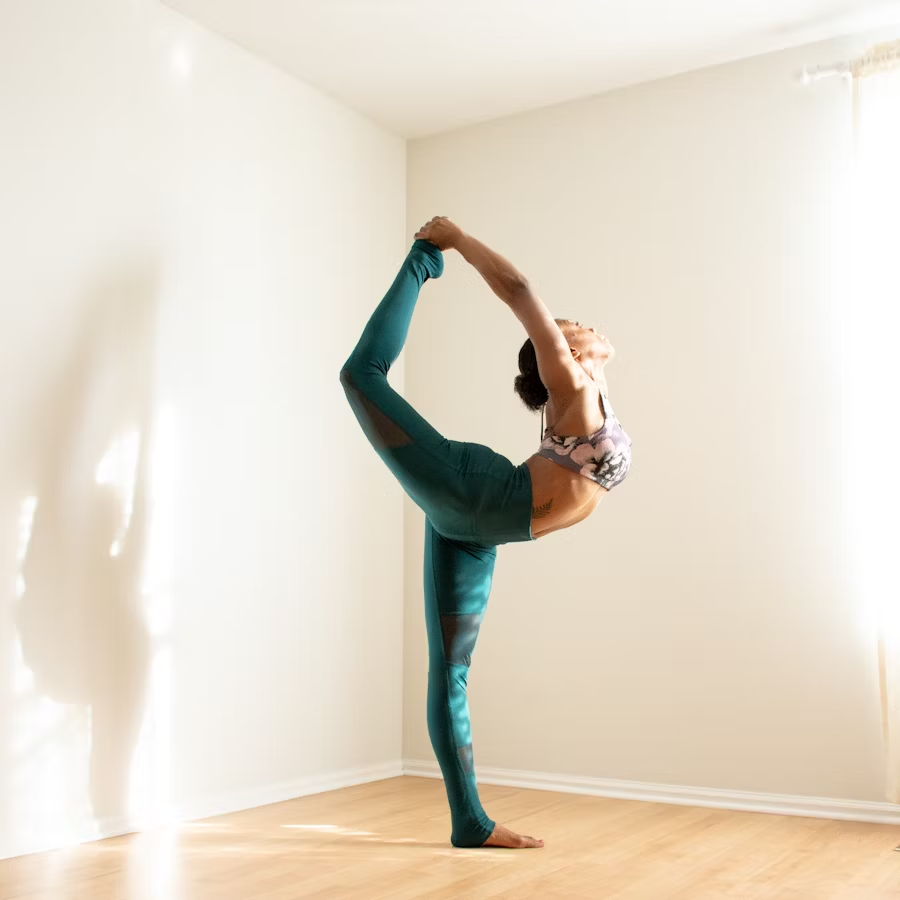
Yoga stimulates lymphatic flow and blood circulation, helping flush out toxins and deliver oxygen to inflamed skin. Certain inversions and twists promote detox pathways, supporting overall skin health.
Mindfulness practices in yoga help reduce anxiety and emotional reactivity, both of which are linked to flare severity in eczema patients. A calmer mind often means calmer skin.
A 2024 NIH study found that mind body interventions, including yoga, reduced itch intensity and flare frequency in chronic eczema sufferers by improving perceived stress levels and sleep quality.
The results support using yoga as a complementary treatment, especially in patients whose eczema worsens with stress, anxiety, or insomnia.
Below are beginner friendly poses that help activate the parasympathetic nervous system (your “rest and digest” state) and lower internal inflammation. Hold each pose for 5 to 10 breaths, or as long as comfortable.
A grounding posture that soothes the nervous system and quiets the mind. Perfect for beginning and ending your practice.
An accessible inversion that encourages lymphatic drainage and reduces swelling or heat in the body.
A gentle spinal flow that mobilizes the spine and increases circulation.
A balancing pose that builds focus, inner stability, and body awareness.
A restorative heart opening pose that relieves tension, reduces anxiety, and promotes parasympathetic nervous system activation.
Consistency is key when using yoga to manage eczema symptoms. Establishing a daily practice, even if brief, can provide cumulative benefits for your skin health and overall wellbeing. A well structured routine should address both physical tension and mental stress while being adaptable to your current skin condition.
Begin with a morning practice of 10 to 15 minutes to set a calm tone for your day. Focus on gentle stretches and breathing exercises that awaken your body without overstimulating your nervous system. Evening practices should emphasize relaxation and preparation for restful sleep, which is crucial for skin repair and regeneration.
Track your practice alongside your eczema symptoms in a journal. Note any correlations between specific poses, breathing techniques, or meditation practices and improvements in itch intensity, redness, or flare frequency. This data will help you refine your routine to maximize benefits for your unique skin needs.
Yoga is not just about movement pranayama, or breath control, is just as powerful. These techniques lower inflammation by shifting the body into a rest and repair mode.
This technique balances the nervous system and lowers acute stress, helpful during flare ups.
Balances right and left brain activity, improves focus, and calms emotional spikes that could trigger itching.
Avoid rapid, intense breathwork (e.g., Kapalabhati) during eczema flares, as it may increase body heat and agitation.
Not all yoga environments or materials are skin friendly. Here is how to protect your skin during practice:
Even 10 minutes of guided mindfulness meditation after yoga can enhance eczema management. Studies show mindfulness reduces flare frequency, improves sleep, and enhances skin healing capacity through lowered inflammatory cytokine activity.
Free resources like Insight Timer or Headspace offer eczema specific stress meditations.
For those with an established yoga practice, certain advanced techniques can provide deeper support for eczema management. Yin yoga, which involves holding poses for extended periods, can access deeper connective tissues and promote profound relaxation. Restorative yoga using multiple props creates complete physical support, allowing your nervous system to fully release into rest and digest mode.
Yoga nidra, or yogic sleep, is a guided meditation practice that induces deep relaxation while maintaining consciousness. Research indicates that regular yoga nidra practice can significantly reduce inflammatory markers and improve skin barrier function. This practice is particularly beneficial during eczema flares when physical movement may be uncomfortable.
Always listen to your body and respect your current limitations. During active flares, prioritize gentle restorative practices over vigorous sequences. Your practice should support your healing journey, not create additional stress or discomfort.
No. Yoga is a complementary therapy, not a replacement for medical treatment. It works best when paired with topical therapies, moisturizers, and dermatological advice.
Sweat can be irritating, especially if it dries on the skin. Gently pat skin dry during class and moisturize afterward. For more detailed information, check out our blog on eczema and exercise.
Gentle, restorative, or Hatha yoga are best. Avoid vigorous styles (like Bikram or Ashtanga) during flares.
While some people notice reduced stress and improved sleep within days, significant changes in eczema symptoms typically take 4 to 8 weeks of consistent practice. The benefits accumulate over time as your nervous system becomes more resilient to stress triggers.
Yoga is not a cure for eczema but it is a powerful way to support your skin from the inside out. By managing stress, improving circulation, and promoting mindfulness, yoga creates the inner environment your skin needs to heal and thrive.
Whether you are a seasoned yogi or just rolling out your first mat, small daily practices can have a big impact over time. Pair your routine with NellaDerm’s dermatologist formulated eczema products to soothe and strengthen your skin barrier for lasting comfort.