Eczema at School: A Parent’s Guide to Ensuring Comfort and Academic Success
Eczema, formally known as atopic dermatitis, is one of the most common chronic skin conditions in children, affecting up to 20% of school aged kids globally. While it is typically manageable with proper daily care, the school environment introduces a unique and complex set of challenges. Classrooms, gyms, and playgrounds are not just spaces for learning—they are also environments full of eczema triggers like fluctuating temperatures, intense stress, chemical allergens, and, unfortunately, peer social dynamics.
For parents, teachers, and caregivers, supporting a child with eczema in the school setting requires clear, consistent communication, practical preventative strategies, and deep compassion. When a proactive plan is implemented correctly, it allows the child to fully participate in school life, focusing on learning and social growth without the constant distraction, embarrassment, or discomfort of an eczema flare up. This guide provides a comprehensive framework for achieving school success while managing this chronic condition.
Understanding the Impact of Eczema in the School Environment
The effects of eczema on a child in a school setting go far beyond mere itchy skin. The condition can significantly impact nearly every aspect of the school day, from concentration to social interaction.
Physical and Academic Disruption
Physical Discomfort: Persistent itchiness, painful dryness, and the constant physical irritation of a rash are major distractions. It makes it incredibly hard for a child to sit still, concentrate during lessons, or even hold a pencil comfortably during exams.
Sleep Deprivation: Severe nighttime flares—the infamous “itch scratch cycle”—interfere with restorative sleep. This leaves children tired, moody, and less focused in class, mimicking symptoms of learning difficulties or behavioral issues.
Lower Academic Performance: This connection is supported by research. A 2023 study in the British Journal of Dermatology found that children with atopic dermatitis were more likely to have lower academic performance and significantly reduced classroom engagement, particularly during periods of intense flare ups.
Social and Emotional Toll
Social Stress and Teasing: Visible rashes, scaling, or skin discoloration can unfortunately lead to stares, uncomfortable questions, or even bullying and teasing from peers. This can severely impact a child’s confidence, self esteem, and willingness to participate in group activities.
Embarrassment and Self Isolation: Children may try to hide their skin, avoid activities like swimming or gym class, or refuse to change clothes, leading to feelings of embarrassment and social exclusion.
Missed School Days: Severe flares, secondary skin infections, or required specialized dermatology appointments often mean the child must miss valuable instructional days, further disrupting their academic progress.
Strategies for Managing Eczema at School: A Proactive Plan
Successful management requires a collaboration between the home, the school nurse, and the classroom teacher.
1. Develop an Individual Healthcare Plan (IHP)
An Individual Healthcare Plan (IHP) is arguably the most essential tool for ensuring that school staff are fully aware of your child’s condition and understand the non negotiable protocol for care and response. This is a formal document, often prepared with input from your child’s dermatologist. The IHP should clearly detail:
Known Triggers: A clear list of specific triggers (heat, stress, specific dust, cleaning products, synthetic fabrics, or perfume).
Medication Protocol: When and how to apply prescribed topical medications, including the exact dosage, location, and frequency (with written, signed permission from a healthcare provider).
Moisturizing Schedule: Instructions on administering moisturizers or barrier creams at specific times, such as immediately after handwashing, before outdoor play, or after gym class.
Flare Up Management: Clear, step by step instructions on how to handle sudden intense itching, pain, or visible flares, including steps for cooling the skin or applying wraps.
Emergency Contacts: A clear list of primary and backup emergency contacts and where reserve medication supplies are stored.
This plan should be formally shared with and acknowledged by teachers, the school nurse, physical education staff, and administrators. Resources like the National Eczema Society often provide useful templates for structuring this communication.
2. Educate and Empower School Staff
Never assume that educators understand eczema. Many are unaware that the condition is not contagious, or that it is highly individual and must be treated with immediate intervention, not dismissal. A brief, polite meeting or a concise, written guide can help clarify these key points:
The Reality of Eczema: Emphasize that eczema is an immune condition, not poor hygiene.
The Necessity of Breaks: Explain the importance of allowing your child to take brief moisturizing breaks, particularly after handwashing, using harsh soap in the bathroom, or post gym class to prevent sweat irritation.
Identifying Distress: Teach staff how to identify when your child is in silent discomfort (e.g., increased fidgeting, irritability, rubbing against surfaces, poor concentration) before the visible scratching starts.
Stigma Reduction: Highlight the psychological toll of eczema and the need for sensitive, stigma free classroom support. Staff training helps ensure a prompt, informed response during a flare, preventing it from escalating.
3. Create a Personalized School Skincare Kit
Equip your child with a personalized, well stocked eczema care kit that can be kept in their backpack or, preferably, the school nurse’s office for safekeeping. This kit should be designed for quick, mid day interventions.
Moisturizers: A generous supply of the specific, fragrance free moisturizer or barrier cream your child uses (e.g., an ointment with ceramides).
Treatments: Prescribed topical treatments (labeled and with written instructions).
Gentle Wipes: Hypoallergenic, fragrance free wipes for cleanup or to cool the skin when water is not immediately available.
Change of Clothes: A breathable, clean set of cotton clothing (e.g., an extra soft cotton shirt and pants) in case a flare causes too much discomfort under their uniform or if they become sweaty.
A School Friendly Applicator: Products like NellaDerm’s NovaNella Stick are excellent for school use—compact, steroid free, safe for reapplication, and eliminate the need for the child to apply cream with messy fingers.
Addressing Environmental and Activity Triggers
The school environment is full of potential triggers that need thoughtful mitigation.
Classroom and Activity Adjustments
Temperature Control: Overheated classrooms or gymnasiums are major causes of flares due to sweating and moisture loss. Collaborate with teachers to implement simple adjustments: allow the child to sit near an open window, grant permission for a small desk fan, or permit them to wear lighter, cooler clothing underneath the uniform.
Water and Chlorine: Chlorinated pools during swimming lessons can be highly irritating. Work with the teacher or coach to allow the child to opt out of chlorinated water activities during a flare, or ensure a strict protocol of immediate showering with gentle soap and heavy moisturizing immediately after pool exit.
Fabrics and Uniforms: Rough or synthetic uniform fabrics can cause painful friction and trap heat. Work with the school administration to obtain permission for cotton based alternatives or undershirts that are less irritating, even if they deviate slightly from the standard uniform policy.
Handling Itch: Empower the student to step out of the classroom for a moment to apply cream or cool down during intense itching or discomfort. It is far better to allow a two minute break than to let the itch spiral into a destructive scratching episode.
Post Activity Cleansing
Physical Education and outdoor play are crucial for a child’s development, but sweat is an irritant.
Before and After: Ensure the child applies a light layer of moisturizer before activity to create a protective barrier. Immediately after activity, they should use hypoallergenic wipes or water to remove sweat and then reapply their barrier cream. Sweat left sitting on the skin is a prime trigger.
Social and Emotional Support
The emotional impact of eczema cannot be overstated. Supporting your child’s confidence is as vital as supporting their skin barrier.
Practice Responses: Help your child feel confident by practicing how to respond calmly and simply to questions about their skin (e.g., “It’s just eczema; it’s not contagious, but it makes my skin dry”).
Open Conversation: Encourage open conversations at home about how they feel after school. Ask specific questions about peer interactions, not just physical symptoms.
Monitor for Bullying: Reach out to teachers and the school counselor to monitor for any signs of bullying or social exclusion. Schools must be obligated to intervene when visible medical conditions are the target of teasing.
Reinforce Identity: Consistently reinforce the message that eczema is just one small part of who they are—it is not a flaw or a definition. Focus on their talents and interests to build self esteem that transcends their skin condition.
Q&A: Eczema at School
Q1: How can I help my child manage eczema triggers at school?
Work proactively with school staff to identify and mitigate environmental triggers like excessive heat or harsh restroom soaps. Provide your child with a fully stocked skincare kit and formally establish moisturizing breaks as an essential part of their daily routine to reinforce the skin barrier consistently.
Q2: What should be the most crucial components of my child’s Individual Healthcare Plan (IHP)?
Your IHP must clearly detail the child’s known flare triggers, the specific instructions for administering prescribed topical treatments, the mandatory schedule for moisturizer reapplication, steps for managing emergencies, and any necessary modifications for physical activity or uniform rules.
Q3: How can teachers and classmates best support a student with eczema?
Teachers can support students by creating a stigma free, judgment free classroom, allowing brief, discreet skincare breaks, and gently educating peers that eczema is a non contagious medical condition. Classmates should be encouraged to show empathy and kindness, rather than curiosity or judgment.
Q4: Is it safe for my child with eczema to participate in gym and outdoor play?
Yes, absolutely, but with essential precautions. Ensure they apply moisturizer immediately before and after activity, wear loose, breathable cotton clothing, and drink plenty of water. Post activity cleansing with gentle wipes or a shower is crucial to remove sweat residue that can trigger irritation.
Final Thoughts: The Path to School Success
Eczema at school is more than a simple medical issue—it is a significant quality of life issue that impacts learning, mood, and social development. The classroom can be a place of both empowerment and profound challenge for children with this condition. But by establishing a proactive, formalized plan, maintaining supportive communication with school staff, and equipping the student with the right tools, these challenges can be effectively minimized. Parents, teachers, and peers all have a role to play in creating an environment where children with eczema are understood, accepted, and empowered to thrive both academically and socially.
Would you like me to draft a concise, one page summary of the essential Eczema IHP points that you can share with your child’s school nurse?
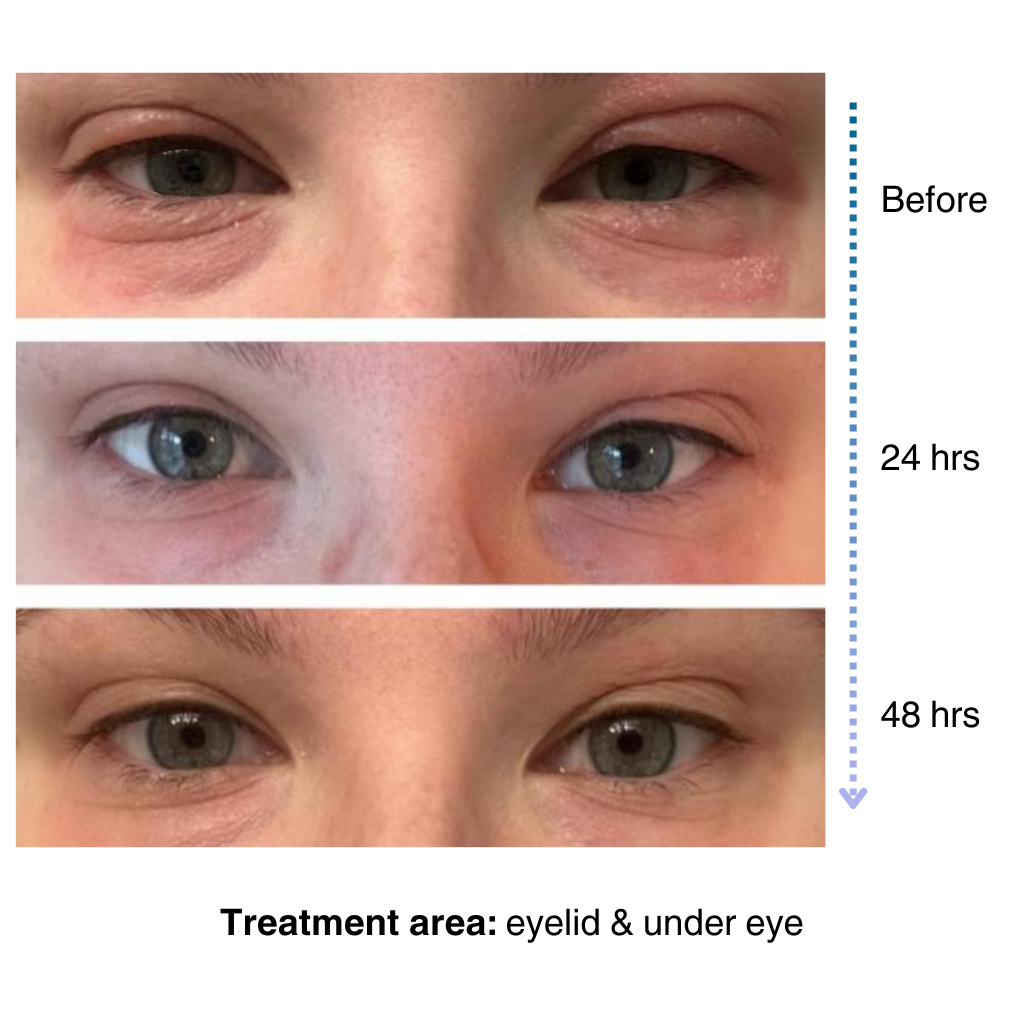
It’s easy to apply and isn’t chalky at all. I’ve been applying it multiple times a day… I’ve tried multiple new products to try and treat my eye eczema, and this is definitely the best I’ve tried so far.
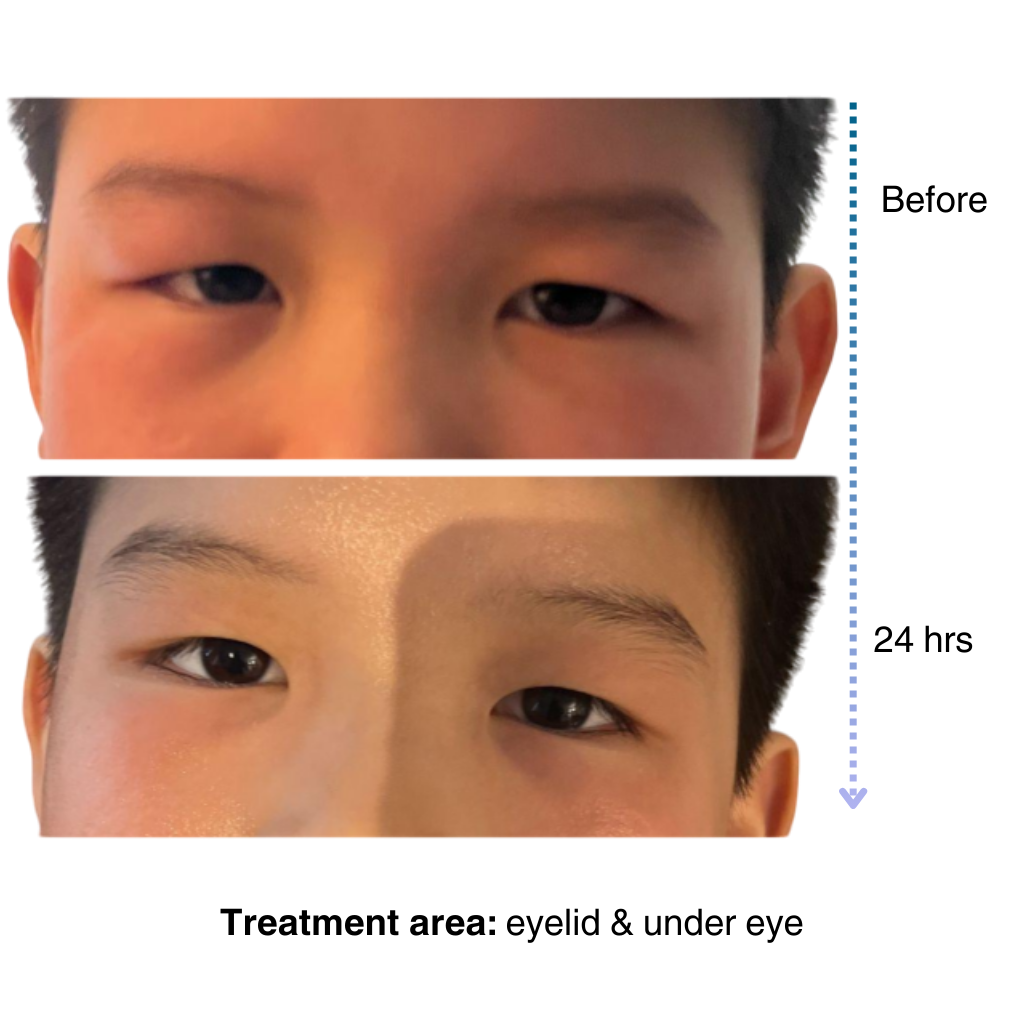
"Game-changer for my son's eczema"
My 7-year old son has been dealing with eczema on his face for a long time, and it’s been so tough to find something that really works…..I’m amazed by the results! Within one day, the redness and rough patches on his face significantly improved…. he doesn’t mind using it at all because it doesn’t sting or feel greasy. – Lily
Like many of you, our eczema journey is personal. That’s why we’re committed to creating a space for the eczema community to share experiences, be empowered through evidence-based solutions, and learn practical tips for daily life.