
Eczema concerns?
FREE
Get instant expert guidance with our smart AI platform.
Join NowUnderarm skin is thin, warm, and often shaved. That combination makes it vulnerable to irritation and allergic reactions from products you use every single day. If your pits sting after you shower, if “natural” sticks make you rashy, or if you cannot tell deodorant from antiperspirant, this guide will calm the chaos. We will translate the chemistry into plain language, show you what to look for on labels, and give you a realistic routine for choosing an eczema deodorant you can wear all day without drama.
Evidence snapshot: Fragrance ingredients are a leading cause of allergic contact dermatitis from deodorants. A 2011 Contact Dermatitis population study found deodorants were the single most common cosmetic trigger among people with fragrance allergy—one reason “fragrance-free” matters so much for sensitive underarms.
For eczema-prone skin, either category can work if you mind the details. Your best eczema deodorant will be fragrance-free, low in potential irritants, and matched to how much you actually sweat.
Fragrance is the number one booby trap in this aisle. It hides in “clean” and “fresh” scents, essential oils, and even some “unscented” products that use masking fragrance. On thin or freshly shaved skin, fragrance mixes can trigger delayed allergic rashes that look and feel exactly like eczema, because they are.
How to avoid it
If your underarm rash keeps returning, talk with a dermatologist about patch testing so you can identify exactly which fragrance components or preservatives you should avoid long term. The result is often a short, safe shopping list instead of years of guessing.
Aluminum compounds such as aluminum chlorohydrate or aluminum zirconium are the active ingredients in antiperspirants. They reduce wetness, which reduces odor. Many people with eczema tolerate aluminum-based antiperspirants well, especially if they are fragrance-free and paired with a little moisturizer after shaving. Irritation usually comes from how and when you apply them, not from aluminum alone.
Tips for better tolerance
If your main complaint is wetness, a fragrance-free antiperspirant can still be your best eczema deodorant. Start with minimal application and increase only if needed.
Many “natural” deodorants lean on baking soda for odor control. It is effective at neutralizing smell, but it is alkaline, while your skin barrier prefers a slightly acidic pH. That mismatch can mean dryness, burning, or a classic itchy ring in the underarm fold, especially on recently shaved or already inflamed skin. If you love the simplicity of “short-list” formulas but keep breaking out, look for baking-soda-free options that use alternatives like magnesium hydroxide, zinc salts, or gentle antimicrobial actives. Your underarms will thank you.
When in doubt, scan for these:
Good signs
Caution flags
Morning if you use deodorant
Night if you use antiperspirant
On shave days
During flares
A red ring that burns after a “natural” stick
Likely irritant dermatitis from high baking soda content or friction from powders. Switch to baking-soda-free deodorant, moisturize before reapplication, and avoid vigorous scrubbing when you wash.
Itchy rash that flares a day after use
Suspicious for allergic contact dermatitis, often from fragrance. Stop the product and ask your dermatologist about patch testing to pinpoint the culprit.
Sting with aluminum antiperspirant
Try applying at night on dry skin, using less product, and moisturizing first. If irritation persists, consider a gentler salt form or switch to aluminum-free plus better fabric and laundry choices.
Day 0: Reset
Week 1: Introduce One Candidate
Week 2: Adjust
At the end of two weeks, keep the option that gives you comfort with the least irritation and the least complexity.
Teens and first deodorants
Stick to fragrance-free basics. Teach them to apply a tiny amount and to wait a day after shaving before use.
Pregnancy and nursing
Fragrance-free still rules. If nausea makes scented products intolerable, the fragrance-free aisle will be your friend. Antiperspirants are widely used in pregnancy; talk to your clinician if you have special concerns.
If you only read one paper today, make it this: “Deodorants are the leading cause of allergic contact dermatitis to fragrance ingredients”—a Contact Dermatitis study that explains why fragrance-free is your safest starting point for an eczema deodorant.
There is no single perfect eczema deodorant for everyone, but there is a perfect process. Start fragrance-free. Decide whether you need odor control only or true wetness control. Be cautious with baking soda. Apply at night for antiperspirants and after shaving only once skin is calm. If rashes keep boomeranging back, ask for patch testing so you can stop guessing. With the right label-reading and a two-week test, comfortable underarms are not a fantasy, they are a routine.
Do aluminum antiperspirants “block toxins” from leaving the body?
No. They reduce sweat locally in the underarm by forming temporary plugs. Your body has many other ways to regulate temperature and excrete waste.
Is magnesium hydroxide better than baking soda?
Many with sensitive skin tolerate magnesium hydroxide formulas better because the pH is closer to skin’s natural acidity. You still need to trial it on your skin.
What if nothing works?
If you truly cannot tolerate underarm products, combine fragrance-free laundry, breathable fabrics, and strategic rinses after workouts. Consider medical support if sweat is extreme.
It’s easy to apply and isn’t chalky at all. I’ve been applying it multiple times a day… I’ve tried multiple new products to try and treat my eye eczema, and this is definitely the best I’ve tried so far.
My 7-year old son has been dealing with eczema on his face for a long time, and it’s been so tough to find something that really works…..I’m amazed by the results! Within one day, the redness and rough patches on his face significantly improved…. he doesn’t mind using it at all because it doesn’t sting or feel greasy. – Lily
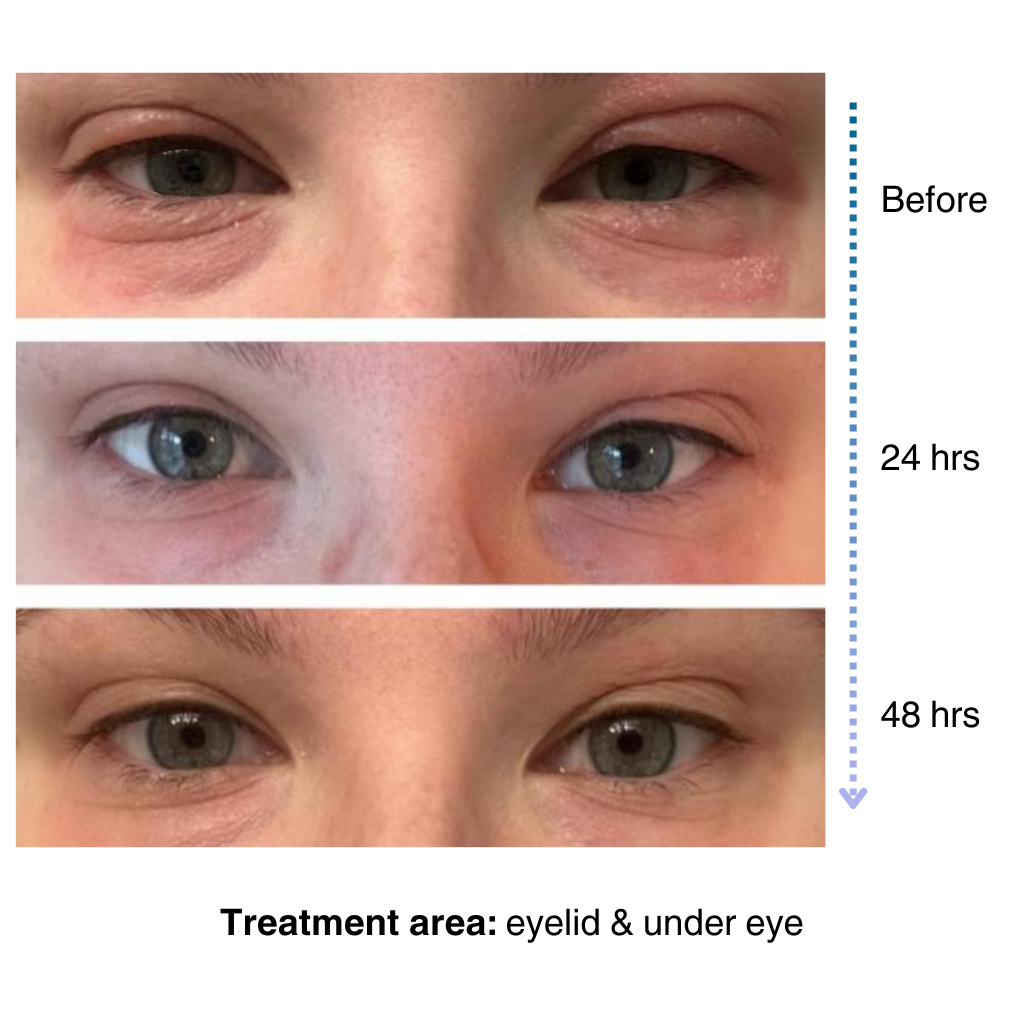
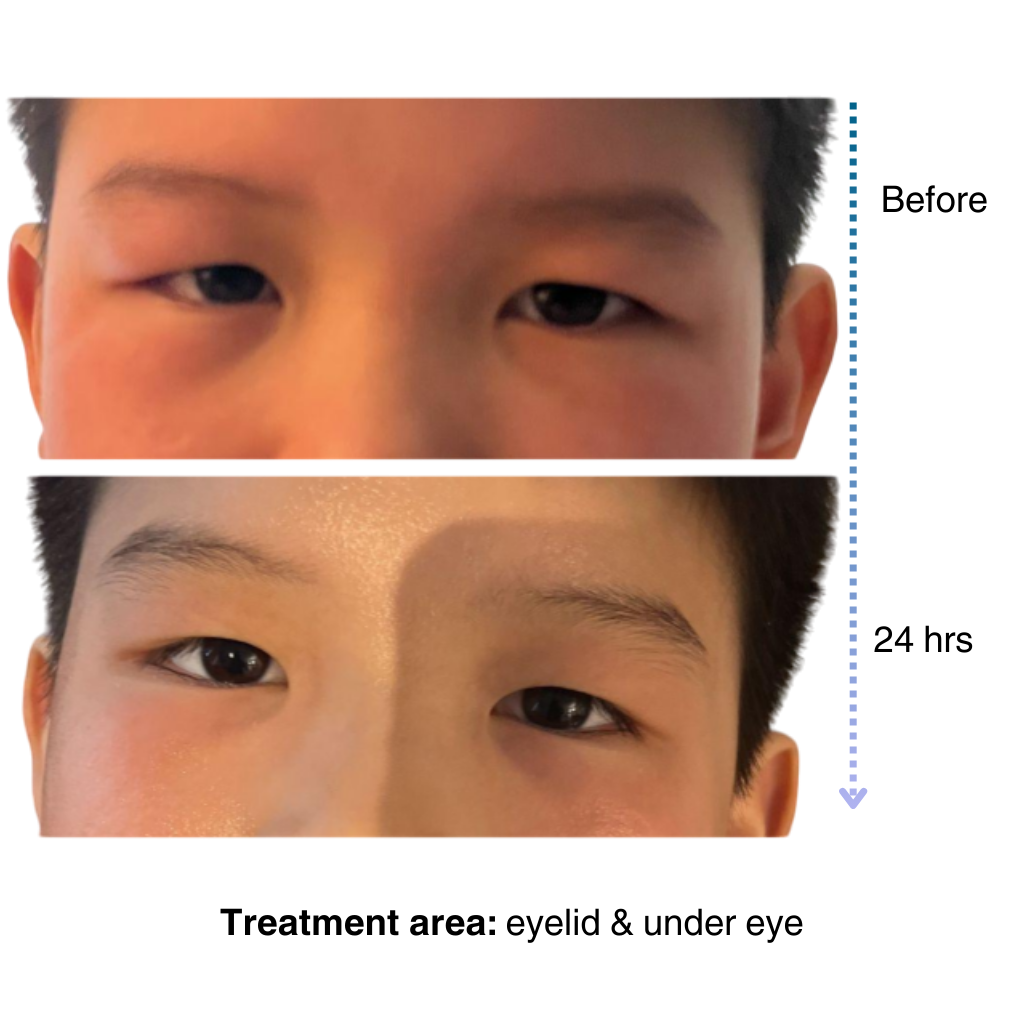

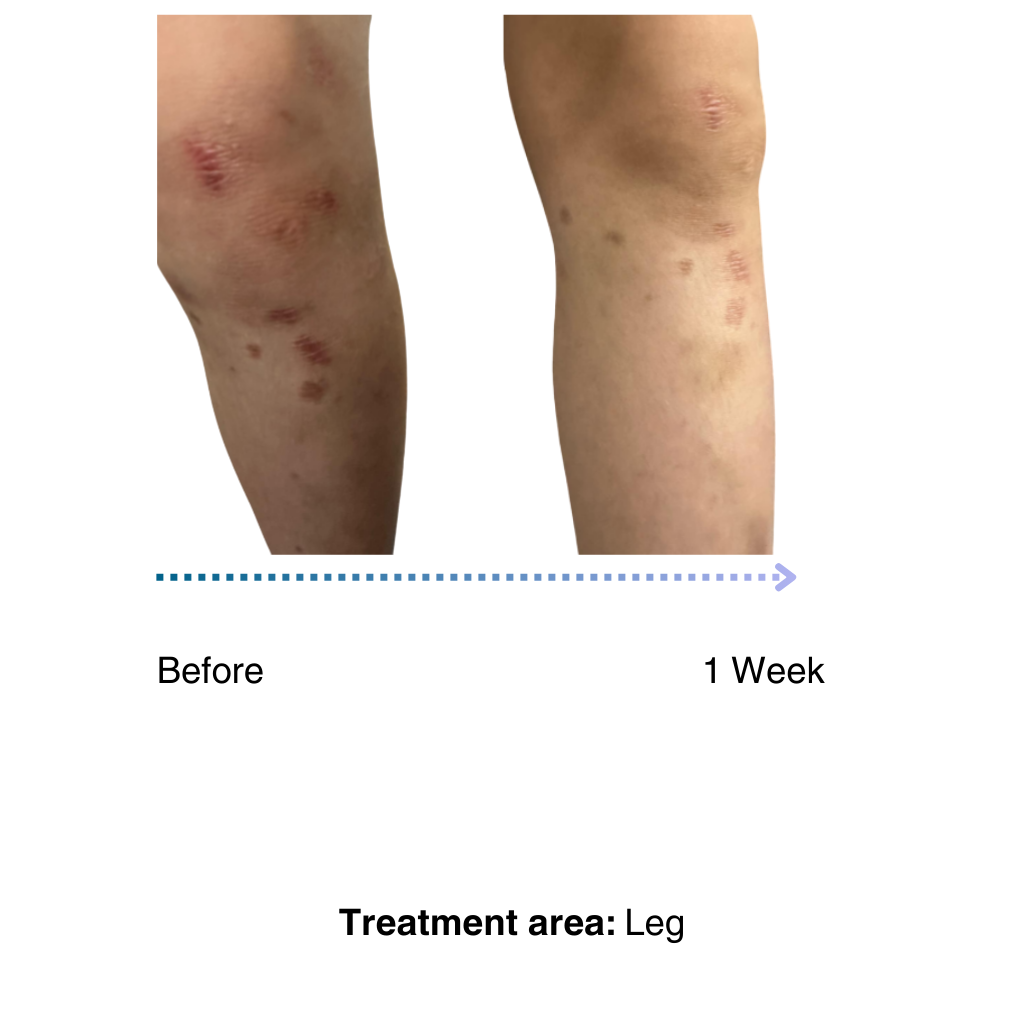
Get expert advice, exclusive offers, and real stories from people who understand your journey.
Start your skincare journey with an exclusive discount
Practical advice for managing sensitive and eczema-prone skin
Be the first to try our latest technology and product releases
Get 10% off your first order when you sign up
Secure & Private
Instant Access
Premium Content
Like many of you, our eczema journey is personal. That’s why we’re committed to creating a space for the eczema community to share experiences, be empowered through evidence-based solutions, and learn practical tips for daily life.
– Sajjad, Founder & CEO of NellaDerm

We noticed you're visiting from United States (US). We've updated our prices to United States (US) dollar for your shopping convenience. Use Canadian dollar instead. Dismiss