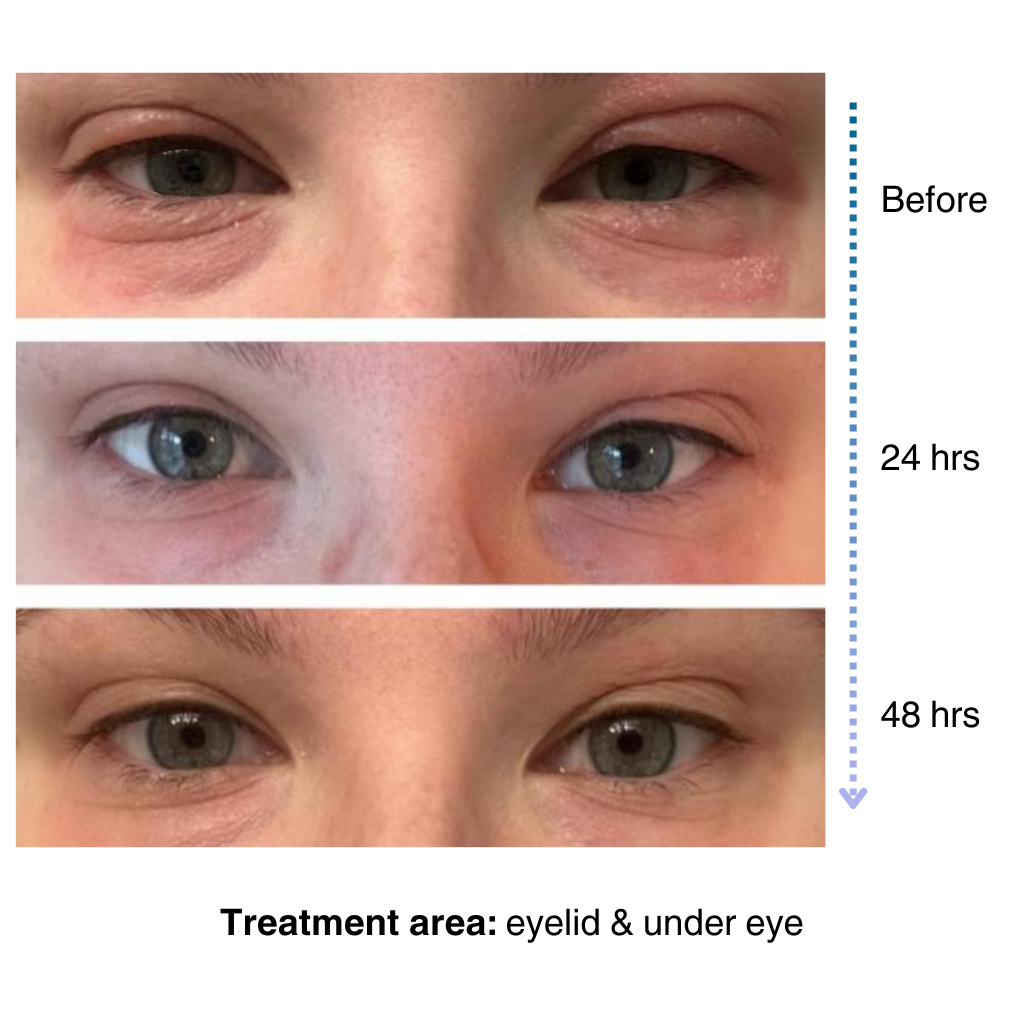
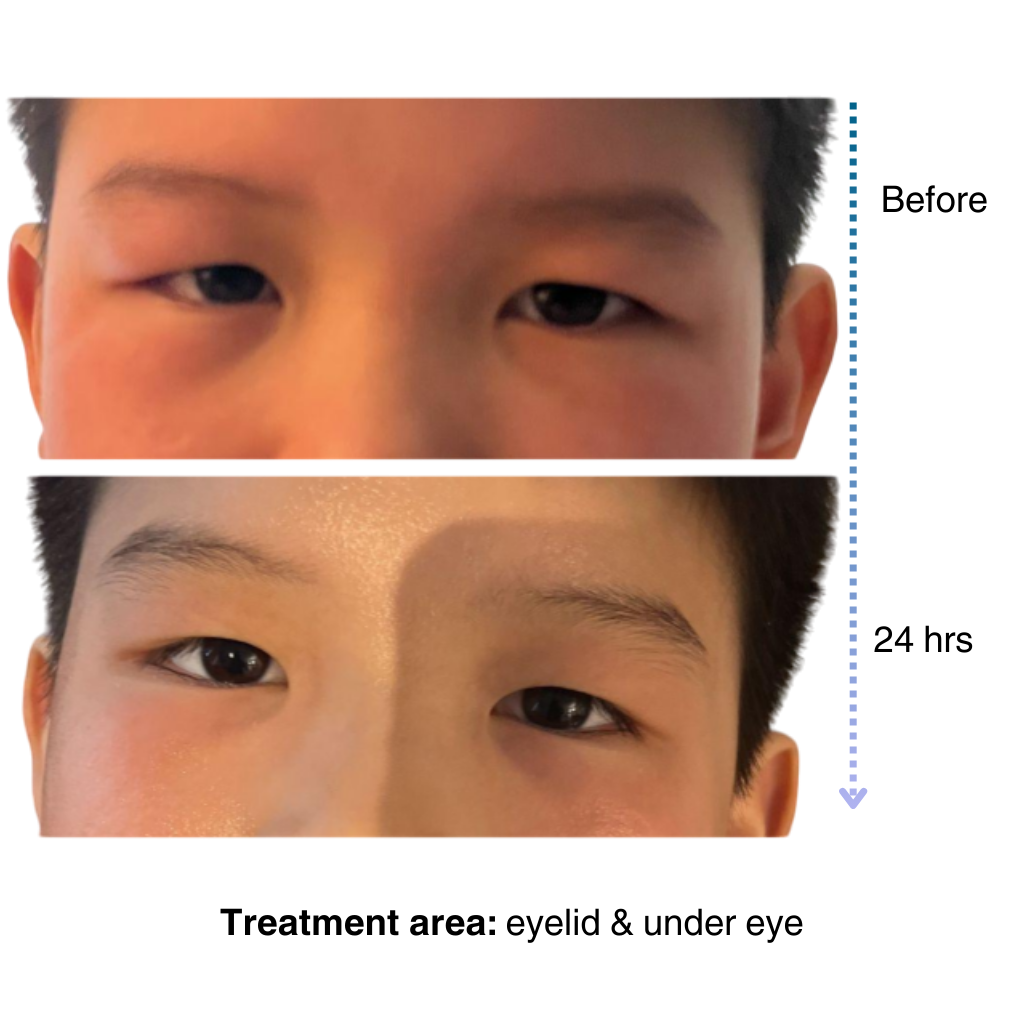
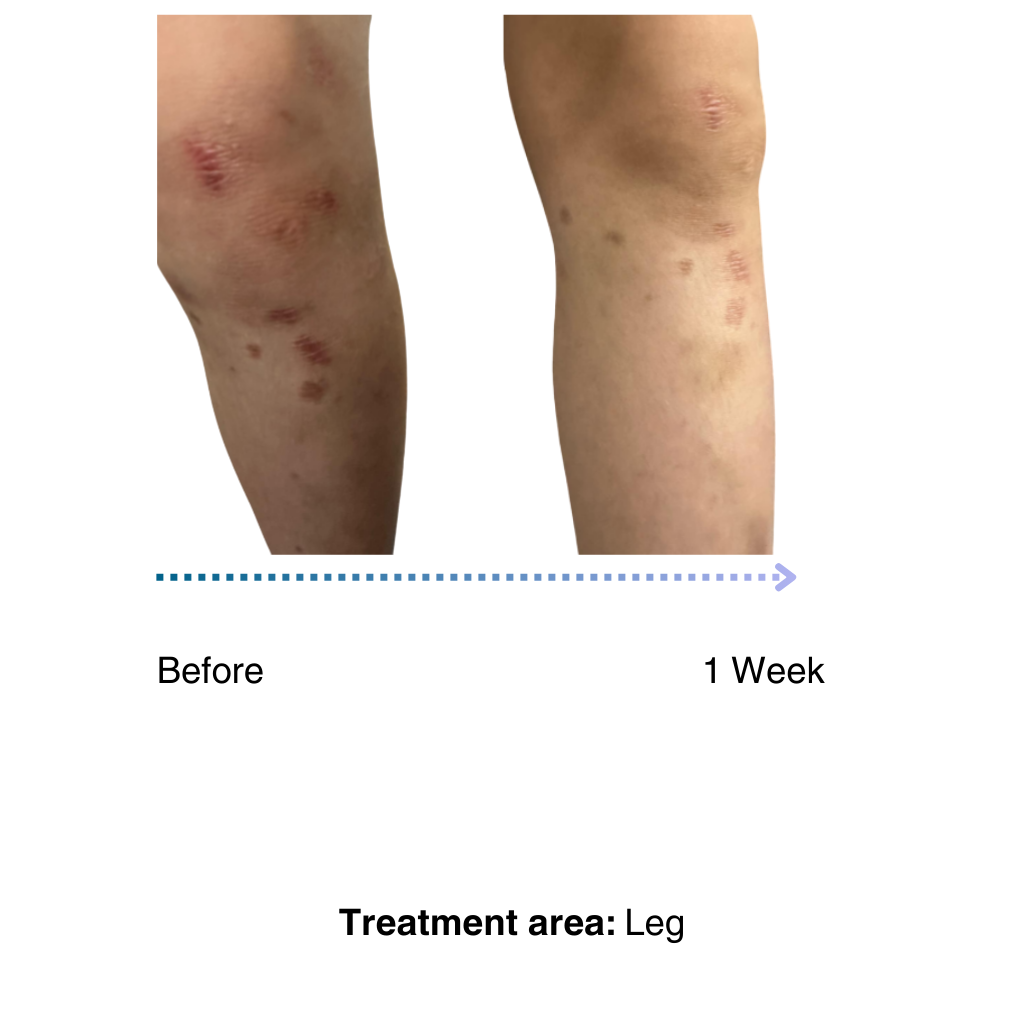
Eczema concerns?
FREE
Get instant expert guidance with our smart AI platform.
Join NowIf you suffer from eczema, also known as atopic dermatitis, you may have noticed that your skin flares more often during allergy season. While the connection between pollen and runny noses is widely known, fewer people realize that seasonal allergies can directly impact eczema, triggering itching, inflammation, and skin barrier breakdown.
Whether you’re dealing with springtime pollen, late summer ragweed, or indoor allergens during fall, this article explores why allergy season makes eczema worse and what you can do to shield your skin and reduce flare ups.
Eczema and allergies often coexist. This is due to what’s called the “atopic march” a progression of allergic conditions that often starts in early life. People with eczema are more likely to develop food allergies, asthma, and seasonal allergic rhinitis.
According to a peer reviewed study published in NIH, exposure to environmental allergens like pollen and dust mites can increase the severity of eczema by promoting immune system overreaction and skin inflammation.
When your body encounters allergens like pollen, it triggers an immune response that releases histamine and other inflammatory chemicals. For people with eczema, this response is amplified because their skin barrier is already compromised. The inflammation doesn’t just stay localized to the respiratory system it spreads throughout the body, including the skin.
This systemic inflammation can weaken the skin’s protective barrier even further, making it more susceptible to irritation from environmental factors. The result is a vicious cycle where allergies trigger eczema flares, and the damaged skin becomes more reactive to allergens.
Research shows that people with eczema have higher levels of immunoglobulin E (IgE) antibodies, which are specifically involved in allergic reactions. When these antibodies encounter allergens, they trigger the release of inflammatory substances that can worsen eczema symptoms dramatically.
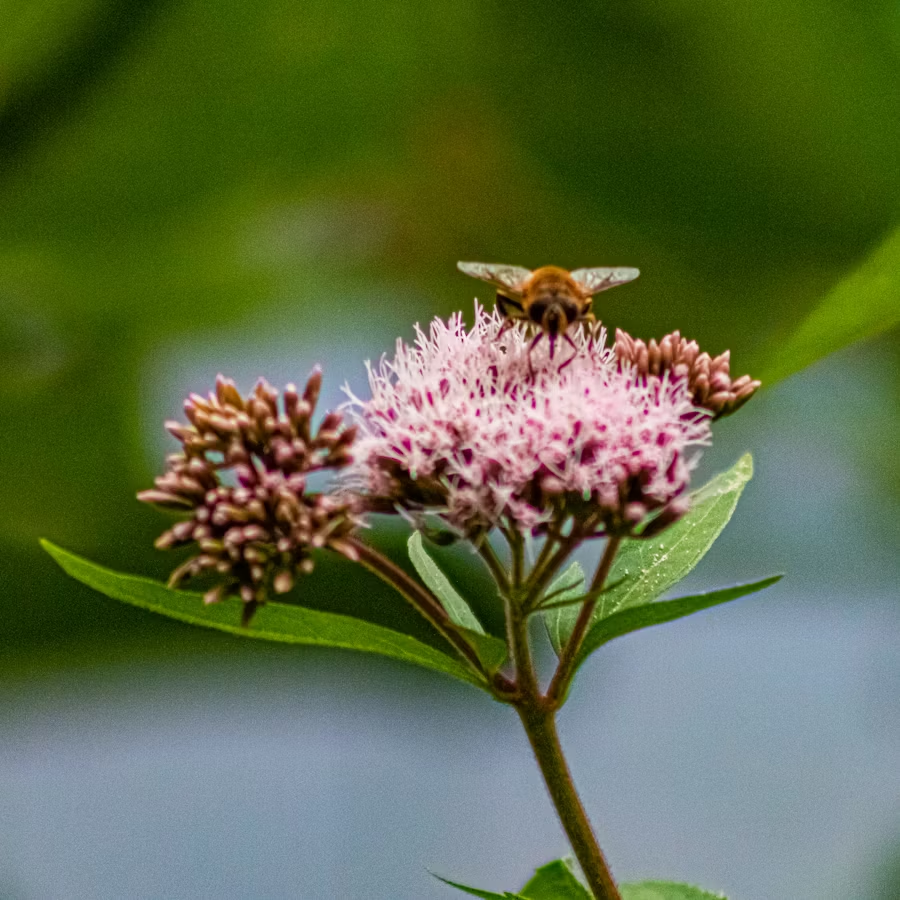
During allergy season, your skin may be exposed to allergens that act as irritants or immunologic triggers, including:
When these allergens come into contact with your skin or you inhale them, they can stimulate T cell responses and release histamines, worsening eczema flare ups.
Different seasons bring different allergy challenges. Spring typically brings tree pollen from oak, birch, and maple trees. Late spring and early summer introduce grass pollen, while late summer and fall are dominated by weed pollen, particularly ragweed.
Winter presents its own challenges with indoor allergens becoming more prominent as people spend more time inside. Dust mites, mold, and pet dander can all trigger eczema flares during colder months when windows are closed and ventilation is reduced.
Understanding which seasons affect you most can help you prepare in advance. Many people with eczema find that their symptoms follow predictable patterns based on local pollen counts and weather conditions.
While it can be tricky to isolate the cause of a flare up, here are some signs that seasonal allergens may be involved:
Shower after spending time outdoors even quick exposure to pollen can linger on your skin, hair, and clothing, triggering eczema hours later.
During allergy season, airborne allergens easily find their way indoors. Use:
Check out our blog about indoor eczema triggers for more information.
Check daily pollen forecasts from websites like Pollen.com or local weather apps. On high pollen days:
You can also check the EPA’s Air Quality Index (AQI) pollution can worsen eczema by increasing oxidative stress and compromising your skin’s barrier function.
Apply an emollient before going outdoors to create a physical barrier between your skin and allergens. Look for:
NellaDerm’s NellaCalm cream is a good option for sensitive skin needing barrier support.
What you wear during allergy season can significantly impact your eczema. Choose loose fitting, breathable fabrics like cotton that allow your skin to breathe while providing a physical barrier against allergens. Avoid wool and synthetic materials that can trap heat and irritate sensitive skin.
When doing laundry, use fragrance free, dye free detergents and avoid fabric softeners, which can leave residue that irritates skin. Double rinsing clothes can help ensure all detergent is removed. Consider drying clothes in a dryer rather than outdoors where they can collect pollen.
Having dedicated indoor and outdoor clothing can help reduce the amount of allergens you bring into your living space. Change out of outdoor clothes as soon as you come inside and store them separately from your clean indoor clothing.
For severe allergy related eczema flares, several medical interventions can provide relief. Topical calcineurin inhibitors like tacrolimus and pimecrolimus can help control inflammation without the side effects associated with long term steroid use. These are particularly useful for sensitive areas like the face and neck.
Phototherapy, or light therapy, can be effective for moderate to severe eczema that worsens during allergy season. This treatment uses controlled exposure to ultraviolet light to reduce inflammation and itching. Typically administered in a dermatologist’s office, phototherapy requires multiple sessions over several weeks.
For those with severe, persistent eczema triggered by allergies, systemic medications like dupilumab (Dupixent) may be recommended. This biologic medication works by blocking key proteins involved in the inflammatory response, providing relief for many people with difficult to control eczema.
Yes, oral antihistamines (like cetirizine or loratadine) can reduce itchiness and allergy driven flares. Always consult your healthcare provider first.
Yes, but only for short term flare control. For long term management, consider steroid sparing treatments like calcineurin inhibitors or barrier creams.
Some people find relief using nasal rinses, herbal teas, or even butterbur, but evidence is limited. Prioritize clinically tested eczema safe products.
Children are especially vulnerable to the effects of environmental allergens. To keep their skin healthy:
If your child’s eczema worsens every spring or fall, consult a pediatric dermatologist or allergist. They may recommend allergy testing or immune modulating treatments.
Making strategic lifestyle adjustments during peak allergy season can significantly reduce eczema flares. Plan outdoor activities for times when pollen counts are lowest, typically after rainfall or in the late evening. When you must be outside during high pollen times, wear protective clothing that covers your arms and legs.
Consider creating an “allergy free” bedroom by removing carpets, using allergen proof mattress and pillow covers, and keeping pets out of sleeping areas. Using a vacuum cleaner with a HEPA filter regularly can help reduce allergen accumulation in your home.
Stress management is also crucial during allergy season, as stress can worsen both allergies and eczema. Practice relaxation techniques like deep breathing, meditation, or gentle yoga to help keep both your immune system and your skin calmer.
Managing eczema during allergy season can feel overwhelming, but understanding the link between environmental allergens and skin health empowers you to act. With proactive strategies like reducing exposure, strengthening your skin barrier, and monitoring air quality, you can navigate pollen filled months with fewer flares.
Whether you’re stepping outside for a walk or just trying to sleep comfortably at night, your skin doesn’t have to suffer through the seasons.
Explore more eczema resources and dermatologist backed products at NellaDerm.com to support your skin all year round.