
Eczema concerns?
FREE
Get instant expert guidance with our smart AI platform.
Join NowFluctuating hormone levels, particularly estrogen and progesterone, can disrupt your immune system and skin barrier. During pregnancy, the immune system often shifts to a more Th2 dominant state to protect the fetus. Since eczema is a Th2-mediated disease, this shift can lead to increased inflammation, itching, and sensitivity, especially for women who already deal with eczema. In some cases, eczema may appear for the first time during pregnancy or change its typical location (often worsening on the face, neck, and flexural areas).
Your skin absorbs what you apply to it, which means safety is non-negotiable. Always opt for gentle, fragrance free moisturizers, creams, and cleansers. Avoid products containing high-dose salicylic acid, retinoids (Vitamin A derivatives), or strong prescription-strength topical steroids unless specifically instructed by your dermatologist. Look for staple ingredients like colloidal oatmeal, ceramides, or hyaluronic acid, commonly recommended by dermatologists for sensitive skin.
Hydration requires more than just slathering on moisturizer. During pregnancy, the increased blood volume and fluid shifts can sometimes give a false sense of skin hydration. To combat the hormone-induced dryness, use the Soak and Seal method diligently.
Take a lukewarm bath or shower (no longer than 10 minutes) to hydrate the top layer of skin.
Immediately after gently patting your skin dry, apply a thick, occlusive cream or ointment to the entire body within three minutes. This seals the water you just absorbed into the skin.
When it comes to eczema during pregnancy, hydration is everything. Apply a rich moisturizer at least twice a day, especially after showering or handwashing. For severely dry patches, use an occlusive layer like plain petroleum jelly over your cream at night. This helps lock in moisture and prevent cracking or irritation, which is particularly common as the skin stretches on the abdomen.
Avoid potential irritants like harsh soaps, excessively hot water, and synthetic fabrics. Since the skin is already more sensitive, fragrances and dyes found in laundry detergents, soaps, and body sprays are major offenders. Stick with 100% cotton or breathable fabrics and keep your home free from common indoor allergens like dust mites and pet dander when possible. Stress management is also critical, as high cortisol levels weaken the skin barrier.
The consensus is that mild topical corticosteroids (Class 6 or 7, like hydrocortisone 1%) are generally considered safe for use in small amounts during pregnancy. However, they should only be used under your doctor’s supervision. Your dermatologist will weigh the risks of using the topical against the risks of uncontrolled, severe eczema, which can be far more damaging. Never self-medicate with mid-to-high potency steroids during pregnancy or breastfeeding, and consult both your dermatologist and OB-GYN.
Pregnancy often raises your core body temperature. Heat and sweat can worsen eczema symptoms (known as pruritus aestivalis or summer itch). Keep your body temperature regulated by using fans, taking lukewarm showers, and wearing light, breathable clothes. Avoid long sun exposure, and keep your sleep environment cool. Cold compresses can provide drug-free relief for intense, localized itch flares.
Just because the baby is here doesn’t mean your skin calms down. The sudden drop in estrogen in the postpartum period, combined with extreme sleep deprivation and high stress, can cause severe flare-ups. Continue your skincare routine, drink plenty of water, and don’t hesitate to see a dermatologist if symptoms persist or worsen. If breastfeeding, always inform your doctor about your medication usage, as some treatments require adjustment.
Managing eczema during pregnancy and postpartum requires patience, self-care, and the right skincare support. By following these powerful tips and using trusted, pregnancy-safe products, you can stay ahead of flare-ups and focus on what matters most—your health and your baby.
NellaDerm is committed to providing science-backed, dermatologist-developed skincare solutions for every stage of motherhood.
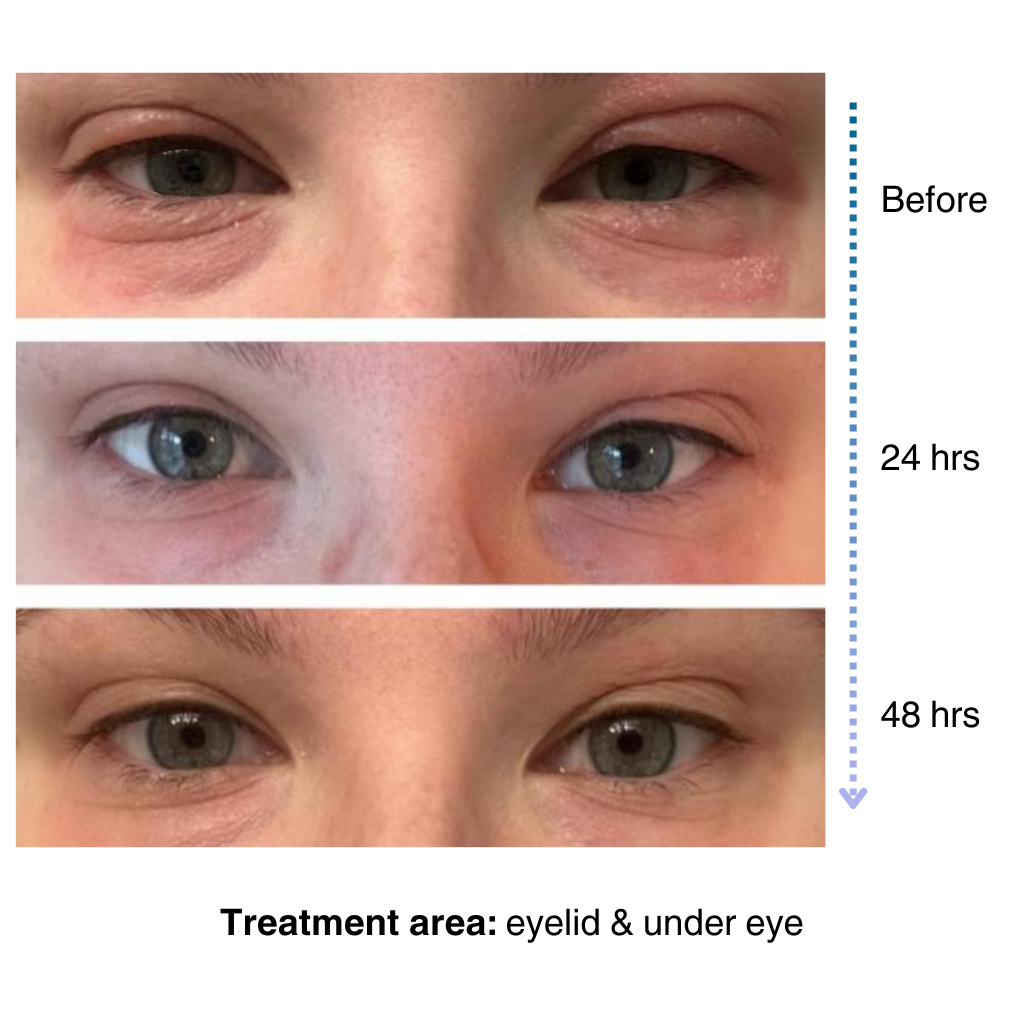
It’s easy to apply and isn’t chalky at all. I’ve been applying it multiple times a day… I’ve tried multiple new products to try and treat my eye eczema, and this is definitely the best I’ve tried so far.
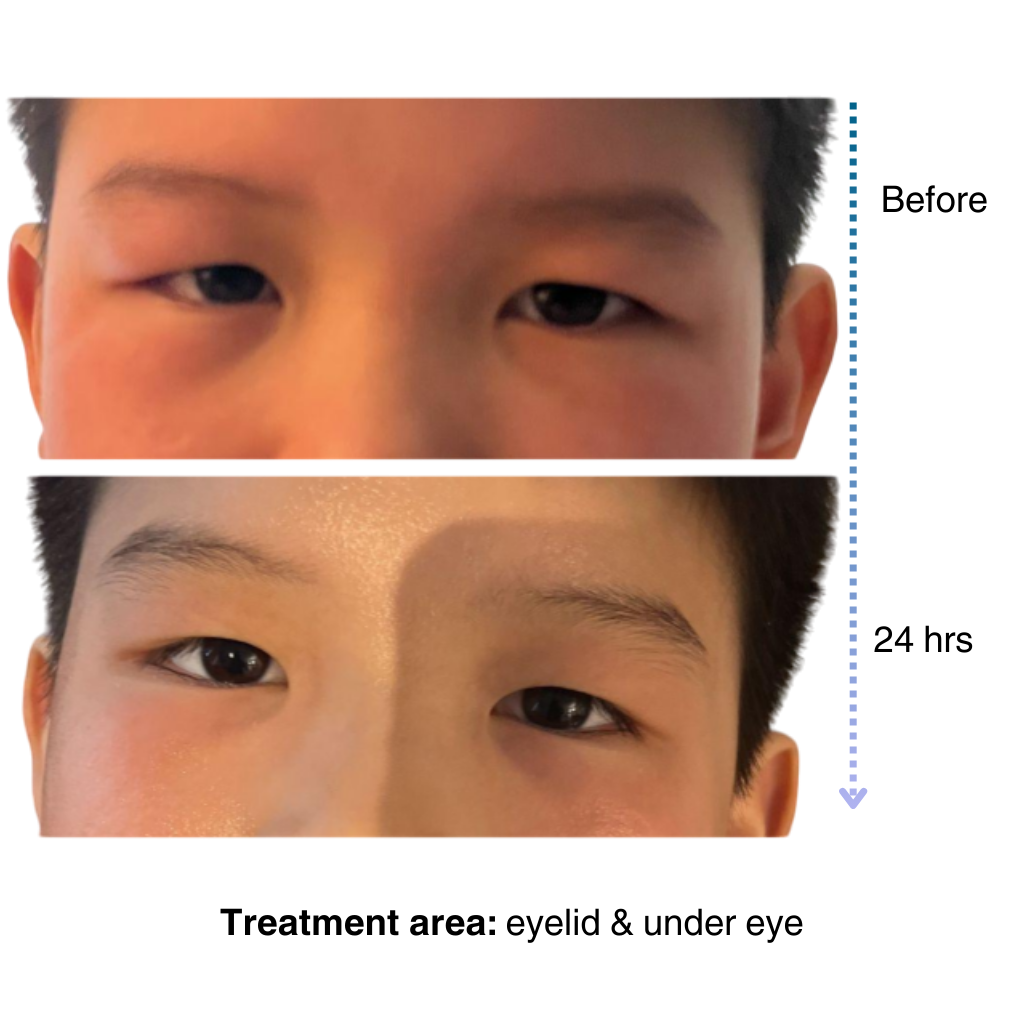
My 7-year old son has been dealing with eczema on his face for a long time, and it’s been so tough to find something that really works…..I’m amazed by the results! Within one day, the redness and rough patches on his face significantly improved…. he doesn’t mind using it at all because it doesn’t sting or feel greasy. – Lily

Like many of you, our eczema journey is personal. That’s why we’re committed to creating a space for the eczema community to share experiences, be empowered through evidence-based solutions, and learn practical tips for daily life.
– Sajjad, Founder & CEO of NellaDerm
