How Eczema Affects Mental Health
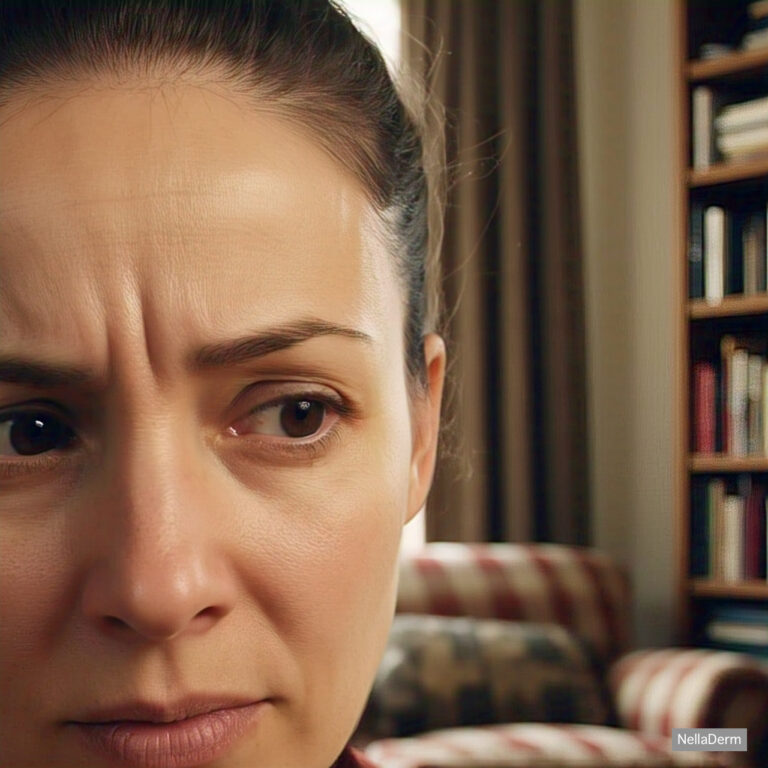
Eczema is a chronic condition that affects more than just your skin; it places a significant psychological burden on both patients and their families. This impact is often proportional to the severity of the disease and its visibility.
- Stress and flare-ups: Emotional stress activates the hypothalamic pituitary adrenal (HPA) axis, releasing cortisol and other stress hormones. This directly weakens the skin barrier and shifts the immune system toward a pro-inflammatory state, creating a devastating cycle of frustration and worsening symptoms.
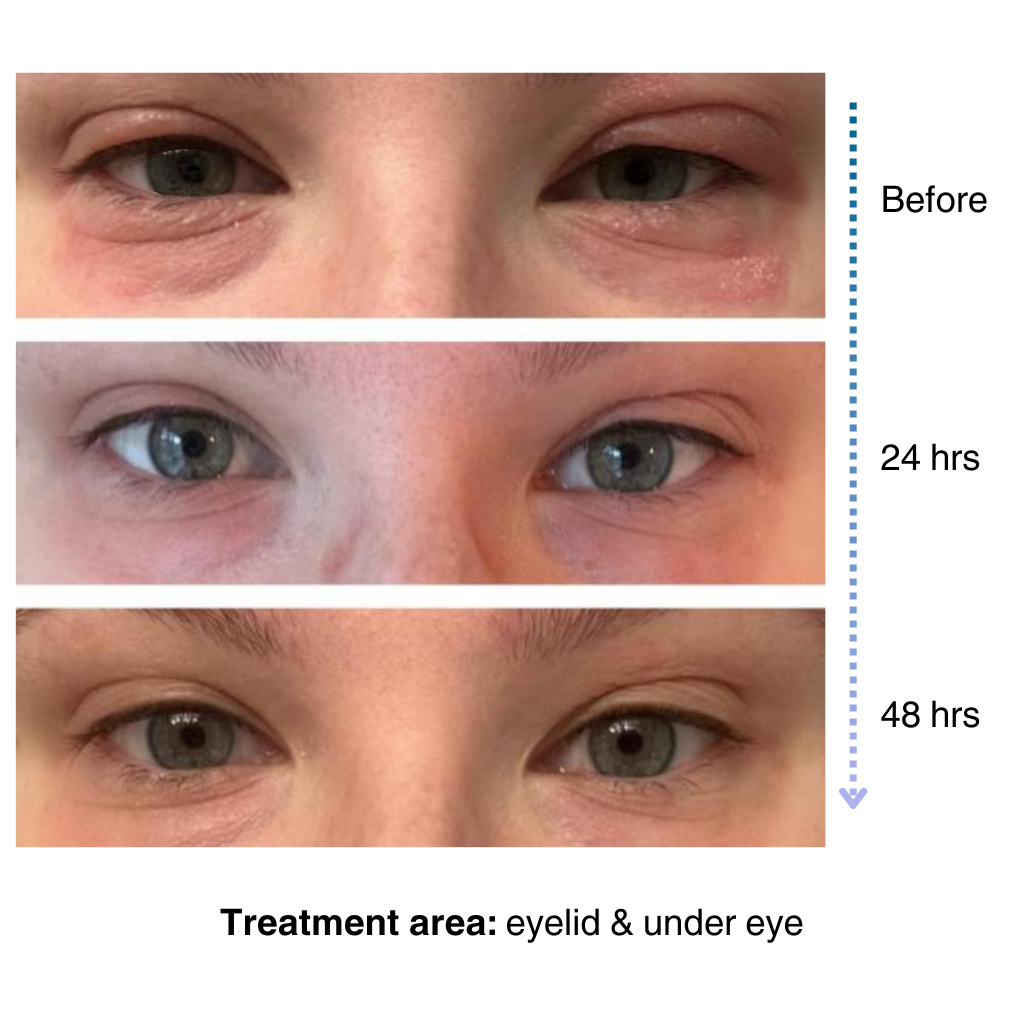
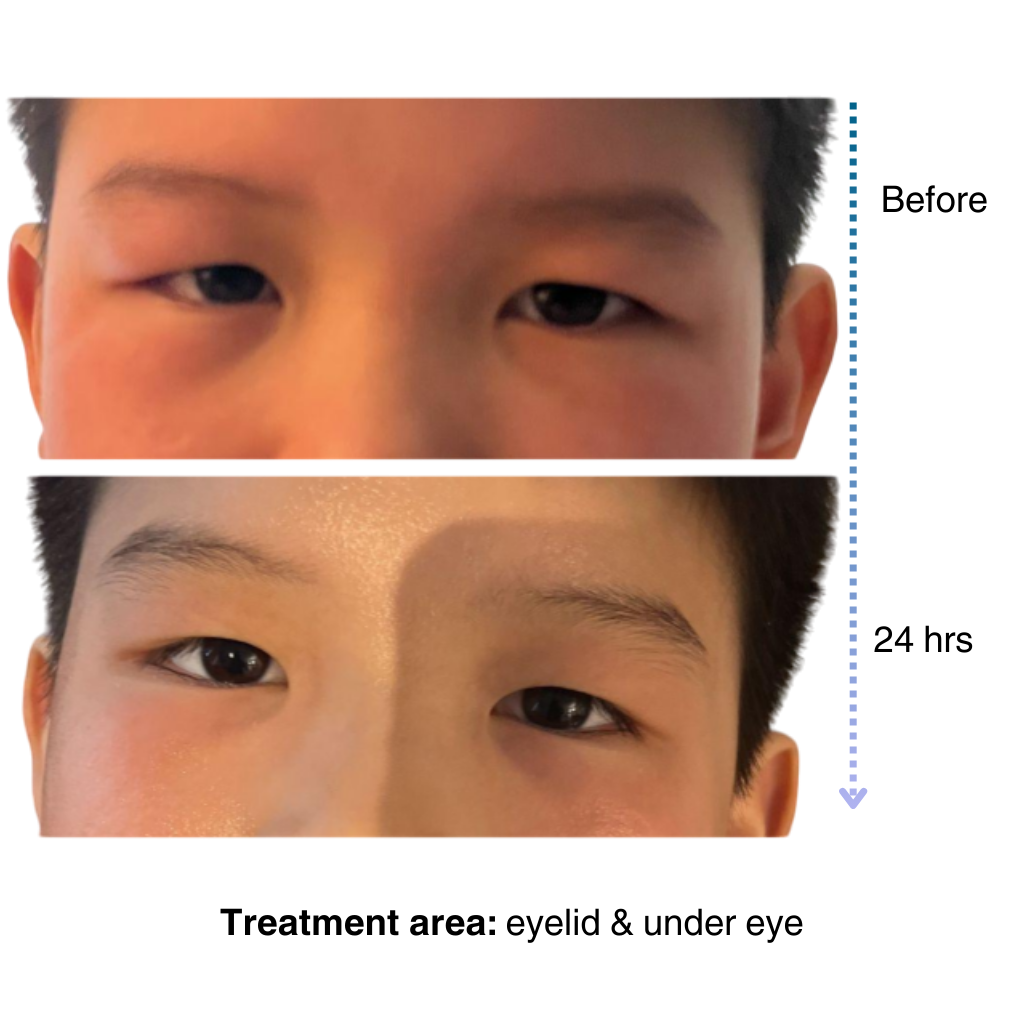
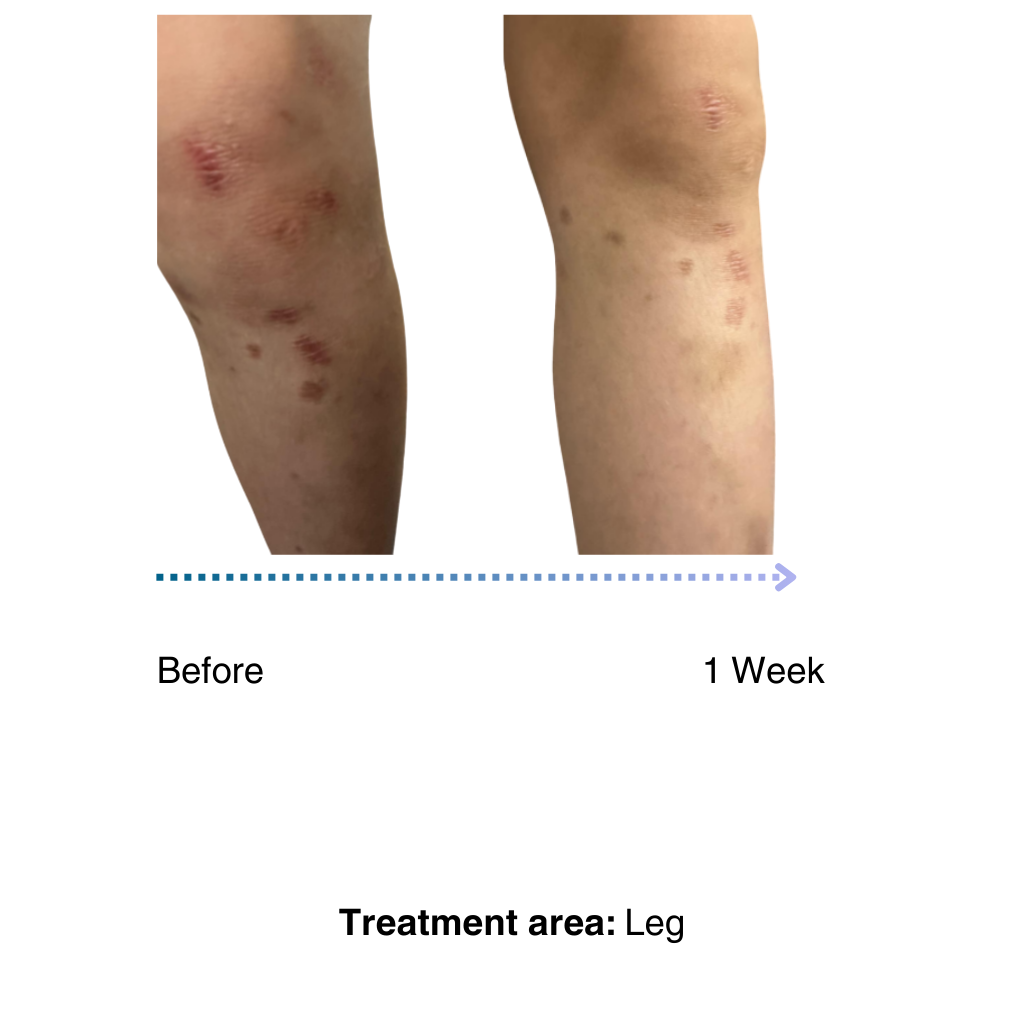
- Self esteem and body image: Visible skin issues, hyperpigmentation, and the need to constantly apply creams can lead to profound self consciousness, social withdrawal, and feelings of isolation or embarrassment, particularly during childhood and adolescence.
- Chronic discomfort and sleep disruption: Intense, chronic itching (pruritus) is the hallmark of eczema. The resulting sleep deprivation wears down mental resilience, leading to chronic tiredness, mood swings, anxiety, depression, and difficulty concentrating at school or work.
The Scientific Basis of the Mind Body Link
Recent research in Psychodermatology confirms that the connection between eczema and mental health is biological, not imagined. Stress hormones and neuropeptides are released directly into the skin, affecting the immune response and the rate at which the skin barrier can repair itself. Conversely, interventions that successfully reduce psychological distress, such as mindfulness, have been proven to reduce measurable inflammatory markers in the skin.
What the Latest Research Says
Living with eczema can be challenging, not just physically but also emotionally. Constant itching, flare ups, and visible symptoms can affect self esteem, increase stress, and even contribute to anxiety or depression. Below are three key scientific studies that provide evidence based insights into how eczema impacts emotional health and ways to manage it.
- Mindfulness and Quality of Life: Randomized controlled trials have shown that psychological interventions, such as Mindfulness Based Stress Reduction (MBSR) and self-compassion training, significantly improve the overall Quality of Life (QoL), reduce the intensity of scratching behaviors, and decrease feelings of anxiety and depression in AD patients.
- Impact on Families: Studies consistently show that the Quality of Life impairment for children with severe eczema is comparable to that of children with chronic diseases like asthma or diabetes. This burden extends to parents and caregivers, who often report high levels of exhaustion, guilt, and depression.
- The Itch Scratch Cycle: Psychological distress is linked to the release of neuropeptides (like Substance P) in the skin, which sensitize nerves and amplify the sensation of itch, making it harder to resist scratching. Breaking this neurological cycle is a key part of behavioral therapy.
Coping with Eczema and Emotional Health
Managing the psychological components of eczema requires the same commitment as managing the physical symptoms.
- Accept your feelings: It’s normal to feel frustrated, angry, and overwhelmed. Acknowledging your emotions helps validate your experience and reduces internal pressure, which is an immediate stress reducer.
- Seek professional support: Talking to a psychodermatology therapist, counselor, or joining patient support groups (like those run by the National Eczema Association or Eczema Society of Canada) can provide specialized tools and shared understanding for managing the mental health aspects of eczema.
- Stress management techniques: Regular practice of Mindfulness, deep breathing, and meditation can help manage the emotional triggers of eczema by helping you observe, rather than react to, the intense sensation of itch.
- Focus on what you can control: While you may not be able to prevent all flare ups, focusing on meticulous daily skincare (like the soak and seal method), trigger avoidance, and stress management can help empower you and increase your sense of self efficacy.
Prioritizing Both Physical and Emotional Health
Eczema is a chronic condition that affects more than just your skin. It’s crucial to take care of your emotional health alongside managing physical symptoms. Acknowledging frustration, seeking support, and practicing self care can make a significant difference in how you cope with eczema. Integrated care—combining dermatologist-prescribed medical treatment with psychological counseling—yields the best long term patient outcomes.
Key Takeaways for Managing the Emotional Impact of Eczema
- Eczema can significantly impact mental health – Research shows that individuals with eczema are at a higher risk for anxiety, depression, and low self esteem.
- Stress and eczema flare ups are closely linked – Emotional distress can trigger skin flare ups, creating a vicious cycle of stress and worsening symptoms. Managing stress through mindfulness, relaxation techniques, or therapy can help break this cycle.
- Support systems matter – Seeking emotional support from family, friends, or specialized support groups can help individuals cope with the psychological effects of eczema.
- Self care and mental health practices help – Engaging in self care routines, journaling, meditation, and physical activities can improve emotional well being and reduce stress related flare ups.
- Professional guidance is beneficial – Consulting with dermatologists and mental health professionals specializing in chronic illness can provide a comprehensive approach to managing both the physical and emotional aspects of eczema.
References and Resources
- 1. Mental Health Risks Associated with Eczema: To understand the connection between eczema and mental health issues like anxiety and depression, read “Suicidal Ideation, Mental Health Problems, and Social Function in Adolescents with Eczema” by Halvorsen et al. (2014). This study explores how eczema, particularly in young individuals, can lead to distress, social withdrawal, and emotional challenges.
- 2. The Impact of Eczema on Quality of Life: For insights into how eczema affects daily life, social interactions, and emotional well being, refer to “Effects of Childhood Atopic Eczema on the Quality of Life” by Bronkhorst & Schellack (2016). This research highlights the psychological burden of eczema and discusses strategies to improve the quality of life for individuals with chronic skin conditions.
- 3. Depression, Anxiety, and Severe Mental Illness in Adults with Eczema: To explore how eczema related stress may contribute to severe mental health conditions in adults, read “Factors Associated with Depression, Anxiety, and Severe Mental Illness Among Adults with Atopic Eczema” by Adesanya et al. (2023). This study presents a systematic review linking eczema with mental distress and emphasizes the importance of psychological support in eczema management.
Frequently Asked Questions (FAQs)
- 1. Can eczema cause depression? Yes, the constant discomfort, sleep disruption, and visibility of eczema can significantly contribute to anxiety and clinical depression.
- 2. How can I manage the emotional impact of eczema? Seeking support from friends, family, or professionals trained in Cognitive Behavioral Therapy (CBT) or habit reversal and practicing stress reduction techniques (like meditation) can help manage emotions.
- 3. Is it normal to feel frustrated with eczema? Yes, it’s perfectly normal to feel frustrated. Living with a chronic, unpredictable, and visible condition is emotionally draining and validates feelings of anger and despair.