
Eczema concerns?
FREE
Get instant expert guidance with our smart AI platform.
Join NowIf you live with eczema, your skin barrier already works harder than most. That barrier is your frontline defense against irritants, allergens, and certain chemicals that can mimic or interfere with hormones. These chemicals are called endocrine disruptors. They show up in everyday beauty items like fragrance mists, lotions, sunscreens, deodorants, nail products, and haircare. In 2026, ingredient lists are still confusing, greenwashing is common, and “free-from” labels are not the same thing as safe for eczema.
This guide explains what endocrine disruptors are, why people with atopic dermatitis should care, the ingredient families most worth avoiding, and how to shop and set up a routine that protects your skin without stress. You will also find a practical label decoder, a bathroom audit checklist, and answers to common questions.

Endocrine disruptors are substances that can mimic, block, or otherwise tangle with your body’s hormones. In cosmetics, they are used as preservatives, fragrance solvents, UV filters, plasticizers, and texture enhancers. Dose and exposure pattern matter, but if your skin is frequently inflamed or broken, you may have more contact with these ingredients than ingredient labels suggest, simply because compromised skin allows easier penetration and because you use more products to calm flares.
A 2022 systematic evaluation of perfumes, colognes, and deodorants highlights how common some of these chemicals are and links several classes, including phthalates and parabens, to potential endocrine and allergic effects in consumers. While correlation does not prove causation for every endpoint, the takeaway for eczema is straightforward: choose products that reduce exposure while keeping your barrier strong.
The endocrine system is a complex network of glands and organs that produce, store, and release hormones throughout the body. These chemical messengers regulate nearly every physiological process, including metabolism, growth and development, sleep, mood, and reproductive functions. When functioning properly, the endocrine system maintains precise hormonal balance through sophisticated feedback mechanisms.
Endocrine disruptors interfere with this delicate balance by mimicking natural hormones, blocking hormone receptors, or altering hormone production and breakdown. Even small amounts of these chemicals can cause significant effects because hormones operate at extremely low concentrations in the body. The timing of exposure is particularly critical during developmental stages such as fetal development, infancy, and puberty.
For individuals with eczema, the concern extends beyond systemic effects to include local skin impacts. Many endocrine disrupting chemicals can also act as skin irritants or allergens, directly worsening eczema symptoms while potentially contributing to broader health concerns through skin absorption.
Below are the most relevant groups for eczema prone skin. You do not need to memorize chemistry. You just need to recognize common label names and choose fragrance free, gentle alternatives when possible.
What they do: Plasticize and help scent last longer.
Where they appear: Perfumes, body sprays, fragranced lotions, hair sprays, nail products, and any listing that uses “parfum” or “fragrance” as a catch all.
Label clues: Diethyl phthalate (DEP) and “fragrance” used generically.
Why minimize: Some phthalates are classified as endocrine disruptors. For eczema, the bigger issue is that fragrance heavy formulas often sting or itch on compromised skin. Choose fragrance free whenever you can.
What they do: Preserve water containing products.
Where they appear: Lotions, creams, cleansers, hair conditioners, wipes.
Label clues: Methylparaben, propylparaben, butylparaben, ethylparaben.
Why minimize: They are widely used and generally effective, yet they appear in endocrine disruptor discussions and can irritate some users. If you react to parabens or want to limit them, look for modern systems that use alternative preservatives but remain microbiologically robust.
What they do: Absorb UV rays.
Examples: Benzophenone 3 (oxybenzone), benzophenone 1, and related filters.
Where they appear: Chemical sunscreens, some lip products, and nail items.
Why minimize: These filters are effective UV absorbers but have been scrutinized for endocrine activity and contact reactions. Many people with eczema do better with mineral filters like zinc oxide or titanium dioxide, especially on the face and flexures. Patch test sunscreen on a calm skin day and reapply by patting, not rubbing.
What they do: Inhibit bacterial growth.
Where they appear: Some deodorants, toothpastes, and older formulations of “antibacterial” products.
Why minimize: Beyond regulatory actions limiting certain uses, these antimicrobials can disrupt the skin microbiome. For eczema, gentle cleansing plus barrier repair is usually more helpful than routine antibacterial agents on uninfected skin.
What they do: Control microbes by slowly releasing formaldehyde.
Label clues: DMDM hydantoin, imidazolidinyl urea, diazolidinyl urea, quaternium 15.
Why minimize: Strong irritants for sensitive skin. They are not classic endocrine disruptors, but they commonly aggravate eczema and are easy to avoid with modern formulas.
What they do: Make products smell good.
Why minimize: Fragrance mixes can hide dozens of molecules, including potential endocrine active substances and known contact allergens. Even botanical fragrance can be irritating. If you love scent, reserve it for rinse off products and keep leave ons fragrance free.
The regulation of cosmetic ingredients varies significantly across different countries and regions. In the United States, the Food and Drug Administration (FDA) has limited authority over cosmetics compared to drugs. The cosmetic industry largely regulates itself through the Cosmetic Ingredient Review panel, which assesses safety but cannot enforce restrictions.
The European Union has taken a more precautionary approach, banning or restricting over 1,300 chemicals in cosmetics, including many known endocrine disruptors. This creates a situation where products sold in Europe may have different formulations than identical products sold in other markets. Canada, Japan, and Australia also have their own regulatory frameworks with varying levels of stringency.
For consumers, this regulatory patchwork means that ingredient safety cannot be assumed based on product availability alone. Understanding which ingredients have been restricted in other markets can provide valuable insight when making purchasing decisions, especially for individuals with conditions like eczema that increase sensitivity to chemical exposures.
Keep this list on your phone while shopping:
A strong barrier reduces the chance that small molecules reach deeper layers. Build your day around a few predictable moves.
For a quick refresher on timing moisturizer to lock in water after cleansing, skim NellaDerm’s short guide to the 3 minute rule, which many people find pivotal for comfort and consistency: Three Minute Rule: Timing Moisturizer For Maximum Relief
Scientific understanding of endocrine disruptors continues to evolve rapidly. Recent research has begun exploring the concept of the “exposome,” which considers the cumulative impact of all environmental exposures throughout life. This holistic approach recognizes that multiple low level exposures to different endocrine disruptors may have additive or synergistic effects that individual chemical assessments might miss.
New testing methods are also being developed to better detect endocrine disrupting activity. Traditional toxicology tests often miss subtle hormonal effects, leading to calls for updated testing protocols that specifically screen for endocrine disruption. These advances may lead to more accurate safety assessments and potentially stricter regulations in the future.
For the cosmetic industry, these developments are driving innovation in preservative systems, sunscreen technologies, and fragrance delivery. Many companies are proactively reformulating products to meet consumer demand for safer alternatives, often highlighting these changes as marketing advantages. This trend toward cleaner formulations benefits everyone, but particularly those with sensitive skin conditions like eczema.
Day 1: Replace body lotion and face moisturizer with fragrance free options you tolerate. Moisturize within three minutes after bathing.
Day 2: Swap sunscreen to a mineral filter. Patch test and practice patting on rather than rubbing.
Day 3: Move perfume to clothing. Keep leave ons unscented.
Day 4: Replace deodorant if it contains triclosan or strong fragrance.
Day 5: Review shampoos and conditioners. Choose low fragrance or fragrance free and rinse thoroughly.
Day 6: Check nail and hair stylers for “parfum” or DEP. Limit use during flares.
Day 7: Reassess comfort, itch, and sleep. Keep notes and adjust one product at a time.
You do not need a chemistry degree to lower your exposure to endocrine disruptors in cosmetics. Focus on the few choices that matter most for eczema: fragrance free leave ons, mineral sunscreen if chemical filters sting, and moisturize within three minutes after cleansing so your barrier stays sealed. Replace the highest contact products first, patch test patiently, and give your skin a few calm weeks to show you the payoff. When your routine supports the barrier and cuts down on common disruptors, itch eases, products sting less, and day to day life gets simpler.
Are “clean beauty” labels enough for eczema?
No. “Clean” has no single legal definition. Read the ingredient list and prioritize fragrance-free, short formulas that your skin actually tolerates.
Do I need to avoid every paraben and phthalate forever?
Not necessarily. The real goal is to reduce exposure from multiple sources while keeping your barrier calm. If you already tolerate a product and it keeps your skin comfortable, you can keep it while you transition other items.
Are natural fragrances safer?
Not automatically. Many essential oils are potent allergens or irritants. If scent matters to you, reserve it for rinse-off products and keep leave-ons fragrance-free.
What if my sunscreen options are limited?
Patch test any new option on a calm day. If chemical filters irritate you, look for zinc oxide or titanium dioxide. Apply moisturizer first so your barrier is not bare.
How quickly will I notice a difference?
Many people feel less sting within days of removing fragranced leave-ons. Dark marks and overall reactivity can take longer to improve as the barrier rebuilds and scratching subsides.
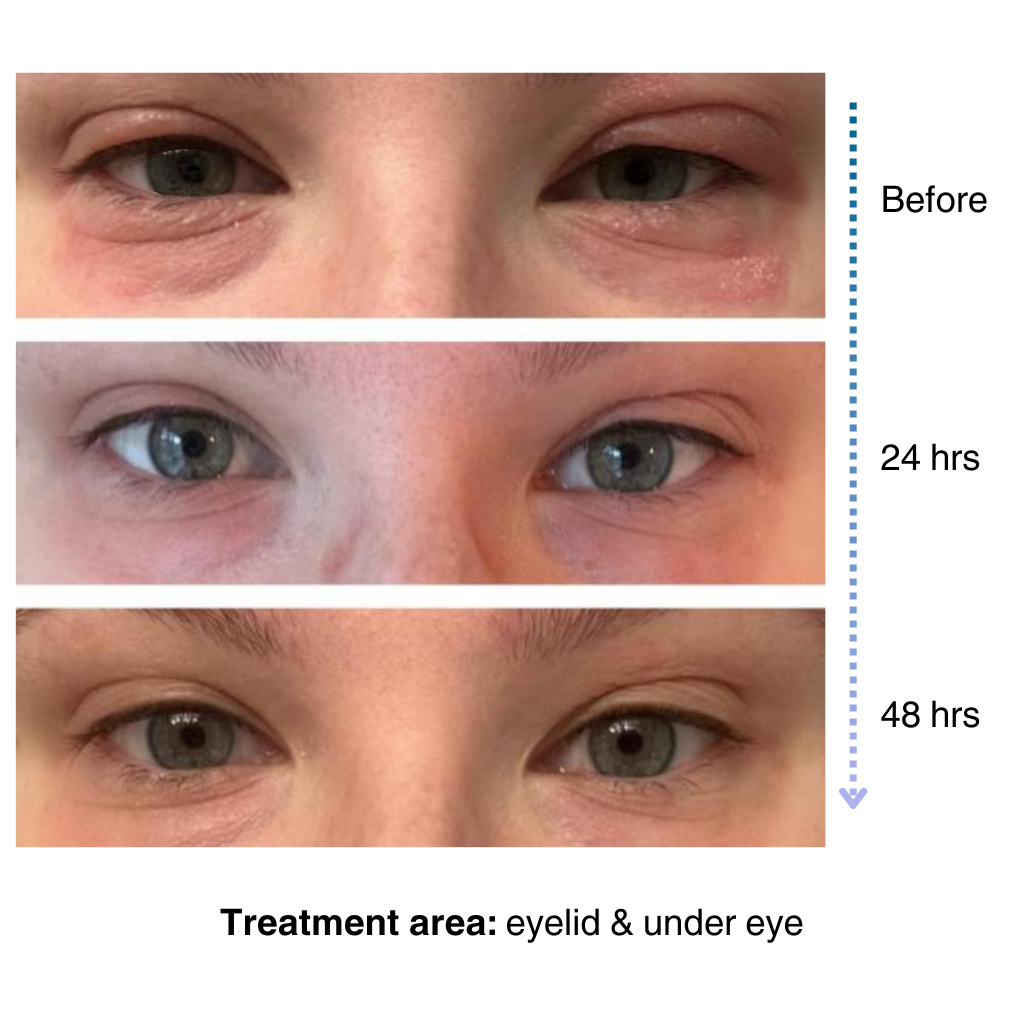
It’s easy to apply and isn’t chalky at all. I’ve been applying it multiple times a day… I’ve tried multiple new products to try and treat my eye eczema, and this is definitely the best I’ve tried so far.
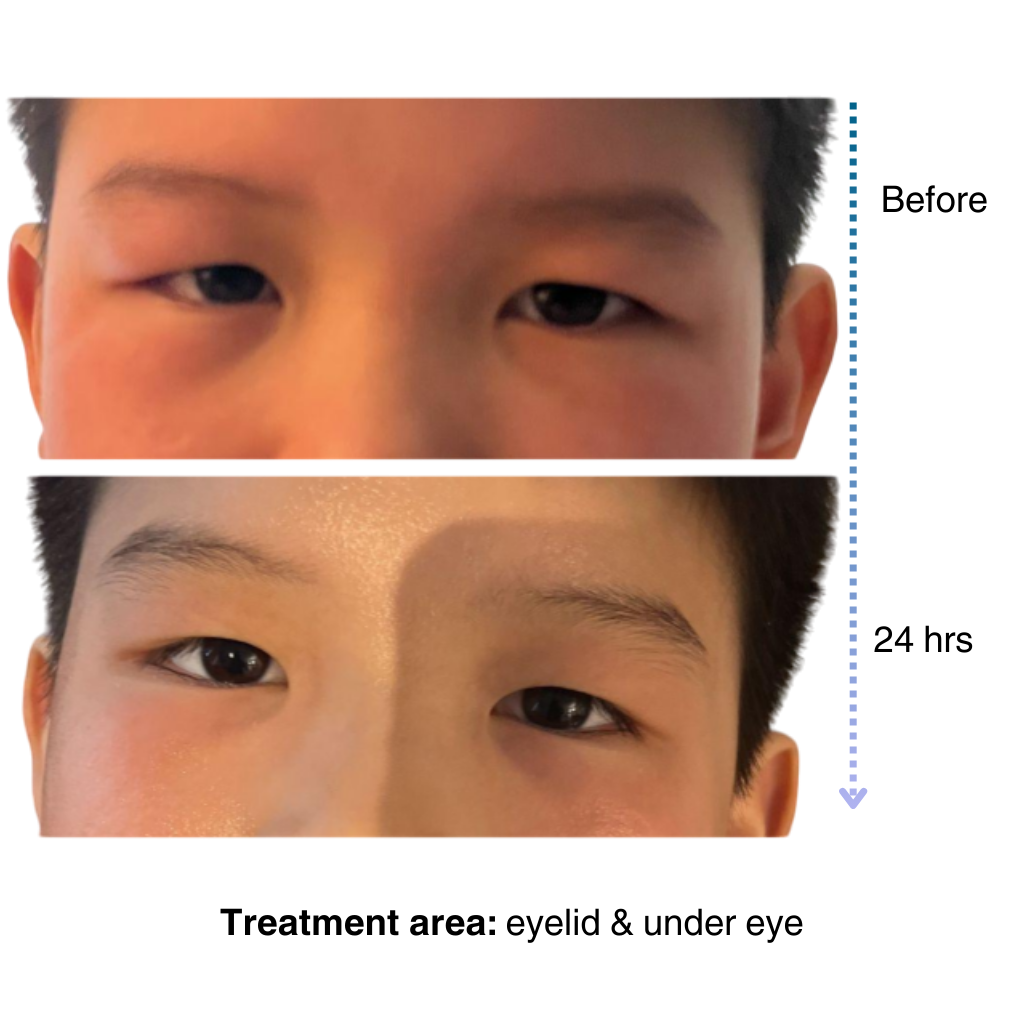
My 7-year old son has been dealing with eczema on his face for a long time, and it’s been so tough to find something that really works…..I’m amazed by the results! Within one day, the redness and rough patches on his face significantly improved…. he doesn’t mind using it at all because it doesn’t sting or feel greasy. – Lily

Like many of you, our eczema journey is personal. That’s why we’re committed to creating a space for the eczema community to share experiences, be empowered through evidence-based solutions, and learn practical tips for daily life.
– Sajjad, Founder & CEO of NellaDerm
