
Eczema in Texas Summers: Beating the Heat and Humidity
Texas summers are known for their blazing sun, triple-digit temperatures, and sweltering humidity. While that might mean poolside afternoons and iced drinks for some, for those with eczema, it’s often the season of relentless itchiness, flare-ups, and discomfort. If you’re experiencing worsening symptoms during the summer months, you’re not alone. Eczema in Texas is particularly challenging due to the state’s climate extremes.
In this post, we’ll break down why summer in Texas can aggravate eczema, the common triggers you should watch out for, and dermatologist-recommended tips to help you stay comfortable and flare-free.
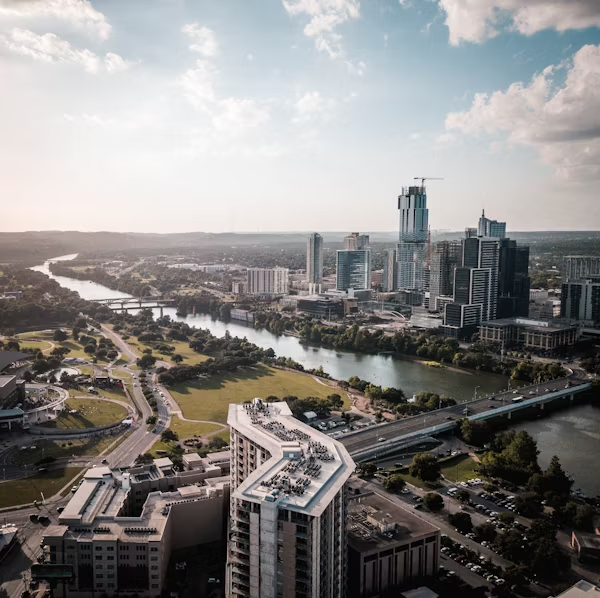
Why Texas Summers Are Tough on Eczema and How to Manage It
Texas summers bring intense heat, high humidity, and relentless sun. For the millions living with eczema, this combination creates a perfect storm of irritation, itching, and flare ups. The Lone Star State ranks among the most challenging environments for eczema sufferers during peak summer months, with temperatures regularly exceeding 100 degrees Fahrenheit and humidity levels that trap moisture against the skin.
Sweat becomes the enemy, pooling in skin folds and mixing with bacteria, salt, and environmental allergens. Air conditioning offers temporary relief but often strips indoor air of humidity, leaving skin parched and vulnerable. Even everyday activities like swimming in chlorinated pools or wearing lightweight summer clothes can trigger reactions in sensitive skin.
This comprehensive guide explores why Texas heat exacerbates eczema, breaks down regional triggers specific to cities like Houston, Dallas, Austin, and San Antonio, and provides actionable strategies to protect your skin all summer long.
Why Texas Summers Are Tough on Eczema
Heat and humidity play a big role in triggering or worsening eczema. High temperatures cause the body to sweat more, which can lead to salt and bacteria building up on the skin. At the same time, humidity traps sweat and heat close to the skin’s surface, leading to clogged pores, irritation, and increased itching.
Key summer eczema triggers in Texas include:
- Excessive sweating
- Hot, sticky clothing
- Chlorinated swimming pools
- Frequent showers with harsh soaps
- Air conditioning that dries out the skin
- Increased allergens like grass and pollen
According to a study published in NIH, heat and perspiration are among the top reported triggers for eczema patients in hot and humid environments, confirming what many Texans already know from personal experience.
Regional Eczema Challenges Across Texas Cities
Not all Texas summers are created equal. Coastal cities like Houston and Galveston face extreme humidity, often above 80 percent, which prevents sweat from evaporating and intensifies skin irritation. The combination of Gulf moisture and urban heat islands creates a sauna like effect that keeps skin damp and prone to bacterial overgrowth.
In contrast, West Texas regions such as Lubbock and Midland experience drier heat, but sudden dust storms and pollen spikes from mesquite and ragweed trigger allergic responses in eczema prone individuals. Central Texas, including Austin and San Antonio, sees rapid temperature swings between scorching days and heavily air conditioned indoors, shocking the skin barrier with each transition.
Dallas Fort Worth combines high heat with ozone pollution during summer months, which studies link to increased inflammatory skin conditions. Understanding your local microclimate helps tailor prevention strategies specific to your Texas region.
Regardless of location, the common thread is environmental stress on compromised skin barriers. Texans with eczema must adapt routines to counter both outdoor intensity and indoor artificial climates.
How to Manage Eczema During Texas Heatwaves
1. Choose Lightweight, Breathable Clothing
Tight, synthetic clothing traps heat and sweat, which can lead to more irritation. Instead, choose loose fitting cotton, bamboo, or moisture wicking fabrics. Light colors reflect sunlight and help keep your body cool.
Avoid rough textures like denim or wool, which can rub against sensitive skin and trigger flare ups.
2. Shower Smarter
While it’s tempting to take frequent showers in the summer, over washing can strip your skin of its natural oils. Keep showers short, lukewarm, and under 10 minutes. Use a gentle, fragrance free cleanser, and follow the 3 minute rule: apply moisturizer within 3 minutes of patting your skin dry.
Looking for the right product? NellaDerm’s NellaCalm hydrates and repairs the skin barrier without added fragrances or steroids.
3. Avoid Peak Heat Hours
Try to stay indoors or in shaded areas during 11 a.m. to 4 p.m., when the sun and UV index are strongest. Excess sun exposure can lead to dehydration and heat rash, which can compound eczema symptoms.
If you need to be outdoors, wear a wide brimmed hat and apply eczema safe sunscreen. Look for mineral based formulas with zinc oxide or titanium dioxide.
4. Rinse Off Sweat Promptly
If you’ve been outside and sweating, rinse off with water or wipe down with a damp cloth to remove salt, bacteria, and allergens that might irritate your skin. Reapply moisturizer immediately after.
5. Be Pool Smart
Chlorinated pools can be both soothing and irritating. For some people, diluted chlorine helps calm skin inflammation. For others, it worsens dryness and stinging.
Best practices:
- Apply a thin layer of emollient (like petroleum jelly) before swimming
- Rinse off immediately afterward
- Moisturize thoroughly to prevent dryness
6. Hydrate Inside and Out
Drink plenty of water throughout the day, as dehydration can worsen eczema. Use a humidifier indoors if you’re running air conditioning constantly since it helps combat indoor dryness caused by climate control.
Nighttime Tips for Hot Weather
- Sleep in cool, breathable bedding made of cotton or linen sheets
- Keep your bedroom under 70°F if possible
- Avoid using fans that blow directly on your skin
- Try a cold compress if you wake up itchy
Ingredients to Look for in Summer Skincare
To help manage eczema in summer, choose skincare with the following:
- Ceramides: Help restore the skin barrier
- Colloidal oatmeal: Reduces itching and inflammation
- Aloe vera: Naturally cooling and anti inflammatory
- Glycerin: Humectant that draws moisture into the skin
Avoid products with:
- Fragrance
- Alcohol
- Dyes
- Harsh exfoliants
Final Thoughts
Living with eczema in Texas summers isn’t easy, but with the right strategy, it’s manageable. Being mindful of heat, sweat, and product ingredients can help you prevent flare ups before they start. Stay hydrated, dress for comfort, and treat your skin with extra care during this season.
Explore more tips, routines, and dermatologist tested solutions on NellaDerm.com, your go to resource for effective eczema relief.
Managing Eczema in Houston’s Humid Summers
Houston’s subtropical climate presents unique challenges for eczema management. With average summer humidity exceeding 75 percent and frequent afternoon thunderstorms, sweat evaporation is nearly impossible. This creates ideal conditions for bacterial and fungal growth on compromised skin barriers.
Local dermatologists report a 30 percent increase in eczema consultations during July and August. The combination of Gulf humidity, urban pollution, and sudden temperature drops in air conditioned spaces triggers what many call the Houston itch cycle. Patients experience relief indoors only to flare up upon stepping back into muggy conditions.
Combat this with strategic layering. Use moisture wicking base layers beneath loose cotton shirts to pull sweat away from skin. Keep portable fragrance free wipes in your car for quick clean ups after commuting. Install dehumidifiers in bedrooms to maintain indoor humidity below 50 percent, preventing nighttime scratching sessions.
Houstonians with severe cases benefit from pre emptive dermatology visits in late spring to adjust treatment plans before peak humidity hits. Many switch to thicker barrier creams at night despite the heat, accepting temporary discomfort for long term protection.
Dallas Fort Worth Eczema Survival Guide
The Metroplex experiences triple digit heat waves combined with ground level ozone alerts that irritate respiratory systems and skin alike. Construction dust and pollen from native grasses create additional inflammatory triggers unique to North Texas.
Local allergy clinics note cedar and ragweed pollen counts spike earlier in DFW than other Texas regions, sometimes beginning in late May. This extended season means eczema patients face allergens alongside heat stress for nearly five months annually.
Implement a two zone strategy. Create cool zones in your home with portable air purifiers and humidifiers in bedrooms and living areas. Use vehicle cabin filters rated MERV 13 or higher to reduce pollen exposure during commutes. Change clothes immediately upon returning home to prevent tracking allergens indoors.
Many DFW residents swear by evening oatmeal baths using lukewarm water to remove the day’s accumulated irritants without over drying skin. Keep pre measured colloidal oatmeal packets in bathroom cabinets for quick relief after long, hot days.
Austin’s Outdoor Lifestyle and Eczema Management
Austin’s active outdoor culture clashes with eczema realities during summer. Hiking Lady Bird Lake, swimming in Barton Springs, and attending music festivals expose skin to multiple triggers simultaneously. The city’s famous bats emerge at dusk, but their guano contributes to local allergen loads.
Central Texas heat arrives suddenly in May and lingers through October. Rapid temperature fluctuations between air conditioned offices and 100 degree sidewalks stress the skin barrier. Local pediatric dermatologists report increased child eczema cases following summer camps and pool season.
Adapt activities rather than avoiding them entirely. Schedule outdoor time before 9 a.m. or after 7 p.m. Pre treat skin with thick emollient layers before water exposure. Carry insulated coolers with refrigerated moisturizers to reapply during events. Choose shaded trails over full sun exposure when hiking.
Austin’s natural springs offer mineral rich water that some eczema patients find soothing compared to chlorinated pools. Test small areas first to determine individual tolerance. The key is preparation and quick post activity care to maintain skin integrity.
San Antonio’s Unique Summer Eczema Challenges
San Antonio combines South Texas heat with Hill Country allergens in a perfect storm for eczema sufferers. The city’s historic architecture and tourism driven economy mean spending time outdoors in extreme conditions. Fiesta events and River Walk activities occur during peak heat months.
Military families at Joint Base San Antonio face additional challenges with mandatory physical training in full sun. Heat rash and eczema often present simultaneously, requiring careful differentiation by medical staff. The base dermatology clinic sees summer spikes in service members seeking relief.
Implement military style preparation routines. Conduct skin checks morning and evening. Use zinc oxide barrier creams on pressure points before prolonged sun exposure. Keep quick dry towels in vehicles for immediate sweat removal. Establish rehydration protocols with electrolyte solutions that won’t irritate skin when spilled.
Local Mexican free tailed bat populations contribute to histamine loads in evening air. Time outdoor dining before dusk or choose screened patios. San Antonio’s eczema community shares success with evening emollient application followed by loose cotton pajamas to prevent nighttime scratching.
Frequently Asked Questions
Q: If I have eyelid eczema elsewhere, can it still be ACD?
Yes. People with eyelid eczema are more vulnerable to contact allergens due to compromised skin. Even mild allergies can cause significant swelling or flaking.
Q: Are allergy tests painful?
No. Patch tests involve adhesive patches left on the back. Reactions are evaluated over 48–96 hours with minimal discomfort.
Q: How long will it take to heal?
Eczema takes longer—days to weeks. Allergic reactions may clear within a few days after removing the trigger.
More Helpful Eczema Articles You Should Read
- Midday Skin Resets for Eczema-Prone Skin
- Commuting With Eczema: Transit, Cars, and Pollution
- Habit Stacking for Eczema: Skincare That Sticks
- Eczema and Coffee: Does Caffeine Affect Skin?
- Humidity Eczema Relief: Nighttime Bedroom Fixes
- Keloids and Eczema: Managing Scars on Dark Skin
- Nail Eczema: How to Care for Nails Without Stings
- Eczema in Newborns: What Parents Should Know
- Eczema and Arthritis: Hand-Care for Skin & Joints
- Eczema in College: A Budget-Friendly Survival Guide
Like many of you, our eczema journey is personal. That’s why we’re committed to creating a space for the eczema community to share experiences, be empowered through evidence-based solutions, and learn practical tips for daily life.
– Sajjad, Founder & CEO of NellaDerm
