
Eczema on Face: Causes, Treatments, and Daily Care Strategies
Eczema is a chronic inflammatory skin condition that can affect people of all ages, and when it appears on the face, it can be especially uncomfortable and distressing. Eczema on the face may be more visible, emotionally taxing, and harder to manage due to the skin’s sensitivity and constant exposure to environmental factors.
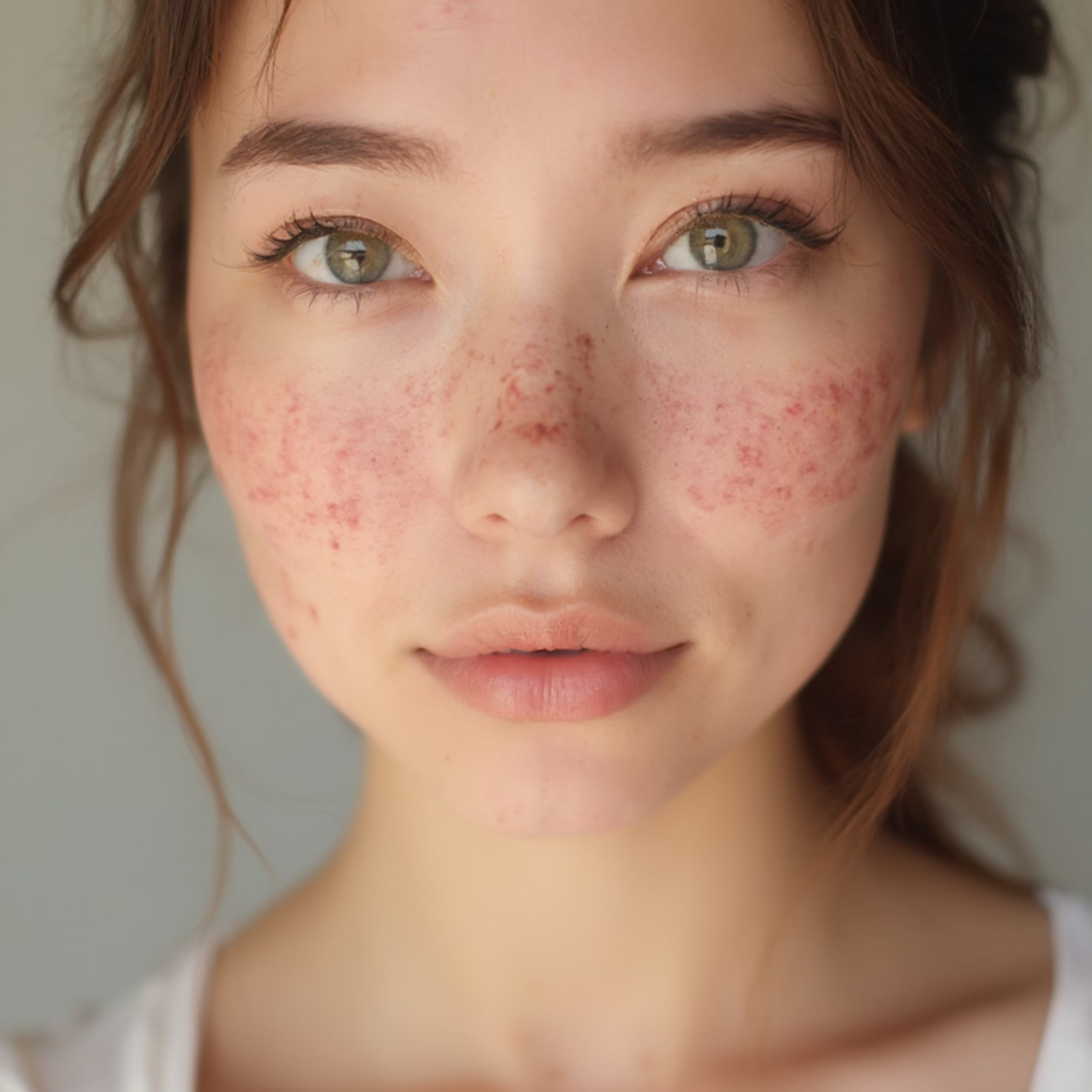
In this guide, we’ll explore what causes facial eczema, its typical symptoms, the most effective treatments, and dermatologist-recommended skincare habits to prevent and reduce flare-ups.
What Is Facial Eczema?
Facial eczema refers to atopic dermatitis or other eczema subtypes that manifest on facial skin. While it shares many features with eczema found on other body parts—itching, redness, dryness—the face poses additional challenges:
- Facial skin is thinner and more delicate
- It’s constantly exposed to environmental triggers (sun, wind, pollution)
- Facial eczema can lead to visible symptoms like redness, flaking, or hyperpigmentation
- The emotional burden of facial eczema may be greater due to self-consciousness
Facial eczema most commonly affects areas like:
- Around the eyes and eyelids
- Cheeks and forehead
- Nasolabial folds (sides of the nose)
- Mouth and chin
What Causes Eczema on the Face?
The exact cause varies from person to person, but common triggers and contributing factors include:
1. Environmental Irritants
Wind, cold air, dry climates, and air pollution can strip the skin of its natural oils, increasing sensitivity and dryness.
2. Skincare Products
Fragrances, alcohol-based toners, essential oils, and harsh exfoliants can cause irritation or allergic reactions on sensitive facial skin.
3. Allergens
Common allergens include dust mites, pet dander, pollen, and certain foods. Contact dermatitis (a form of eczema) can occur from reactions to jewelry, makeup, or sunscreen.
4. Hormonal Changes
Fluctuations in estrogen and cortisol—often during menstruation, pregnancy, or menopause—can impact the skin’s inflammatory response and trigger eczema. Refer to our blog for more information about the impact of hormones.
5. Stress
Numerous studies, including one published in Acta Dermato-Venereologica (2020), have shown that psychological stress exacerbates eczema by increasing inflammation and disrupting skin barrier function.
Evidence-Based Treatments for Facial Eczema
1. Gentle Moisturizers (Barrier Repair Creams)
Maintaining a well-hydrated skin barrier is the most important strategy for managing eczema on the face.
Look for:
- Ceramides, cholesterol, and fatty acids for lipid repair
- Fragrance-free, non-comedogenic formulas
- Colloidal oatmeal, niacinamide, and panthenol for soothing
Try NellaDerm’s NellaCalm—formulated specifically for sensitive, eczema-prone skin, free from irritants and ideal for facial use.
2. Low-Potency Topical Corticosteroids
Hydrocortisone 0.5–1% may be used for short-term flare control under a doctor’s supervision. Avoid prolonged use, especially around the eyes, due to risks of skin thinning and perioral dermatitis.
3. Calcineurin Inhibitors
Non-steroidal alternatives such as tacrolimus (Protopic) or pimecrolimus (Elidel) are approved for facial eczema and are safe for long-term use. They reduce inflammation without the same risk of skin atrophy.
Evidence: A 2018 review in NIH confirmed that tacrolimus is effective in controlling facial eczema with fewer side effects than steroids when used appropriately.
4. Antihistamines (Optional)
These can help with itch relief and may be useful if allergy-related symptoms like sneezing or eye irritation accompany your eczema. They’re often most beneficial at night to improve sleep quality during flare-ups.
5. Phototherapy (For Severe or Refractory Cases)
Narrowband UVB light therapy, administered in a clinical setting, may help reduce inflammation for patients who do not respond to topicals. This is not a first-line option but can be discussed with a dermatologist.
Daily Skincare Tips for Managing Eczema on Face
1. Wash Gently
- Use a non-foaming, pH-balanced cleanser (pH 4.5–5.5)
- Avoid hot water; use lukewarm temperatures instead
- Pat the skin dry—do not rub
2. Apply Moisturizer Using the 3-Minute Rule
Apply your barrier cream within 3 minutes after washing to lock in hydration. This technique has been shown to reduce transepidermal water loss (TEWL) and improve long-term symptom control.
3. Avoid Irritants in Products
- No synthetic fragrance, alcohol, or essential oils
- Choose mineral-based sunscreens with zinc oxide or titanium dioxide
- Use makeup labeled “hypoallergenic” and “eczema-safe”
4. Stress Management
Incorporate calming routines such as breathing exercises, yoga, or meditation. Even 10 minutes a day can help reduce flare-inducing cortisol levels.
Q&A: Eczema on Face
Q1: What is the best moisturizer for facial eczema?
The best moisturizer is one that’s fragrance-free, non-comedogenic, and rich in ceramides and lipids. Look for thick creams or balms rather than lotions, and avoid formulas with alcohol or essential oils.
Q2: Can facial eczema be triggered by diet?
Yes, in some people. Food sensitivities—especially to dairy, soy, nuts, or gluten—can trigger flares. Consider elimination diets under the guidance of a healthcare provider or allergist. Check out our blogs on diet and gut health for a breakdown of how you can heal from the inside out.
Q3: Is eczema on the face contagious?
No, eczema is not contagious.
Q4: Should I stop wearing makeup if I have facial eczema?
During active flares, it’s best to avoid makeup to prevent further irritation. When your skin is calm, choose products labeled “non-irritating” or “eczema-safe”, and always remove makeup gently before bed.
Final Thoughts
Eczema on the face can be frustrating, but it is manageable with the right approach. By using gentle skincare, choosing the right treatments, and avoiding known triggers, many people are able to maintain healthy, comfortable skin and reduce the frequency of flares.
A good skincare routine tailored to your skin’s needs is the foundation. If over-the-counter solutions are not enough, a dermatologist can help customize a plan that restores comfort and confidence.