Eczema concerns?
FREE
Get instant expert guidance with our smart AI platform.
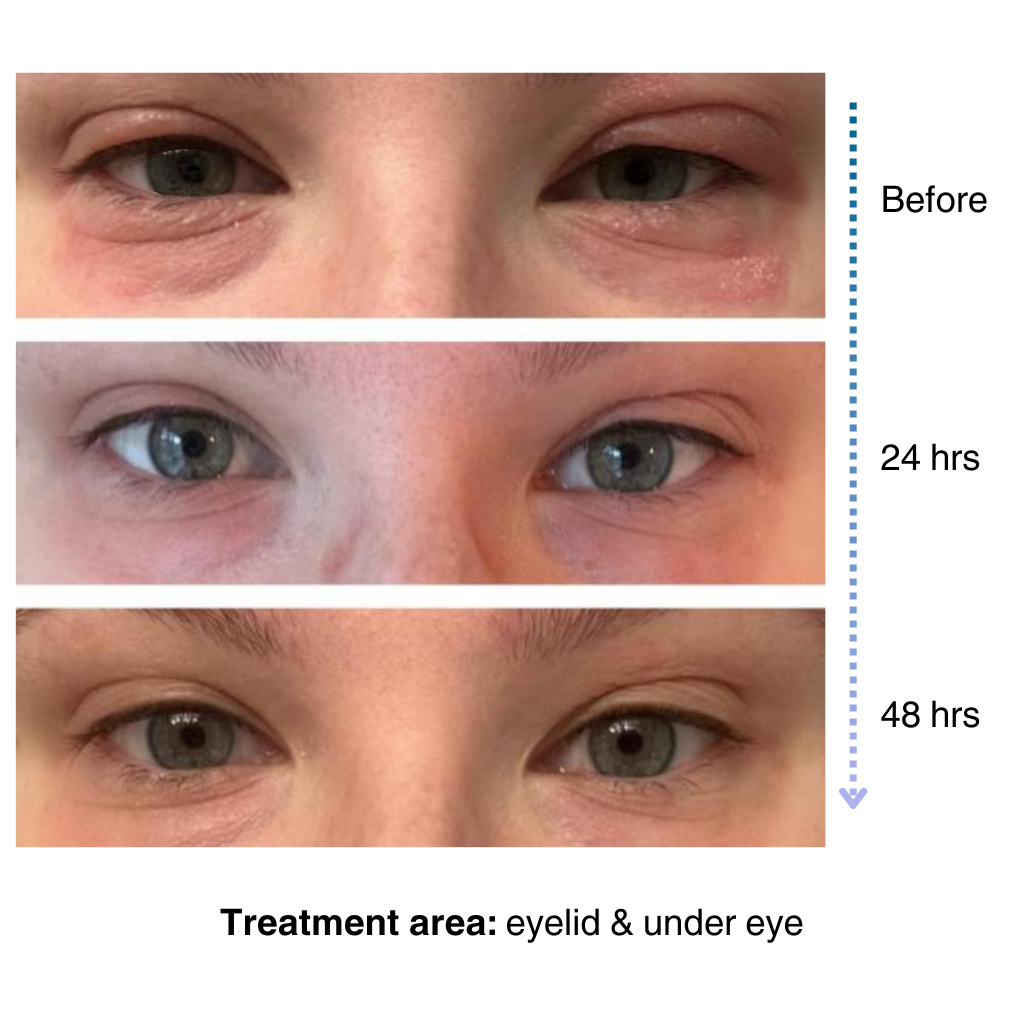
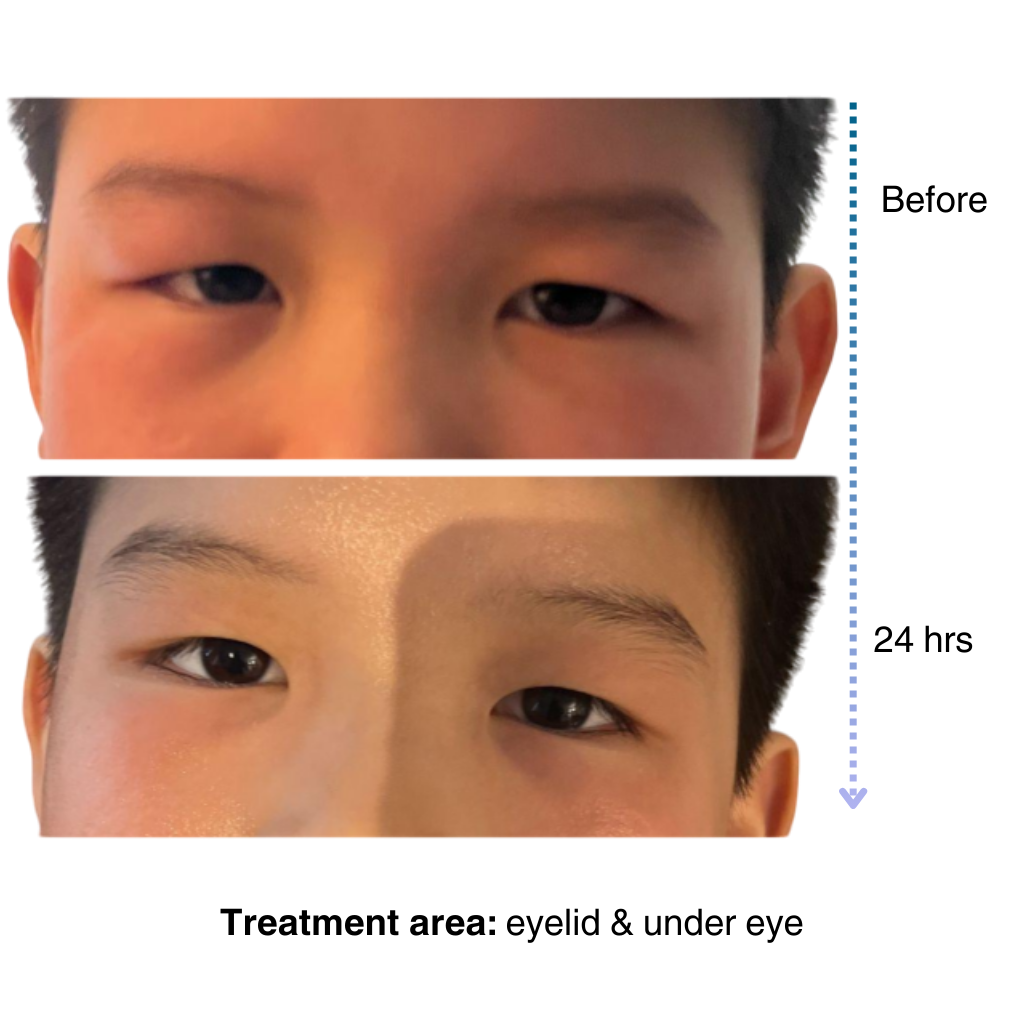
Join NowEczema, also known as atopic dermatitis, is challenging enough but when it affects the eyelids, things become even more sensitive. The skin around the eyes is thin, fragile, and easily irritated, making treatment especially tricky. From avoiding common triggers to applying the right therapies, managing eczema on the eyelids demands extra care and precision.
In this article, we will explore what causes eyelid eczema, how to distinguish it from other skin conditions, and what you can safely do to reduce inflammation, flaking, and discomfort.
Eyelid eczema can occur for several reasons, including:
Because the eyelid skin is so thin less than 1 millimeter it reacts quickly to both internal and external stressors. Even rubbing your eyes frequently can worsen symptoms or trigger a flare.
According to a review from the Cleveland Clinic, eyelid eczema is often due to allergic or irritant contact dermatitis and may affect up to 12% of people who already have eczema on other parts of their body.
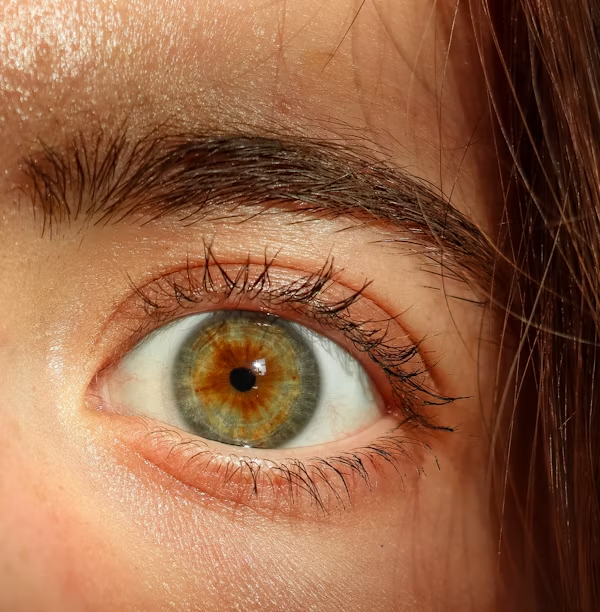
The skin on your eyelids is the thinnest on your entire body, measuring only about 0.5 millimeters thick compared to 2 millimeters on most other areas. This delicate structure contains fewer oil glands and a less developed protective barrier, making it exceptionally vulnerable to irritation and moisture loss.
This anatomical vulnerability explains why eyelid eczema requires specialized care. The thin skin allows for quicker absorption of both beneficial ingredients and potential irritants. Additionally, the constant movement from blinking creates mechanical stress that can worsen inflammation and delay healing.
The proximity to the eye itself introduces additional complications. Tear fluid can spread irritants across the eyelid surface, and any treatment applied must be safe should it accidentally migrate into the eye. This dual concern for both skin and eye safety makes eyelid eczema management particularly complex.
Eyelid eczema may present with:
Some people also experience darkening of the eyelid skin or small cracks that can sting or become infected.
Avoiding the following triggers can help reduce eyelid flare ups:
Even seemingly harmless habits like using scented face wash or facial wipes can cause eyelid irritation if residues travel close to the eye.
Beyond the obvious culprits, several less apparent triggers can contribute to persistent eyelid eczema. Hair care products represent a common but frequently overlooked source of irritation. Shampoos, conditioners, and styling products contain surfactants, fragrances, and preservatives that can transfer to eyelids during rinsing or throughout the day via hand contact.
Nail cosmetics present another hidden danger. The chemicals in nail polish, particularly toluene sulfonamide formaldehyde resin, can transfer to eyelids when you touch your face. Even after polish dries, these substances can continue to cause reactions in sensitive individuals.
Indoor air quality factors like heating and air conditioning can worsen eyelid eczema by creating dry environments that compromise the skin barrier. Similarly, cigarette smoke, both direct and secondhand, contains numerous irritants that can settle on eyelid skin and trigger inflammation.
Even your smartphone screen can be a source of trouble. The combination of finger oils, hand creams, and environmental pollutants that accumulate on phone surfaces can transfer to eyelids during calls. Regular cleaning of devices that contact your face can significantly reduce this exposure.
Eczema on the eyelids can resemble other conditions like:
If you are unsure, a dermatologist can conduct patch testing to identify potential allergens or prescribe appropriate medication for your skin type. Check out our blog about patch testing for more information.
Use a fragrance free, hypoallergenic emollient to hydrate the area. Choose lightweight formulas specifically labeled as safe for use around the eyes.
Look for ingredients like:
Tip: Apply with clean hands and use your ring finger to gently pat product on never rub.
For acute flares, dermatologists may prescribe a low strength corticosteroid, such as hydrocortisone 1% or desonide.
Caution: Steroids near the eye can cause side effects like skin thinning, increased eye pressure (glaucoma), and cataracts if overused. Always follow your provider’s instructions and use only for short durations.
To avoid the risks of steroid use near the eyes, you can also ask your doctor about calcineurin inhibitors, such as:
These are steroid sparing agents approved for long term use on delicate areas like the eyelids. A 2024 study in NIH showed that tacrolimus significantly improved eyelid eczema symptoms with minimal side effects.
Apply a cool, damp washcloth to the eyelids for 5 to 10 minutes to reduce swelling and soothe itchiness.
If your eczema is linked to seasonal or environmental allergies, over the counter oral antihistamines (like loratadine or cetirizine) can help control itching and inflammation.
Establishing a consistent daily routine is crucial for managing eyelid eczema effectively. Begin each morning by gently cleansing your face with lukewarm water and a fragrance free, soap free cleanser. Avoid vigorous rubbing and instead pat the skin dry with a soft, clean towel.
Within three minutes of drying, apply your prescribed medication if needed, followed by a gentle moisturizer specifically formulated for sensitive skin. The moisturizer helps seal in hydration and reinforces the skin barrier. Throughout the day, reapply moisturizer as needed, particularly if you feel any tightness or dryness developing.
In the evening, repeat the gentle cleansing process to remove environmental pollutants and any products that may have accumulated during the day. Follow with your treatment regimen and a slightly heavier application of moisturizer to support overnight repair. Sleeping on a clean, hypoallergenic pillowcase can further reduce potential irritant exposure.
Consistency is key with eyelid eczema management. Even when your symptoms improve, maintaining this gentle routine can help prevent future flares and strengthen your eyelid skin’s natural defenses over time.
Avoid any product that contains:
Look for eczema safe skincare on NellaDerm.com, which offers formulations specifically made for ultra sensitive skin, free from irritants and allergens.
During severe eyelid eczema flares that involve significant swelling, oozing, or crusting, immediate care is essential. Begin by gently cleansing the area with sterile saline solution or distilled water to remove any irritants without further damaging the compromised skin.
Apply cool compresses for 10 to 15 minutes several times daily to reduce inflammation and provide relief from itching. Use a clean cloth each time to prevent bacterial contamination. Avoid any scratching or rubbing, as this can introduce infection and worsen inflammation.
If you experience signs of infection such as yellow crusting, pus, increasing pain, or fever, seek medical attention immediately. Your doctor may prescribe antibiotic ointments or oral antibiotics to address the infection before continuing with eczema specific treatments.
During severe flares, temporarily discontinue all non essential skincare products and makeup until the acute inflammation subsides. Focus only on prescribed medications and the most basic, gentle moisturizers until your skin begins to recover.
It is best to avoid makeup during a flare. Once symptoms improve, choose hypoallergenic, fragrance free makeup and always remove it gently.
Use only preservative free eye drops and consult your doctor if your eyelid eczema coexists with eye irritation or conjunctivitis.
Yes pure petroleum jelly can help lock in moisture and protect the skin barrier, especially overnight.
If your symptoms persist, worsen, or interfere with your vision, it is important to consult a board certified dermatologist or ophthalmologist. You may need a tailored treatment plan or testing to identify specific allergens.
Successfully managing chronic eyelid eczema requires a proactive approach beyond immediate symptom relief. Consider maintaining an eczema journal to track flares, potential triggers, and treatment responses. This documentation can reveal patterns that help you avoid specific triggers and optimize your management strategy.
Environmental modifications can significantly impact eyelid eczema control. Using a humidifier during dry months helps maintain adequate moisture levels in your skin and indoor air. Air purifiers with HEPA filters can reduce airborne allergens like dust mites and pollen that might settle on your eyelids.
Stress management techniques deserve special attention since emotional stress can directly influence eczema severity. Practices like meditation, gentle yoga, or regular exercise can help modulate the stress response that often exacerbates inflammatory skin conditions.
Regular follow up with your dermatologist ensures your treatment remains appropriate as your skin changes over time. They can adjust medications, introduce new therapies as they become available, and provide ongoing support for this chronic condition.
Eczema on the eyelids may be frustrating, but with the right strategies, it is manageable. Be cautious, gentle, and informed when choosing treatments and never compromise the safety of such a delicate area.
Looking for soothing, dermatologist approved skincare? Browse NellaDerm’s eczema friendly collection to find products that respect and protect even the most sensitive skin.