Eczema or Fungal Infection? How to Tell the Difference
Misdiagnosing a fungal infection as eczema (or vice versa) can delay healing and even make the problem worse. That’s because these two conditions may look similar, but they require very different treatments.
In this blog, we’ll help you understand the difference between eczema vs fungal infection, how to spot the signs, and when to see a dermatologist for proper diagnosis and care.
When a red, itchy rash appears, many people assume it’s eczema—and often, it is. But sometimes, what looks like eczema is actually something else: a fungal infection.

Why Eczema and Fungal Infections Get Confused
Both eczema (atopic dermatitis) and fungal skin infections (like ringworm) can cause similar symptoms that make them difficult to distinguish without proper medical evaluation. Understanding the overlapping characteristics is the first step toward accurate diagnosis and effective treatment.
Both conditions can present with:
- Red or discolored patches
- Itching and discomfort
- Scaling or flaking skin
- Lesions that spread or grow
- Inflammation around the edges
To make things more complicated, eczema can become secondarily infected with fungi, especially in warm, moist areas like skin folds. This overlapping condition requires careful diagnosis and often dual treatment approaches to address both the underlying eczema and the fungal overgrowth.
A 2022 study in The Journal of Allergy and Clinical Immunology emphasized that misdiagnosis is common, particularly when eczema occurs in atypical locations or on darker skin, where redness appears purple, brown, or gray making fungal patterns harder to identify. The study highlighted the importance of proper diagnostic testing when visual examination alone proves inconclusive.
What Is Eczema
Eczema, or atopic dermatitis, is a chronic skin condition linked to immune system dysfunction and a weakened skin barrier. It is characterized by periods of flare ups and remission, often triggered by environmental factors, stress, or contact with irritants. The condition results from a complex interaction between genetic predisposition and environmental triggers.
Eczema typically causes:
- Dry, itchy, scaly patches
- Cracks, oozing, or bleeding
- Flare ups triggered by allergens, stress, weather, or soaps
- Symmetrical distribution (e.g., both elbows or both knees)
Common Locations
- Inner elbows, backs of knees, neck
- Face and hands
- Eyelids and scalp in infants
What Is a Fungal Skin Infection
Fungal infections (also called dermatophytoses) are caused by organisms like tinea (ringworm), Candida, or Malassezia. These microorganisms thrive in warm, moist environments and are contagious through skin contact, towels, or shared surfaces. Unlike eczema, fungal infections are not related to immune system abnormalities but rather to direct infection by fungal organisms.
Fungi require specific conditions to grow, which is why these infections often appear in areas where moisture accumulates. The organisms feed on keratin, a protein found in skin, hair, and nails, which explains their characteristic presentation and the damage they cause to these tissues.
Common Signs
- Circular, raised rash with defined, scaly edges and central clearing (in tinea)
- Itching, stinging, or burning
- Spreads outward over time
- May be accompanied by odour or white patches (in Candida infections)
Common Types
- Tinea corporis (body)
- Tinea cruris (groin, “jock itch”)
- Tinea pedis (feet, “athlete’s foot”)
- Tinea capitis (scalp)
Risk Factors and Prevention
Understanding the risk factors for both eczema and fungal infections can help with prevention and early detection. For eczema, genetic predisposition plays a significant role, with family history of eczema, asthma, or hay fever increasing susceptibility. Environmental factors like low humidity, harsh soaps, and certain fabrics can trigger or worsen symptoms.
Fungal infections thrive in specific conditions. Risk factors include excessive sweating, wearing tight or non breathable clothing, sharing personal items, walking barefoot in public areas, and having a compromised immune system. People with diabetes are particularly susceptible to fungal infections due to higher blood sugar levels that can feed fungal growth.
Prevention strategies differ for each condition. For eczema, maintaining skin barrier function through regular moisturizing and avoiding known triggers is key. For fungal infections, keeping skin dry, changing out of wet clothing promptly, and practicing good hygiene in shared spaces are essential preventive measures.
Key Differences: Eczema vs Fungal Infection
| Feature | Eczema | Fungal Infection |
|---|---|---|
| Cause | Immune dysfunction | Infection by fungus |
| Appearance | Dry, red/grayish patches | Circular rash with ring like edge |
| Itch | Intense, especially at night | May sting or burn |
| Location | Flexural areas, face, hands | Groin, feet, scalp, skin folds |
| Contagious | No | Yes |
| Treatment | Moisturizers, steroids | Antifungal creams or oral meds |
| Worsens with steroids | Rare | Yes may spread if misdiagnosed |
Warning Sign: When Steroids Make It Worse
One of the biggest clues you are dealing with a fungal infection, not eczema, is when topical steroids make the rash worse. This paradoxical reaction occurs because corticosteroids suppress inflammation but also weaken the skin’s immune defenses, allowing fungi to spread more easily. This leads to a condition called tinea incognito a fungal infection masked by steroid use.
Tinea incognito often presents with unusual patterns that don’t resemble typical ringworm. The borders may become less defined, and the rash can spread rapidly while showing reduced redness and scaling due to the anti inflammatory effects of steroids. This can create diagnostic confusion and delay appropriate treatment.
A peer reviewed article in The Journal of Clinical Medicine warned that prolonged steroid use on misdiagnosed fungal infections can cause “deepened, widespread lesions” that are harder to treat. The study emphasized that any rash that worsens or fails to improve with steroid treatment should be reevaluated for fungal infection.
When to Suspect a Fungal Infection
- The rash is asymmetrical or spreading outward in a ring shape
- You see central clearing with a scaly border
- There is minimal dryness, but intense irritation
- You have used steroid cream with no improvement or worsening
- You have had recent contact with infected people, pets, or gym equipment
- The rash is on feet, groin, or scalp
- Multiple family members develop similar symptoms
- The rash improves with antifungal treatment
When to Suspect Eczema
- You have a history of allergies or asthma
- The rash responds to moisturizer or low potency steroid cream
- It flares up with weather changes, soaps, or fabrics
- It appears in typical eczema zones (elbows, knees, face)
- You notice seasonal flares or stress related symptoms
- There is a family history of eczema or atopic conditions
- The condition has been present since childhood
- Symptoms improve with consistent moisturizing and trigger avoidance
Diagnostic Tests Dermatologists Use
If you are unsure about your skin condition, a dermatologist may perform several diagnostic tests to determine whether you are dealing with eczema, a fungal infection, or a combination of both. These tests provide objective data to guide treatment decisions.
- KOH Test: Scraping a small sample to view fungal elements under a microscope. This quick test can provide results within minutes and is highly specific for fungal infections.
- Fungal Culture: Growing a sample to confirm the organism. This takes longer (2 4 weeks) but can identify the specific type of fungus, which helps guide treatment selection.
- Patch Testing: To check for allergic reactions (if eczema is suspected). This helps identify contact allergens that may be triggering or exacerbating eczema symptoms.
- Skin Biopsy: In difficult cases, a small skin sample may be examined under a microscope to distinguish between inflammatory conditions like eczema and infectious processes like fungal infections.
These tests are quick and painless, and they can prevent months of misdirected treatment. Many dermatologists begin with a KOH test during the initial visit when fungal infection is suspected, as it provides immediate guidance for treatment.
Treatment: Tailored for the Right Diagnosis
If It’s Eczema
- Moisturize regularly with a ceramide rich cream to repair the skin barrier
- Use low to medium potency corticosteroids during flares to control inflammation
- Avoid triggers like fragrance, stress, and allergens that can precipitate flares
- Try non steroidal options (e.g., tacrolimus, pimecrolimus) for long term use on sensitive areas
- Implement wet wrap therapy for severe flares to enhance hydration and medication penetration
- Consider phototherapy for moderate to severe cases that don’t respond to topical treatments
Shop barrier supportive products like NellaDerm’s NellaCalm designed for chronic, reactive skin. These formulations are specifically created to support the compromised skin barrier in eczema while avoiding common irritants.
If It’s a Fungal Infection
- Apply a topical antifungal (e.g., clotrimazole, terbinafine) directly to affected areas
- Keep the area clean and dry to create an unfavorable environment for fungal growth
- Avoid sharing towels, socks, or bedding to prevent spreading the infection
- Consider oral antifungals if the infection is widespread or resistant to topical treatment
- Treat contaminated surfaces and clothing with antifungal sprays or hot water washing
- Continue treatment for the recommended duration, even after symptoms improve, to prevent recurrence
Potential Complications of Misdiagnosis
Misdiagnosing eczema as a fungal infection or vice versa can lead to several complications. When fungal infections are treated with steroids alone, the condition can spread extensively, becoming more difficult to treat and potentially leading to secondary bacterial infections. This scenario, known as tinea incognito, requires prolonged antifungal treatment and may leave post inflammatory pigmentation changes.
Conversely, treating eczema solely with antifungal medications provides no benefit and delays proper care. During this delay, eczema can worsen significantly, leading to more intense itching, sleep disturbance, and greater impact on quality of life. Severe scratching can cause lichenification (thickening of the skin) and increase the risk of skin infections.
In cases where both conditions coexist, which is not uncommon, failure to address both issues can result in persistent symptoms. Eczema compromised skin is more susceptible to fungal overgrowth, creating a cycle of inflammation and infection that requires dual approach treatment under medical supervision.
Questions and Answers: Misdiagnosed Rashes
Can eczema and fungal infections occur together?
Yes. Eczema prone skin has a weakened barrier, making it more vulnerable to secondary infections including fungi. The compromised skin barrier in eczema allows easier entry for fungal organisms, while the inflammatory environment may also promote fungal growth. This combination requires treatment addressing both the underlying eczema and the fungal overgrowth.
Can I use antifungals and steroids at the same time?
Only if prescribed by a healthcare professional. In some cases, a combined cream (e.g., clotrimazole + mild steroid) is used, but only under medical supervision. These combination products can be helpful when inflammation and fungal infection coexist, but they should be used judiciously and for limited durations to avoid masking symptoms or promoting steroid side effects.
How long before I know if treatment is working?
- Antifungal creams usually show improvement within 1 to 2 weeks, with complete clearance typically requiring 2 to 4 weeks of treatment
- Eczema treatments may take days to weeks, depending on severity and compliance with the treatment regimen
- If no improvement is seen within the expected timeframe, reevaluation by a healthcare provider is recommended
Can diet affect eczema or fungal infections?
Diet can influence eczema in some individuals, with common triggers including dairy, eggs, nuts, and wheat. However, food allergies directly causing eczema are less common than once believed. For fungal infections, a diet high in sugar and refined carbohydrates may promote fungal growth in susceptible individuals, but topical factors like moisture and hygiene play a much larger role.
Final Thoughts
When a rash appears, it is tempting to self diagnose and grab a cream but eczema and fungal infections require very different treatments, and using the wrong one can make matters worse. Understanding the key differences in appearance, location, and response to treatment can help guide you toward appropriate care. Learn more about your skin condition on our blog about spotting the difference in skin conditions.
If your rash does not improve with moisturizers or gets worse with steroids, do not guess get tested. A quick visit to a dermatologist can save you time, discomfort, and skin damage. Professional evaluation is particularly important for rashes that are widespread, severe, or not responding to initial treatments.
Explore eczema safe products at NellaDerm.com and remember: when in doubt, let your skin be seen not just soothed. Proper diagnosis is the foundation of effective treatment and long term skin health.
More Helpful Eczema Articles You Should Read
- Midday Skin Resets for Eczema-Prone Skin
- Commuting With Eczema: Transit, Cars, and Pollution
- Habit Stacking for Eczema: Skincare That Sticks
- Eczema and Coffee: Does Caffeine Affect Skin?
- Humidity Eczema Relief: Nighttime Bedroom Fixes
- Keloids and Eczema: Managing Scars on Dark Skin
- Nail Eczema: How to Care for Nails Without Stings
- Eczema in Newborns: What Parents Should Know
- Eczema and Arthritis: Hand-Care for Skin & Joints
- Eczema in College: A Budget-Friendly Survival Guide
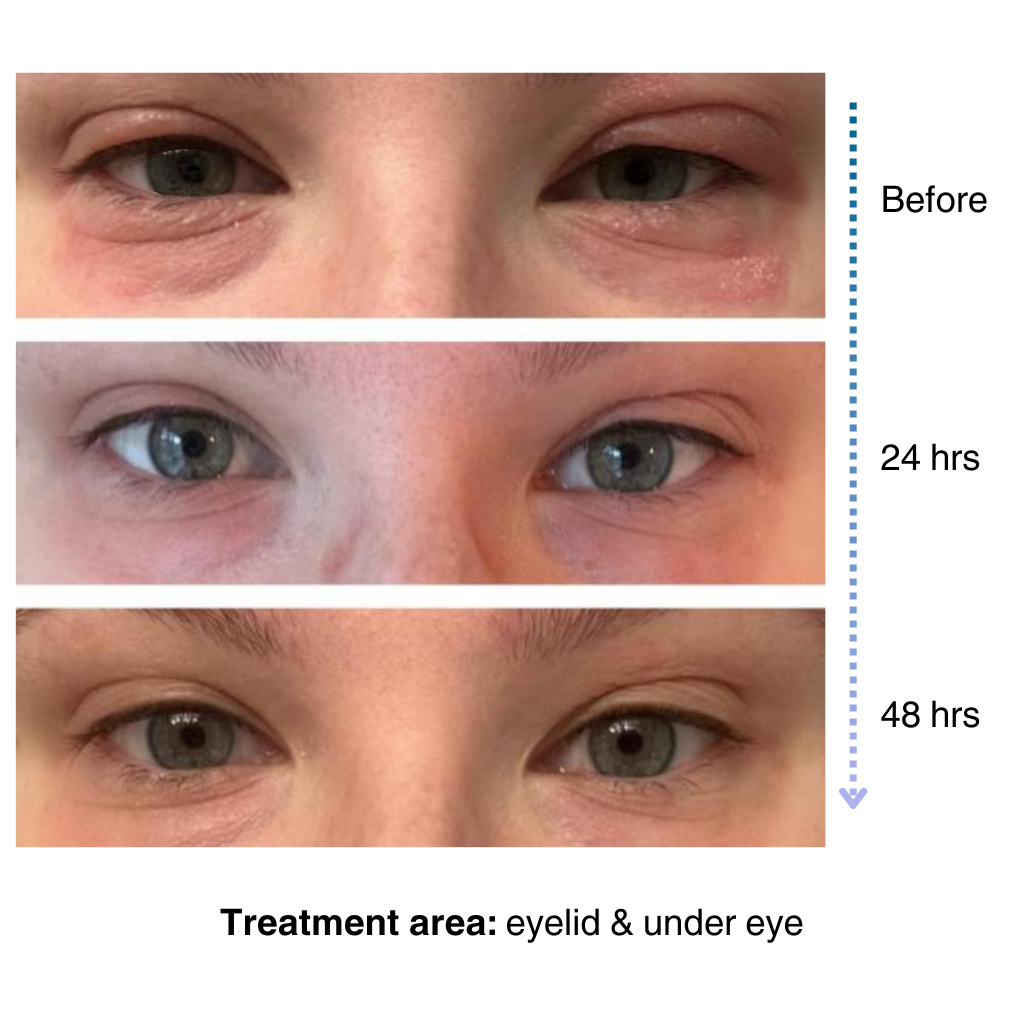
"...this is the best I've tried so far."
It’s easy to apply and isn’t chalky at all. I’ve been applying it multiple times a day… I’ve tried multiple new products to try and treat my eye eczema, and this is definitely the best I’ve tried so far.
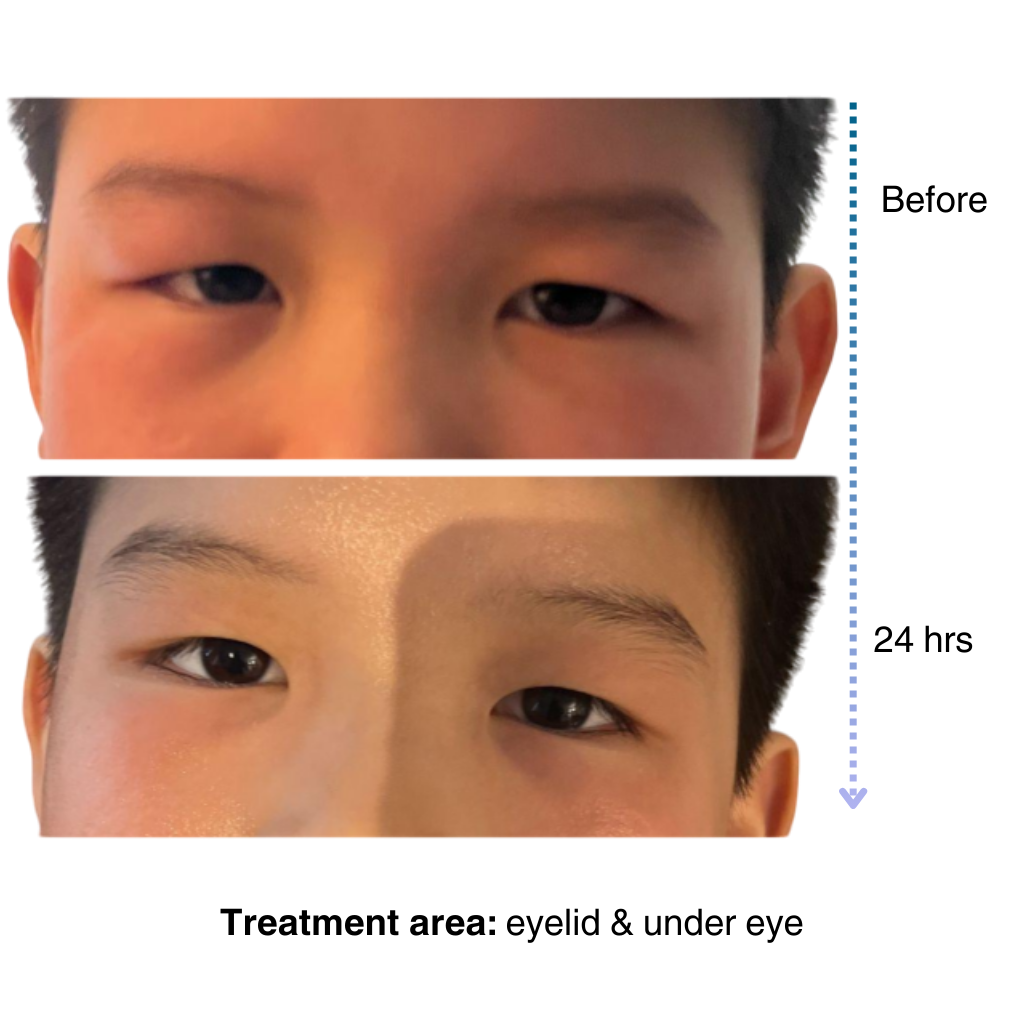
"Game-changer for my son's eczema"
My 7-year old son has been dealing with eczema on his face for a long time, and it’s been so tough to find something that really works…..I’m amazed by the results! Within one day, the redness and rough patches on his face significantly improved…. he doesn’t mind using it at all because it doesn’t sting or feel greasy. – Lily

Join our community
Get expert advice, exclusive offers, and real stories from people who understand your journey.
10% off your first order
Start your skincare journey with an exclusive discount
Eczema management tips
Practical advice for managing sensitive and eczema-prone skin
Early access to innovations
Be the first to try our latest technology and product releases
Join our email list
Get 10% off your first order when you sign up
Secure & Private
Instant Access
Premium Content
Like many of you, our eczema journey is personal. That’s why we’re committed to creating a space for the eczema community to share experiences, be empowered through evidence-based solutions, and learn practical tips for daily life.
– Sajjad, Founder & CEO of NellaDerm