Eczema Phototherapy: Home vs. Clinic UV Treatment

When flares outpace moisturizers and topical prescriptions, eczema phototherapy can be a skin-calming, steroid-sparing option. Dermatologists have used medical UV light for decades to reduce inflammation, itch, and thickened plaques. Today, you can receive UV treatments in a clinic or (with a prescription and supervision) at home using certified devices. This guide explains both routes so you can choose what fits your life, budget, and skin.


A quick note on the basics: phototherapy is not a tanning bed. It uses medical-grade lamps at specific wavelengths, built-in eye and skin protections, and physician-directed dosing schedules.
eczema phototherapy

The Essentials In One Minute

  • Most used options: narrowband UVB (NB-UVB) for broad body areas and UVA1 for certain thick, inflamed, or acute flares.
  • Clinic vs home: clinics offer precise dosing and nurse oversight; home units offer convenience for long courses and maintenance—both require a dermatologist’s plan.
  • Typical schedule: two to three sessions per week for 6–12 weeks, then taper or switch to maintenance if needed.
  • Common benefits: less itch, calmer redness, smoother plaques, fewer nighttime awakenings.
  • Common side effects: temporary dryness or tightness; occasional mild sunburn-like redness if the dose is too high.
  • Not for everyone: avoid if you have photosensitivity disorders, a history of melanoma, or are taking certain light-sensitizing medicines. PUVA is generally avoided in pregnancy.

A 2024 peer-reviewed study from Cureus concludes that NB-UVB and UVA1 are effective and generally safe options for atopic dermatitis, with home phototherapy reasonable only under physician supervision.


How Eczema Phototherapy Works

  • Immunomodulation: UV light tones down overactive inflammatory pathways (including Th2/Th22), reducing cytokines that drive itch and redness.
  • Barrier support: treatment helps normalize skin cell turnover and barrier proteins, so water stays in the skin longer.
  • Nerve effects: UV can decrease nerve-related itch signaling, which is why many people sleep better during a course.

Your Options, In Plain English

Narrowband UVB (NB-UVB, ~311–313 nm)

  • Best for: widespread eczema on the trunk and limbs; chronic or moderate flares.
  • Pros: strong track record, good tolerability across skin tones, no psoralen pills.
  • Cons: needs many visits; mild dryness; rare sunburn-like reactions if the dose steps up too quickly.

UVA1 (340–400 nm)

  • Best for: thick, inflamed plaques, acute flares, and sometimes hand/foot involvement.
  • Pros: penetrates a bit deeper than UVB; can be helpful when plaques are stubborn.
  • Cons: fewer units are available; dosing protocols vary; protective eyewear and monitoring are essential.

PUVA (Psoralen + UVA)

  • Best for: select severe or recalcitrant cases when other modalities are unsuitable.
  • Pros: potent when carefully used.
  • Cons: requires a photosensitizing drug (or bath/cream psoralen), more side-effect management, and long-term risks are higher—often a second-line choice today.

Targeted/Excimer (308 nm)

  • Best for: localized stubborn patches (hands, ankles, elbows) when the rest of the skin is clear.
  • Pros: treats only what needs treating; faster per session.
  • Cons: not ideal for widespread disease; availability varies.

In-Clinic Phototherapy: What To Expect

Set-up: You’ll stand briefly in a full-body cabinet (or place a hand/foot in a smaller unit). Staff set the dose based on your skin type or your minimal erythema dose test. Eyes are covered with UV-rated goggles; sensitive zones can be shielded with clothing or zinc paste.


Schedule: Usually 2–3 sessions weekly. Many people notice less itch by week 2–4; visible clearing accumulates by weeks 6–12.


Advantages

  • Professional calibration and dosing changes (especially after missed visits or sun exposure)
  • Nursing oversight to catch early over-treat signs
  • Strongest option for those with complex medical histories

Limitations

  • Commute time, parking, co-pays
  • Clinic hours may clash with work or school
  • Harder to maintain gains once the formal course ends if you cannot continue maintenance sessions

At-Home Phototherapy: What To Expect

Eligibility: Requires a dermatologist’s prescription and plan. Home therapy is most useful when you responded well in clinic but need maintenance or when access to a phototherapy center is limited.


Devices: From handheld spot devices to small-panel or booth-style NB-UVB units certified for home medical use. Your care team should specify the device, dose schedule, eye protection, and when to pause.


Daily Reality

  • Keep a log (dose, time, body sites).
  • Follow the “missed-session” rules from your clinician (e.g., reduce the dose if you pause for a week).
  • Protect uninvolved areas with clothing or opaque sunscreen during treatment.

Advantages

  • Convenience for multi-week courses and maintenance
  • Fewer missed sessions; often better adherence
  • Treat localized areas on your own schedule

Limitations

  • Upfront device cost (sometimes offset by insurance)
  • Requires careful self-monitoring and honest communication with your dermatologist
  • Risk of over- or under-dosing if you deviate from the plan

Safety First: Smart Rules For Any UV Treatment

  1. Moisturize consistently. UV can dry the stratum corneum. Apply a bland, fragrance-free barrier cream after each session and after bathing to keep the barrier sealed. If you prefer a simple base layer, consider  NellaDerm’s NellaCalm Steroid-Free Eczema Cream as your “seal” step.
  2. Shield sensitive areas. Use goggles; cover genitals and any zones your clinician tells you to protect.
  3. Pause with burns. If you develop tender redness that lasts >24 hours, contact your clinic before the next dose.
  4. Sync with your other treatments. Many people use phototherapy alongside gentle topicals. Always clarify whether to apply medication before or after sessions; in many protocols, emollient goes on after.
  5. Coordinate sun exposure. Avoid additional unplanned UV (beach day, tanning) during a course; tell your clinic about any exposure so they can adjust dosing.
  6. Know who should avoid it. Phototherapy is generally not used if you have a history of melanoma, active photosensitive disorders, or are taking certain photosensitizing drugs. PUVA is typically avoided during pregnancy.

Clinic Or Home: How To Choose

Question

Favors In-Clinic

Favors At-Home

Do you need precise full-body dosing with nurse oversight?


Is your schedule unpredictable or clinic access difficult?


Are you early in your treatment journey?

✓ (to learn response/safety)


Are you maintaining results after a successful course?


Do you have complex health history or prior skin cancer?


Are your plaques localized (hands, feet, ankles)?

✓ (targeted devices)

✓ (handheld units)


What Results To Expect (And When)

  • Week 1–2: itch often eases first; skin may feel drier—moisturize more.
  • Week 3–6: visible redness and plaque thickness start to decline; sleep may improve.
  • Week 6–12: many reach near-clear or have much calmer skin; your clinician may taper frequency or discuss maintenance.
  • After: some people stop and restart with new flares; others do maintenance (for example, weekly NB-UVB) for a set period.

Everyone’s dose curve is different. Missed sessions, intercurrent sun, and flares from heat or stress affect timing—stay in touch with your clinic so they can adjust.


Side Effects And Long-Term Considerations

  • Short-term: dryness, tightness, mild pinkness; occasional transient itch after sessions.
  • Medium-term: tanning or freckling in exposed areas.
  • Long-term: with modern NB-UVB courses, skin-cancer risk appears low when used judiciously; PUVA carries higher long-term risks, so it is reserved for select cases and total lifetime dose is tracked. Your dermatologist will individualize risk-benefit based on skin type, history, and alternatives.

A Simple Session-Day Routine You Can Copy

Before

  • Quick lukewarm rinse (optional).
  • Skip fragranced products. Do not apply thick ointments to treatment areas unless your clinician says so (they can block light).
  • Cover sensitive zones and put on your goggles.

After

  • Moisturize generously within three minutes after bathing or rinsing.
  • Dress in soft, breathable fabrics.
  • If any area feels hot or tender, cool with a damp cloth for a few minutes, then moisturize again.

For step-by-step daily care that pairs well with phototherapy, see: Skin Minimalism: Simplify Your Eczema Routine


Final Thoughts

Eczema phototherapy is a proven, non-systemic option that can quiet itch and inflammation when daily care is not enough. Start in a clinic to establish your response and safety, then consider a supervised home unit for convenience and maintenance if it fits your plan. Pair light therapy with consistent moisturizing, smart clothing and laundry choices, and cool, clean bedroom air, and your skin gets the best chance to stay calm.

Explore the Eczema Knowledge Hub

Your go-to resource for flare-up relief, skincare tips, and science-backed advice.

FAQs About Eczema Phototherapy

How is this different from a tanning bed?
Medical devices emit controlled wavelengths and doses with physician oversight; tanning beds are not medical treatments and carry unnecessary risks.


Can children do phototherapy?
Yes, in many centers, using child-specific protocols and protections. Your pediatric dermatologist will guide dosing and frequency.


Will I still need moisturizers or topicals?
Usually, yes. Phototherapy works best on top of a steady emollient routine and may allow you to use fewer steroids or rescue meds over time.


I cannot make it to clinic three times a week. Do I bother?
Talk with your dermatologist about a home NB-UVB plan if you are a good candidate and can follow dosing precisely.


How long do results last
Many people enjoy months of calmer skin after a course; some schedule brief maintenance to stretch results, especially through winter or allergy seasons.

Sign up for eczema management tips, special offers, and real stories from people who’ve been where you are. Plus, get 5% off your first order.

"...this is the best I've tried so far."

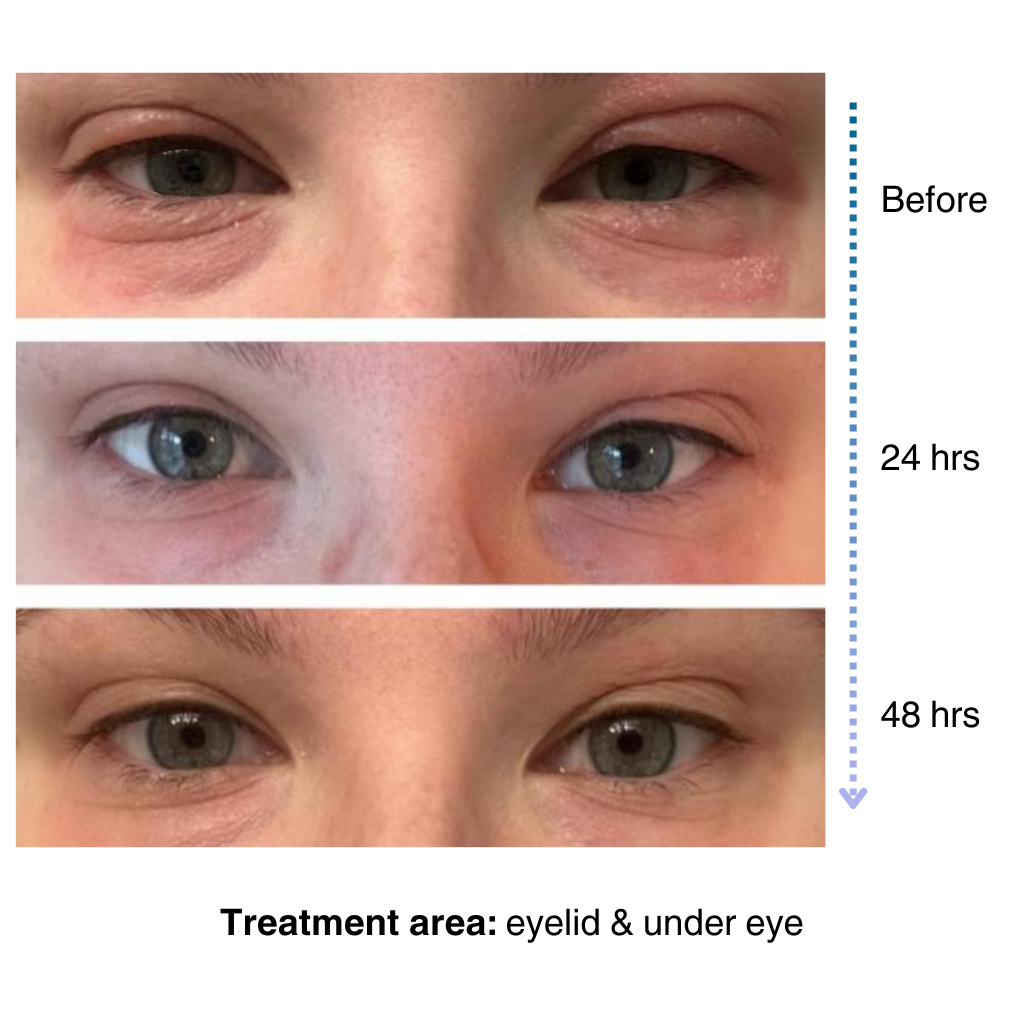
It’s easy to apply and isn’t chalky at all. I’ve been applying it multiple times a day… I’ve tried multiple new products to try and treat my eye eczema, and this is definitely the best I’ve tried so far.

"Game-changer for my son's eczema"

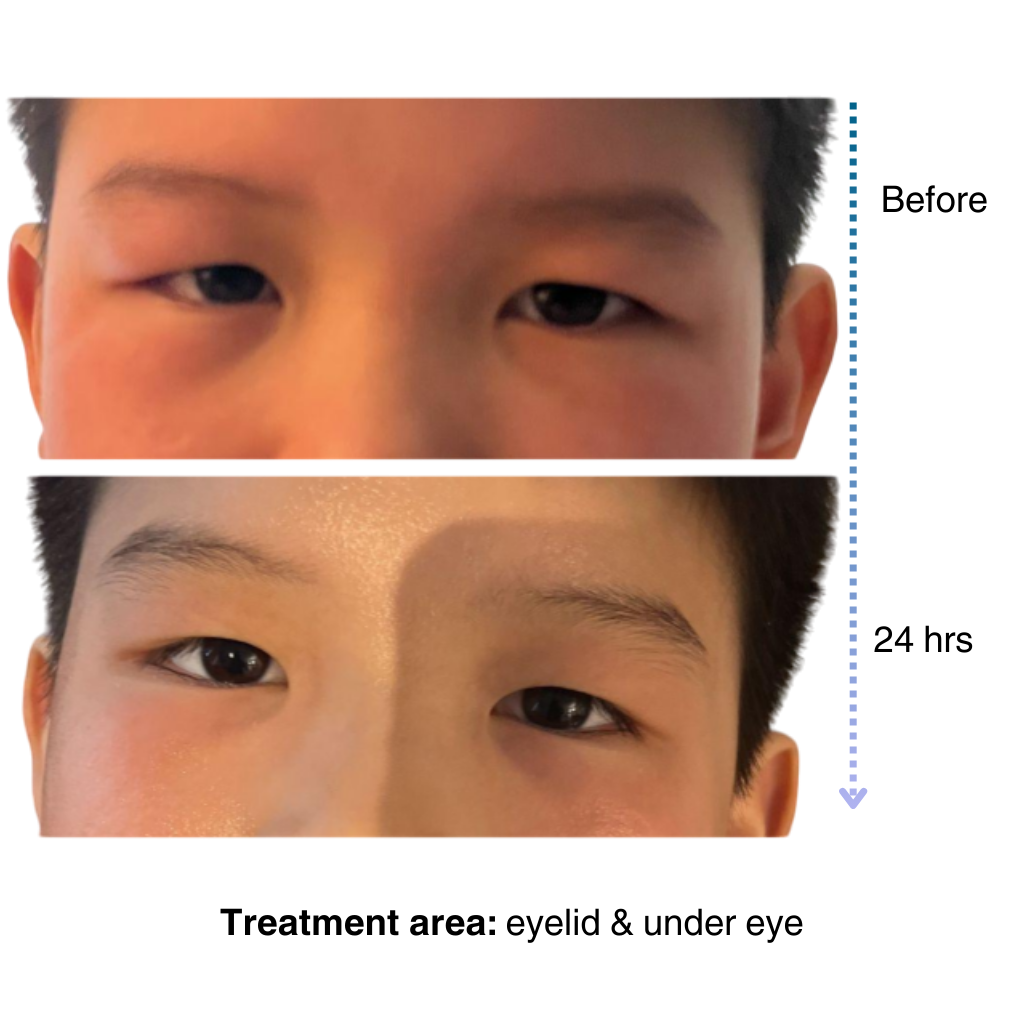
My 7-year old son has been dealing with eczema on his face for a long time, and it’s been so tough to find something that really works…..I’m amazed by the results! Within one day, the redness and rough patches on his face significantly improved…. he doesn’t mind using it at all because it doesn’t sting or feel greasy. – Lily
Like many of you, our eczema journey is personal. That’s why we’re committed to creating a space for the eczema community to share experiences, be empowered through evidence-based solutions, and learn practical tips for daily life.  

– Sajjad, Founder & CEO of NellaDerm

Eczema treatment
Shopping Cart