
Eczema concerns?
FREE
Get instant expert guidance with our smart AI platform.
Join NowNatural Ways to Fade Eczema Scars and Post Inflammatory Marks
Eczema, also known as atopic dermatitis, is more than just an itchy skin condition. After a flare-up subsides, many people are left with stubborn scars and dark marks that can affect their confidence and quality of life. These post-inflammatory changes can be long-lasting, especially for those with darker skin tones. Thankfully, there are effective, natural options for eczema scar treatment that support skin healing without harsh chemicals or invasive procedures.
In this comprehensive guide, we’ll explore the most evidence-based, gentle, and dermatologist-supported approaches to managing eczema scars and restoring even-toned, healthy skin.

Eczema rarely leaves deep, pitted scars like acne or injury, but the constant cycle of inflammation, scratching, and healing can result in stubborn marks that affect both appearance and confidence. These post inflammatory changes range from dark spots to red patches and thickened skin, depending on your skin tone and eczema severity.
The good news is that most eczema related discoloration and texture changes improve with time and the right care. This comprehensive guide explores why eczema leaves marks, which natural ingredients actually help fade them, and how to build a sustainable routine that supports healing without triggering new flare-ups. Whether you are dealing with fresh red marks or long-standing hyperpigmentation, understanding the science behind eczema scarring empowers you to choose treatments that work with your skin, not against it.
While eczema does not usually scar in the same way as deep wounds or burns, repeated scratching, inflammation, and infections can cause:
Treating these marks is not about instant results but about supporting the skin barrier, reducing inflammation, and encouraging natural cell turnover.
This plant contains anti inflammatory compounds like aloin and acemannan that help calm redness, promote healing, and hydrate dry skin.
Vitamin E is a potent antioxidant that helps fight oxidative stress in the skin and supports cell repair.
Rich in essential fatty acids, retinoic acid, and antioxidants, rosehip seed oil is known for its ability to fade scars and reduce pigmentation.
Licorice contains glabridin, a compound that reduces pigmentation by inhibiting melanin production.
This soothing agent helps reduce inflammation and itching while restoring the skin barrier. It also gently exfoliates dead skin cells that may contribute to uneven skin tone.
SIX
Fragrances are a top trigger for eczema and can irritate healing skin. Choose hypoallergenic, fragrance free products.
Keep the skin well hydrated to promote healing. Apply moisturizer within three minutes of bathing (The 3 Minute Rule) to lock in hydration.
Easier said than done, but scratching delays healing and increases scar risk. Keep nails trimmed, wear cotton gloves at night, and try anti itch treatments like cold compresses.
A very light exfoliation once or twice a week (with lactic acid or a soft cloth) can help fade scars faster. Always moisturize after.
UV exposure worsens pigmentation and slows scar healing. Always use mineral based sunscreen with zinc oxide or titanium dioxide, which are less irritating for eczema prone skin.
Read more in our post Sunscreen Success.
A healthy, anti inflammatory diet rich in:
can help the skin heal faster and reduce scarring.
Some people benefit from supplements, especially zinc, Vitamin D, and omega 3s, but always consult your dermatologist first.
A peer reviewed study published in Surgical and Cosmetic Dermatology found that omega 3 fatty acids significantly improved skin barrier function and reduced PIH in patients with atopic dermatitis.
Eczema scar treatment does not have to involve harsh chemicals or expensive procedures. By focusing on natural, barrier supportive skincare and lifestyle practices, you can gently fade marks and restore your skin’s smooth, even texture. Patience is key, but with consistency, results will follow.
Explore more sensitive skin solutions and natural eczema care products at NellaDerm.com, your trusted partner in barrier first skincare.
Post inflammatory hyperpigmentation and post inflammatory erythema are the two most common marks left after eczema flares, but they behave differently and require tailored approaches. PIH appears as brown, black, or gray flat spots and is caused by excess melanin production during inflammation. It is more prevalent in Fitzpatrick skin types III to VI and can persist for months or years without intervention.
PIE presents as pink, red, or purple patches resulting from dilated blood vessels and damaged capillaries near the skin surface. It is more common in lighter skin tones (Fitzpatrick I to III) and tends to fade faster than PIH, often within six to twelve months. However, repeated inflammation can make PIE chronic.
Identifying your mark type is the first step in effective treatment. For PIH, focus on melanin inhibiting ingredients like licorice root, niacinamide, or vitamin C. For PIE, prioritize vascular calming agents such as centella asiatica, green tea extract, or azelaic acid. Both benefit from strict sun protection, as UV rays darken PIH and prolong PIE.
Combining targeted ingredients with consistent barrier repair prevents new marks from forming. Many eczema patients experience both PIH and PIE in different areas, so a multi pronged routine addressing inflammation, pigmentation, and vascular health yields the best long term results.
The most effective way to deal with eczema scars is to stop them from developing in the first place. Early intervention during active flares dramatically reduces the risk of lasting marks. Begin with rapid itch control using wet wrap therapy, colloidal oatmeal baths, or prescription topicals to break the scratch cycle before skin damage occurs.
Maintain a robust moisture barrier with occlusive emollients applied twice daily, especially after bathing. Ceramide dominant creams reinforce the skin’s natural defenses, minimizing inflammation depth and duration. Avoid hot showers, harsh soaps, and wool clothing that exacerbate dryness and trigger scratching.
Environmental controls play a crucial role. Use a humidifier to keep indoor humidity between 40 and 60 percent, reducing transepidermal water loss that worsens flares. Allergen proof bedding and weekly hot water washing of linens eliminate dust mites, a common eczema trigger.
Stress management through mindfulness, adequate sleep, and gentle exercise lowers cortisol driven inflammation. When flares are well controlled, the skin heals cleanly without residual discoloration or thickening, making preventive habits the cornerstone of scar free eczema management.
Once basic ingredients are in place, layering advanced botanicals and bioactives accelerates fading for resistant marks. Niacinamide at 5 to 10 percent concentration reduces inflammation, regulates melanin transfer, and strengthens the barrier, making it ideal for both PIH and PIE. It pairs beautifully with rosehip oil for enhanced penetration.
Centella asiatica (gotu kola) promotes collagen synthesis and wound healing while calming redness. Look for products standardized to madecassoside or asiaticoside for maximum efficacy. Bakuchiol, a gentle retinol alternative, boosts cell turnover without irritation, helping lichenified areas regain normal texture over time.
Turmeric extract containing curcuminoids inhibits tyrosinase and inflammatory pathways, lightening dark spots safely. Combine with black tea ferment (kombucha) for antioxidant protection and microbiome support. These science backed naturals deliver visible improvement when used consistently for three to six months.
Always introduce one new ingredient every two weeks to monitor tolerance. Patch testing on the inner arm prevents adverse reactions that could worsen scarring. Building a layered yet simplified routine maximizes results while minimizing flare risk.
Natural treatments work well for mild to moderate marks, but certain situations warrant professional evaluation. Seek a dermatologist if scars are raised, keloidal, or accompanied by signs of infection such as pus, warmth, or fever. Persistent lichenification unresponsive to moisturization may require short term calcineurin inhibitors.
Deep PIH lasting over a year despite consistent care often benefits from prescription hydroquinone, tranexamic acid, or chemical peels tailored for sensitive skin. Laser therapies like non ablative fractional or picosecond lasers target pigmentation and vascular lesions with minimal downtime when performed by eczema experienced providers.
Microneedling with platelet rich plasma stimulates collagen in thickened areas but must be approached cautiously to avoid triggering flares. Your dermatologist can combine in office procedures with a home regimen for optimal outcomes.
Early intervention prevents minor marks from becoming permanent. Regular follow ups ensure treatments remain aligned with your skin’s evolving needs throughout the healing journey.
Consistency transforms natural ingredients into powerful scar faders. A streamlined routine minimizes irritation while maximizing efficacy. Start mornings with gentle cleansing using a cream based, fragrance free wash. Pat dry and apply a vitamin C serum to brighten and protect against UV induced darkening.
Follow with a niacinamide treatment to regulate pigmentation and calm inflammation. Seal with a ceramide rich moisturizer and mineral sunscreen rated SPF 30 or higher. Reapply sunscreen every two hours if outdoors.
Evenings focus on repair. Remove sunscreen with an oil cleanser if needed, then use a second cream cleanse. Apply rosehip or bakuchiol serum to scarred areas, layering licorice extract over PIH spots. Finish with a thick occlusive balm containing colloidal oatmeal and shea butter.
Weekly, perform gentle lactic acid exfoliation on non inflamed skin to enhance penetration of actives. Follow immediately with soothing aloe vera and extra moisturizer. Track progress with monthly photos under consistent lighting to stay motivated.
Adjust seasonally: increase humidity and occlusion in winter, lighten textures in summer. This adaptable yet disciplined approach delivers cumulative improvement without overwhelming sensitive skin.
Myths about scar treatment abound, often leading to wasted money or worsened irritation. Lemon juice is frequently touted for lightening, but its acidity disrupts the skin barrier and increases photosensitivity, potentially darkening PIH further. Avoid aggressive scrubbing or loofahs that cause micro tears and prolong healing.
The idea that scars must be picked or scabbed for fading is false. Keeping wounds moist and covered with silicone gel or petrolatum promotes orderly healing with less discoloration. Coconut oil alone is insufficient for deep repair and may clog pores in some individuals.
Overnight miracle creams do not exist. True improvement requires months of gentle, cumulative care. Steroid creams thin skin with prolonged use and should be reserved for active inflammation, not scar treatment.
Focus on evidence backed ingredients and barrier support. When in doubt, simpler is better for eczema prone skin. Patience and consistency outperform trendy quick fixes every time.
Fading eczema scars is only half the battle. Sustaining clear, even skin requires ongoing vigilance. Continue daily sunscreen and antioxidant protection to prevent UV triggered melanin surges. Maintain twice daily moisturization even after marks fade to preserve barrier integrity.
Monitor for early flare signs and intervene quickly with soothing topicals to minimize inflammation duration. Annual dermatologist check ins catch subtle changes before they become problematic. Keep a skin journal tracking triggers, products, and progress for personalized insights.
Lifestyle factors remain crucial. Balanced nutrition, stress reduction, and adequate sleep support skin resilience year round. Gentle exercise improves circulation, aiding nutrient delivery to healing tissues.
With mindful maintenance, faded scars stay faded, and new ones become rare. This proactive approach transforms eczema scar management from a temporary fix into a lifelong habit of healthy, confident skin.
Q1: How long does it take to fade eczema scars naturally?
A: It depends on the type and severity. Most post-inflammatory marks begin to fade within 6–12 weeks of consistent treatment.
Q2: Can eczema scars become permanent?
A: True scars from deep scratching or infection may not fully fade, but their appearance can improve significantly with care.
Q3: Can I use makeup to cover eczema scars?
A: Yes, but choose non-comedogenic, fragrance-free products, and always apply a moisturizer and barrier cream first. Check out NellaDerm’s product line for protective skin support.
Q4: Are chemical peels or laser safe for eczema scars?
A: Only under dermatologist supervision. These are generally not first-line treatments due to the risk of flare-ups.
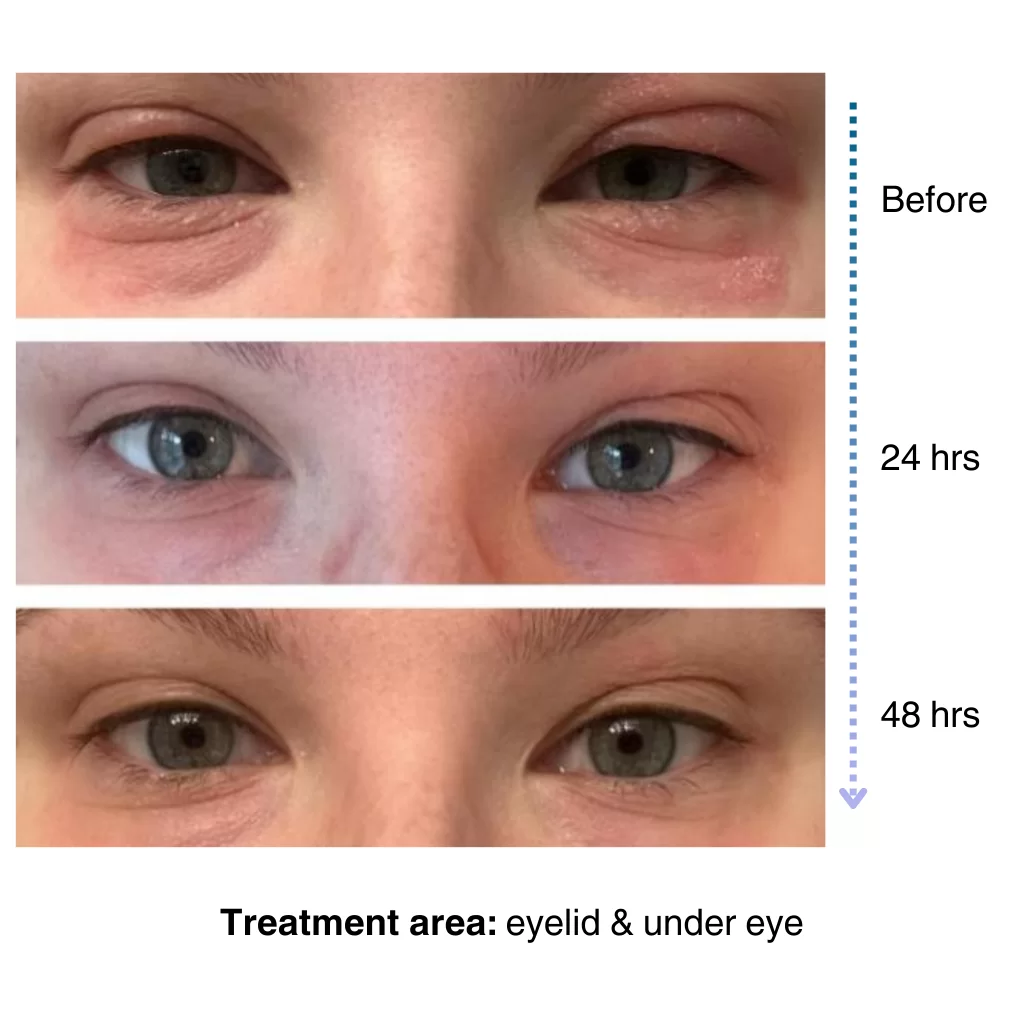
It’s easy to apply and isn’t chalky at all. I’ve been applying it multiple times a day… I’ve tried multiple new products to try and treat my eye eczema, and this is definitely the best I’ve tried so far.
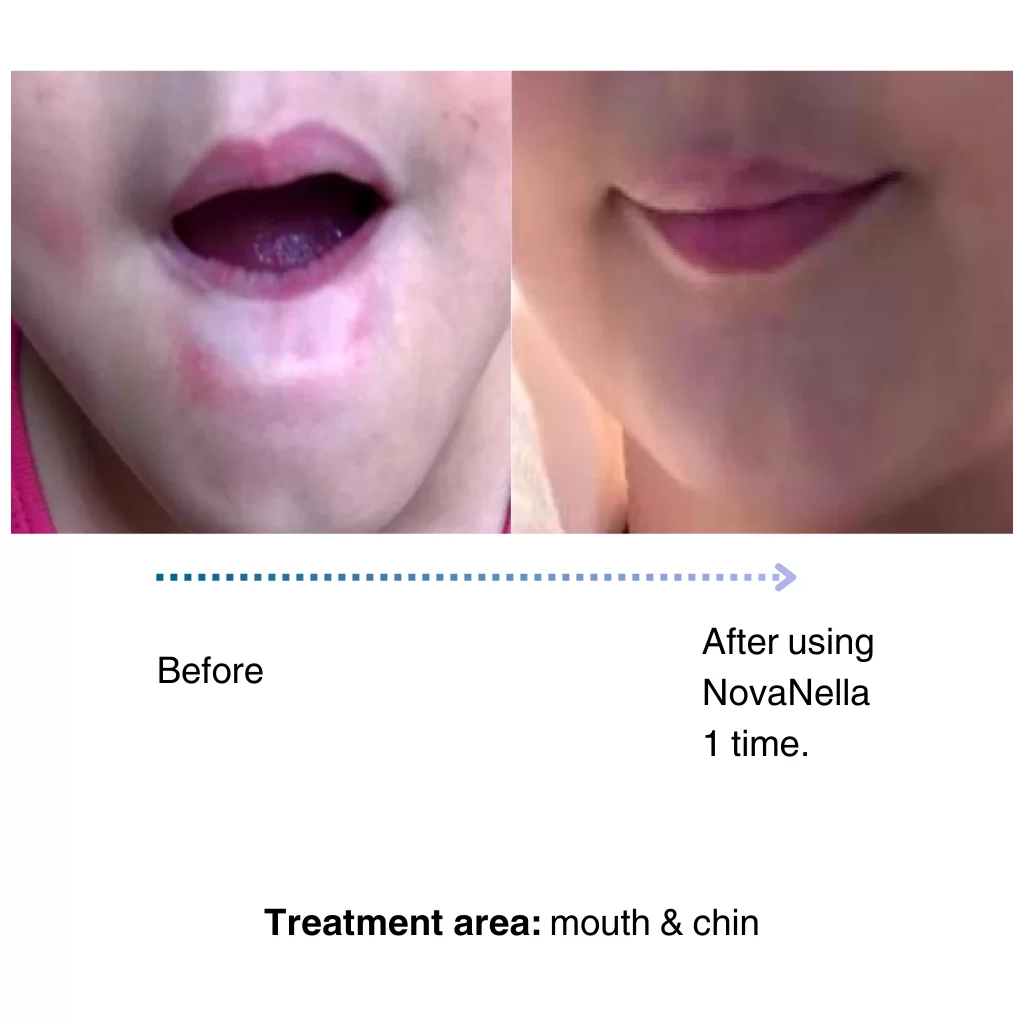
My 7-year old son has been dealing with eczema on his face for a long time, and it’s been so tough to find something that really works…..I’m amazed by the results! Within one day, the redness and rough patches on his face significantly improved…. he doesn’t mind using it at all because it doesn’t sting or feel greasy. – Lily


Get expert advice, exclusive offers, and real stories from people who understand your journey.
Start your skincare journey with an exclusive discount
Practical advice for managing sensitive and eczema-prone skin
Be the first to try our latest technology and product releases
Get 10% off your first order when you sign up
Secure & Private
Instant Access
Premium Content
Like many of you, our eczema journey is personal. That’s why we’re committed to creating a space for the eczema community to share experiences, be empowered through evidence-based solutions, and learn practical tips for daily life.
– Sajjad, Founder & CEO of NellaDerm
