
Eczema Sunburn: How to Treat Post-Sun Flare-Ups
The warmth of the sun can be comforting, even healing in moderation. But for those with sensitive skin or chronic conditions like eczema, sun exposure can sometimes lead to more harm than good. You may find yourself asking after a day outside: Is this a sunburn or an eczema flare up?
Understanding how to differentiate the two and knowing how to treat both effectively is essential, especially during the summer months or after vacations where sun exposure is unavoidable. In this guide, we’ll help you spot the difference between sunburn and eczema, explore their relationship, and give expert-backed advice on how to calm and heal your skin when it’s had too much sun.
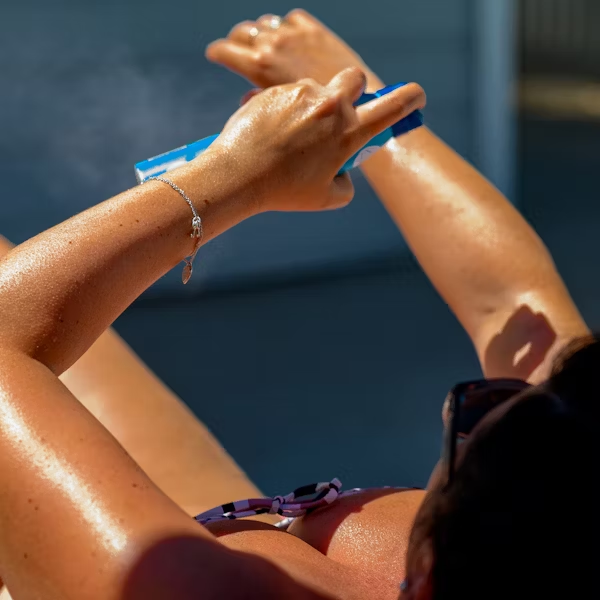
Sunburn vs Eczema: Understanding the Key Differences and How to Respond
Though sunburn and eczema can both cause redness, irritation, and discomfort, they’re fundamentally different skin issues.
Sunburn
- Caused by overexposure to ultraviolet (UV) rays
- Appears red, hot, tight, and painful to the touch
- Can peel after a few days
- Often limited to exposed areas like the face, shoulders, or back
Eczema Flare Up
- Caused by immune system overactivity and inflammation
- Feels itchy, bumpy, or rash-like (with possible oozing or cracking)
- May affect areas typically prone to eczema like the elbows, knees, neck, or hands
- Not always triggered by sun, but sun exposure can worsen existing symptoms
Sunburn can trigger eczema in some people by weakening the skin’s barrier, leading to increased inflammation. This overlap makes it especially important to treat post-sun symptoms carefully.
Can Sunlight Help or Hurt Eczema?
It’s complicated. Some people with eczema report mild sun exposure improves their symptoms, thanks to the anti-inflammatory effects of UVB light. In fact, phototherapy (narrowband UVB therapy) is sometimes used under medical supervision for severe eczema.
But too much sun? That’s where problems begin.
According to a review published in NIH, while UVB light can reduce inflammation in small doses, overexposure damages the skin barrier, depletes hydration, and increases the risk of secondary flare ups or infections.
Signs You Have Both: A Dual Reaction
In some cases, you may be experiencing both sunburn and eczema at the same time. This can occur if:
- You were out in the sun without adequate SPF
- You have naturally dry or eczema-prone skin
- You sweated excessively, which irritated existing eczema patches
- You used a sunscreen with fragrances or harsh chemicals
The result? A painful, itchy, red rash that feels both burnt and inflamed. It’s important to treat the skin gently and avoid harsh ingredients.
How to Treat Sun-Triggered Flare Ups
Here’s a step-by-step plan to help your skin recover:
1. Cool Down Immediately
Gently cool the affected area with a damp compress or a lukewarm (not cold) shower. Avoid using soap on sunburned areas.
2. Apply Moisture Fast
Use the 3-minute rule: Apply a fragrance free moisturizer within three minutes of bathing or rinsing to lock in hydration. Choose products rich in ceramides or colloidal oatmeal. The NellaDerm NellaCalm cream is an excellent option for calming and rehydrating damaged skin.
3. Avoid Corticosteroids on Fresh Sunburns
If your skin is actively peeling or blistered, avoid using prescription steroid creams until it’s healed. They can irritate sunburned skin further. Once the burn subsides, they may help reduce eczema inflammation.
4. Skip the Harsh After-Sun Lotions
Many popular aloe gels or after-sun lotions contain alcohol or fragrance. These can worsen eczema symptoms. Opt for medical-grade moisturizers instead.
5. Protect the Skin Barrier
Avoid scrubbing, exfoliating, or exposing the skin to heat (hot water, sun, or saunas) for at least a week. Gentle skin care is critical while healing.
What to Do Next Time: Prevention Tips
Use Mineral Sunscreens
Choose physical (mineral) sunscreens containing zinc oxide or titanium dioxide, which are less likely to irritate eczema-prone skin. Look for products labeled “fragrance free” and “hypoallergenic.”
Reapply Often
Even with sunscreen, reapply every 2 hours especially if swimming or sweating.
Wear Protective Clothing
Long sleeves, wide-brimmed hats, and UPF-rated clothing offer extra protection. Brands like Coolibar and Solbari specialize in sun protective wear.
Moisturize Before and After
Apply a moisturizer before sunscreen to protect the skin barrier and after sun exposure to replenish lost hydration.
When to See a Dermatologist
If your skin blisters, cracks, or becomes infected (e.g., oozing, yellow crusts, or pain), contact your dermatologist. Severe flare ups can require prescription topical treatments or antibiotics to prevent complications.
Explore More
To learn about how to protect skin year-round, check out Eczema During Allergy Season on the NellaDerm Knowledge Hub.
For more gentle skin care essentials, explore our full eczema-friendly product line at NellaDerm.com.
Final Thoughts
Whether it’s a sunburn, an eczema flare, or both, the key is recognizing the symptoms early and responding with gentle, supportive care. Knowing the difference between sunburn or eczema allows you to treat your skin smarter and prevent more pain in the future.
By protecting your skin from the sun and reinforcing the skin barrier with the right products, you can enjoy the outdoors without compromising your comfort or health.
The Science Behind Sun Exposure and Eczema: What Research Shows
The relationship between sunlight and eczema is nuanced and varies significantly between individuals. Controlled UVB exposure has been shown to suppress immune activity in the skin, which can temporarily reduce inflammation in atopic dermatitis. A 2022 study in the Journal of Investigative Dermatology found that narrowband UVB therapy improved eczema severity scores by up to 60 percent in moderate to severe cases after 12 weeks of treatment.
However, natural sunlight contains a broader spectrum of UV rays, including UVA, which penetrates deeper and contributes to oxidative stress and barrier damage. This damage disrupts filaggrin production, a protein critical for skin hydration and already deficient in many eczema patients. The result is a compromised barrier more susceptible to irritants and allergens.
Heat and sweat also play significant roles. Elevated skin temperature increases transepidermal water loss, while sweat contains salts and proteins that can irritate sensitive skin. For some, the combination of UV damage and sweat induced irritation creates a perfect storm for flare ups, even with minimal sun exposure.
Understanding these mechanisms helps explain why some eczema patients benefit from brief morning sun exposure in cooler climates, while others experience worsening symptoms in hot, humid conditions. Personalized assessment with a dermatologist remains essential for safe sun strategies.
Best Sunscreens for Eczema Prone Skin in 2025: Top Picks and Ingredients to Trust
Selecting the right sunscreen is crucial for eczema management during sun exposure. Mineral based formulas with zinc oxide or titanium dioxide create a physical barrier that reflects UV rays rather than absorbing them, reducing the risk of chemical irritation. Look for broad spectrum protection with SPF 30 or higher and water resistance for at least 80 minutes.
Avoid common irritants such as oxybenzone, octinoxate, fragrances, and essential oils. Instead, prioritize products enriched with soothing ingredients like niacinamide, ceramides, or centella asiatica. Tinted mineral sunscreens can also mask redness and provide additional anti inflammatory benefits from iron oxides.
Application technique matters. Apply sunscreen as the last step in your morning routine, using about one teaspoon for the face and two tablespoons for the body. For children with eczema, choose pediatric formulations tested under dermatological control. Brands like La Roche Posay, CeraVe, and Vanicream consistently rank high for tolerance and efficacy.
In 2025, reef safe and biodegradable mineral sunscreens are gaining traction, offering environmental responsibility without compromising skin safety. Always patch test new products on the inner arm for 48 hours before full application to ensure compatibility with sensitive skin.
Building a Daily Skincare Routine for Sun Exposed Eczema Prone Skin
Consistency is key when managing eczema in sunny conditions. Start your day with a gentle, soap free cleanser to remove overnight buildup without stripping natural oils. Pat dry and immediately apply a rich, ceramide based moisturizer to reinforce the skin barrier before sunscreen application.
Throughout the day, carry a travel size moisturizer for reapplication, especially after hand washing or sweating. In the evening, cleanse again with lukewarm water and follow with a reparative night cream containing colloidal oatmeal or hyaluronic acid. Avoid hot showers, which exacerbate dryness and inflammation.
Incorporate antioxidant serums with vitamin C or E in the morning for added protection against free radical damage from UV exposure. Weekly gentle exfoliation with a soft cloth can prevent buildup, but skip chemical exfoliants that may irritate compromised skin.
Track your skin’s response in a journal, noting weather conditions, sun exposure duration, and product use. This data helps identify patterns and refine your routine for optimal eczema control during peak sun seasons.
Common Myths About Sun Exposure and Eczema Debunked
Misconceptions about sun and eczema abound. One persistent myth claims that all sun exposure worsens eczema. While excessive UV is harmful, controlled doses can benefit some patients through natural vitamin D synthesis and immune modulation. The key is moderation and protection.
Another fallacy suggests darker skin tones are immune to sunburn triggered eczema. Melanin offers some natural protection, but UV damage still occurs, and eczema flare ups can follow in predisposed individuals regardless of complexion.
Many believe tanning builds a base that prevents burns. Tanning is a sign of DNA damage and offers minimal protection equivalent to SPF 3 at best. It does not safeguard eczema prone skin and may increase long term risks.
Finally, the idea that indoor tanning is safer than natural sun is false. Tanning beds emit concentrated UVA rays that penetrate deeply and accelerate skin aging and barrier breakdown without the anti inflammatory UVB benefits used in medical phototherapy.
Managing Sun Exposure and Eczema in Children: Parent Guide
Children with eczema require extra vigilance in sun protection. Their skin barriers are naturally thinner and more reactive. Dress infants under six months in lightweight, long clothing and keep them in shade, as sunscreen is not recommended before this age.
For older children, choose kid friendly mineral sunscreens with fun packaging to encourage compliance. Apply generously 15 minutes before going outside and reapply after water play. Schedule outdoor activities before 10 a.m. or after 4 p.m. to avoid peak UV hours.
Post sun care involves cool baths with added colloidal oatmeal followed by fragrance free moisturizers. Watch for signs of heat rash or flare ups and have a pediatrician approved treatment plan ready. Teaching sun safety early builds lifelong habits that protect sensitive skin.
Vitamin D supplementation may be necessary if sun avoidance is strict, as deficiency can impact immune function. Consult your child’s doctor to balance sun safety with nutritional needs for healthy development.
Long Term Effects of Repeated Sunburns on Eczema Prone Skin
Repeated sunburns accelerate photoaging and increase skin cancer risk, but for eczema patients, the damage compounds existing barrier dysfunction. Chronic UV exposure leads to persistent inflammation, thickening of the skin, and reduced elasticity over time.
Studies show that individuals with atopic dermatitis who experience frequent sunburns have higher rates of persistent symptoms into adulthood. The cumulative oxidative stress impairs ceramide synthesis and weakens tight junctions, making flare ups more frequent and severe.
Preventing sunburns from an early age preserves skin health and reduces the need for aggressive treatments later. Daily broad spectrum protection, even on cloudy days, is a worthwhile investment in long term eczema management and overall dermatological wellness.
Regular skin checks with a dermatologist become especially important for those with a history of sun triggered eczema, ensuring early detection of any concerning changes while maintaining optimal skin barrier function.
Sunburn and Eczema FAQs: Your Questions Answered
Does sunscreen make eczema worse?
Chemical sunscreens can irritate sensitive skin, but mineral formulas with zinc oxide are generally well tolerated. Always choose fragrance free, hypoallergenic options and patch test first.
Can I use aloe vera on sunburned eczema skin?
Pure aloe vera gel can soothe mild burns, but many commercial products contain alcohol or fragrance. Use 100 percent aloe or stick to eczema safe moisturizers to avoid further irritation.
How long do sun triggered eczema flare ups last?
With proper care, symptoms typically improve within 7 to 14 days. Persistent flare ups beyond three weeks warrant medical evaluation to rule out infection or other complications.
Is vitamin D from sun safe for eczema patients?
Brief, protected exposure can help, but supplements are often safer and more reliable. Consult your doctor for appropriate dosing based on blood levels and skin condition.
Can swimming worsen sun triggered eczema?
Chlorine and saltwater can dry the skin, exacerbating damage from sunburn. Rinse thoroughly after swimming and moisturize immediately to minimize irritation.
Frequently Asked Questions
Q: If I have eyelid eczema elsewhere, can it still be ACD?
Yes. People with eyelid eczema are more vulnerable to contact allergens due to compromised skin. Even mild allergies can cause significant swelling or flaking.
Q: Are allergy tests painful?
No. Patch tests involve adhesive patches left on the back. Reactions are evaluated over 48–96 hours with minimal discomfort.
Q: How long will it take to heal?
Eczema takes longer—days to weeks. Allergic reactions may clear within a few days after removing the trigger.
More Helpful Eczema Articles You Should Read
- Midday Skin Resets for Eczema-Prone Skin
- Commuting With Eczema: Transit, Cars, and Pollution
- Habit Stacking for Eczema: Skincare That Sticks
- Eczema and Coffee: Does Caffeine Affect Skin?
- Humidity Eczema Relief: Nighttime Bedroom Fixes
- Keloids and Eczema: Managing Scars on Dark Skin
- Nail Eczema: How to Care for Nails Without Stings
- Eczema in Newborns: What Parents Should Know
- Eczema and Arthritis: Hand-Care for Skin & Joints
- Eczema in College: A Budget-Friendly Survival Guide
Like many of you, our eczema journey is personal. That’s why we’re committed to creating a space for the eczema community to share experiences, be empowered through evidence-based solutions, and learn practical tips for daily life.
– Sajjad, Founder & CEO of NellaDerm
