
Eczema concerns?
FREE
Get instant expert guidance with our smart AI platform.
Join NowWarm weather should be fun, not a flare trigger. Sun, sweat, and sand can turn a calm week into an itchy one, especially if sunscreen stings or leaves a residue that won’t rinse away. The good news: with the right eczema sunscreen, you can protect skin from burns and photoaging without adding irritation. This guide compares mineral and chemical filters, shows you how to patch test, and gives you a practical routine for beach days, playground runs, and everyday commutes.
A 2019 randomized clinical trial in JAMA found that several common chemical UV filters (including oxybenzone and avobenzone) are measurably absorbed into the bloodstream under maximal-use conditions; while absorption alone does not prove harm, it underscores the value of choosing well-tolerated formulas and patch testing on sensitive skin.
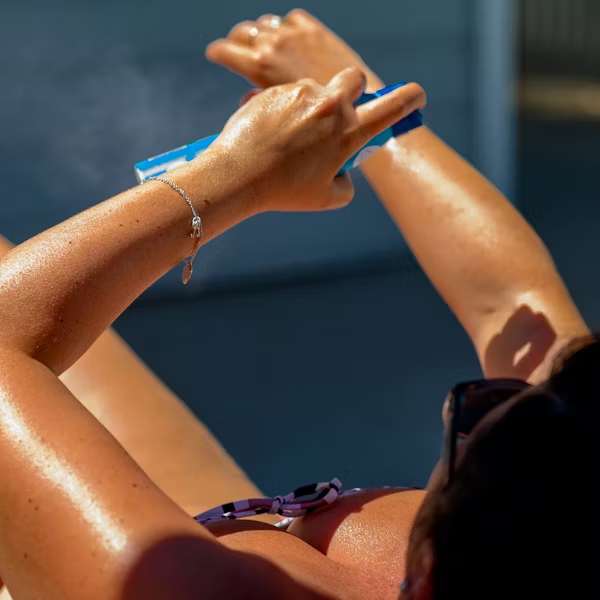
When people say “mineral” or “physical” sunscreen, they mean zinc oxide and/or titanium dioxide. “Chemical” (better: organic) filters include ingredients like avobenzone, octisalate, octocrylene, homosalate, and others.
Bottom line: Start with mineral formulas for face, folds, and any active eczema zones. Use chemical formulas only if you’ve patch-tested them comfortably and prefer the feel.
Do this two to three days before heavy sun exposure.
If your eczema sunscreen seems to “burn,” you might be feeling sweat + salt + friction, not the filter itself.
For more hot-weather tactics, pair this with your warm-day routine from the heatwave and air-quality guides on NellaDerm.
A single unicorn formula that does everything is rare. Try this:
Consistency beats perfection. The best eczema sunscreen is the one you can reapply without dread.
Before you leave
On site
After you’re home
For barrier timing and a simple AM/PM template that makes sunscreen easier to tolerate, check out our blogs: Three Minute Rule: Timing Moisturizer For Maximum Relief and Skin Minimalism: Simplify Your Eczema Routine
The best eczema sunscreen is the one your skin tolerates and you can reapply in real life. Start mineral for hot spots, patch test everything new, apply over a thin moisturizer, and re-up with a press, especially after sweat or a swim. Add hats, shade, and breathable layers so protection is shared, not carried by one product. When you keep the barrier calm, sunscreen stops being a trigger and becomes what it should be: simple, reliable sun safety.
Do mineral sunscreens clog eczema pores or worsen flares?
They’re generally well tolerated. If a formula feels heavy, apply over a thin moisturizer and press on a lighter second coat later rather than one thick layer.
Can I use spray sunscreen?
Yes. Spray into your hands and then apply to avoid inhaling droplets and to control where it goes. Most people with eczema find lotions and sticks easier to place precisely.
Why do my eyelids always burn?
That area is thin and sensitive. Choose zinc-only there, use sunglasses, and avoid fragranced makeup removers at night.
Do I need SPF 50+?
SPF 30 used properly is excellent. If you burn easily or are outdoors all day, SPF 50 may buy you a little margin, but reapplication is still the main driver of protection.
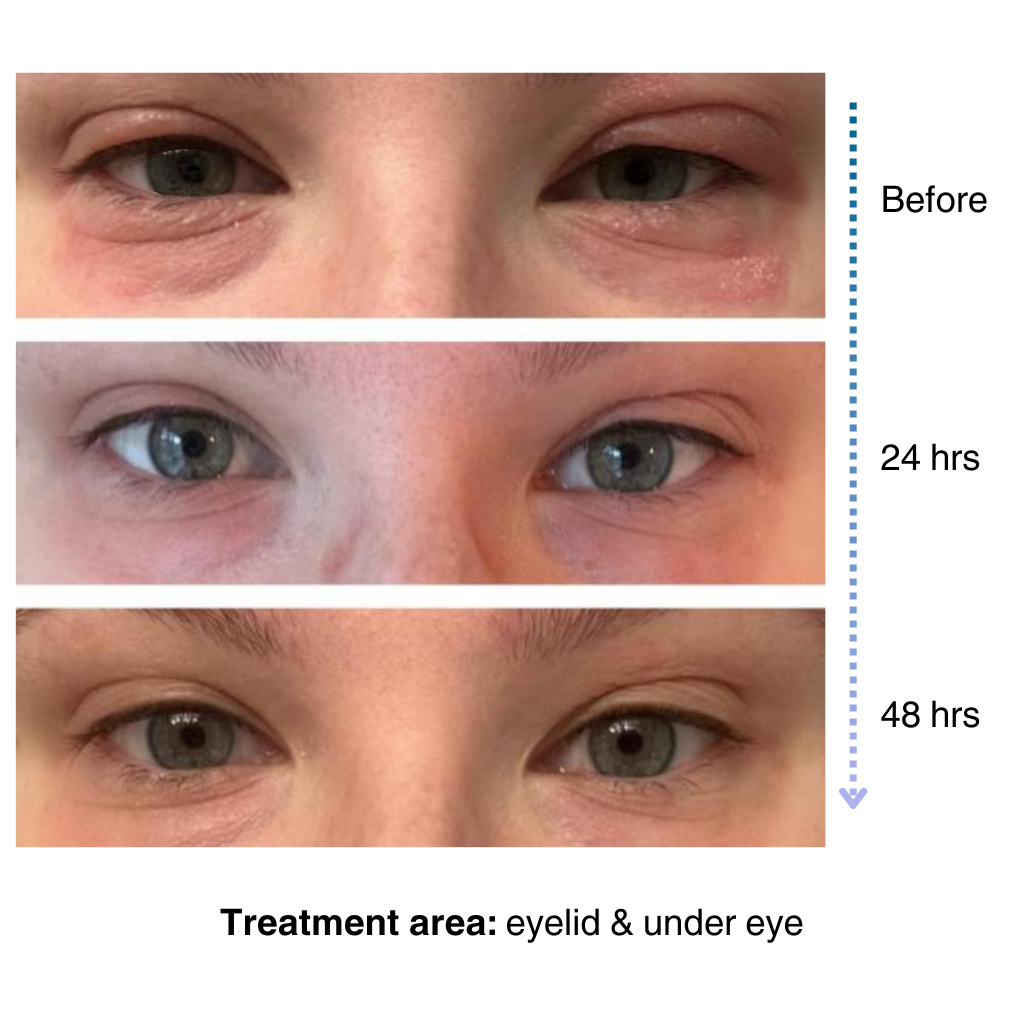
It’s easy to apply and isn’t chalky at all. I’ve been applying it multiple times a day… I’ve tried multiple new products to try and treat my eye eczema, and this is definitely the best I’ve tried so far.
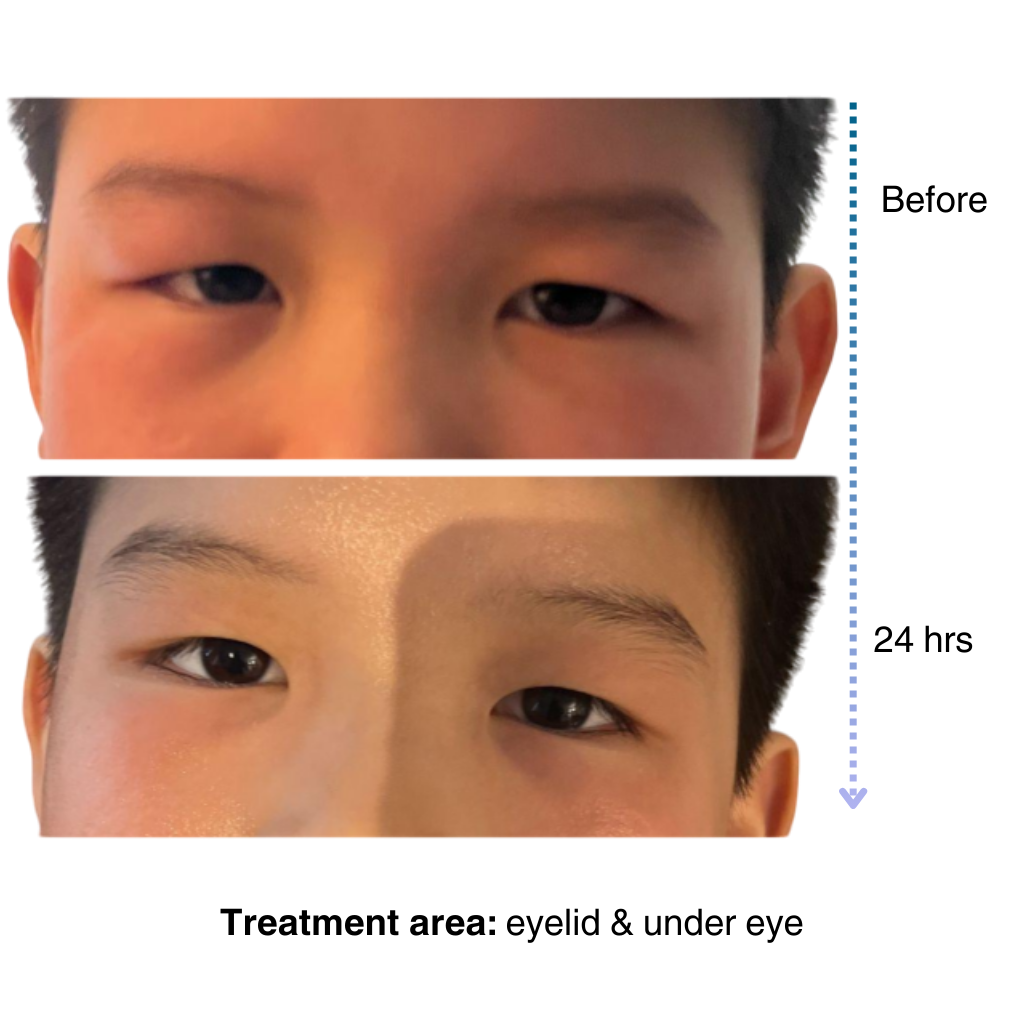
My 7-year old son has been dealing with eczema on his face for a long time, and it’s been so tough to find something that really works…..I’m amazed by the results! Within one day, the redness and rough patches on his face significantly improved…. he doesn’t mind using it at all because it doesn’t sting or feel greasy. – Lily

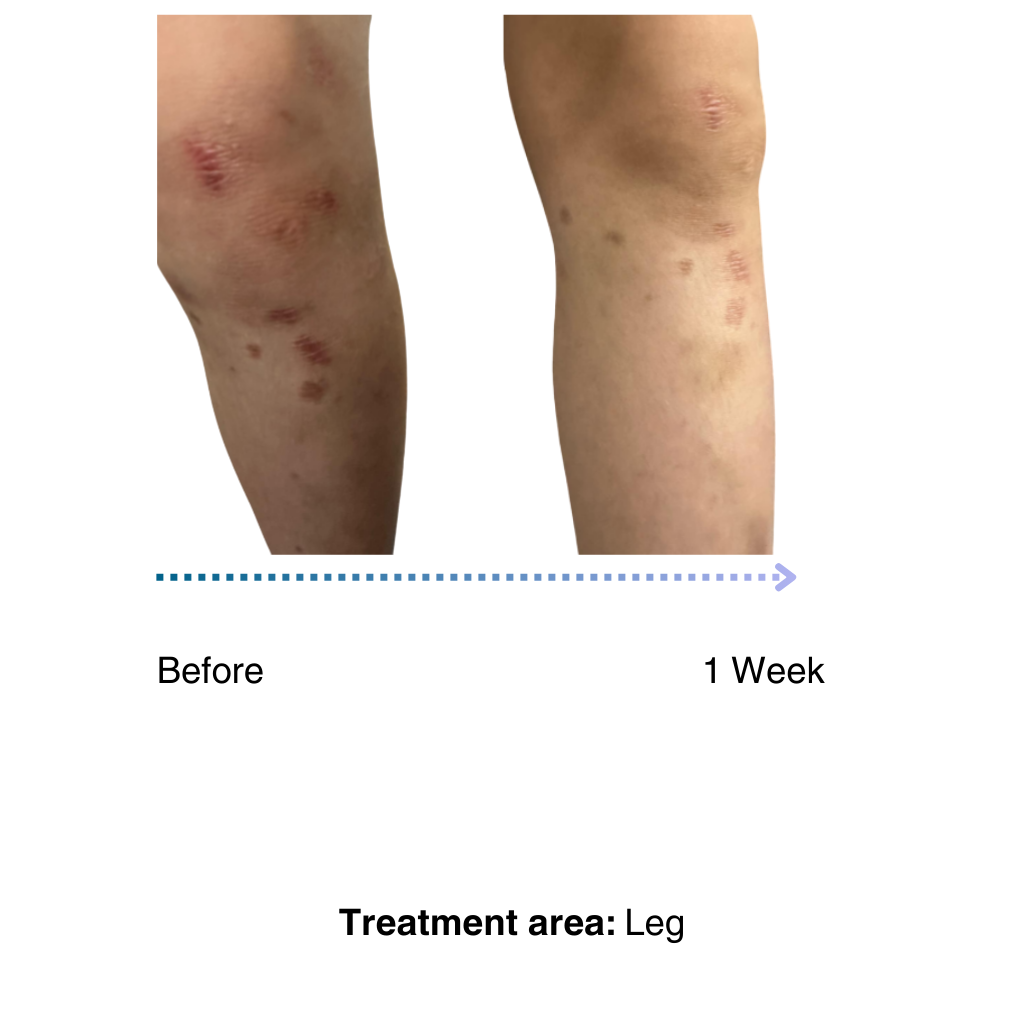
Like many of you, our eczema journey is personal. That’s why we’re committed to creating a space for the eczema community to share experiences, be empowered through evidence-based solutions, and learn practical tips for daily life.
– Sajjad, Founder & CEO of NellaDerm
