Eczema concerns?
FREE
Get instant expert guidance with our smart AI platform.
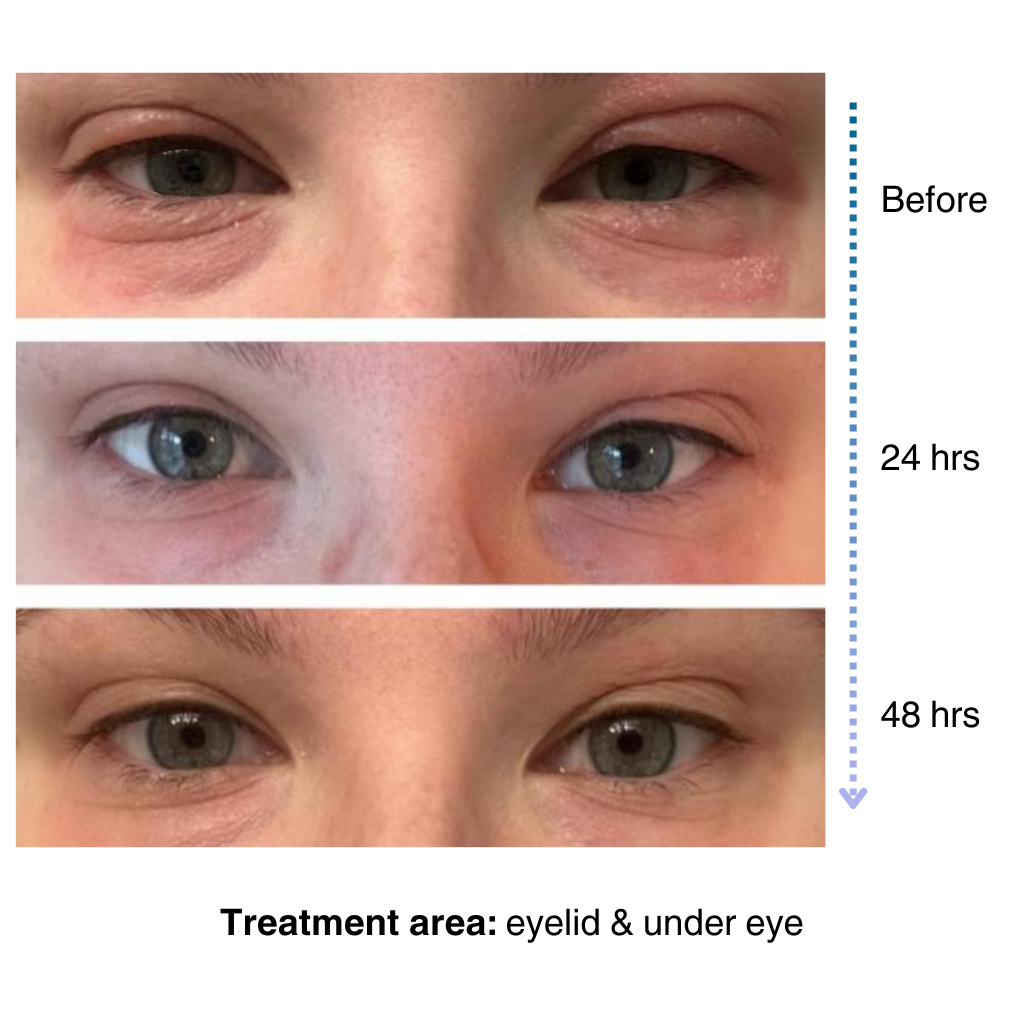
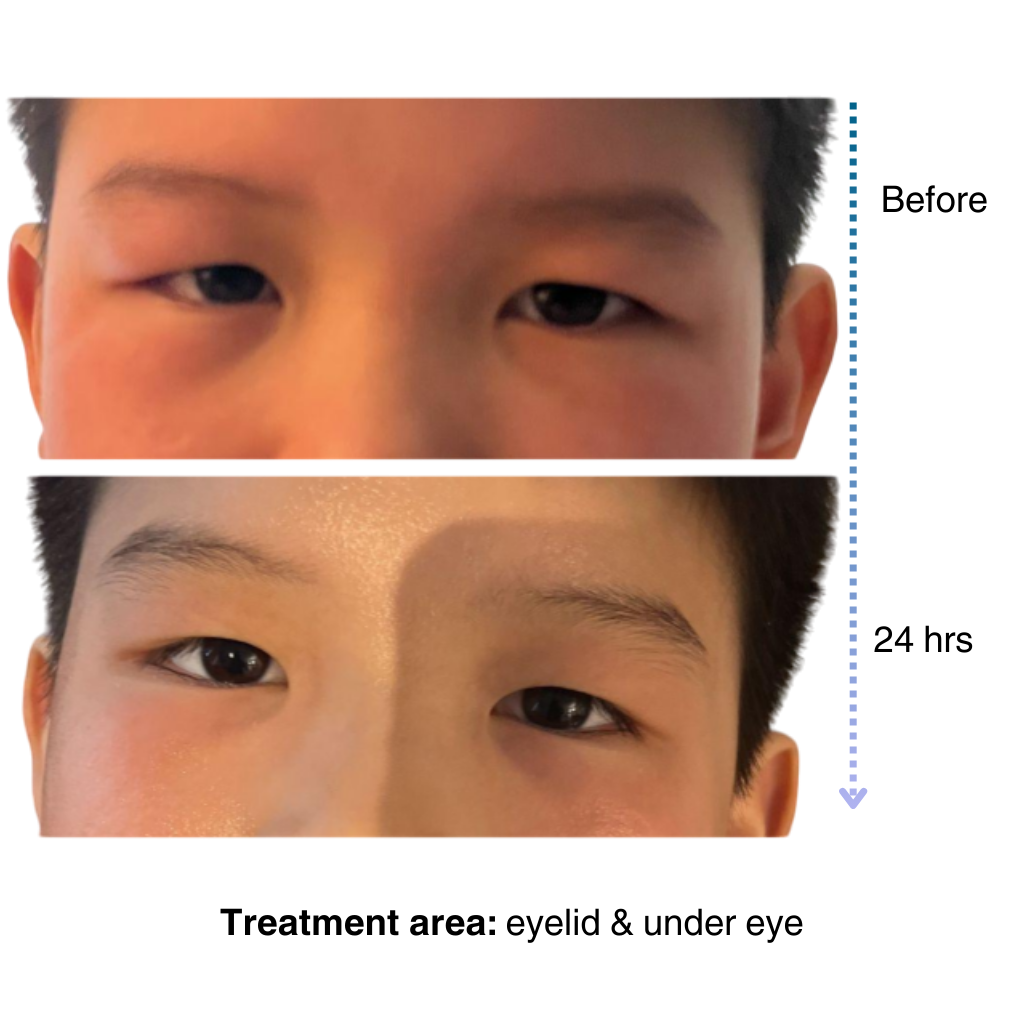
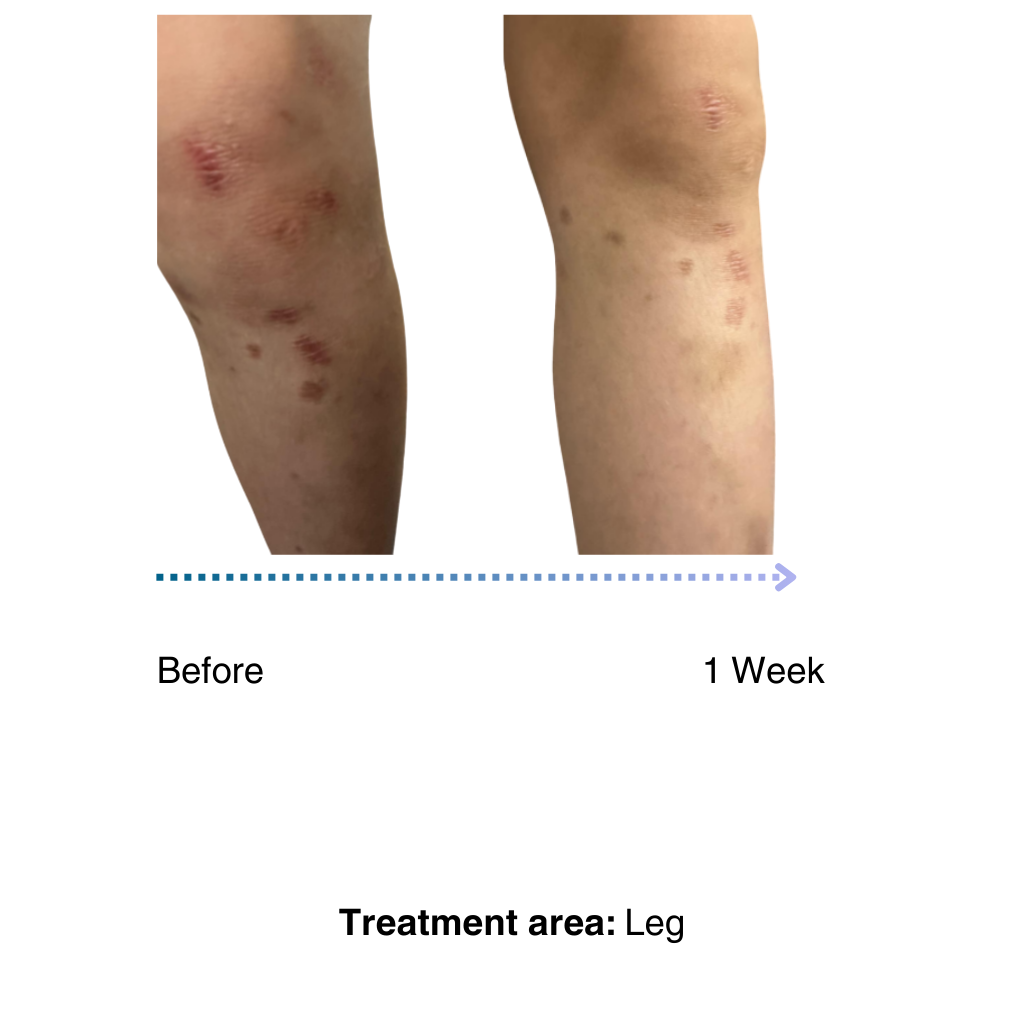
Join NowFor many eczema sufferers, topical corticosteroids have long been the go to solution for calming flare ups. But concerns about skin thinning, long term dependence, and steroid withdrawal have led many to seek safer, sustainable alternatives. The good news? There’s a growing body of science supporting eczema treatment without steroids options that nourish the skin, manage inflammation, and reduce symptoms without compromising skin integrity.
In this post, we explore non steroidal approaches to eczema care, from medical grade alternatives to natural barrier support strategies.
Topical steroids are effective for short term inflammation control, but prolonged or unsupervised use can lead to significant side effects, particularly when used on sensitive or thin skin areas. Seeking steroid free options is a proactive choice for long term skin health.
Potential risks of misuse or overuse include:
For chronic users or those with sensitive areas (face, eyelids, groin), a steroid free eczema treatment plan offers a safer, more sustainable path forward.
The fastest growing segment of non steroidal eczema care is targeted topical medication. These advanced treatments control inflammation through mechanisms entirely different from corticosteroids, making them safe for long term and sensitive area use.
These non steroidal prescription creams (e.g., tacrolimus and pimecrolimus) work by suppressing T cell activation and reducing inflammation without damaging the skin barrier. They are considered second line therapy after topical steroids or a primary choice for delicate skin areas.
Pros:
These are some of the newest classes of topical drugs that target specific inflammatory pathways inside skin cells:
These medications represent significant advancements in providing potent, steroid free relief.
The most fundamental steroid free treatment for all eczema is repairing the skin barrier, which is genetically compromised in atopic dermatitis.
A strong skin barrier is the first defense against eczema. Barrier repair creams are specifically designed to restore the lipid matrix between skin cells, reducing transepidermal water loss and increasing resilience.
Look for:
These ingredients mimic the skin’s natural structure, promoting healing without anti inflammatory drugs. Using these products liberally and consistently is crucial for long term control.
Colloidal oatmeal is approved by both Health Canada and the FDA as a skin protectant, offering:
Postbiotics (like lactic acid, ferulic acid, or bacterial lysates) help restore microbial balance in eczema prone skin. They are lab stabilized byproducts of probiotics and may help reduce pathogenic bacteria like Staphylococcus aureus, which often colonizes eczematous skin.
Phototherapy uses controlled doses of ultraviolet B (UVB) light to suppress the overactive immune cells in the skin that drive eczema inflammation. It is a highly effective, non systemic, and non steroidal treatment for moderate to severe, widespread eczema.
This steroid free approach uses damp bandages over moisturizer to intensify skin hydration and reduce inflammation, often used for acute, severe flares.
Steps:
Evidence: Studies show wet wrap therapy can reduce eczema severity scores by over 50% in children and adults within one week of use without steroids.
For moderate to severe eczema not responding to topicals, these systemic treatments offer steroid free relief by targeting specific immune molecules:
While not substitutes for medical treatment, these daily habits are crucial for maintaining clear skin without steroids:
A 2023 clinical trial from the University of British Columbia evaluated a ceramide based moisturizer combined with lactic acid postbiotics. Participants experienced a 41% reduction in flare intensity over eight weeks without any corticosteroids. The study emphasized lipid repair and microbial rebalancing as core mechanisms.
Meanwhile, a 2022 review in Dermatologic Therapy confirmed that calcineurin inhibitors like tacrolimus are as effective as steroids for long term maintenance, particularly on facial eczema where skin thinning is a concern. The development of topical JAK and PDE4 inhibitors further solidifies the movement toward effective, non steroidal inflammation control.
Eczema treatment without steroids is not only possible—it’s often preferable for long term skin health, especially with the explosion of new non steroidal drugs. With medical grade alternatives, microbiome supporting ingredients, and barrier first skincare, you can effectively manage eczema without risking side effects or dependence.
Always consult your dermatologist before adjusting treatment plans, but know that evidence backed, steroid free care options are growing and offering real relief.