
Eczema concerns?
FREE
Get instant expert guidance with our smart AI platform.
Join NowIf you love your cat or dog but notice your skin flares after cuddles or cleaning the litter box, you are not alone. Many people manage eczema with pets by combining smart allergen control at home with a gentle, consistent skincare routine. This guide explains what pet allergens are, how they aggravate sensitive skin, and the most effective ways to reduce exposure without sacrificing the bond you have with your animals. You will also find an easy routine to protect your skin barrier, a cleaning plan that actually works, and answers to the most common questions people ask their dermatologists about eczema with pets.

If you love your cat or dog but notice your skin flares after cuddles or cleaning the litter box, you are not alone. Many people manage eczema with pets by combining smart allergen control at home with a gentle, consistent skincare routine. This guide explains what pet allergens are, how they aggravate sensitive skin, and the most effective ways to reduce exposure without sacrificing the bond you have with your animals. You will also find an easy routine to protect your skin barrier, a cleaning plan that actually works, and answers to the most common questions people ask their dermatologists about eczema with pets.
Most people think hair causes problems, but it is the microscopic proteins on hair and dander that matter most. According to a 2021 study by the Journal of Feline Medicine and Surgery, for cats, the dominant allergen is Fel d 1, a protein produced in salivary and sebaceous glands. For dogs, major allergens include Can f 1 and others. These proteins stick to fibers, ride the air on dust, and settle into carpets, mattresses, and upholstery. That is why a quick sweep rarely helps. You need methods that reduce what becomes airborne and what stays on surfaces.
Allergens are not the only factor in eczema with pets. If you already have atopic dermatitis, a damaged skin barrier lets irritants and allergens reach immune cells more easily. The combination of barrier weakness and indoor allergen exposure drives many flare patterns. The goal is twofold. Lower what reaches your skin and lungs and build a strong barrier that resists irritation.
Pet allergens function differently than other common household irritants. Unlike pollen that enters through windows or dust mites that live in bedding, pet allergens are actively produced and distributed by your animal companions. Cats groom themselves constantly, spreading saliva containing Fel d 1 protein throughout their fur. Dogs produce allergens through skin flakes and saliva that transfer to their coat during licking or panting.
These microscopic particles are remarkably resilient. They can remain airborne for hours and settle on surfaces throughout your home. More concerning for eczema sufferers, they can penetrate compromised skin barriers more easily than intact skin. When these allergens breach the skin’s protective layer, they trigger immune responses that manifest as redness, itching, and inflammation characteristic of eczema flares.
The severity of reaction varies significantly between individuals. Some people experience immediate symptoms upon contact, while others develop delayed reactions hours later. Understanding your personal response pattern is crucial for developing an effective management strategy that allows you to enjoy your pets while minimizing skin discomfort.
A review of indoor interventions shows that combining source control, filtration, and room exclusion lowers airborne cat and dog allergens more reliably than any single tactic alone. Bedrooms are where you spend the longest unbroken block of time, so changes here pay the biggest dividends.
There is no strong evidence that so called hypoallergenic dogs shed fewer allergens. A study published in ScienceDirect that sampled hair and homes reported higher dog allergen levels in some marketed breeds compared with others. The practical takeaway for eczema with pets is to select your animal for temperament and lifestyle, then manage exposure with the plan in this guide.
Beyond basic cleaning, managing indoor air quality can significantly reduce pet allergen exposure. HEPA air purifiers work by forcing air through a fine mesh that traps harmful particles such as pet dander, dust mites, and pollen. For maximum effectiveness, choose a purifier with adequate coverage for your room size and run it continuously in bedrooms and main living areas.
Ventilation plays a crucial role in allergen reduction. Opening windows for brief periods each day can help flush out airborne allergens, though this should be balanced against outdoor pollen exposure if you have seasonal allergies. Using exhaust fans in bathrooms and kitchens can also help remove allergens that become airborne during daily activities.
HVAC systems with high efficiency filters can capture pet allergens throughout your entire home. Look for filters with a MERV rating of 11-13 for optimal allergen removal. Change these filters every three months, or more frequently if you have multiple pets or notice increased allergy symptoms.
Even the best cleaning plan will not remove every particle. Protecting your skin barrier every day is the simplest way to reduce the impact of unavoidable contact.
If you are looking for a single product to anchor your routine, many eczema havers use NellaCalm Steroid Free Eczema Cream as their daily base. It is designed to support the barrier with gentle moisturization and suits households that are cutting fragrance and irritants while navigating eczema with pets.
For a full walkthrough of daily steps that you can adapt around pet care, visit NellaDerm’s guide: Indoor Triggers Eczema: Eliminate Home Causes Today
If environmental controls and skincare routines prove insufficient, several medical options can help manage pet related eczema. Allergy testing can identify specific sensitivities, helping you understand whether pet dander is your primary trigger or one of several factors. Skin prick tests or blood tests for specific IgE antibodies can provide this information.
Allergen immunotherapy, commonly known as allergy shots, can gradually desensitize your immune system to pet allergens. This long term approach involves regular injections containing small amounts of allergen, helping your body build tolerance over time. While requiring commitment, immunotherapy can significantly reduce allergy symptoms and eczema flares related to pet exposure.
Prescription medications may provide relief during severe flares. Topical calcineurin inhibitors, PDE4 inhibitors, or short courses of topical corticosteroids can help control inflammation when avoidance measures alone are insufficient. Always consult with a dermatologist to determine the most appropriate treatment plan for your specific situation.
Write down when flares happen, which rooms you were in, what activities you did with your pets, and what you cleaned. Most people see patterns within two weeks. Perhaps your neck only reacts when you nap on the sofa. Perhaps your hands flare on litter change days unless you moisturize right after. Use those patterns to fine tune your routine and your home.
For more help putting the pieces together, this quick read shows how to time cleansing and moisturizing so your barrier stays strong as you lower exposure: Three Minute Rule: Timing Moisturizer For Maximum Relief
Living comfortably with pets despite eczema requires adopting a long term perspective. Consistency in your cleaning routine and skincare regimen yields better results than occasional intensive efforts. Establish habits that become automatic, such as washing hands after pet contact and maintaining your bedroom as a pet free zone.
Consider investing in tools that make maintenance easier. A quality HEPA vacuum, air purifiers for key rooms, and washable furniture covers can significantly reduce the daily burden of allergen control. These investments pay dividends in reduced eczema symptoms and improved quality of life with your pets.
Finally, be patient with yourself and your progress. Managing eczema with pets is an ongoing process of adjustment and learning. What works during one season may need modification during another. Regular communication with healthcare providers and gradual refinement of your strategies will help you maintain both your skin health and your cherished relationships with your animal companions.
You can absolutely thrive with eczema with pets. Focus on the two levers you can control every day. Lower the allergen load where you live and sleep, and raise your skin’s resilience with a calm, fragrance free routine. Treat your bedroom like a sanctuary, keep bathing and grooming on a schedule, and protect your skin barrier within three minutes after cleansing. If flares continue, loop in your dermatologist or allergist to personalize your plan. Your bond with your animals does not have to come at the cost of your skin.
Does early pet exposure cause eczema?
Large reviews suggest there is no clear increase in eczema from early pet exposure and some analyses even show a protective association for dogs in infancy. This does not negate true allergies in individuals, but it explains why population level messages can sound different from what you feel day to day. If you suspect allergy, ask an allergist about testing and personalized advice.
Is weekly bathing worth the effort?
Yes, but think of it as one part of a system. Washing can lower airborne allergen for a window of time after the bath, especially evident in studies of both cats and dogs. Pair bathing with bedroom exclusion and a HEPA purifier to get a real world benefit you can feel.
Do air purifiers really help?
A HEPA unit sized for the room can reduce airborne dander and is most useful in the bedroom where you spend the longest time. Combine filtration with frequent cleaning and surface control to get the greatest reduction. Reviews of indoor allergen interventions support using multiple tactics together.
Are there diets for cats that lower allergens?
Research has explored foods that include egg derived antibodies that bind Fel d 1 in the cat’s mouth, which can reduce active Fel d 1 in saliva and on hair in controlled studies. If you are curious, speak with your veterinarian about current options and suitability for your pet.
Should I re-home my pet if I have eczema?
For most people, careful management makes living with pets feasible. Consider re homing only when severe reactions persist despite medical care and rigorous environmental control, and always make the decision with your healthcare team.
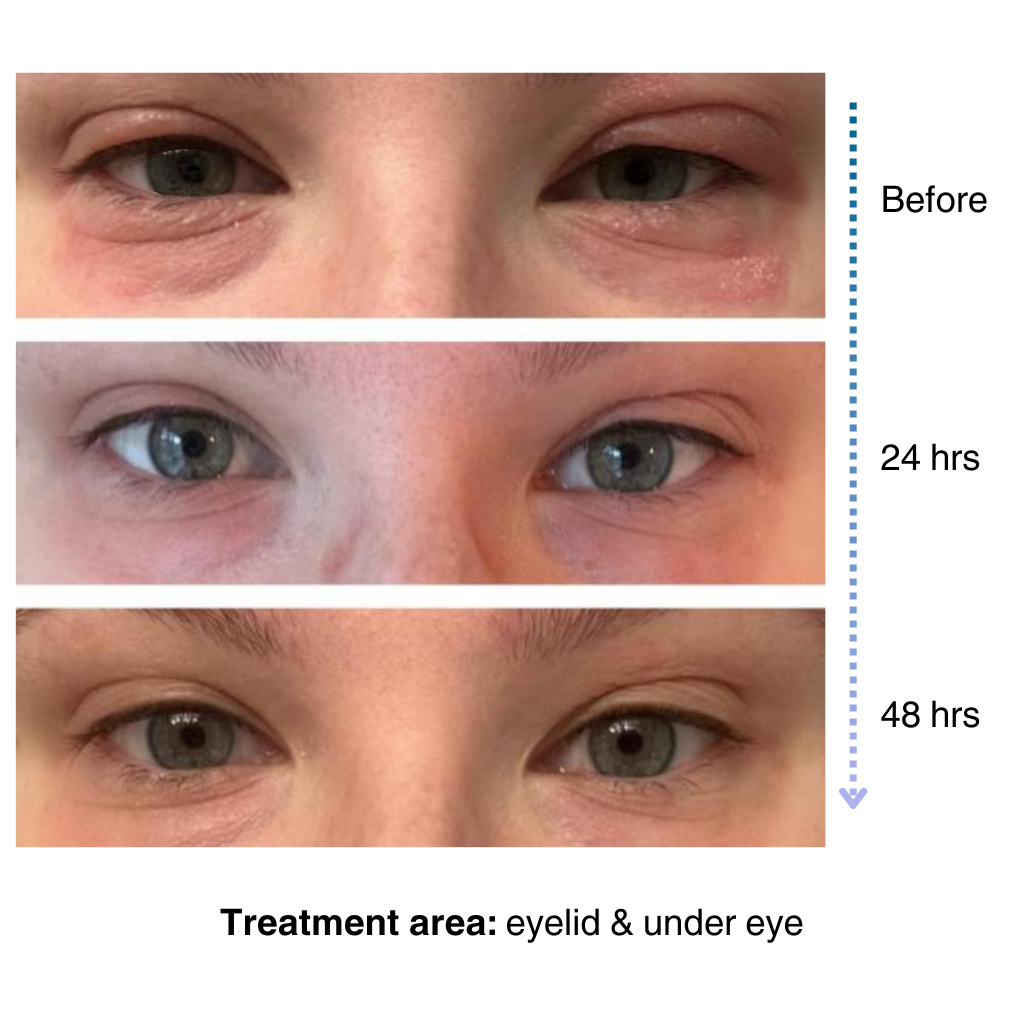
It’s easy to apply and isn’t chalky at all. I’ve been applying it multiple times a day… I’ve tried multiple new products to try and treat my eye eczema, and this is definitely the best I’ve tried so far.
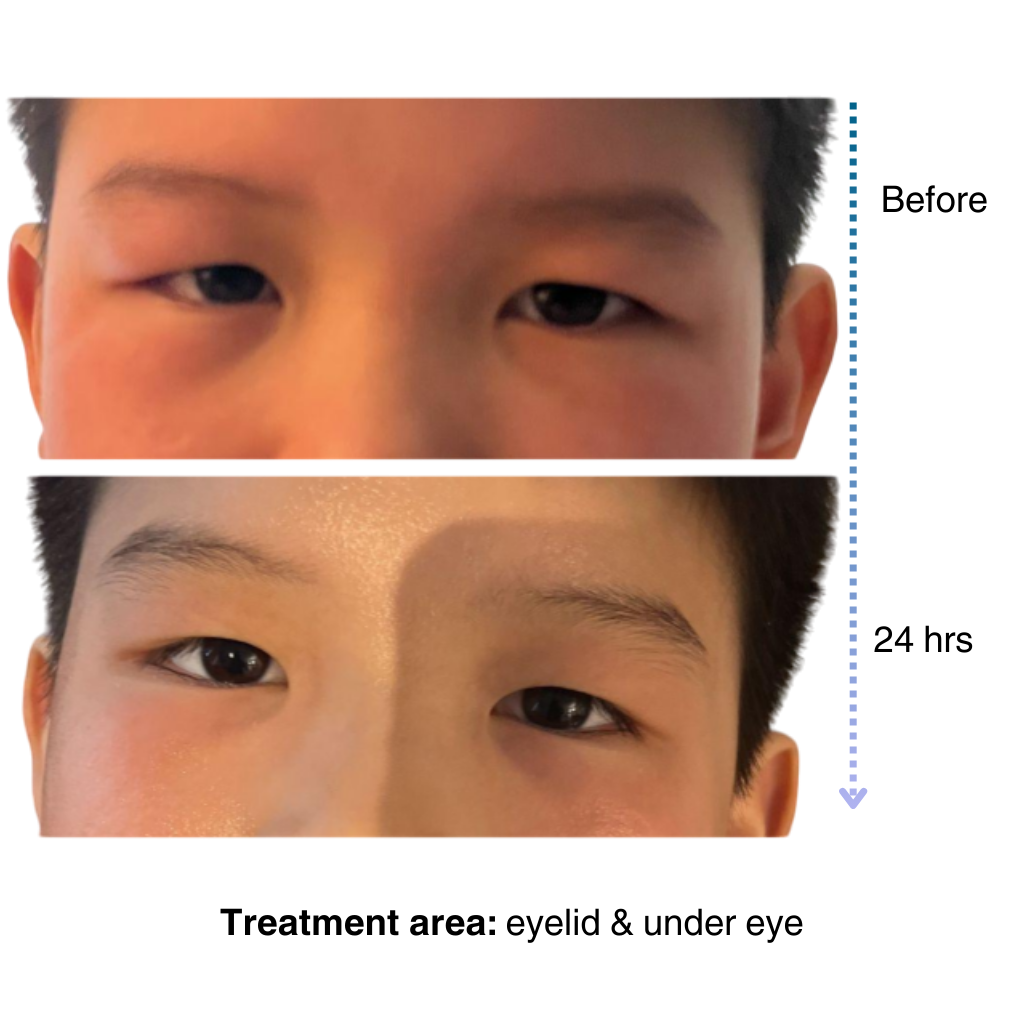
My 7-year old son has been dealing with eczema on his face for a long time, and it’s been so tough to find something that really works…..I’m amazed by the results! Within one day, the redness and rough patches on his face significantly improved…. he doesn’t mind using it at all because it doesn’t sting or feel greasy. – Lily

Get expert advice, exclusive offers, and real stories from people who understand your journey.
Start your skincare journey with an exclusive discount
Practical advice for managing sensitive and eczema-prone skin
Be the first to try our latest technology and product releases
Get 10% off your first order when you sign up
Secure & Private
Instant Access
Premium Content
Like many of you, our eczema journey is personal. That’s why we’re committed to creating a space for the eczema community to share experiences, be empowered through evidence-based solutions, and learn practical tips for daily life.
– Sajjad, Founder & CEO of NellaDerm
