Eczema concerns?
FREE
Get instant expert guidance with our smart AI platform.
Join NowEssential oils have taken over skincare shelves, diffusers, and DIY remedies with promises of healing, calming, and purifying. But when it comes to eczema prone skin, the question becomes urgent: Do essential oils help or harm?
For those living with eczema, even seemingly “natural” products can cause major setbacks. Essential oils are concentrated plant extracts, and while they may offer anti inflammatory or antimicrobial benefits, they can also be highly sensitizing especially when applied to already compromised skin. In this blog, we explore what the research says about essential oils and eczema, which oils might offer cautious relief, and which ones you should avoid altogether.
Essential oils are highly concentrated, volatile compounds extracted from plants. They contain the aromatic essence of the plant, including active ingredients like terpenes, aldehydes, esters, and ketones. While these substances can be powerful, their potency is also what makes them potentially dangerous for sensitive or broken skin.
Popular essential oils used in skincare include:
Each of these has different effects but not all of them are eczema safe.
Understanding how essential oils are produced helps explain their concentrated nature and potential risks. The most common extraction methods include steam distillation, cold pressing, and solvent extraction. Steam distillation involves passing steam through plant material to vaporize the volatile compounds, which are then condensed back into liquid form. This process requires enormous amounts of plant material for example, it takes approximately 250 pounds of lavender flowers to produce just one pound of lavender essential oil.
Cold pressing is typically used for citrus oils, where the rinds are mechanically pressed to release the oils. Solvent extraction employs chemical solvents to draw out aromatic compounds from more delicate plant materials that cannot withstand high heat. Regardless of the method, the resulting product is an extremely concentrated substance that contains hundreds of chemical compounds in a small volume.
This concentration factor is crucial for eczema patients to understand. What might be a harmless compound in its natural plant form becomes potentially problematic when distilled into an essential oil. The same chemical properties that make essential oils effective for aromatherapy or cleaning also make them challenging for sensitive skin conditions like eczema.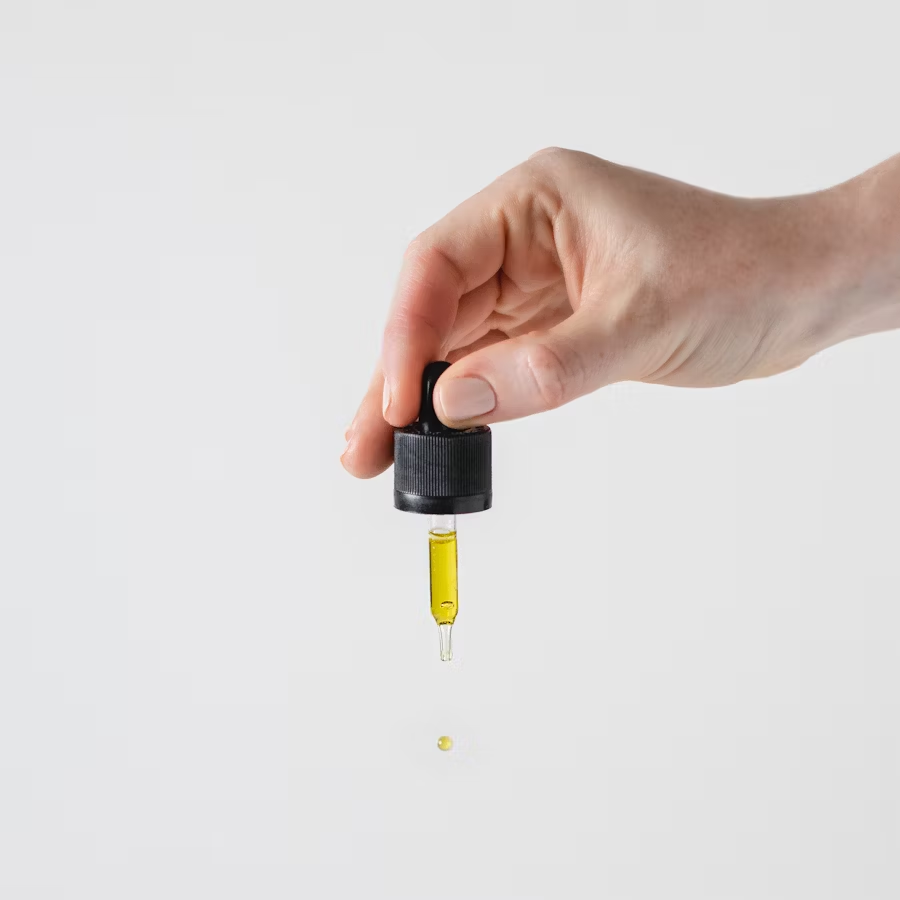
Many essential oils are common causes of allergic contact dermatitis, especially when used undiluted or too frequently. A damaged skin barrier (like that in eczema) allows these molecules to penetrate deeper, increasing the likelihood of a reaction.
According to a 2020 review in Dermatitis, lavender and tea tree oil are among the most frequently reported essential oils causing contact sensitization, even in “natural” skincare products.
Essential oils, by nature, are fragrance compounds. Fragrance is one of the top triggers for eczema flare ups. Even oils labeled as “pure” or “therapeutic grade” can cause problems if the skin reacts to the scent molecules themselves.
Some oils (like citrus based oils) are phototoxic, meaning they can cause chemical burns or irritation when exposed to sunlight.
The chemical complexity of essential oils contributes significantly to both their therapeutic potential and their risk profile. Most essential oils contain dozens to hundreds of different chemical compounds, each with distinct properties and effects on human skin. Terpenes, for instance, are aromatic compounds found in many essential oils that can have both beneficial and irritating effects depending on concentration and individual sensitivity.
Phenols, another common component in essential oils like oregano and thyme, possess strong antimicrobial properties but can also be highly irritating to skin. Aldehydes, present in oils like lemongrass and citronella, are known sensitizers that can trigger allergic reactions. Ketones, found in oils like rosemary and sage, can be neurotoxic in high concentrations.
This chemical complexity means that even within the same essential oil, different batches can vary significantly in their chemical composition based on factors like growing conditions, harvest time, and extraction methods. For eczema patients, this variability adds an additional layer of unpredictability, making consistent, safe use challenging without professional guidance.
While many essential oils are off limits for eczema prone skin, a few have shown promise in small scale studies or anecdotal reports if properly diluted and used with caution.
Chamomile contains azulene, a compound with anti inflammatory and soothing properties. A 2010 study published in Molecular Medicine Reports found that chamomile oil may help reduce skin inflammation and itching in eczema models. However, cross reactivity with ragweed allergies is possible, so patch testing is essential.
Lavender oil has antimicrobial and calming properties, and in some cases may support wound healing. However, it is also one of the most common sensitizers, particularly when used undiluted. Always dilute with a carrier oil and patch test before use.
Frankincense is less commonly associated with allergic reactions and may offer mild anti inflammatory benefits. It is often tolerated better than other essential oils, but scientific research on its effectiveness for eczema is limited.
If you still want to try essential oils as part of your eczema routine, here are strict guidelines to follow:
Never apply essential oils directly to the skin. Use a carrier oil like jojoba, grapeseed, or sunflower oil. The general dilution ratio for sensitive skin is:
That is about 1 drop of essential oil per 4 teaspoons of carrier oil.
Apply the diluted oil to a small area (inner arm or behind the ear) and monitor for 24 to 48 hours. If redness, burning, or itching occurs, discontinue use immediately.
Do not apply essential oils to open, oozing, or cracked eczema lesions. These areas are more prone to sensitization and infection.
Choose products that have been dermatologist tested and contain micro doses of essential oils or better yet, opt for products completely free of fragrances. NellaDerm’s fragrance free eczema line is designed specifically for sensitive skin and does not include essential oils, making it a safer choice for long term barrier support.
When discussing essential oil dilution, it is important to understand the role of carrier oils. Carrier oils are vegetable oils derived from the fatty portions of plants, such as seeds, nuts, or kernels. Unlike essential oils, they do not evaporate quickly and have little to no scent. Their primary function is to “carry” essential oils safely onto the skin while reducing their concentration and potential for irritation.
Some carrier oils offer additional benefits for eczema prone skin. Sunflower oil, for example, is rich in linoleic acid and has been shown to improve skin barrier function. Jojoba oil closely resembles human sebum and is generally well tolerated. Grapeseed oil is lightweight and non comedogenic. However, even carrier oils can cause reactions in some individuals, so patch testing remains essential.
The quality of carrier oils matters significantly. Cold pressed, unrefined oils retain more of their natural beneficial compounds but may have shorter shelf lives. Refined oils undergo processing to remove impurities and extend shelf life but may lose some nutritional value. For eczema patients, choosing high quality, cold pressed carrier oils from reputable sources can maximize potential benefits while minimizing risks.
For those who love the idea of nature inspired skincare but want to avoid flare ups, consider these safer options:
A 2021 study confirmed that colloidal oatmeal significantly improved eczema symptoms, especially itch and dryness, without increasing skin irritation.
One significant challenge with essential oils is the lack of standardized regulation and quality control in the industry. Unlike pharmaceutical drugs, essential oils are typically classified as cosmetic products or dietary supplements, which means they are not subject to the same rigorous testing and approval processes. This regulatory gap creates several concerns for eczema patients.
Adulteration is a common problem in the essential oil market. Some manufacturers dilute pure essential oils with synthetic compounds or less expensive oils to increase profits. These additives can include synthetic fragrances, solvents, or other potential allergens that are not listed on the label. For someone with eczema, these undisclosed ingredients can trigger severe reactions.
The terminology used in marketing can also be misleading. Terms like “therapeutic grade,” “clinical grade,” or “medical grade” are not regulated and do not guarantee purity or safety. Similarly, “organic” certification ensures the plants were grown without synthetic pesticides but does not guarantee the oil will be safe for sensitive skin.
For eczema patients considering essential oils, it is crucial to purchase from reputable companies that provide third party testing results, list the botanical names of plants used, and are transparent about their extraction methods. However, even with these precautions, the inherent risks of essential oils for compromised skin remain significant.
Yes. While not applied topically, diffused essential oils can act as airborne irritants. This is especially true for individuals sensitive to fragrances or with respiratory allergies.
Not always. Tea tree oil is highly sensitizing for many and should be used with extreme caution. Coconut oil is often better tolerated but can clog pores or worsen yeast related eczema in some people.
Most pediatric dermatologists recommend avoiding essential oils for infants and young children with eczema due to their high sensitivity and higher risk of allergic reactions.
While essential oils offer natural appeal and potential therapeutic benefits, they are not universally safe for eczema prone skin. Their potency, allergenicity, and variability in formulation make them risky without professional guidance.
If you are struggling with eczema, it is better to focus on barrier repairing, fragrance free, dermatologist approved products like those found in NellaDerm’s eczema skincare collection. Always consult your dermatologist before incorporating essential oils into your skincare routine.
Nature may offer healing, but for sensitive skin, gentle is always better than potent.