
Eyelid Eczema or Allergy? Know the Difference
Have you noticed red, itchy, or flaky patches on your eyelids? The problem could be eyelid eczema, but it might also be allergic contact dermatitis (ACD). Each requires different treatment, so knowing which one you’re dealing with is essential for soothing your skin and preventing future flare‑ups.
In this blog, we’ll break down the differences between eyelid eczema and eyelid ACD, explain why the eyelid area is so vulnerable, share what current research shows, and offer practical strategies to calm your skin while avoiding common triggers.
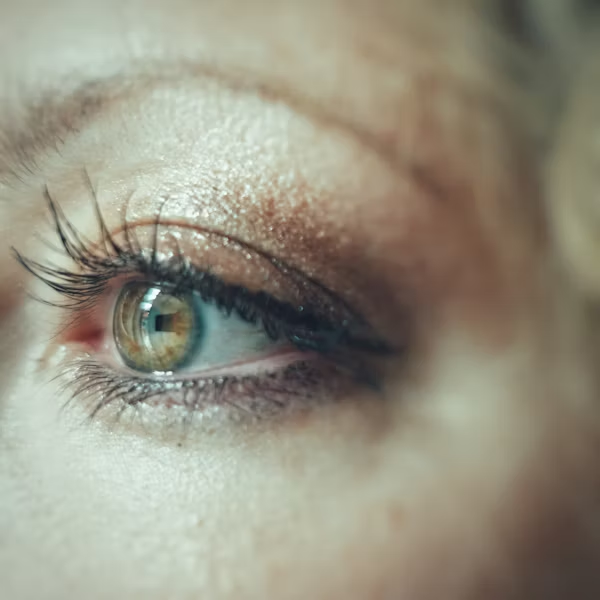
Understanding Eyelid Skin Sensitivity and Eczema
Understanding Eyelid Skin Sensitivity
Your eyelids are among the thinnest and most delicate areas of your body, measuring only about 0.5 millimeters thick. That makes them highly permeable, meaning even trace amounts of allergens or irritants can provoke a reaction.
The thin skin also means products absorbed here can quickly travel into your eyes, making misdiagnosis or wrong treatment a recipe for prolonged irritation, discomfort, or infection.
What Is Eyelid Eczema
Eyelid eczema, a form of atopic dermatitis, is a chronic inflammatory condition caused by a combination of genetic, environmental, and immune system factors. Symptoms include:
- Dryness, flaking, or cracking
- Intense itching
- Redness or discoloration
- Thickening of the skin (lichenification) with repeated scratching
Triggers include heat, stress, soaps, pollen, or dust mites, but it is not caused by direct contact with allergenic substances.
What Is Allergic Contact Dermatitis on the Eyelid
Eyelid ACD is a delayed immune response triggered by direct contact with allergens like:
- Fragrances
- Preservatives
- Metals (nickel, gold)
- Makeup ingredients
- Topical medications
Reaction symptoms can appear hours or days after contact and often extend beyond the eyelid to surrounding areas if the allergen spreads.
The Unique Anatomy of Eyelid Skin
Eyelid skin possesses several unique characteristics that make it particularly vulnerable to irritation and allergic reactions. Unlike the skin on most parts of your body, the eyelid skin lacks the robust protective barrier of thicker dermal layers. This anatomical difference explains why reactions that might be mild elsewhere can be severe on the eyelids.
The eyelid skin contains a high density of blood vessels and lymphatic channels, which facilitates rapid absorption of substances but also means inflammatory responses can spread quickly. Additionally, the constant movement of blinking creates micro abrasions that can compromise the skin barrier further, allowing easier penetration of potential allergens and irritants.
Understanding these anatomical factors helps explain why eyelid reactions require specialized care and why products formulated for thicker skin areas may not be suitable for the delicate eyelid region.
How They Differ At a Glance
| Eyelid Eczema | Eyelid Allergic Contact Dermatitis | |
|---|---|---|
| Cause | Genetic/inflammatory | Allergen contact |
| Onset of symptoms | Gradual, chronic | Acute or sudden after exposure |
| Appearance | Dry, scaly, itchy, thickened | Swollen, red, blistered, sometimes oozing |
| Location | Eyelids and often other body areas | Localized to eyelid, may spread |
| Diagnostic test | Clinical assessment | Patch testing by dermatologist |
Common Eyelid Irritants and Allergens
The delicate nature of eyelid skin makes it susceptible to a wide range of irritants and allergens that might not affect other areas. Understanding these common triggers can help you make informed choices about the products you use around your eyes.
Cosmetic Products
Eye makeup products including mascara, eyeliner, eyeshadow, and eyebrow pencils frequently contain preservatives, fragrances, and pigments that can trigger allergic reactions. Waterproof formulas often require stronger solvents and emulsifiers that increase irritation potential. Even products labeled as hypoallergenic may contain ingredients that individual users react to.
Skincare Products
Facial cleansers, moisturizers, serums, and anti aging products often migrate to the eyelid area during application or throughout the day. Ingredients like retinol, alpha hydroxy acids, essential oils, and certain preservatives can cause significant irritation when they come into contact with the thin eyelid skin.
Environmental Factors
Airborne allergens like pollen, dust mites, mold spores, and pet dander can settle on the eyelids and trigger reactions. Occupational exposures to chemicals, fumes, or particulate matter can also contribute to eyelid inflammation. Even touching your eyes with allergen contaminated hands can transfer problematic substances to this sensitive area.
Research Insights on Eyelid Dermatitis
A peer reviewed NIH study found that up to 60% of eyelid dermatitis cases are related to contact allergens, including preservatives like MCI/MI, fragrance mixes, and nickel. The authors emphasize that eyelid reactions often recur until triggers are identified and removed.
This highlights the importance of patch testing when eyelid inflammation won’t clear with standard eczema treatment alone.
Prevention Strategies for Eyelid Reactions
Preventing eyelid reactions requires a proactive approach to product selection and application techniques. Start by introducing new products one at a time with at least a week between introductions to properly assess tolerance. Always patch test new products on your inner arm before using them near your eyes.
When applying products to your face, be mindful of application techniques that minimize eyelid exposure. Use gentle patting motions rather than rubbing, and avoid applying products directly to the eyelid area unless specifically formulated for that purpose. Remove eye makeup gently with appropriate removers rather than harsh scrubbing.
Regularly cleaning your eyeglasses, sunglasses, and phone screens can reduce the transfer of allergens to your eye area. Additionally, washing your hands frequently and avoiding touching your eyes can prevent the introduction of irritants and allergens to this sensitive region.
Diagnosing Your Condition
Look at the Timing and Triggers
- Eyelid eczema typically flares with stress, dry weather, or general irritants
- Eyelid ACD flares shortly after using a new product (e.g., mascara, soap, cream)
Examine the Symptoms
- Dry, lichenified patches = eczema
- Swelling, blistering, oozing = possible contact allergy
Track Your Routine
Use only one new product at a time and note any reactions. Eyelid reactions that follow a specific product are often contact dermatitis.
Get Patch Testing
A dermatologist can test for 30+ allergens and determine if your eyelid reaction is due to contact sensitivity.
Managing and Treating Eyelid Reactions
For Eyelid Eczema
- Use gentle, fragrance-free cleansers
- Moisturize morning and night with barrier-protecting creams, like NellaDerm’s NellaCalm.
- Avoid rubbing or scratching which can thicken eyelid skin
- Use low-potency topical corticosteroids or calcineurin inhibitors under medical supervision
For Eyelid Allergic Contact Dermatitis
- Eliminate all suspected products like eye makeup, lotions, perfumes
- Use saline rinses or corticosteroid eye drops if inflammation is severe
- Rely on simple moisturizers to allow the skin to heal
- Retest suspicious products before reintroducing them
When to Seek Emergency Care
While most eyelid reactions can be managed with proper care, certain symptoms warrant immediate medical attention. Seek emergency care if you experience severe swelling that impairs vision, difficulty breathing accompanying eyelid swelling, intense pain, pus discharge suggesting infection, or if symptoms develop suddenly after using a new medication.
These symptoms could indicate a more serious allergic reaction or infection that requires prompt medical intervention to prevent complications and ensure proper treatment.
Safe Skincare Routine for the Eyelid Area
Morning
- Clean the eyelid gently with a mild cleanser
- Pat dry and apply a thin layer of NellaCalm.
- Apply makeup only once the moisturizer is absorbed
Evening
- Remove makeup with an oil-free, fragrance-free remover
- Rinse with lukewarm water
- Reapply a thin layer of eczema-safe moisturizer
Selecting Safe Products for Eyelid Skin
Choosing appropriate products for eyelid skin requires careful consideration of ingredients and formulations. Look for products specifically labeled for sensitive skin or ophthalmologist tested, as these are more likely to have undergone safety testing for use around the eyes.
Avoid products containing common allergens like fragrances, formaldehyde releasers, and certain preservatives such as methylisothiazolinone. Mineral based makeup often causes fewer reactions than conventional cosmetics. When in doubt, simpler formulations with fewer ingredients generally pose less risk of causing reactions.
Regularly replace eye makeup products according to manufacturer recommendations, as older products can harbor bacteria and degrade in ways that increase irritation potential. Mascara should typically be replaced every three months, while powders and pencils may last longer but should be discarded if they change texture or odor.
Final Thoughts
Eyelid eczema and allergic contact dermatitis may present similarly but stem from very different causes. Pinpointing the true cause, whether through observation, product elimination, or patch testing, can make all the difference between chronic flare-ups and clear skin.
Start with gentle skincare, eliminate suspect products, and consult a dermatologist if irritation persists. For proven, eczema-safe creams that you can trust on your delicate eyelids, explore sensitive-skin formulas at NellaDerm.com.
Frequently Asked Questions
Q: If I have eyelid eczema elsewhere, can it still be ACD?
Yes. People with eyelid eczema are more vulnerable to contact allergens due to compromised skin. Even mild allergies can cause significant swelling or flaking.
Q: Are allergy tests painful?
No. Patch tests involve adhesive patches left on the back. Reactions are evaluated over 48–96 hours with minimal discomfort.
Q: How long will it take to heal?
Eczema takes longer—days to weeks. Allergic reactions may clear within a few days after removing the trigger.
More Helpful Eczema Articles You Should Read
- Midday Skin Resets for Eczema-Prone Skin
- Commuting With Eczema: Transit, Cars, and Pollution
- Habit Stacking for Eczema: Skincare That Sticks
- Eczema and Coffee: Does Caffeine Affect Skin?
- Humidity Eczema Relief: Nighttime Bedroom Fixes
- Keloids and Eczema: Managing Scars on Dark Skin
- Nail Eczema: How to Care for Nails Without Stings
- Eczema in Newborns: What Parents Should Know
- Eczema and Arthritis: Hand-Care for Skin & Joints
- Eczema in College: A Budget-Friendly Survival Guide
Like many of you, our eczema journey is personal. That’s why we’re committed to creating a space for the eczema community to share experiences, be empowered through evidence-based solutions, and learn practical tips for daily life.
– Sajjad, Founder & CEO of NellaDerm
