
Eczema concerns?
FREE
Get instant expert guidance with our smart AI platform.
Join NowFew rashes derail a day like eyelid eczema. The skin is thin, every blink rubs, and anything you put on your face can sting or smear. To make matters trickier, many lid flares are not “random atopic dermatitis,” but allergic contact dermatitis from things you touch every day: fragrance, preservatives, metals, nail products, hair dye, even lash adhesives. Large patch-testing datasets from PubMed confirm that contact allergy is a leading cause of eyelid dermatitis and that patch testing is often the turning point that ends the cycle.
This guide gives you a calm, copy-and-paste routine, shows you how to wear makeup without sparks, explains why mineral sunscreen is usually the least irritating on lids, and outlines when to request patch testing and what to expect.
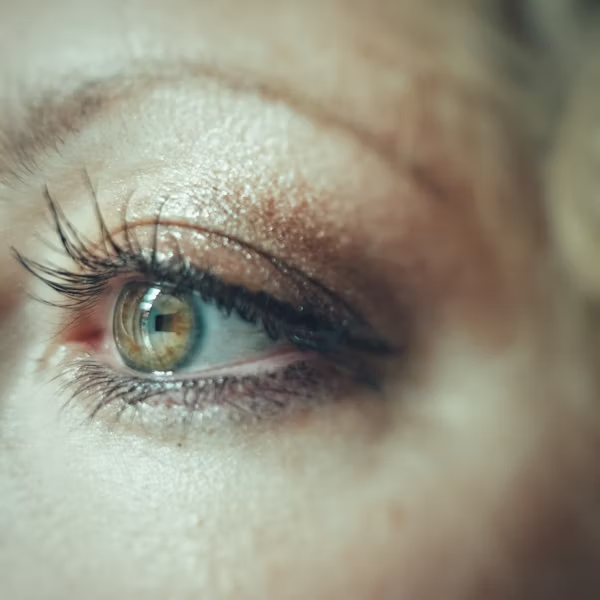
Typical eyelid eczema shows thin, scaly, itchy skin on upper and lower lids, often worse at the outer corners and along the crease. It may burn with tears or sweat and can leave hyperpigmentation after flares.
Before you assume it is only atopic dermatitis, keep these in mind:
If symptoms include vision changes, significant swelling, or pain, seek medical care promptly.
Chemical filters can burn when skin is thin or compromised. Mineral filters—zinc oxide and titanium dioxide—sit on top of the skin, scatter UV, and are generally the least irritating around the eyes. They are also recognized as GRASE ingredients for over-the-counter sunscreens. For lids, look for fragrance-free sticks or creams and apply over moisturizer using a press-and-pat technique. If you struggle with white cast, tinted mineral sticks are worth a try.
Pro tip: sunglasses are part of your sun strategy. A wrap shape reduces squinting and the need to layer more product on sore lids.
You do not have to abandon makeup. You just need a friction-free, fragrance-free plan.
Tools and hygiene
Formulas and placement
Removal without drama
If your eyelid eczema recurs despite a fragrance-free routine, ask your dermatologist or an allergist for patch testing. It is the most direct way to identify culprit ingredients you can then avoid for months or years.
Why it matters
Studies from NIH show eyelid dermatitis patients often react to fragrance mixes, preservatives, metals, acrylates, shellac, topical antibiotics, and surfactants at higher rates than the general patch-tested population. Identifying the exact allergen turns guesswork into a clear shopping and routine plan.
What happens
Small chambers with standardized allergens are applied to your back for 48 hours. Your clinician reads the skin at set times to see which ingredients caused a reaction. You will receive a list of allergens and a guide to products that do not contain them. Recent analyses of North American data emphasize using broad panels for eyelid cases so less obvious culprits are not missed.
After the results
Goal: quiet the skin, reduce friction, and eliminate likely allergens while you line up patch testing or evaluate your triggers.
Days 1–3: Strip the routine back
Days 4–7: Keep the basics and add comfort
Days 8–14: Controlled re-entry
Eyelid eczema improves fastest when you combine gentle daily care, mineral sun protection, and precise trigger hunting. Keep cleansing short and lukewarm. Moisturize within three minutes. Choose fragrance-free products and minimal, soft-touch makeup. If flares keep returning, do not guess for months—ask for patch testing and use what you learn to curate products that love your lids back. With a clear routine and a short list of safe staples, you can keep eyes comfortable and makeup friendly all year.
Is petroleum jelly safe on eyelids?
Often yes, especially at night for sealing in moisture. Many prefer a light cream by day under makeup and sunscreen, and a slightly thicker occlusive at night.
Which sunscreen stings least on lids?
Most people with eyelid eczema do best with zinc-based mineral formulas. Apply over moisturizer and press to spread. Tinted sticks help offset the white hue.
Can I ever wear lash extensions again?
If glue was the issue, you may react again. Patch testing can clarify whether cyanoacrylates or other components are to blame. If you proceed later, ask technicians about low-fume, cyanoacrylate-reduced options and stop immediately at the first sign of irritation.
How long until lids look normal once I stop the trigger?
Many people see a meaningful calm-down within one to two weeks of strict avoidance, gentle care, and the right prescription if needed. Pigment changes can take longer but usually fade.
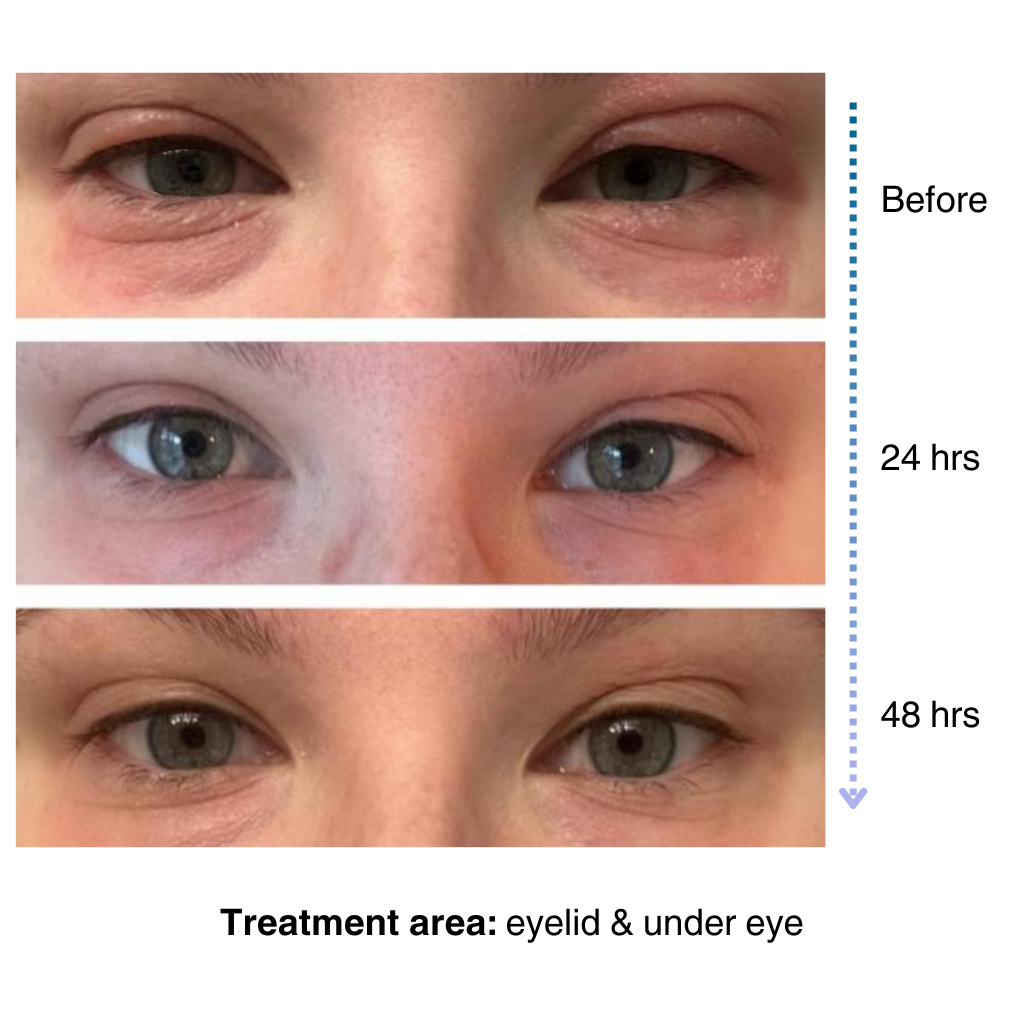
It’s easy to apply and isn’t chalky at all. I’ve been applying it multiple times a day… I’ve tried multiple new products to try and treat my eye eczema, and this is definitely the best I’ve tried so far.
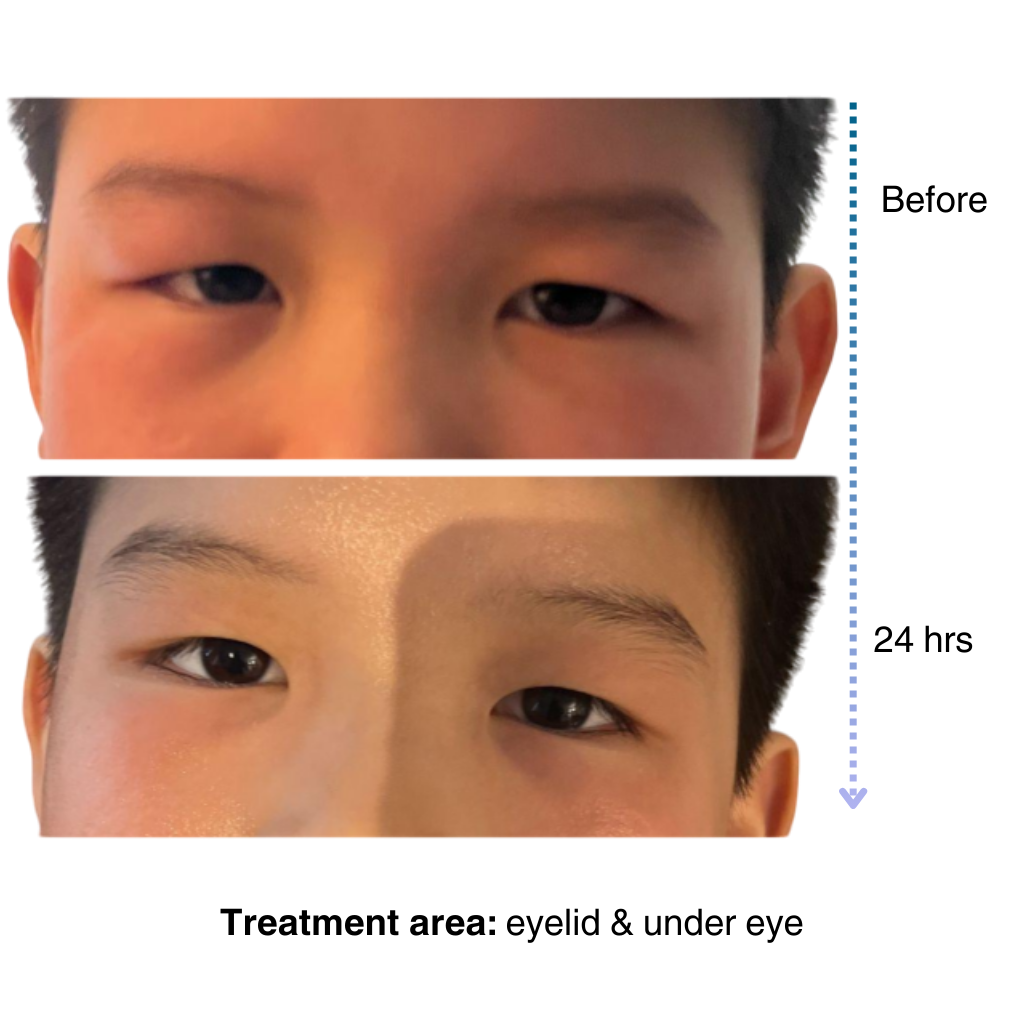
My 7-year old son has been dealing with eczema on his face for a long time, and it’s been so tough to find something that really works…..I’m amazed by the results! Within one day, the redness and rough patches on his face significantly improved…. he doesn’t mind using it at all because it doesn’t sting or feel greasy. – Lily

Get expert advice, exclusive offers, and real stories from people who understand your journey.
Start your skincare journey with an exclusive discount
Practical advice for managing sensitive and eczema-prone skin
Be the first to try our latest technology and product releases
Get 10% off your first order when you sign up
Secure & Private
Instant Access
Premium Content
Like many of you, our eczema journey is personal. That’s why we’re committed to creating a space for the eczema community to share experiences, be empowered through evidence-based solutions, and learn practical tips for daily life.
– Sajjad, Founder & CEO of NellaDerm
