
Eczema concerns?
FREE
Get instant expert guidance with our smart AI platform.
Join NowEczema, particularly atopic dermatitis, is more than just a skin-deep condition. While environmental triggers like soaps, pollen, and climate often take the blame for flare-ups, genetics form the foundation of your skin’s resilience—or its vulnerability. Recent advances in dermatogenetics reveal that up to 80% of eczema risk is inherited, and knowing your genetic blueprint can change how you manage and treat the condition.
The strongest genetic link to eczema is the Filaggrin (FLG) gene. This gene codes for a protein essential to building a strong, waterproof skin barrier. When functioning normally, filaggrin helps skin cells flatten and stack tightly together, keeping moisture in and allergens and microbes out.
But here’s the catch: loss of function mutations in FLG lead to what experts call a “leaky skin” barrier. This allows irritants and pathogens to penetrate the skin more easily, triggering inflammation and the classic itch–scratch cycle. These mutations are present in up to 50% of moderate to severe eczema patients and are significantly more common in those with early onset or persistent forms of the disease.
Genetics plays such a key role that having just one parent with an FLG mutation can triple a child’s risk of developing eczema. Identical twin studies also show a 70–80% concordance rate, meaning if one twin has eczema, there’s a very high likelihood the other does too.
But FLG isn’t acting alone. Other genes involved in immune system regulation are also implicated. These genes often relate to the Type 2 inflammatory response, which is characterized by the release of specific cytokines:
These genetic players vary among individuals and ethnicities, which partially explains why eczema symptoms and severity differ widely from person to person.
The saying goes: “Genes load the gun, but environment pulls the trigger.” While your DNA may predispose you to eczema, lifestyle and surroundings determine whether and how that risk manifests.
Common environmental factors that interact with eczema prone genetics include:
Even climate plays a role. Dry, cold air exacerbates eczema by increasing trans epidermal water loss, especially in individuals with FLG mutations. Check out this NellaDerm blog to better understand the causes of your eczema.
Another emerging area of eczema research is epigenetics—how behavior and environment can change gene expression without altering the DNA itself. These changes affect how your genes are “read.”
For instance, studies show that:
These epigenetic modifications don’t rewrite your DNA code, but they do affect how your genes are switched on or off, influencing eczema prevalence in complex and lasting ways. For a deeper look at how epigenetics shapes immune related skin conditions, you can visit this National Institutes of Health article on epigenetic mechanisms.
The future of eczema treatment is rapidly evolving toward targeted, root cause correction.
These personalized treatments aim to move eczema management from symptom suppression to root cause correction—a promising horizon for millions of sufferers.
Even if gene therapy isn’t yet in your medicine cabinet, understanding your genetic risk empowers smarter daily choices. If your skin is genetically “leaky,” your maintenance routine must be stricter.
Eczema is frustrating, persistent, and often misunderstood—but understanding the genetic groundwork behind it changes everything. It demystifies why your skin reacts the way it does and opens the door to targeted, lasting remedies.
Whether you’re managing your own eczema or supporting a loved one, remember: your DNA may set the stage, but your daily choices, environment, and care strategies write the script. In the evolving landscape of eczema research and treatment, genetic insight is not just science—it’s self empowerment.
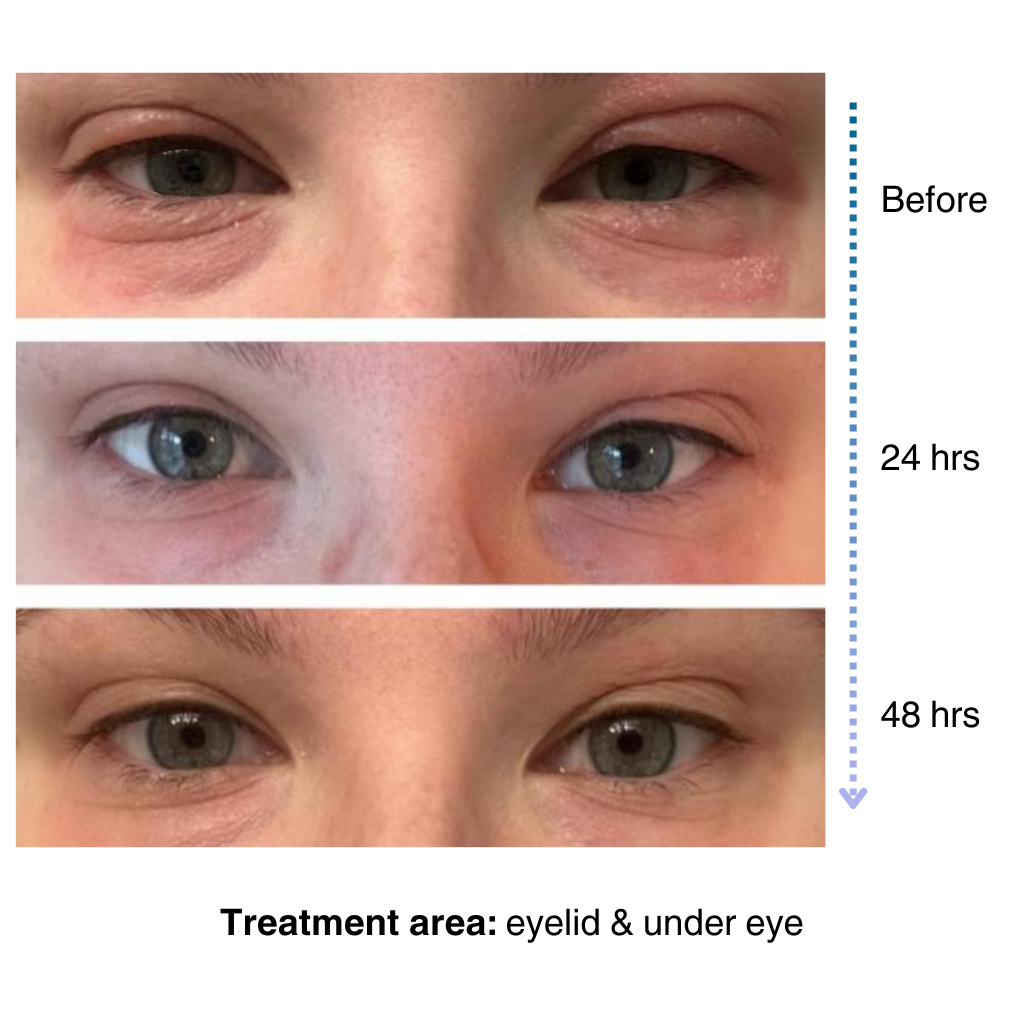
It’s easy to apply and isn’t chalky at all. I’ve been applying it multiple times a day… I’ve tried multiple new products to try and treat my eye eczema, and this is definitely the best I’ve tried so far.
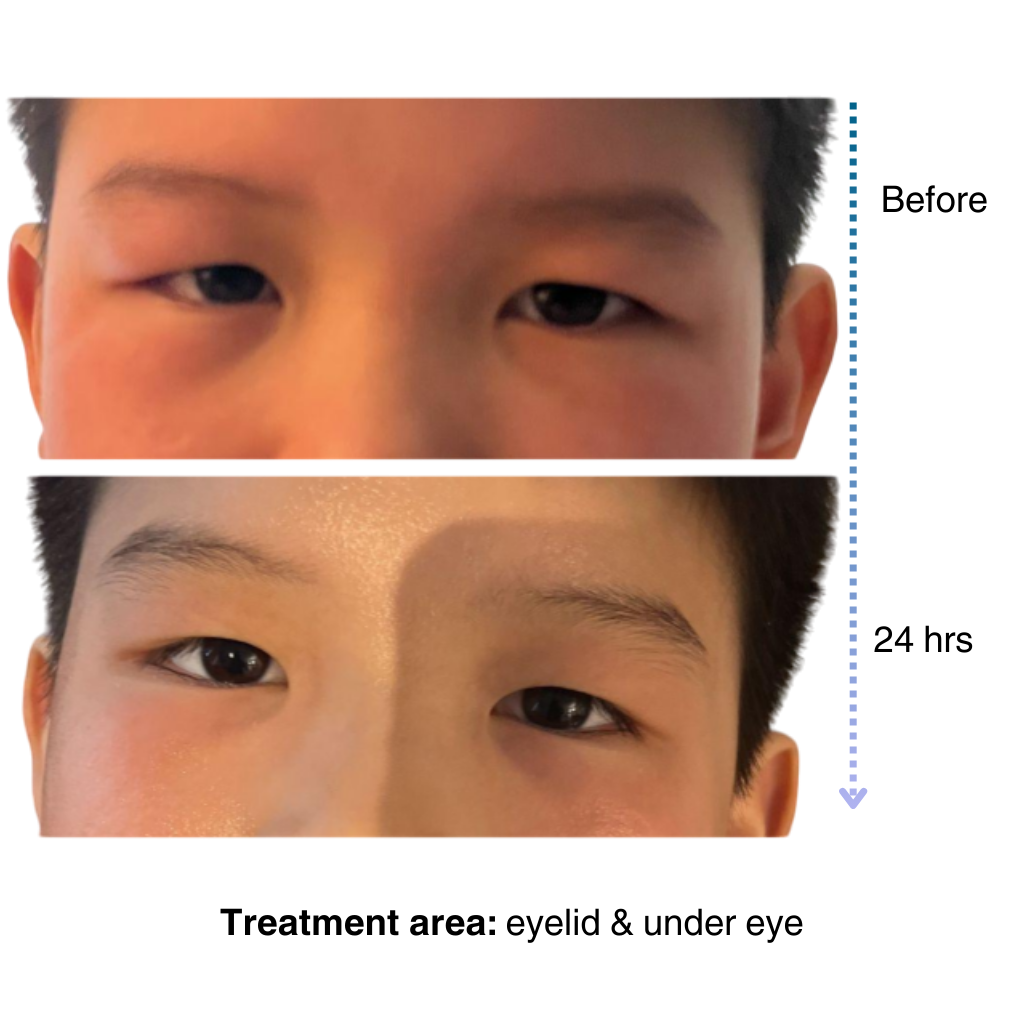
My 7-year old son has been dealing with eczema on his face for a long time, and it’s been so tough to find something that really works…..I’m amazed by the results! Within one day, the redness and rough patches on his face significantly improved…. he doesn’t mind using it at all because it doesn’t sting or feel greasy. – Lily

Like many of you, our eczema journey is personal. That’s why we’re committed to creating a space for the eczema community to share experiences, be empowered through evidence-based solutions, and learn practical tips for daily life.
– Sajjad, Founder & CEO of NellaDerm
