
Eczema concerns?
FREE
Get instant expert guidance with our smart AI platform.
Join NowFacial hair might be a symbol of style and masculinity—but if you have eczema, it can quickly turn into a painful source of flare-ups. For many men, the skin underneath their beard becomes itchy, flaky, and inflamed, especially when grooming routines or products are too harsh for eczema-prone skin.
If you’re wondering whether your beard is irritating your eczema, you’re not alone. In this guide, we break down why facial hair can aggravate eczema, how to manage it, and expert grooming tips to keep both your beard and your skin in top shape.
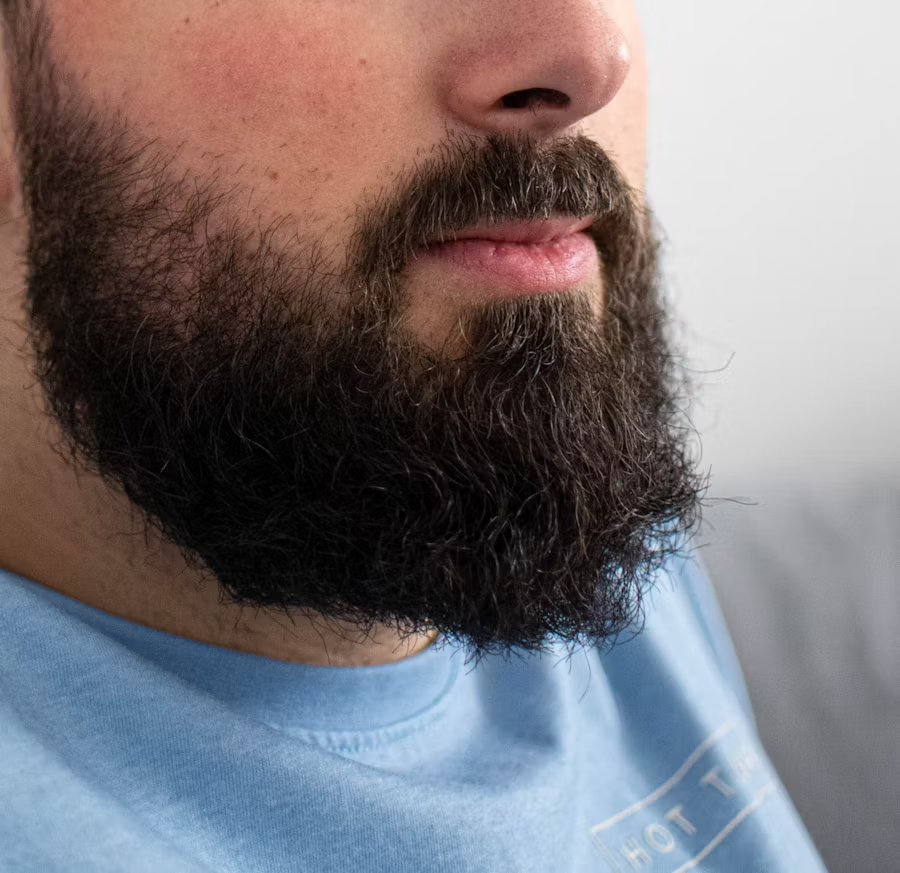
Beards can trap pollen, dust, pollution, sweat, and food particles all of which can irritate eczema prone skin. These particles settle into the beard and onto the skin, creating a micro environment that is warm, moist, and a breeding ground for inflammation.
The skin under facial hair tends to be less moisturized. Beard hair can wick away natural oils, and shaving or trimming can further disturb the epidermal barrier, a critical line of defense already compromised in people with eczema.
Many beard oils, aftershaves, and cleansers contain alcohol, fragrances, or essential oils that are too harsh for sensitive skin. Even products marketed as natural can contain allergens like tea tree or citrus oils that trigger flare ups.
It is also important to distinguish between classic eczema (atopic dermatitis) and seborrheic dermatitis, which is common in the beard area. The latter is often caused by an overgrowth of Malassezia yeast and may require different treatment.
A review in the Journal of the American Academy of Dermatology suggests overlapping features between these two conditions, especially in men with chronic beard area inflammation. When in doubt, consult a dermatologist to rule out conditions that mimic beard eczema.
The skin beneath your beard has unique characteristics that make it particularly vulnerable to eczema flare ups. This area contains a high density of sebaceous glands that produce natural oils, but these oils can become trapped by dense facial hair, creating an environment where bacteria and yeast can thrive.
Each hair follicle in the beard area is surrounded by nerve endings that make the region highly sensitive to irritation. When eczema develops, the inflammation triggers these nerve endings, leading to intense itching that can be difficult to resist scratching. The constant friction from scratching further damages the skin barrier, creating a cycle of inflammation and discomfort.
The direction of beard growth also plays a role in eczema management. Hair grows in multiple directions across the face, making it challenging to clean and moisturize effectively. This complex growth pattern can trap dead skin cells and product residue close to the skin surface, where they can trigger immune responses in individuals with eczema prone skin.
Establishing a consistent, gentle beard care routine is essential for managing eczema. The goal is to maintain cleanliness without stripping the skin of its natural protective oils. A proper routine should focus on gentle cleansing, effective moisturizing, and careful grooming techniques that minimize irritation.
Timing is crucial when caring for beard area eczema. The best time to perform your beard care routine is after a warm shower, when the hair is softened and the skin pores are open. This allows for easier cleaning and better absorption of moisturizing products. Always pat the area dry gently rather than rubbing, as friction can further irritate sensitive skin.
Use a fragrance free, non foaming cleanser that is safe for eczema prone skin. Avoid anything labeled as deep cleansing, cooling, or tingling, which often contain menthol or alcohol. Read here for more information about the effect of fragrances.
Pro tip: A mild cream cleanser with ceramides or colloidal oatmeal can help calm inflammation while cleaning the beard.
After washing, pat your beard dry gently and apply an eczema safe moisturizer underneath the beard. Look for formulas with glycerin, petrolatum, or niacinamide.
Try applying a product like NellaDerm’s NovaNella Eczema Stick immediately after showering to lock in hydration.
Shaving can create microtears in already inflamed skin. If you can, trim your beard short rather than shaving completely. Use electric trimmers with clean blades, and avoid dull razors or cheap disposables.
If shaving is necessary:
Most beard oils and balms contain essential oils like tea tree, eucalyptus, or citrus all potential irritants for people with eczema.
Instead, use simple, nourishing oils like mineral oil or petrolatum based emollients. Avoid alcohol containing aftershaves altogether.
Combs, brushes, and trimmers can harbor bacteria and skin flakes that worsen eczema. Clean them at least once a week using hot water and gentle soap.
If you notice a flare up, stop using all beard products, apply a topical steroid or barrier repair cream as advised by your doctor, and keep the area clean and moisturized.
In severe cases, dermatologists may recommend topical calcineurin inhibitors like tacrolimus, especially for the face where long term steroid use is not ideal.
Different seasons present unique challenges for managing beard eczema. During winter months, cold temperatures and low humidity can strip moisture from both your beard and the underlying skin. Indoor heating systems further contribute to dry air that exacerbates eczema symptoms. In this season, focus on heavier moisturizers and consider using a humidifier in your living spaces.
Summer brings its own set of challenges with increased heat, humidity, and sweat production. Sweat trapped beneath your beard can irritate eczema prone skin and create an environment where bacteria and fungi thrive. During warmer months, you may need to clean your beard more frequently but be careful not to overwash, which can strip natural oils. Lightweight, non greasy moisturizers are preferable in hot weather.
Spring and fall often see increases in environmental allergens like pollen that can collect in facial hair. During these transitional seasons, paying extra attention to cleaning your beard after spending time outdoors becomes particularly important for preventing flare ups.
Learning to read product labels is essential for managing beard eczema. Many grooming products contain hidden irritants under confusing names. Fragrance is one of the most common culprits, but it can appear on labels as parfum, aroma, or essential oil blend. Even products labeled unscented may contain masking fragrances that can trigger reactions.
Preservatives are another category of ingredients that frequently cause problems for sensitive skin. Look out for methylisothiazolinone, formaldehyde releasers, and parabens in beard care products. While these ingredients serve important functions in preventing bacterial growth, they can be particularly irritating to eczema prone skin when applied to the sensitive facial area.
When selecting products, prioritize those with simple ingredient lists containing known safe components like petrolatum, mineral oil, ceramides, and hyaluronic acid. These ingredients provide moisture and barrier protection without the risk of triggering allergic reactions or irritation.
Many men explore home remedies like aloe vera, chamomile oil, or apple cider vinegar. But for eczema, natural does not always mean safe.
For example, chamomile oil contains azulene, a soothing compound, but it can cross react in those with ragweed allergies. A 2010 study in Molecular Medicine Reports found chamomile reduced eczema symptoms in lab models, but patch testing is still recommended before use.
Other popular natural remedies like tea tree oil, witch hazel, and certain essential oils can be particularly problematic for beard area eczema. These substances may provide temporary relief for some individuals but can cause significant irritation and allergic reactions in others. The concentration of active compounds in natural products can vary widely between batches, making their effects unpredictable.
When self care measures are insufficient, seeking professional medical help becomes necessary. Dermatologists can provide targeted treatments for beard eczema that address both symptoms and underlying causes. Topical corticosteroids remain a first line treatment for acute flare ups, but their use on facial skin requires careful consideration due to potential side effects like skin thinning and discoloration.
For longer term management, non steroid options like topical calcineurin inhibitors (tacrolimus, pimecrolimus) may be recommended. These medications work by modulating the immune response in the skin without causing thinning. They are particularly useful for sensitive areas like the face where repeated steroid use would be problematic.
In cases where infection is present, either bacterial or fungal, your dermatologist may prescribe antimicrobial treatments. These can include topical or oral antibiotics for bacterial infections or antifungal medications for conditions like seborrheic dermatitis. Proper diagnosis is essential since these conditions can resemble each other but require different treatment approaches.
For severe, treatment resistant cases, newer biologic medications may be considered. These targeted therapies work on specific pathways in the immune system that drive inflammation in eczema. While not typically first line treatments for beard area eczema, they can provide relief for individuals with widespread or severe disease that does not respond to conventional therapies.
Facial eczema can have significant psychological consequences beyond physical discomfort. The beard area is highly visible, and persistent skin problems in this region can affect self esteem, social interactions, and professional life. Many men report feeling self conscious about their appearance when experiencing beard eczema flare ups, which may lead to social withdrawal or avoidance of situations where their condition might be noticed.
The constant itching and discomfort can also interfere with sleep and daily activities, contributing to fatigue and irritability. Some men find themselves caught in a cycle of scratching that provides momentary relief but worsens the condition long term, leading to feelings of frustration and helplessness.
Addressing the emotional aspects of living with beard eczema is an important component of comprehensive care. Support groups, either in person or online, can provide valuable opportunities to connect with others facing similar challenges. Cognitive behavioral strategies may help manage the stress and anxiety that often accompany chronic skin conditions. Remember that effective treatment can improve both physical symptoms and quality of life.
Successfully managing eczema in the beard area requires a multifaceted approach that addresses both grooming habits and underlying skin health. The key principles include gentle cleansing, consistent moisturizing, careful product selection, and prompt treatment of flare ups. While beards can present challenges for individuals with eczema, they do not have to be a source of constant discomfort.
Patience is essential when implementing new beard care strategies. It may take several weeks to see significant improvement as your skin barrier repairs itself and inflammation subsides. During this time, consistency with your routine is more important than trying multiple new products or frequently changing your approach.
Remember that what works for one person may not work for another, so be prepared to experiment within the boundaries of eczema safe practices. If your symptoms persist despite careful management, do not hesitate to seek professional dermatological care. With the right approach, it is possible to maintain both a healthy beard and comfortable skin.
Q1: Can shaving help eczema?
Shaving may reduce buildup but often worsens skin barrier damage. Trimming is a gentler option.
Q2: Should I avoid growing a beard altogether?
Not necessarily. With proper care, many men with eczema can maintain a healthy beard. The key is low-irritant grooming and good hygiene.
Q3: Can beard eczema be fungal?
Yes. If you’re not responding to eczema treatments, a fungal infection like seborrheic dermatitis or tinea barbae may be to blame. See a dermatologist.
Beard eczema is frustrating—but manageable. By choosing the right grooming tools and avoiding irritating products, you can maintain both your beard and your skin with confidence.
To explore skin-safe products designed for eczema-prone men, visit NellaDerm’s eczema care collection.
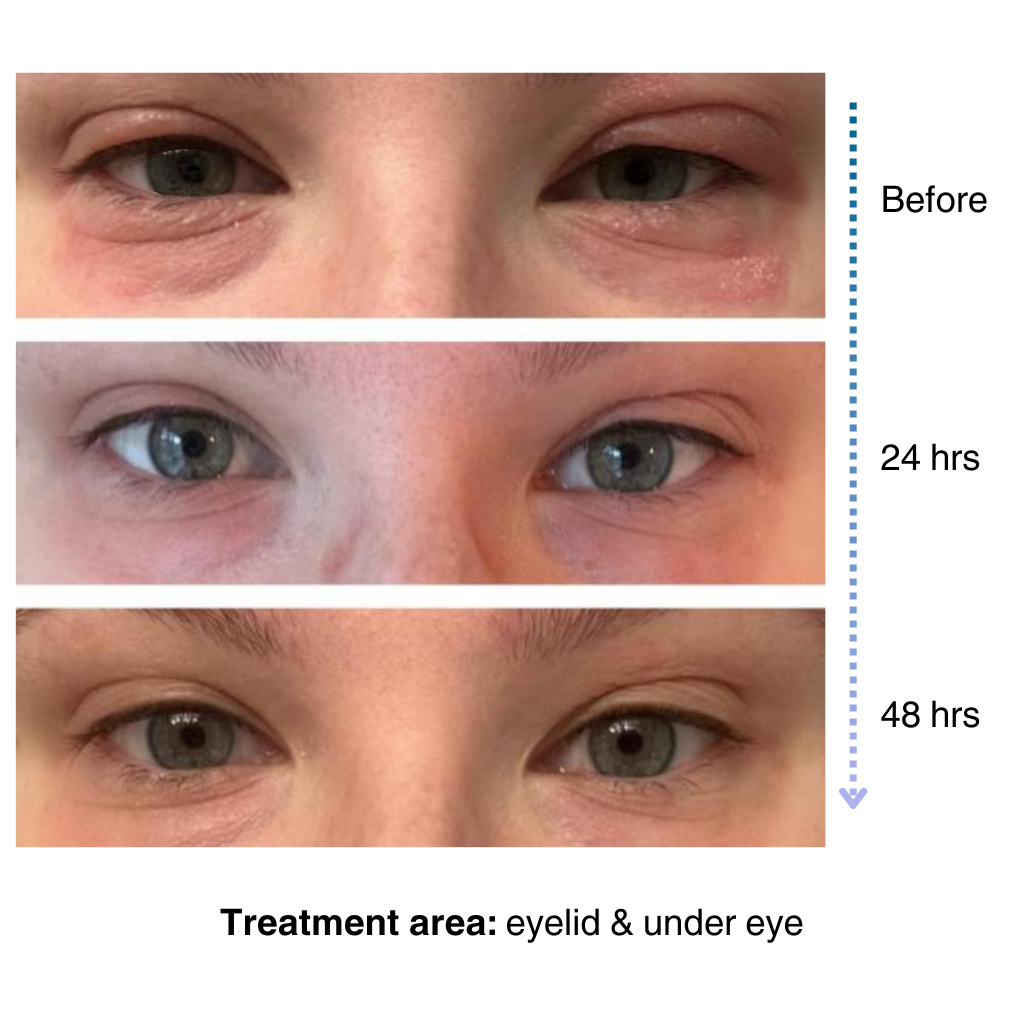
It’s easy to apply and isn’t chalky at all. I’ve been applying it multiple times a day… I’ve tried multiple new products to try and treat my eye eczema, and this is definitely the best I’ve tried so far.
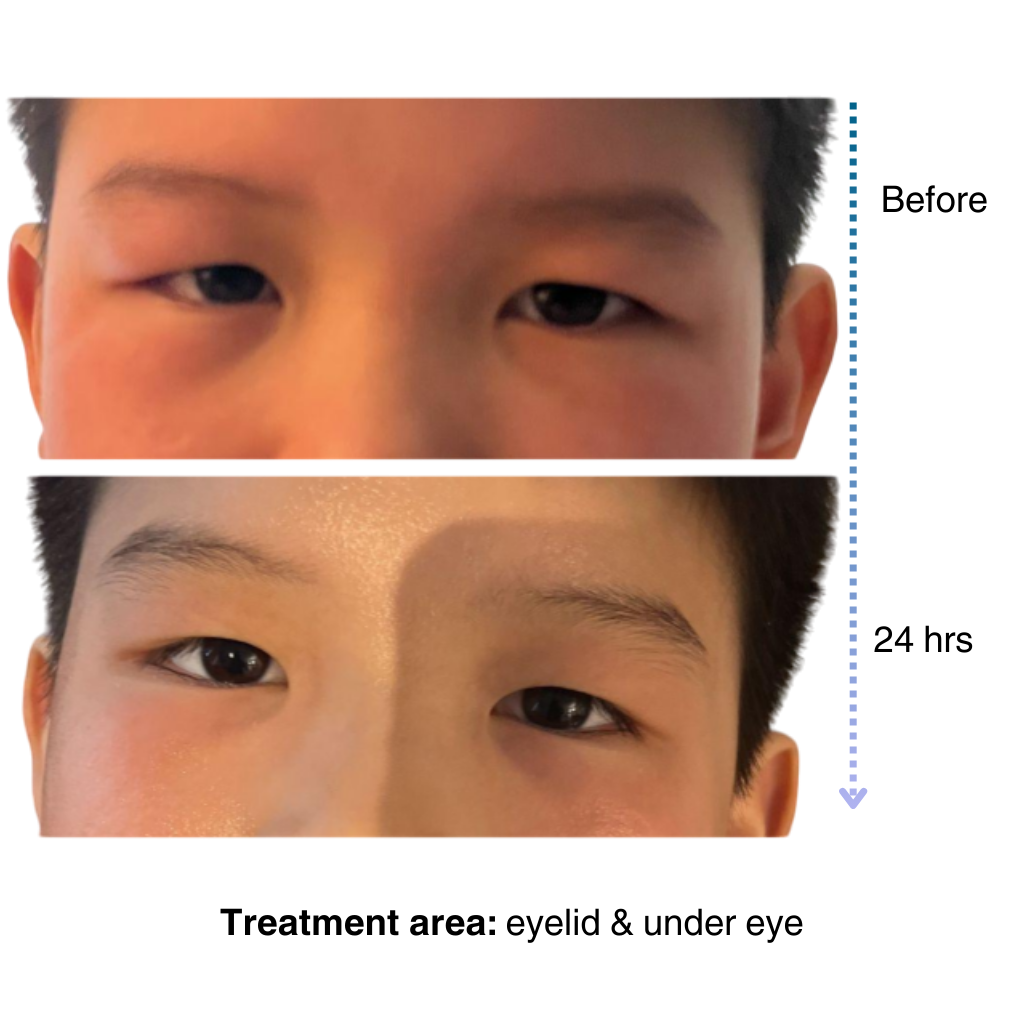
My 7-year old son has been dealing with eczema on his face for a long time, and it’s been so tough to find something that really works…..I’m amazed by the results! Within one day, the redness and rough patches on his face significantly improved…. he doesn’t mind using it at all because it doesn’t sting or feel greasy. – Lily

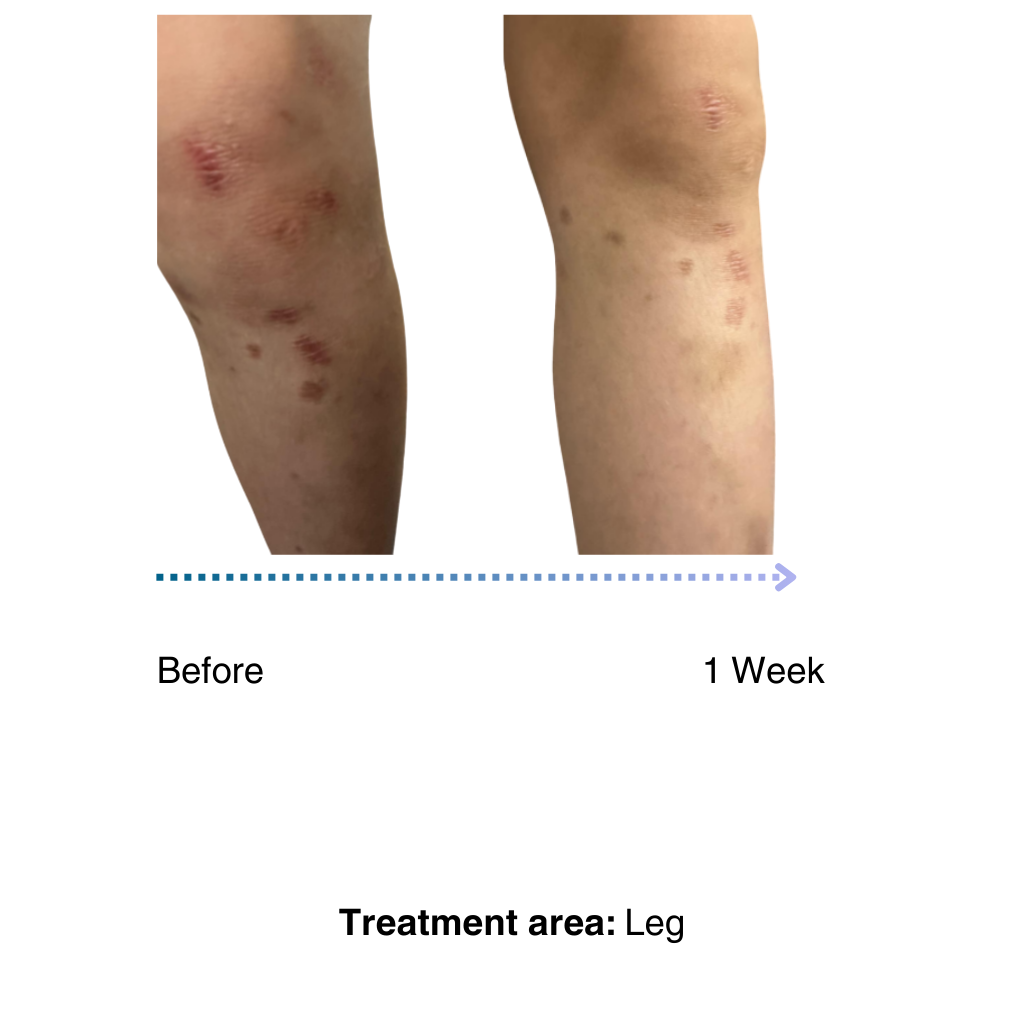
Get expert advice, exclusive offers, and real stories from people who understand your journey.
Start your skincare journey with an exclusive discount
Practical advice for managing sensitive and eczema-prone skin
Be the first to try our latest technology and product releases
Get 10% off your first order when you sign up
Secure & Private
Instant Access
Premium Content
Like many of you, our eczema journey is personal. That’s why we’re committed to creating a space for the eczema community to share experiences, be empowered through evidence-based solutions, and learn practical tips for daily life.
– Sajjad, Founder & CEO of NellaDerm
