
Hiking With Dyshidrotic Eczema: Socks & Foot Care
Hikers with dyshidrotic eczema know the drill. The first miles feel fine, then sweat builds between toes and along the instep. Tiny, deep vesicles erupt. Itch spikes. You scratch through socks by lunchtime and the rest of the day becomes a slow negotiation with hot spots. The good news: you can still stack miles when you control moisture, friction, heat, and occlusion. This guide translates dermatology basics into backpack-friendly moves covering socks, shoes, pacing, and trail first aid so your feet make it from trailhead to summit without drama.
If sweat is a major trigger for you, clinical evidence from PubMed suggests intradermal botulinum toxin A can reduce vesicular flares in dyshidrotic hand eczema, especially in people with hyperhidrosis. Discuss with your dermatologist whether this approach is appropriate for your situation.
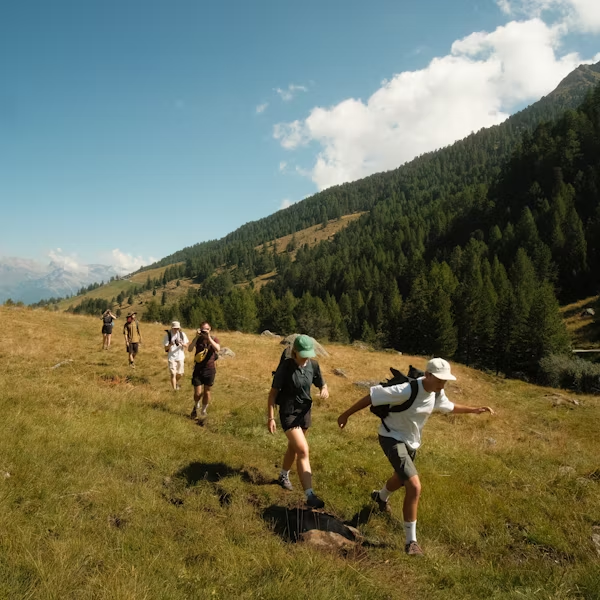
Managing Dyshidrotic Eczema on the Trail
The Essentials In One Minute
- Build your kit around breathable socks and shoes plus a predictable moisture routine, not around exotic creams.
- Choose merino wool or technical synthetics instead of cotton, and consider thin liner socks for wicking and glide.
- Pick roomy, breathable footwear with a wide toe box and removable insoles. Waterproof membranes are great for cold rain but trap sweat in heat.
- Follow the rinse or wipe, then pat, then moisturize rule at camp and during long breaks.
- Pack a mini first-aid kit for dyshidrotic flares: cool cloth, travel cleanser, moisturizer, non-stick dressings, silicone-based bandages, and hypoallergenic tape.
- Do not pop vesicles. Protect, cool, and re-seal. If you see spreading redness, warmth, or pus, leave the trail and seek care.
For a deeper dive into eczema, see: What Does Eczema Look Like? Types and Visual Guide
Understand Trail Triggers For Dyshidrotic Eczema
Sweat and occlusion. Trap moisture under socks and inside toe boxes and the barrier softens. Salt plus friction equals itch and micro-cracks.
Heat spikes. Long climbs, sun on dark rock, and midday pace make vesicles feel electric.
Friction and grit. A single grain of sand or a rough seam can turn a stable patch into an angry peel zone.
Wet work. Rain, creek crossings, and dew-soaked grass keep skin waterlogged.
Contact irritants. Some foot powders, tapes, and fragranced wipes sting already-compromised skin.
Your plan: reduce sweat, accumulate less salt, keep fabrics gliding, and re-seal water in the skin after any rinse.
Sock Materials That Actually Help
What to Choose
- Fine merino wool. Wicks well, regulates temperature, resists odor, and stays comfortable across weather. Merino blends with nylon or elastane improve durability.
- Technical synthetics. Look for polyester or nylon labeled “moisture-wicking” or “capillary knit.” These dry fast and glide inside the shoe.
- Liner socks. Ultra-thin silk or synthetic liners reduce friction between skin and the outer sock. They are excellent insurance on long days or with heavier boots.
- Toe socks. Separate toes reduce skin-on-skin rub and moisture pooling between toes. Many hikers with dyshidrotic eczema love them for warm weather.
What to Skip or Limit
- 100% cotton. Holds water like a sponge, then rubs.
- Thick cushioning in heat. If your feet run hot, swap to a lighter knit or a mesh-zone sock for climbs.
Fit and Rotation
- Bring two to three pairs on a day hike and more for overnights. Rotate at lunch. Hang damp pairs on your pack to dry.
- Socks should feel snug, not tight. No bunching under the arch or at the toes.
- Clip toenails smooth. Rough edges catch and tear softened skin.
Footwear Choices For Breathability And Control
Trail Runners vs. Hiking Boots
- Trail runners win for ventilation, quick dry time, and weight. If your terrain is mostly dry or you run hot, these are usually the best choice for dyshidrotic eczema.
- Waterproof boots or shoes are great for snow, cold rain, heavy brush, and mud, but membranes trap sweat in heat. Choose them when conditions require, not by default.
Features that Matter
- Wide toe box. Toes should splay without rubbing the upper. Test on a downhill ramp in store to check jam points.
- Removable insole. Lets you swap to a more breathable or supportive footbed and air things out at lunch.
- Mesh panels. Move vapor out fast.
- Lacing options. Learn a heel-lock or midfoot-lock to prevent sliding without strangling the forefoot. Less movement equals less friction.
Break In and Test
Wear new shoes for three to five short walks before big mileage. Add your trail socks and liner combo during testing to confirm volume is right. There should be room to accommodate mild swelling without pressure on the forefoot or on the sides of the big and little toes where vesicles love to pop up.
Moisture Management That Works In The Real World
- Powder smart. If you use powder, pick a simple, non-fragranced formula and dust lightly. Too much cakes and rubs in sweat. Skip strong menthol or heavily scented mixes线索
- Antiperspirant strategy. At home, consider a nighttime aluminum chloride antiperspirant to reduce sweat. If it stings, patch test and apply to intact skin only.
- Midday sock change. Air feet in shade for five minutes. Massage gently, but do not scratch. Re-sock with a dry pair and store the damp pair outside your pack to dry.
- Gaiters. Light ankle gaiters keep grit out, which lowers friction. The payoff multiplies on sandy or dusty trails.
- Water crossings. Unlace and step into water with sandals or water shoes to keep hikers dry, or accept wet feet but wring socks, swap to a dry pair, and air feet at the first sunny rock.
Trail First Aid For Dyshidrotic Flares
Build a tiny kit that lives in your hip-belt pocket, not the bottom of your pack. You will use it more if it is reachable.
What to Pack
- Soft cloth or a small compress for cooling.
- Travel-size fragrance-free cleanser or a few plain water wipes.
- A compact moisturizer that plays nicely under socks. If you prefer a single barrier-focused cream, consider NellaCalm Steroid-Free Eczema Cream.
- Non-stick dressings, silicone contact layers, or thin hydrogel pads for hot areas that rub.
- Silicone-based bandages and hypoallergenic tape for edges if needed.
- A few toe spacers or a spare pair of toe socks.
- A short-course prescribed topical if your clinician provides one for flares.
- An optional, non-drowsy antihistamine if itch surges and your clinician says it is safe for you.
Rapid Flare Playbook
- Cool the area for one to two minutes with water or a damp cloth.
- Pat to damp. Never rub.
- Apply a thin layer of moisturizer or your prescribed cream.
- If an area will rub, add a non-stick dressing or switch to toe socks.
- Put on a dry, breathable sock and loosen laces slightly at the forefoot.
- Do not pop vesicles. That invites infection and stings.
Wet-Wrap Micro Reset at Camp
If itching is intense at day’s end, do a mini wet wrap for 20–30 minutes. Apply moisturizer on the forefoot and sides of toes, dampen a thin liner sock, wring it nearly dry, pull it on, then add a dry outer sock. Remove when comfortable and let feet air while you cook or journal.
Camp And Post-Hike Care
- Rinse or wash feet with lukewarm water if you can. Creek water followed by a quick fresh-water splash works. Pat to damp and moisturize within three minutes.
- Air time. Slide into camp shoes that breathe. Think open sandals or wide mesh shoes with a clean pair of lightweight socks.
- Inspect the sides of toes, instep, and arch for new vesicles, cracks, or rub spots. Treat early with your flare playbook.
- Sleep cool. Feet under light, breathable covers. Overheated feet itch more.
- Morning prep. Before lacing up, moisturize thinly, then wait a few minutes so socks glide, not stick.
Weather And Trail-Specific Tips
- Hot and exposed. Choose the most breathable shoes you own. Switch to toe socks or liners to cut moisture between toes. Plan a long shade break for feet at midday and change socks there.
- Wet and cold. Waterproof footwear is useful, but pair it with a two-sock system—thin liner plus warmer outer—to keep a dry feel. Carry one emergency dry pair in a small waterproof bag.
- Sandy or dusty. Low gaiters are worth their weight. Tap shoes upside down at breaks to empty grit that otherwise saws at vesicle-prone edges.
Smart Add-Ons That Make Miles Easier
- Heel-lock lacing reduces slide on descents.
- Aftermarket insoles with perforations help airflow while giving structure.
- Mesh camp shoes give feet a real break without going barefoot around sharp pine duff or campfire debris.
- A small spray bottle with water cleans salt fast when a creek is out of reach.
Two-Week Prep Plan Before A Big Hike
Days 1–3. Audit your socks and shoes. Build a rotation with at least three pairs of hiking socks and one pair of liners. Start short walks in your chosen footwear using the exact sock combo.
Days 4–7. Add toe socks on two of the days to learn whether separation helps you. Practice the midday sock change and five-minute air break on a local loop.
Days 8–11. Hike a longer loop with climbs. Use your cooling cloth and trail first-aid steps once, even if you feel okay. Drills build habits. Note any rub zones, adjust lacing, and consider a different insole.
Days 12–14. Pack your kit, trim toenails, smooth edges, and decide which pairs go in the pack and on your feet. If you tend to sweat heavily, consider applying antiperspirant at night to the soles for these final days and confirm there is no sting.
Final Thoughts
Hiking with dyshidrotic eczema is absolutely doable when you make feet the star of your system. Choose wicking socks and breathable footwear, manage moisture on a schedule, protect hot spots with smart dressings, and end every day with a rinse-pat-moisturize reset. Pack a reachable first-aid kit, practice your sock change, and wear shoes that glide rather than grip your skin. Stack those habits and your reward is simple: quiet feet and many more miles.
Frequently Asked Questions
Are waterproof socks a good idea for dyshidrotic eczema?
They can be lifesavers in cold, wet conditions, but they also trap sweat. In warm weather they usually make itch worse. Use them for specific crossings or storms, not as an all-day solution.
Which is better, merino or synthetic?
Both work. Merino feels great across temperatures and manages odor. Synthetics dry fastest. Many hikers rotate merino in the morning and a synthetic pair after lunch.
Can I use petroleum jelly on feet before hiking?
A thin swipe on high-friction spots can help, but too much makes feet slide and blister. For most with dyshidrotic eczema, a breathable cream layered thinly on damp skin works better.
How do I tell blisters from dyshidrotic vesicles?
Hiking blisters are usually larger and sit at obvious friction points. Vesicles are smaller, deeper, and cluster on sides of toes and instep. Treat both by reducing friction and cooling, but do not pop vesicles.
What if my feet flare during a multi-day backpack?
Slow your pace, take extra air breaks, and use the mini wet wrap at camp. If you see warmth spreading or drainage that looks infected, cut the trip short and get care.
More Helpful Eczema Articles You Should Read
- Midday Skin Resets for Eczema-Prone Skin
- Commuting With Eczema: Transit, Cars, and Pollution
- Habit Stacking for Eczema: Skincare That Sticks
- Eczema and Coffee: Does Caffeine Affect Skin?
- Humidity Eczema Relief: Nighttime Bedroom Fixes
- Keloids and Eczema: Managing Scars on Dark Skin
- Nail Eczema: How to Care for Nails Without Stings
- Eczema in Newborns: What Parents Should Know
- Eczema and Arthritis: Hand-Care for Skin & Joints
- Eczema in College: A Budget-Friendly Survival Guide
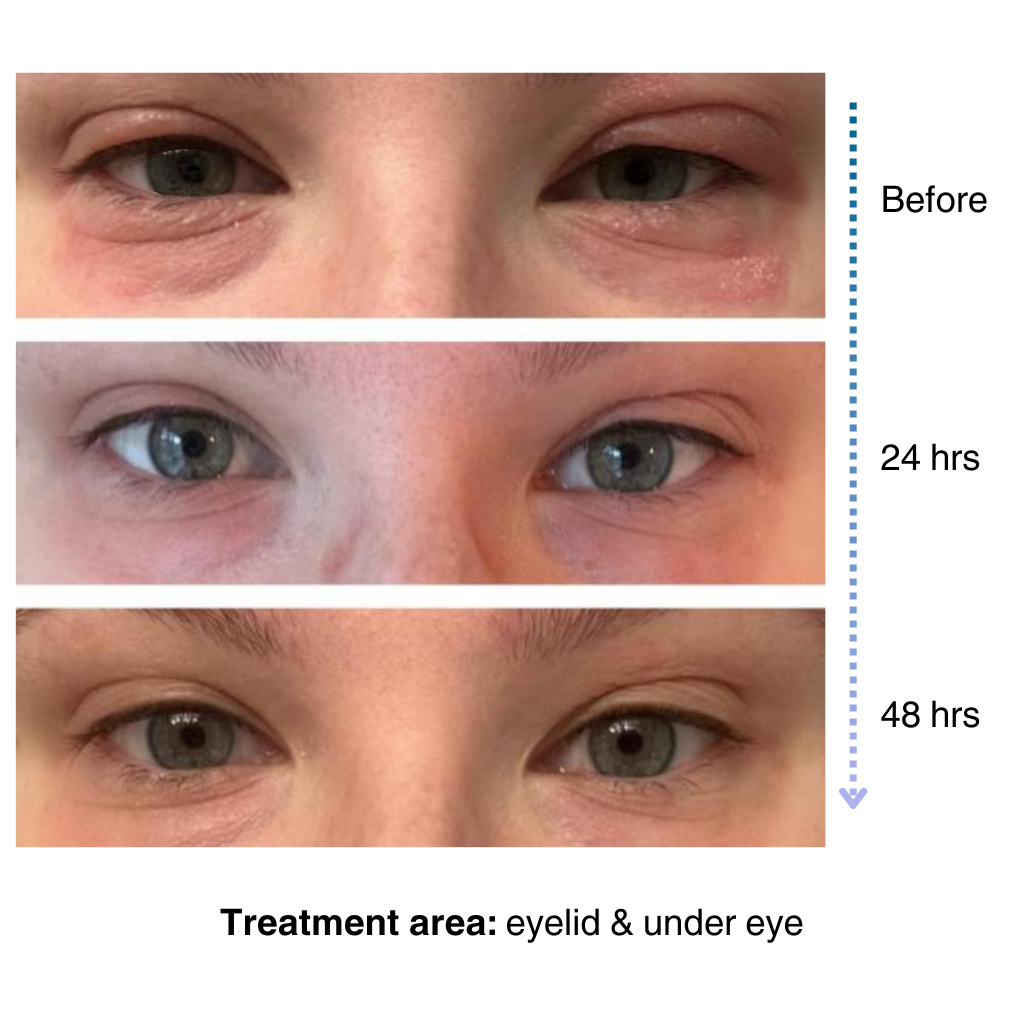
"...this is the best I've tried so far."
It’s easy to apply and isn’t chalky at all. I’ve been applying it multiple times a day… I’ve tried multiple new products to try and treat my eye eczema, and this is definitely the best I’ve tried so far.
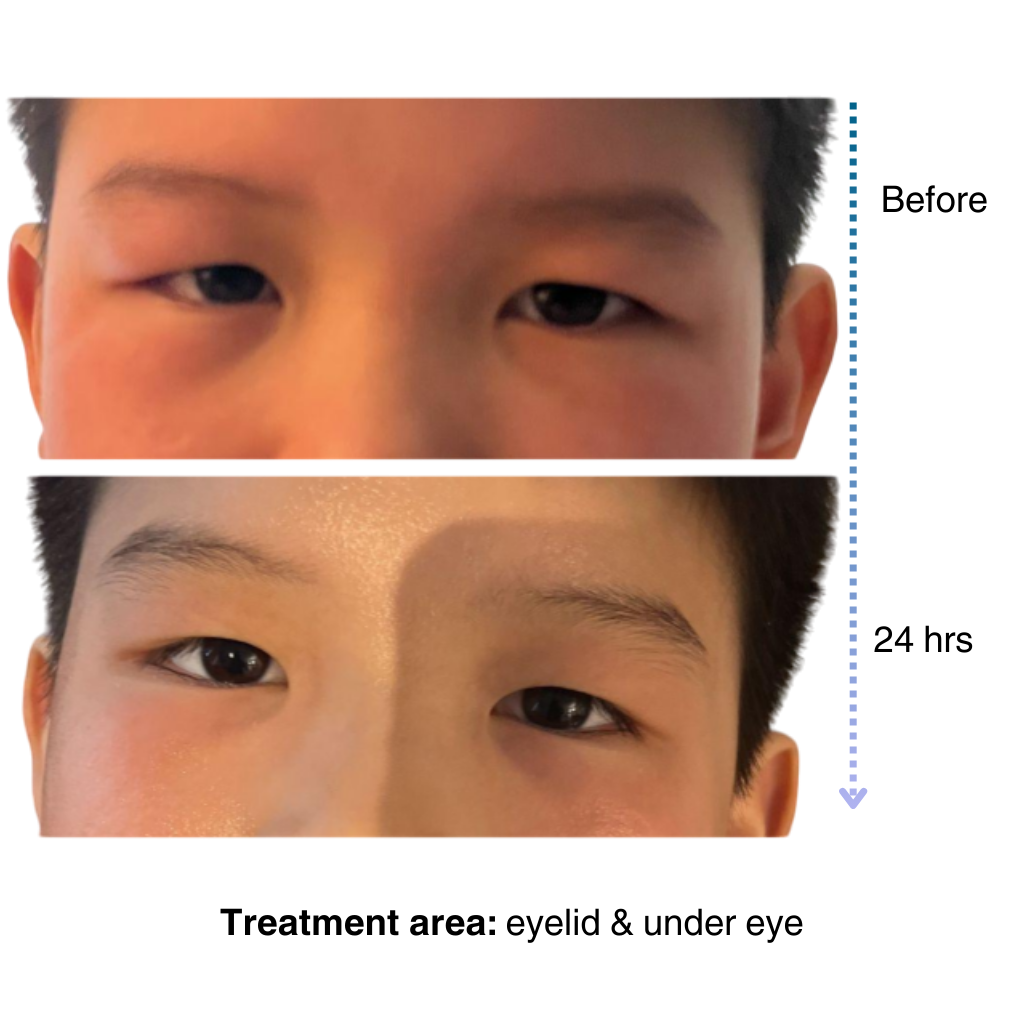
"Game-changer for my son's eczema"
My 7-year old son has been dealing with eczema on his face for a long time, and it’s been so tough to find something that really works…..I’m amazed by the results! Within one day, the redness and rough patches on his face significantly improved…. he doesn’t mind using it at all because it doesn’t sting or feel greasy. – Lily

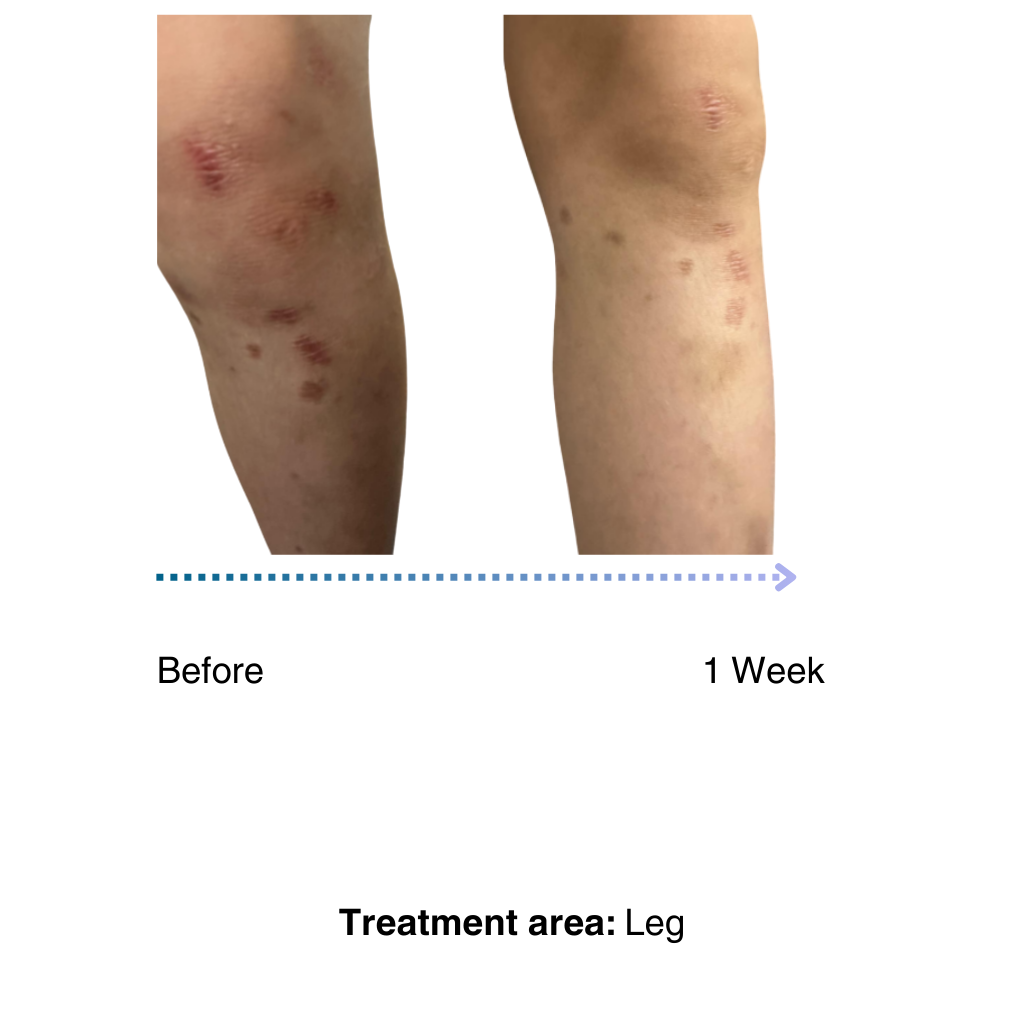
Like many of you, our eczema journey is personal. That’s why we’re committed to creating a space for the eczema community to share experiences, be empowered through evidence-based solutions, and learn practical tips for daily life.
– Sajjad, Founder & CEO of NellaDerm
