
Hormonal Birth Control with Eczema: What You Need to Know
Hormonal birth control is used by millions of individuals worldwide for pregnancy prevention, period regulation, and acne control. But if you’re one of the many people managing eczema, you may have noticed something else: flare-ups that seem to coincide with starting, stopping, or switching contraceptives.
Is it a coincidence, or can hormonal birth control actually affect eczema? In this blog, we’ll examine the relationship between hormonal changes, eczema, and contraceptives, review peer-reviewed findings, and offer actionable advice for those trying to balance skin health with reproductive health.
Hormones and Eczema: What’s the Connection?
Eczema, or atopic dermatitis, is a chronic inflammatory skin condition that is heavily influenced by immune system responses and skin barrier function. While genetics and environment play major roles, hormones can also influence the frequency and severity of flare-ups.
Estrogen and progesterone, the two main hormones regulated by most hormonal birth control methods, both affect the skin in different ways:
- Estrogen supports skin hydration, collagen production, and wound healing. It also tends to reduce inflammation at certain levels.
- Progesterone, on the other hand, may increase skin sensitivity and promote water retention, which can aggravate inflammation in some people.
These fluctuations help explain why many people report worse eczema symptoms just before their periods—when progesterone levels are at their peak and estrogen drops.
How Hormonal Birth Control Alters Your Skin Environment
Hormonal birth control methods—such as oral contraceptives, hormonal IUDs, patches, and implants—modify your body’s natural hormonal cycle. This change can lead to unexpected skin reactions, especially in those already prone to eczema.
Estrogen-Dominant Pills
Combined oral contraceptives that contain both estrogen and progestin may have a stabilizing effect on the skin for some. Estrogen’s anti-inflammatory action could theoretically reduce eczema symptoms in some users. However, in others, it may disrupt the skin barrier or immune responses, depending on individual sensitivities.
Progestin-Only Options
Methods like the mini-pill, the hormonal IUD, or Depo-Provera injections tend to be progestin-heavy. Some users report increased dryness, irritation, and more frequent eczema flare-ups after starting progestin-only contraceptives.
What Does the Research Say?
Scientific studies specifically exploring hormonal birth control and eczema are limited, but a growing body of dermatological literature acknowledges the link between hormonal fluctuations and skin conditions like eczema, acne, and psoriasis.
A 2019 review published in Skin Health and Disease notes that fluctuating levels of estrogen and progesterone may influence the severity of eczema through changes in immune system activity and skin barrier integrity. While the review calls for more targeted studies, it supports anecdotal evidence from patients and dermatologists alike.
In addition, a 2021 article in the British Journal of Dermatology discusses hormonal contraceptives’ dual role—potentially improving inflammatory skin conditions in some while worsening them in others, depending on individual hormone sensitivities and genetic predispositions.
Real Stories, Real Impacts
Though clinical trials are sparse, many individuals share similar experiences:
“I switched to the hormonal IUD last year and almost immediately started having eczema patches under my arms and on my hands for the first time in years.” — A Reddit user from r/Eczema
“The pill seemed to help my skin overall, but when I stopped taking it, my eczema came back worse than ever.” — Anonymous blog commenter on a hormonal health site
These stories, while anecdotal, reinforce the need for more clinical exploration into how hormonal contraceptives interact with skin conditions.
Managing Eczema While on Birth Control
If you suspect your hormonal contraceptive is triggering eczema flare-ups, here are some steps you can take:
Track Symptoms
Maintain a symptom diary. Note when you started your birth control, any changes to your regimen, and the timing of eczema flare-ups. Look for patterns tied to your menstrual cycle or hormonal changes.
Consult a Dermatologist and Gynecologist
A dermatologist can evaluate your eczema severity, and a gynecologist can help you explore alternative birth control options that may be gentler on your skin.
Prioritize a Strong Skincare Routine
Support your skin barrier with fragrance-free, dermatologist-tested moisturizers. Consider using NellaDerm’s NellaCalm to lock in moisture and reduce inflammation.
Consider Non-Hormonal Alternatives
If flare-ups persist, non-hormonal birth control methods such as the copper IUD or barrier methods may be worth discussing with your doctor.
Questions and Answers: Hormonal Birth Control and Eczema
Should I stop my birth control if I notice a flare-up?
Not without speaking to your healthcare provider. Flare-ups may be temporary or caused by other factors. Consult both a dermatologist and a gynecologist before making changes.
Can hormonal birth control improve eczema in some people?
Yes. For some, estrogen’s anti-inflammatory properties may stabilize the skin. However, reactions vary greatly by individual.
What’s the safest contraceptive for people with eczema?
There’s no universal answer. However, low-progestin or non-hormonal options may be better tolerated in those with skin sensitivities.
Final Thoughts
The relationship between hormonal birth control and eczema is complex and highly individualized. While some people experience skin improvements, others may face new or worsening flare-ups. Understanding your own hormone-skin connection, tracking symptoms, and working with healthcare providers can help you make informed decisions about your body and skin.
If you’re currently managing eczema, explore skin-calming solutions tailored for sensitive conditions at NellaDerm.com, and never hesitate to advocate for your skin when discussing contraceptive options.
More Helpful Eczema Articles You Should Read
- Midday Skin Resets for Eczema-Prone Skin
- Commuting With Eczema: Transit, Cars, and Pollution
- Habit Stacking for Eczema: Skincare That Sticks
- Eczema and Coffee: Does Caffeine Affect Skin?
- Humidity Eczema Relief: Nighttime Bedroom Fixes
- Keloids and Eczema: Managing Scars on Dark Skin
- Nail Eczema: How to Care for Nails Without Stings
- Eczema in Newborns: What Parents Should Know
- Eczema and Arthritis: Hand-Care for Skin & Joints
- Eczema in College: A Budget-Friendly Survival Guide
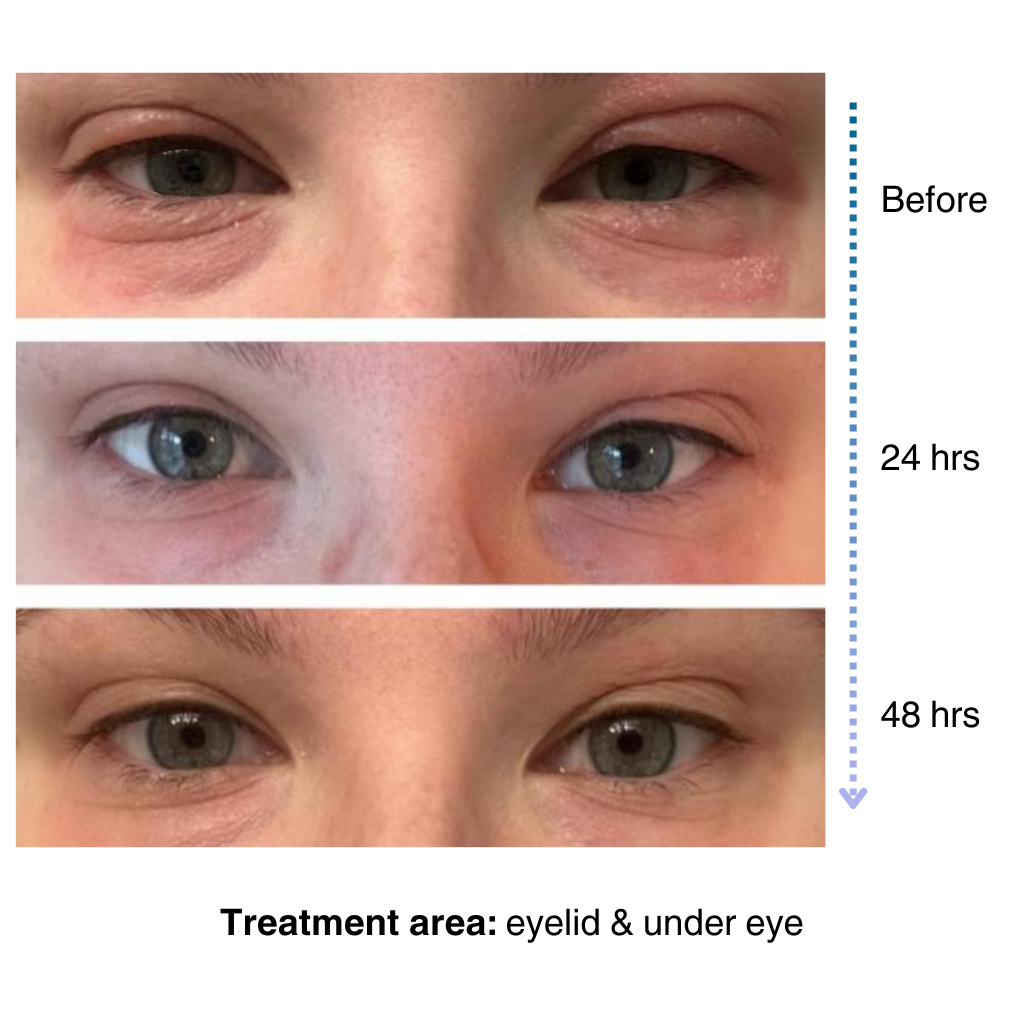
"...this is the best I've tried so far."
It’s easy to apply and isn’t chalky at all. I’ve been applying it multiple times a day… I’ve tried multiple new products to try and treat my eye eczema, and this is definitely the best I’ve tried so far.
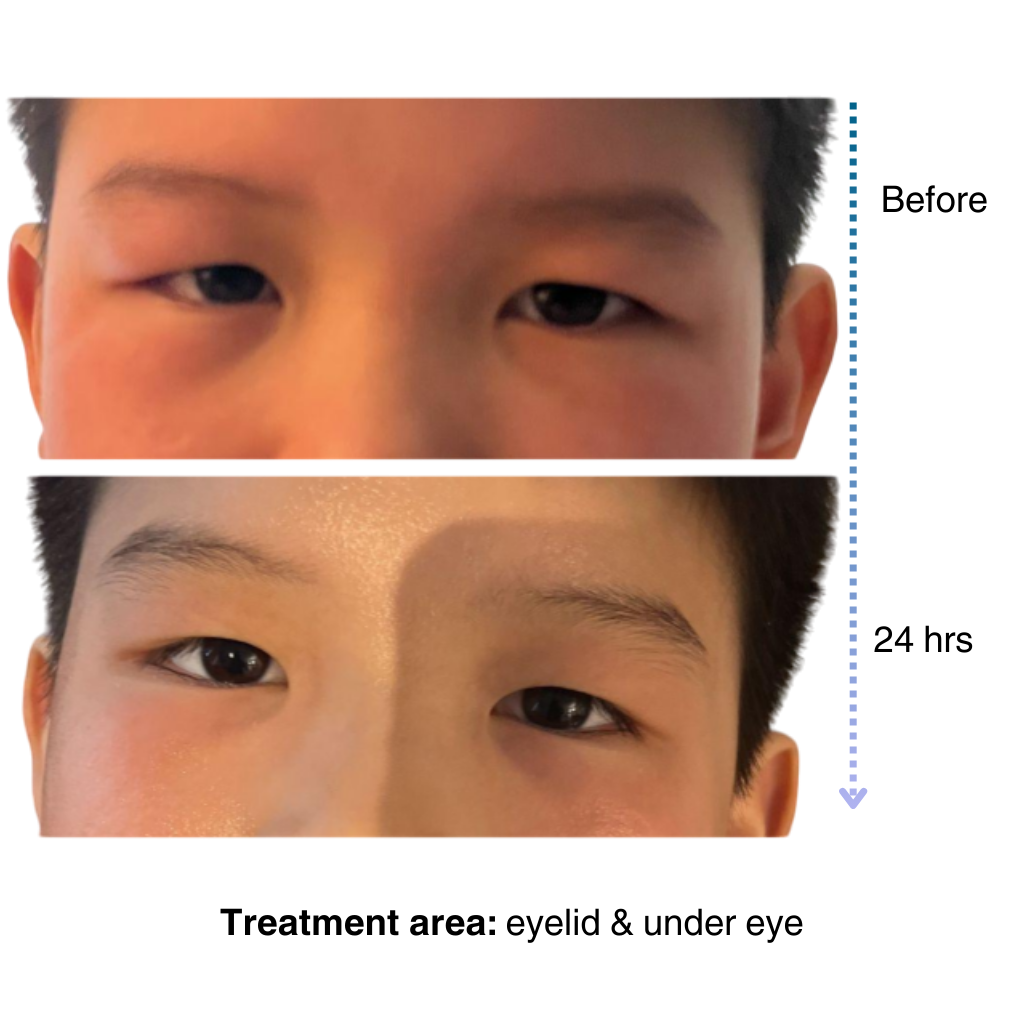
"Game-changer for my son's eczema"
My 7-year old son has been dealing with eczema on his face for a long time, and it’s been so tough to find something that really works…..I’m amazed by the results! Within one day, the redness and rough patches on his face significantly improved…. he doesn’t mind using it at all because it doesn’t sting or feel greasy. – Lily

Join our community
Get expert advice, exclusive offers, and real stories from people who understand your journey.
10% off your first order
Start your skincare journey with an exclusive discount
Eczema management tips
Practical advice for managing sensitive and eczema-prone skin
Early access to innovations
Be the first to try our latest technology and product releases
Join our email list
Get 10% off your first order when you sign up
Secure & Private
Instant Access
Premium Content
Like many of you, our eczema journey is personal. That’s why we’re committed to creating a space for the eczema community to share experiences, be empowered through evidence-based solutions, and learn practical tips for daily life.
– Sajjad, Founder & CEO of NellaDerm
