Houseplants and Eczema: Low-Allergen Care Tips

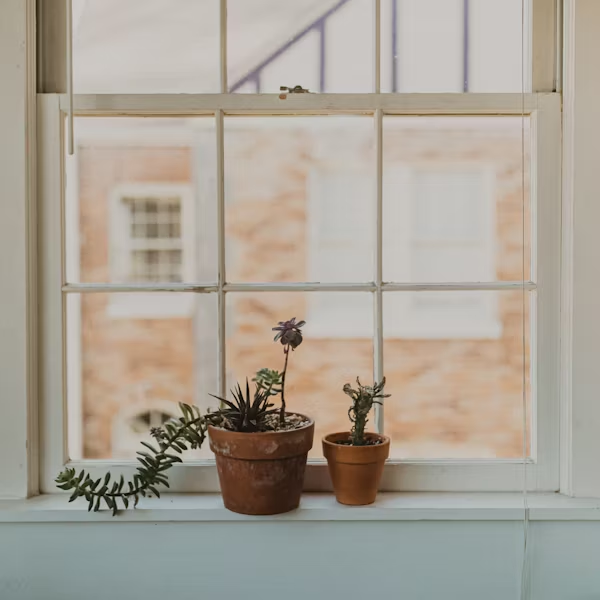
Plants make rooms calmer, but the way we water, pot, and place them changes indoor moisture and dust. For sensitive skin, that can mean more airborne mold spores, soil-mite hitchhikers, and extra dust collecting on leaves and surrounding fabrics. You do not have to give up your jungle. With a few smart tweaks—how you choose plants, water, repot, and clean—you can enjoy your collection without stirring up the triggers that often nudge houseplants and eczema in the wrong direction.


Studies of indoor environments consistently link visible dampness and mold to higher odds of allergic conditions, including atopic dermatitis, especially in children. For example, a 2024 investigation, published in Nature, measured indoor microorganisms and dampness found associations with atopic dermatitis alongside asthma and rhinitis, underscoring the value of moisture control in homes with plants.
houseplants and eczema

The Essentials In One Minute

  • Keep soil on the dry side of “just moist” and avoid standing water in saucers.
  • Use fast-draining, sterile indoor mixes and ventilated pots; repot if you see fuzzy white or green growth on the surface.
  • Wipe leaves and nearby surfaces weekly to remove dust that can hold allergens.
  • Favor lower-water, lower-mess plants and avoid sap-irritating species if your skin is reactive.
  • If flares cluster around your plant corner, try a two-week “plant vacation”: move them to a well-ventilated room and see if symptoms ease.
  • When air is smoky or stuffy, let plants be décor and rely on HEPA filtration and ventilation for air quality, not plant “air-cleaning” claims. 

How Plants Become Triggers

1) Overwatering and surface mold

Mold thrives on persistently wet potting mix and poorly ventilated corners. Even small patches release spores into nearby air, which may aggravate houseplants and eczema when combined with dry indoor air or fabric friction.


2) Soil critters

“Soil mites” and fungus gnats love damp mix. Their presence signals excess moisture and decaying organic matter. While most are nuisance rather than direct allergens, they come with micro-fragments and more mold growth: an indirect itch amplifier.


3) Dust magnets

Large leaves collect dust. That dust holds pollen, pet dander, and house-dust mite fragments that can irritate eyelids, neck, and hands as you brush by.


4) Irritant sap

Some species ooze sap that can irritate skin on contact. If you prune or repot often, choose plants with low irritant potential and wear gloves.


Low-Allergen Plant Picks (And What To Skip)

Friendlier choices for most homes

  • Snake plant (Dracaena trifasciata) and ZZ plant (Zamioculcas zamiifolia): slow growers, minimal watering, tolerate drier mixes.
  • Pothos (Epipremnum aureum) and philodendron cultivars: easy trailing growth with moderate moisture; let the top inch dry.
  • Cast-iron plant (Aspidistra elatior) and Hoya: sturdy, thick leaves that do not trap much dust when wiped weekly.
  • Air plants (Tillandsia): soil-free displays reduce potting mix issues; still give them a weekly soak and dry thoroughly.

Use caution or skip if you are prone to irritation

  • Ficus elastica and Ficus benjamina: latex-like sap can irritate.
  • Ferns and moss bowls: beautiful but often need constant surface moisture, which invites mold.
  • Large terrariums: charming micro-climates for spores; great for collectors, not great beside a sofa or bed.

Potting Mix, Pots, And Watering: Set Yourself Up To Win

Choose the right mix

Pick a sterile indoor potting mix with added perlite or pumice for drainage. Avoid compost-heavy or garden soil indoors. If you see persistent surface fuzz, repot and discard the old mix instead of “treating” it repeatedly.


Pick smarter pots

  • Breathable pots (unglazed clay) help moisture escape.
  • Drainage holes are non-negotiable.
  • Elevated saucers or small pot feet keep airflow under the pot and stop water from pooling against wood floors or shelves.

Water like a pro

  • Bottom-water when possible: set the pot in a tray of water for 10–20 minutes, then drain thoroughly. The surface stays drier, which discourages mold and soil pests.
  • Let the top half-inch to inch of mix dry before the next watering, adjusting by plant type and season.
  • Use a moisture meter or your finger. Consistency beats guessing.

Soil Pests And Mold: Quick Control Without Harsh Chemicals

  • Fungus gnats: allow the top layer to dry; add a thin top-dress of horticultural sand; use yellow sticky traps to catch adults. If needed, a cycle of beneficial nematodes (Steinernema feltiae) in the watering can target larvae.
  • Surface mold or algae: increase airflow, reduce watering frequency, and gently scrape and replace the top inch of mix. If growth returns, repot with fresh sterile mix and a more ventilated pot.
  • After repotting: water once, then wait. Most issues come from “loving plants to death” with frequent sips.

Cleaning Routine That Helps Skin Too

  • Leaf wipe: once a week, wipe leaves with a barely damp, soft cloth; support the underside so you do not tear tissue. This removes dust that holds allergens and makes plants photosynthesize better.
  • Floor and shelf reset: vacuum or dust around pots, including window tracks.
  • Curtains and textiles: if plants sit beside fabric drapes or upholstered furniture, launder or vacuum those more often to prevent dust and spore build-up. Practical settings here: Laundry Lessons: How Detergent Decisions Influence Eczema Irritation.

Where To Place Plants If You Are Sensitive

  • Give plant groupings a well-ventilated corner with a little air movement, not a closed, humid alcove.
  • Keep the densest clusters out of bedrooms if night itch is a problem; place a single, low-water plant there instead.
  • Avoid crowding plants beside grills, radiators, or humidifiers that swing temperatures and moisture wildly.

Ventilation, Purifiers, And The “Plants Clean Air” Myth

Plants are great for mood and humidity balance, but they are not a substitute for ventilation or filtration. A rigorous review concluded that potted plants, in real homes, do not significantly remove indoor VOCs; you would need unrealistic plant densities to notice a change. Prioritize source control, ventilation, and HEPA filtration to manage indoor air quality, and enjoy plants for greenery rather than air scrubbing.


For days when outdoor smoke worsens your skin, pair smart placement of plants with this playbook: Eczema in Wildfires: How Smoke Affects Your Skin.


A Two-Week Plant-Care Reset For Sensitive Skin

Goal: keep your plants thriving while reducing the moisture, dust, and spores that nudge houseplants and eczema.


Day 1 setup

  1. Audit moisture: stick a finger in each pot; if more than the top inch is wet, wait before the next watering.
  2. Repot problem pots: any with sour smell, fuzzy soil, or no drainage holes-switch to a breathable pot, sterile mix, and a proper saucer.
  3. Thin the jungle: spread planters so air moves between leaves.
  4. Start the wipe schedule: leaves and the nearby shelf or sill.
  5. Add airflow: a gentle, oscillating fan on low for a few hours a day near big clusters.

Days 2–7

  • Bottom-water only when the top layer is dry.
  • Remove standing water from saucers within 10 minutes.
  • Skim and replace any reappearing surface growth; if it returns twice in a week, repot.

Days 8–14

  • Keep the wipe routine.
  • If itch or eyelid irritation still flares around your plant nook, relocate the cluster to a brighter, breezier room for a temporary “plant vacation” and track symptoms.

Decision point

  • If symptoms eased, keep plants in the new spot, reduce overall count in living areas, or choose more low-water species.

If nothing changed, the plants are unlikely to be your main driver. Focus next on laundry, sleep environment, and daily skincare. Check out NellaDerm’s NellaCalm for a great barrier-repairing moisturizer option.

When To Ask For Help

  • You see recurring eyelid, neck, or hand flares that map to specific plant tasks like pruning or repotting.
  • You suspect contact allergy to a plant’s sap or to potting additives; a dermatologist can discuss patch testing and protective steps.
  • You have a musty odor or visible mold outside of pots—think window frames or walls. That is a home maintenance issue that goes beyond plant care.

Final Thoughts

You can keep your greenery and calm your skin. Think moisture discipline, sterile fast-draining mixes, breathable pots with drainage, and a weekly dust-wipe on leaves and nearby surfaces. Use plants for joy, not air cleaning, and lean on ventilation and HEPA filtration for indoor air control. With these low-friction habits, houseplants and eczema can coexist beautifully.

Frequently Asked Questions

Do I need to get rid of all my plants if I have eczema?
Usually not. Most people do well with a smaller, drier, cleaner collection plus better airflow. The combination of less overwatering, sterile mixes, and weekly leaf wipes helps far more than going plant-free.


Are succulents the best choice for eczema-prone homes?
They are a good option because they like drier mixes and infrequent watering. Just give them bright light and avoid overwatering—soggy succulents mold too.


Should I put rocks on top of the soil to block mold?
A thin, airy horticultural sand or LECA top-dress can help the surface dry faster. Heavy, non-breathable caps can trap moisture underneath.


Can I use essential oils to “disinfect” soil or leaves?
Skip them. Fragrance is a top skin irritant and oils can burn foliage. Focus on moisture control, airflow, and sterile mixes.


What humidity is best for skin and plants?
Most houseplants and most people do well around 40 to 50 percent relative humidity. If you use a humidifier for plants, keep it clean and aim it away from walls and textiles to prevent localized dampness.

Explore the Eczema Knowledge Hub

Your go-to resource for flare-up relief, skincare tips, and science-backed advice.

"...this is the best I've tried so far."

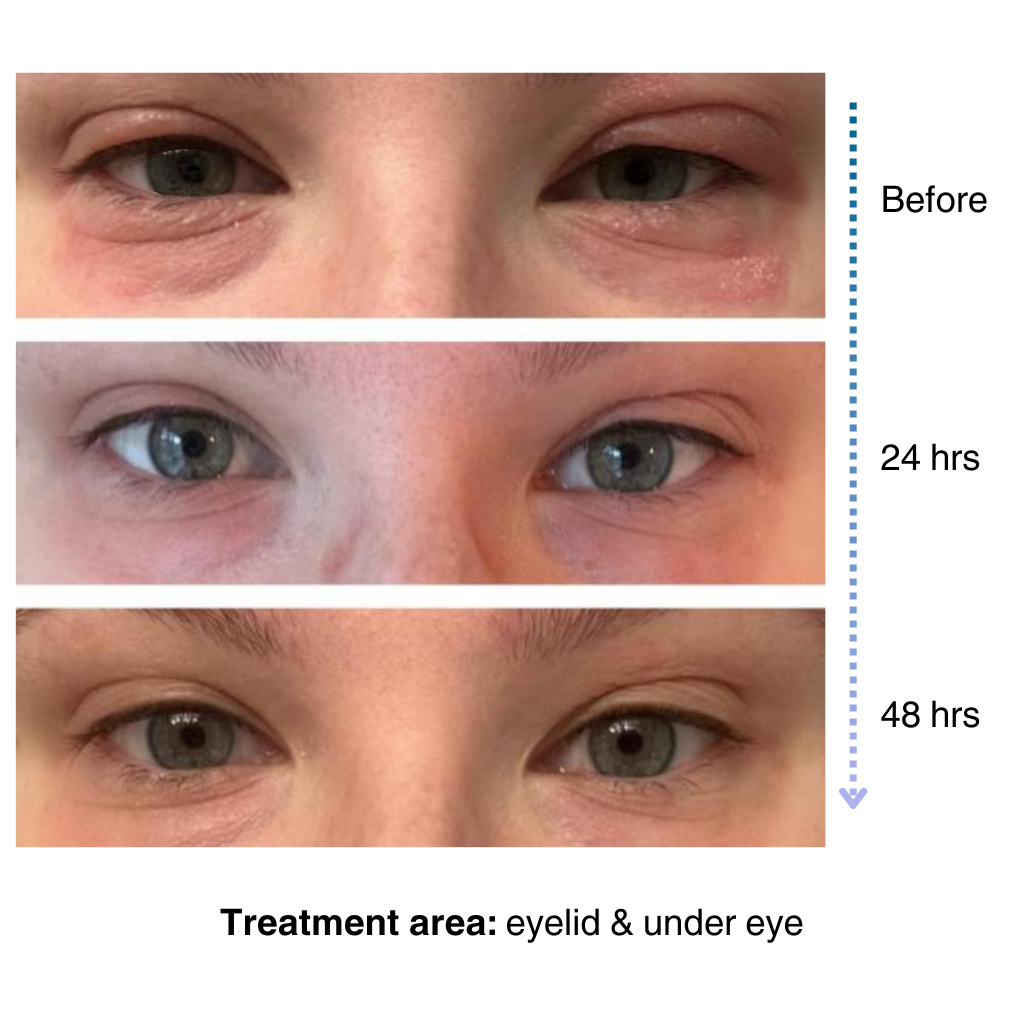
It’s easy to apply and isn’t chalky at all. I’ve been applying it multiple times a day… I’ve tried multiple new products to try and treat my eye eczema, and this is definitely the best I’ve tried so far.

"Game-changer for my son's eczema"

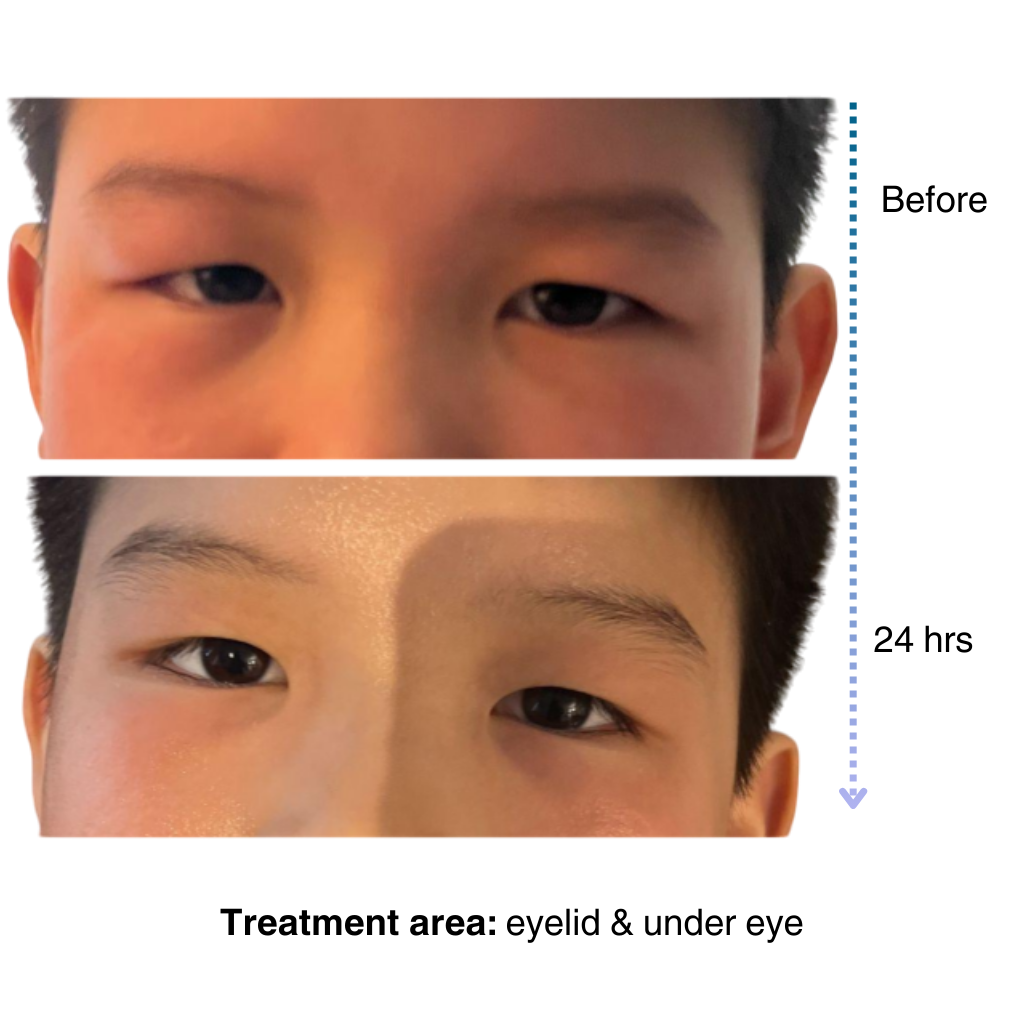
My 7-year old son has been dealing with eczema on his face for a long time, and it’s been so tough to find something that really works…..I’m amazed by the results! Within one day, the redness and rough patches on his face significantly improved…. he doesn’t mind using it at all because it doesn’t sting or feel greasy. – Lily
Newsletter Signup

Like many of you, our eczema journey is personal. That’s why we’re committed to creating a space for the eczema community to share experiences, be empowered through evidence-based solutions, and learn practical tips for daily life.  

– Sajjad, Founder & CEO of NellaDerm

Eczema treatment
Shopping Cart