
Eczema concerns?
FREE
Get instant expert guidance with our smart AI platform.
Join NowDark spots that linger after a flare can feel as frustrating as the itch itself. These marks are a form of post-inflammatory hyperpigmentation that often follows eczema, especially after scratching or repeated irritation. If you have sensitive, reactive skin, you may prefer to avoid steroids for tone concerns and skip hydroquinone entirely. The good news is that hyperpigmentation with eczema can improve with a steady, gentle routine that protects your barrier while targeting excess pigment. This guide breaks down what those spots are, how they form, and the safest ways to fade them without compromising comfort.

Dark spots after eczema flares can linger long after the itch and redness subside. For many, these marks become the most frustrating reminder of a flare up. The good news is that post inflammatory hyperpigmentation (PIH) from eczema is treatable, even on sensitive, reactive skin.
This comprehensive guide walks you through identifying your type of mark, understanding why spots form, and building a gentle, barrier first routine that fades discoloration without triggering new irritation. You will learn which ingredients work, how to layer them safely, and lifestyle tweaks that speed results.
Whether you are dealing with brown patches on medium to deep skin tones or stubborn pink marks on lighter complexions, the strategies here prioritize tolerance while delivering visible improvement over weeks to months.
Not every leftover mark is the same. Getting the label right helps you choose the right plan.
If a mark is raised, itchy, or changing quickly, check in with your clinician to rule out an active dermatitis patch, infection, or scarring.
Three drivers create hyperpigmentation with eczema:
Your strategy will target each driver: calm inflammation, minimize friction, and commit to smart light protection.
A resilient barrier fades spots faster because it reduces ongoing irritation. Build your day around simple steps you can repeat.
For a fuller walk through of a gentle routine that you can tweak for pigmentation goals, see NellaDerm’s guide: Eczema Friendly Skincare Routine: A Guide For Daily Relief
You do not need hydroquinone to make progress. The goal is slow, steady improvement with ingredients that also respect a fragile barrier.
Light protection is non negotiable for hyperpigmentation with eczema. You do not need to rely only on sunscreen.
Every scratch risks a new spot. Pair your brightening plan with itch prevention.
Use this as a template and adjust based on comfort.
Week 1
Week 2
Reassess at the end of Week 2. If skin is calm, continue. If irritation appears, scale back to moisturizer plus sun protection for several days, then re introduce one active at a time.
You can lighten hyperpigmentation with eczema without steroids or hydroquinone by focusing on three things every day: protect your barrier, apply well tolerated brightening ingredients slowly and consistently, and prioritize light protection. Keep routines simple, avoid friction, and manage itch before it becomes scratching. For additional ideas on softening leftover marks as your skin calms, explore NellaDerm’s companion read: Eczema Scar Treatment: Natural Ways To Fade Marks
With a calm routine and a little patience, dark spots fade and your skin tone looks more even month by month.
Post inflammatory hyperpigmentation and post inflammatory erythema require distinct strategies despite both stemming from eczema flares. PIH involves excess melanin deposition, appearing as flat brown or gray spots that can persist for months. Treatment focuses on inhibiting melanin production and transfer with ingredients like niacinamide or tranexamic acid.
PIE results from dilated blood vessels near the skin surface, creating pink or red marks more prominent in fair complexions. These marks fade primarily through vascular calming and consistent sun protection rather than traditional brighteners. Soothing agents like centella asiatica or green tea extract can accelerate resolution when layered under mineral sunscreen.
Many patients experience both conditions simultaneously, especially across different facial zones. A mixed approach works best: use melanin targeting actives on darker patches while prioritizing anti inflammatory care for red areas. Patch testing each product separately prevents confusion about what causes potential reactions.
Tracking progress with weekly photographs under consistent lighting helps distinguish which marks respond to specific interventions. This data driven method ensures you refine your routine effectively without unnecessary product changes.
Eczema induced discoloration manifests differently across the Fitzpatrick scale, influencing both treatment selection and expected timeline. Types I to III often develop PIE with subtle PIH, where red marks dominate and resolve within three to six months with diligent protection. Mineral sunscreens and vascular soothing ingredients take priority.
Fitzpatrick types IV to VI experience more pronounced PIH, with deeper brown or gray brown spots that may require six to twelve months for significant fading. Higher melanin activity demands earlier intervention with tyrosinase inhibitors like azelaic acid or licorice extract to prevent entrenched discoloration.
All skin tones benefit from barrier reinforcement, but deeper complexions show greater improvement from antioxidant rich formulas containing vitamin C derivatives or ferulic acid. These combat oxidative stress that exacerbates pigment production following inflammation.
Professional guidance becomes especially valuable for types V and VI, where improper treatment risks paradoxical darkening. Dermatologists familiar with diverse skin types can recommend appropriate strengths and combinations that balance efficacy with tolerance.
The 2025 market offers sophisticated formulations designed specifically for sensitive, eczema prone skin seeking pigmentation correction. Look for products carrying the National Eczema Association Seal of Acceptance, ensuring rigorous testing for irritants and allergens.
Serums combining 10 percent niacinamide with 1 percent tranexamic acid provide dual action melanin inhibition without compromising the moisture barrier. Cream based delivery systems enhance penetration while maintaining hydration, crucial for preventing rebound inflammation.
Mineral sunscreens now incorporate iron oxide pigments that block visible light, offering superior protection against window glass transmitted rays that worsen PIH. Tinted formulations double as light coverage, reducing the need for additional makeup that might irritate compromised skin.
Overnight masks with encapsulated actives release ingredients gradually, minimizing sensitization risk while working during skin repair cycles. These innovations allow eczema patients to address discoloration with unprecedented precision and gentleness.
Internal factors influence how quickly post inflammatory marks resolve. An anti inflammatory diet rich in omega 3 fatty acids from salmon, walnuts, and chia seeds helps regulate the immune response that triggers excess melanin production.
Antioxidant dense foods including berries, spinach, and green tea provide systemic protection against oxidative stress that prolongs discoloration. Vitamin C from citrus and bell peppers supports collagen synthesis essential for barrier recovery.
Oral probiotics specifically strains like Lactobacillus rhamnosus GG may modulate gut skin axis inflammation, potentially reducing flare severity and subsequent pigmentation. Consistency over eight to twelve weeks typically yields noticeable differences.
Zinc supplementation at 15 to 30 mg daily aids wound healing and immune regulation, particularly beneficial when dietary intake falls short. Always coordinate supplements with your healthcare provider to avoid interactions with eczema medications.
When home care plateaus, dermatologist supervised procedures can accelerate fading while protecting sensitive skin. Gentle chemical peels using mandelic or lactic acid at low concentrations exfoliate superficial pigment without penetrating deeply enough to trigger flares.
Microneedling with radiofrequency delivers controlled injury that stimulates collagen while allowing simultaneous infusion of brightening serums. The insulated needles minimize epidermal damage crucial for eczema patients.
Low fluence Q switched Nd:YAG lasers target melanin selectively with minimal heat dispersion, reducing inflammation risk. Multiple sessions spaced four to six weeks apart gradually lighten resistant spots.
Pre and post treatment protocols emphasizing barrier repair and strict sun avoidance ensure optimal outcomes. Professional intervention transforms months of slow progress into weeks of visible improvement for appropriate candidates.
Documenting changes prevents discouragement during the gradual fading process. Establish baseline photographs using natural window light at consistent angles and distances. Weekly images reveal subtle shifts invisible in daily mirror checks.
A simple journaling system tracking product usage, flare incidents, and environmental exposures identifies patterns affecting pigmentation. Digital apps allow side by side photo comparisons with adjustable transparency overlays.
Professional skin analysis tools measure melanin index and erythema levels quantitatively. Many dermatology offices offer VISIA imaging that tracks pigment density changes over treatment courses.
Celebrating small milestones every four weeks maintains motivation. Most patients observe twenty to thirty percent improvement by month three with consistent gentle care, building to fifty percent or more by month six.
How long will it take to fade?
Many spots soften noticeably in six to eight weeks with daily protection and gentle brightening. Deeper marks can take several months. Consistency matters more than intensity.
Can I spot treat only the darkest areas?
Yes. Targeting the most noticeable marks reduces product load and irritation risk. Apply a thin layer and always moisturize after.
Do I need a special night cream?
Not necessarily. What you need at night is moisture and minimal friction. If you add a brightening active, buffer with your regular moisturizer.
Is makeup safe while I am fading spots?
Yes, if your skin tolerates it. Choose fragrance-free, non-comedogenic formulas and remove gently with lukewarm water before moisturizing.
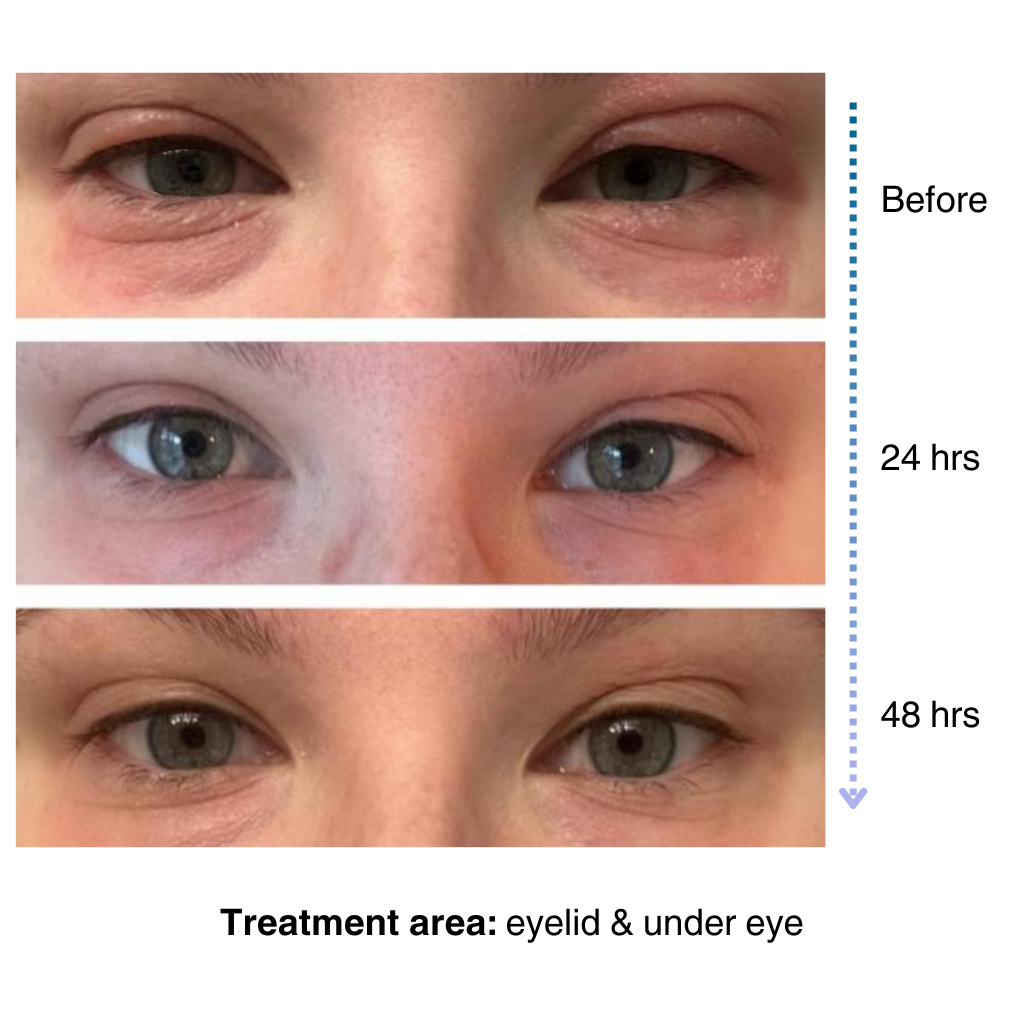
It’s easy to apply and isn’t chalky at all. I’ve been applying it multiple times a day… I’ve tried multiple new products to try and treat my eye eczema, and this is definitely the best I’ve tried so far.
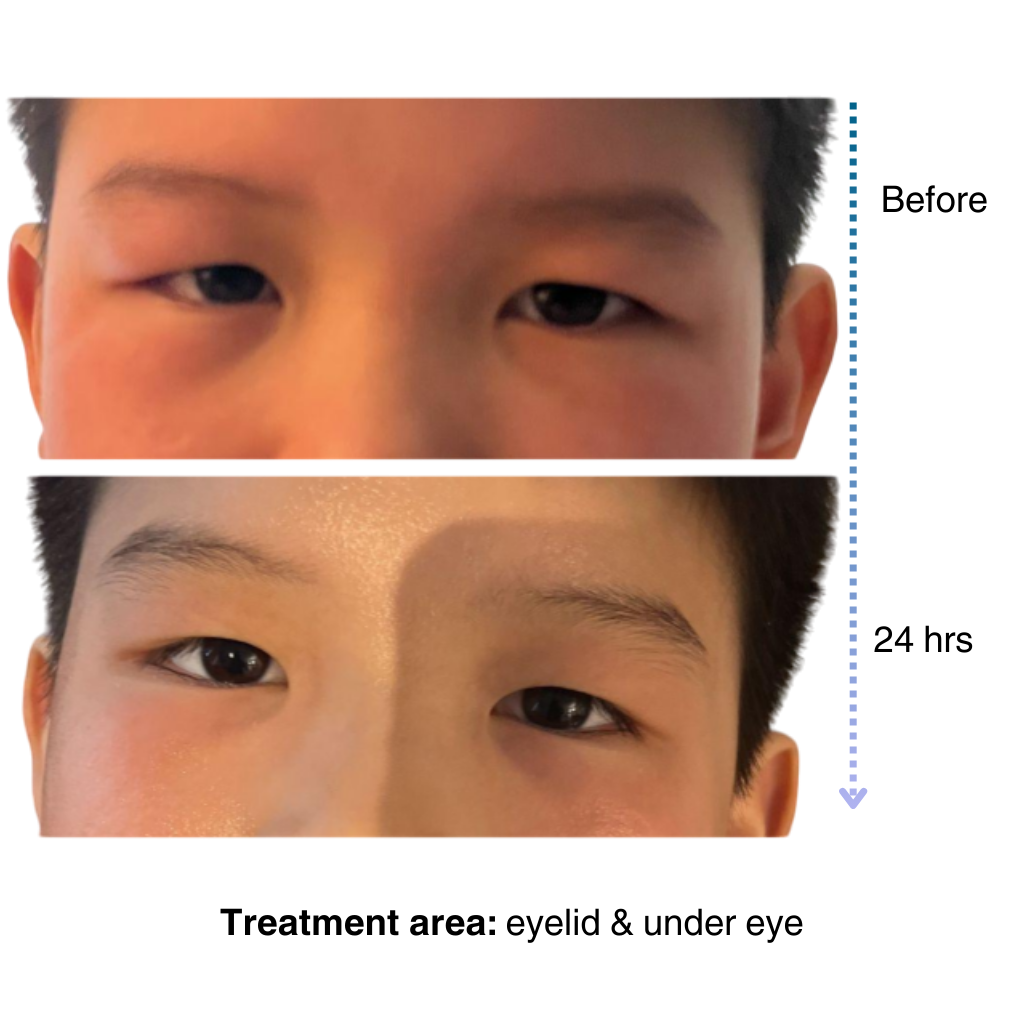
My 7-year old son has been dealing with eczema on his face for a long time, and it’s been so tough to find something that really works…..I’m amazed by the results! Within one day, the redness and rough patches on his face significantly improved…. he doesn’t mind using it at all because it doesn’t sting or feel greasy. – Lily

Like many of you, our eczema journey is personal. That’s why we’re committed to creating a space for the eczema community to share experiences, be empowered through evidence-based solutions, and learn practical tips for daily life.
– Sajjad, Founder & CEO of NellaDerm
