
How to Wash Bedding for Eczema: A Step-by-Step Guide
When managing eczema, we often focus on skincare routines, dietary triggers, and stress. But one major, and often overlooked, source of flare-ups hides in plain sight: your bedding.
Sheets, pillowcases, and comforters come in direct contact with your skin for 6 to 8 hours every night. If not washed properly, they can become breeding grounds for dust mites, bacteria, sweat, dead skin cells, and detergent residue, all of which can worsen eczema symptoms.
In this post, we’ll walk you through exactly how to wash bedding for eczema, backed by dermatological insights and practical advice. For general information about laundry, check out our blog.
Clean Bedding and Eczema: A Key to Better Skin Health
For those managing eczema, every detail in their environment counts, and bedding is no exception. Clean bedding can significantly reduce triggers like dust mites, allergens, and irritants that worsen eczema symptoms. But how often should you wash your sheets, and what’s the best way to do it without aggravating sensitive skin?
This article explores the science behind bedding hygiene, offers practical tips for eczema friendly laundering, and provides guidance on choosing fabrics that support sensitive skin. We will also dive into new insights on how bedding care fits into a broader eczema management strategy. By understanding the role of bedding in eczema care, you can create a sleep environment that promotes healing and comfort.
Why Clean Bedding Matters for Eczema
Your bed is where you spend roughly a third of your life, making it a critical factor in managing eczema. Unclean bedding can harbor irritants that disrupt your skin barrier, leading to flares. Regularly washing your bedding helps reduce:
- Dust mites and allergen buildup
- Sweat and oil residue which can break down into irritants
- Detergent fragrance or dye residues that irritate sensitive skin
- Microbial growth especially in warm or humid climates
A 2024 clinical trial published in Health Science Reports tested two sensitive skin detergents on adults with atopic dermatitis. Participants wore socks washed with these detergents, and researchers found no negative impact on the skin microbiome, confirming that both products were well tolerated and did not worsen eczema symptoms.
Recommended Wash Frequency for Bedding
How often you wash your bedding depends on the type and your eczema severity. Here is a guideline for maintaining a clean sleep environment:
- Sheets and Pillowcases: Every 3 to 4 days (twice weekly)
- Duvet Covers and Blankets: Every 1 to 2 weeks
- Comforters: Every 2 to 4 weeks
- Mattress and Pillow Protectors: Monthly
- Pillows: Replace or deep clean every 2 to 3 months
Frequent washing is especially crucial during flare ups or in humid climates where microbial growth is more likely.
Step by Step Guide to Washing Bedding
Choose an Eczema Friendly Detergent
Select a fragrance free dye free detergent labeled for sensitive skin. Avoid formulas with enzymes scents or optical brighteners which can irritate eczema prone skin.
Wash with Warm Water
Use a wash cycle set to approximately 40 degrees Celsius (104 degrees Fahrenheit). Warm water effectively removes oils and allergens without damaging most fabrics. Hotter water may harm materials while cold water may not clean thoroughly.
Add an Extra Rinse
An extra rinse cycle is essential to remove residual detergent which can trigger eczema flares. This step ensures that no irritants remain on your bedding.
Dry on Low Heat
Use low heat settings when drying to avoid depositing irritating chemicals from dryer sheets. Consider using dryer balls or air drying linens in a shaded area to maintain fabric softness and integrity.
Store Bedding Thoughtfully
Store clean dry bedding in a cool clean and dry closet. Avoid damp storage areas which can promote mold and bacterial growth potentially worsening eczema symptoms.
Choosing the Best Fabrics for Eczema Prone Skin
The material of your bedding plays a significant role in eczema management. Opt for fabrics that are soft breathable and gentle on sensitive skin:
- Cotton (100 percent)
- Bamboo viscose
- TENCEL (lyocell)
Avoid fabrics that can irritate or trap heat:
- Wool or wool blends (can be itchy)
- Polyester or fleece (trap heat cause sweat)
- Flannel (often rough or fuzzy)
For more details on choosing skin friendly materials read our article on fabrics.
What Science Says About Bedding and Eczema
Beyond the 2024 socks study laboratory research highlights the impact of detergent residues on eczema prone skin. A study published in Allergy used human skin cultures to show that even diluted detergents can disrupt proteins essential for skin barrier function and elevate inflammatory markers like IL 1 beta and IL 6. This supports the epithelial barrier hypothesis which links everyday chemical exposures to increased eczema and allergy rates.
These findings emphasize the importance of thorough rinsing and choosing gentle detergents to minimize skin irritation.
Additional Tips for Eczema Friendly Sleep
Beyond washing bedding consider these practices to enhance your sleep environment:
- Shower before bed to remove sweat pollen and other irritants
- Keep pets off the bed to reduce dander and microbes
- Use allergen proof covers for pillows and mattresses
- Wash new bedding before use to eliminate manufacturing residues
Environmental Factors and Bedding Care
Your bedroom environment plays a significant role in how bedding affects your eczema. Factors like humidity temperature and air quality can influence allergen and microbial growth on your linens. High humidity for instance promotes dust mite proliferation and mold growth both of which can trigger eczema flares.
To optimize your sleep environment maintain indoor humidity between 30 and 50 percent using a dehumidifier if necessary. Keep your bedroom temperature between 60 and 67 degrees Fahrenheit to minimize sweating which can exacerbate eczema. Regularly vacuum your mattress and bedroom floor to reduce dust and allergens and consider using an air purifier with a HEPA filter to trap airborne irritants.
These environmental controls combined with proper bedding hygiene create a holistic approach to reducing eczema triggers during sleep.
The Role of Mattress and Pillow Protectors
Mattress and pillow protectors are essential for eczema patients as they create a barrier against allergens dust mites and sweat. Look for protectors labeled as hypoallergenic and made from breathable materials like cotton or TENCEL. Avoid vinyl or plastic based protectors which can trap heat and moisture leading to discomfort.
Wash protectors monthly following the same eczema friendly washing guidelines. Ensure they fit snugly to prevent allergens from seeping through gaps. High quality protectors can extend the life of your mattress and pillows while keeping your sleep environment cleaner.
A 2023 study in Journal of Allergy and Clinical Immunology found that allergen proof bedding reduced dust mite exposure by up to 80 percent significantly improving eczema symptoms in sensitive individuals.
How Sleep Quality Affects Eczema
Sleep quality directly impacts eczema management. Poor sleep can increase stress hormones like cortisol which exacerbate inflammation and weaken the skin barrier. Itching often worsens at night due to circadian changes in skin temperature and reduced distractions leading to scratching that damages the skin.
Clean bedding contributes to better sleep by reducing irritants that cause discomfort. Additionally maintaining a consistent bedtime routine using breathable fabrics and keeping your bedroom cool and clean can promote restful sleep. A 2022 study in Dermatology and Therapy found that improved sleep quality correlated with a 30 percent reduction in eczema severity scores.
By prioritizing bedding hygiene and sleep environment optimization you can support both your skin and overall well being.
Questions and Answers: Bedding Care and Eczema
Does hot water kill dust mites?
Yes temperatures of 130 degrees Fahrenheit (54 degrees Celsius) or higher can eliminate dust mites. If your linens tolerate it occasional hot washes help but frequent warm cycles combined with allergen proof covers are effective and safer for most fabrics.
Are dryer sheets bad for eczema?
Yes dryer sheets often contain fragrances and quaternary ammonium compounds (quats) that deposit on fabrics and irritate sensitive skin. Opt for dryer balls or air drying instead.
Should I wash new sheets before using them?
Absolutely new linens often carry dyes finishing chemicals and dust from manufacturing. A prewash with an eczema friendly detergent helps remove these potential triggers.
Final Thoughts
Proper bedding care is more than a hygiene task it is a cornerstone of eczema management. By washing bedding regularly with gentle detergents using appropriate fabrics and optimizing your sleep environment you can reduce irritants and promote skin healing.
Pair your bedding strategy with a skincare routine designed for sensitive skin like NellaDerms eczema friendly line to maximize comfort and minimize flares.
A clean soothing sleep environment can transform your nights and your skin health one wash at a time.
More Helpful Eczema Articles You Should Read
- Midday Skin Resets for Eczema-Prone Skin
- Commuting With Eczema: Transit, Cars, and Pollution
- Habit Stacking for Eczema: Skincare That Sticks
- Eczema and Coffee: Does Caffeine Affect Skin?
- Humidity Eczema Relief: Nighttime Bedroom Fixes
- Keloids and Eczema: Managing Scars on Dark Skin
- Nail Eczema: How to Care for Nails Without Stings
- Eczema in Newborns: What Parents Should Know
- Eczema and Arthritis: Hand-Care for Skin & Joints
- Eczema in College: A Budget-Friendly Survival Guide
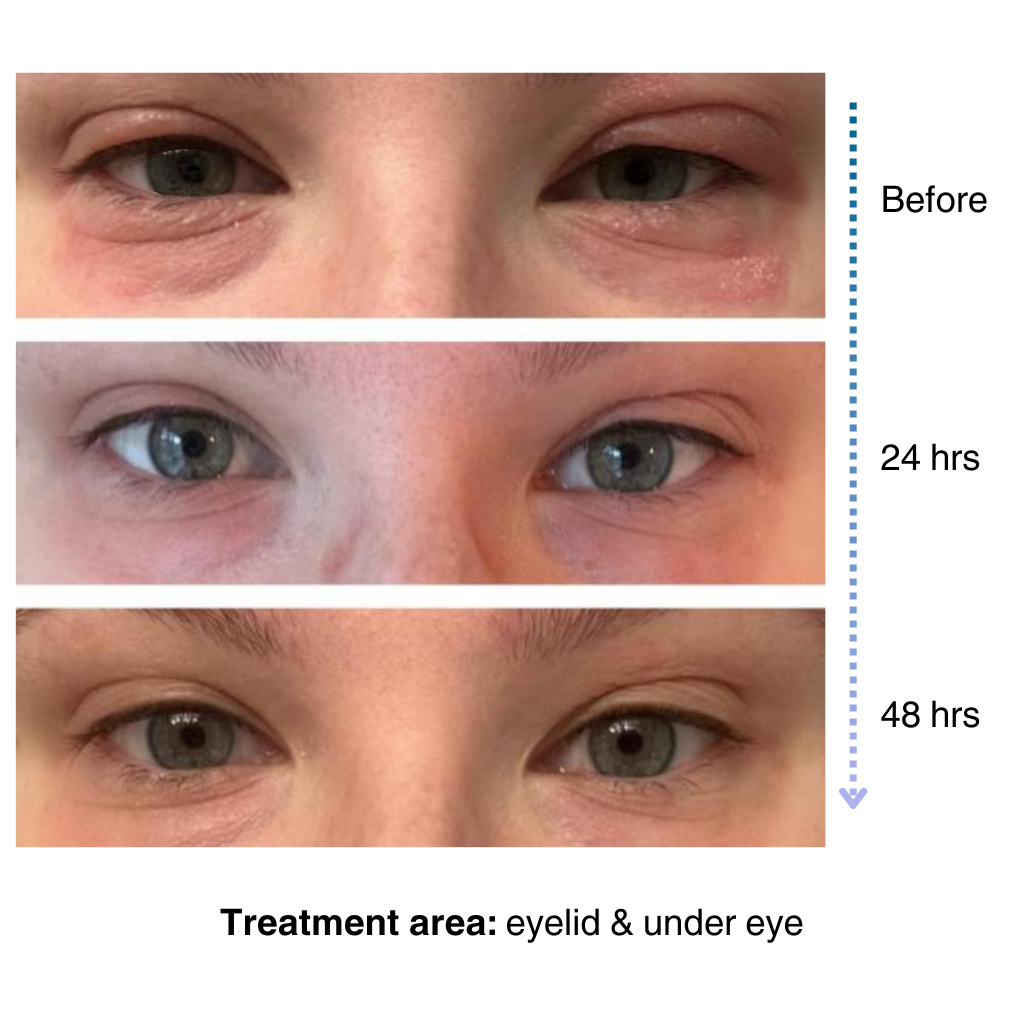
"...this is the best I've tried so far."
It’s easy to apply and isn’t chalky at all. I’ve been applying it multiple times a day… I’ve tried multiple new products to try and treat my eye eczema, and this is definitely the best I’ve tried so far.
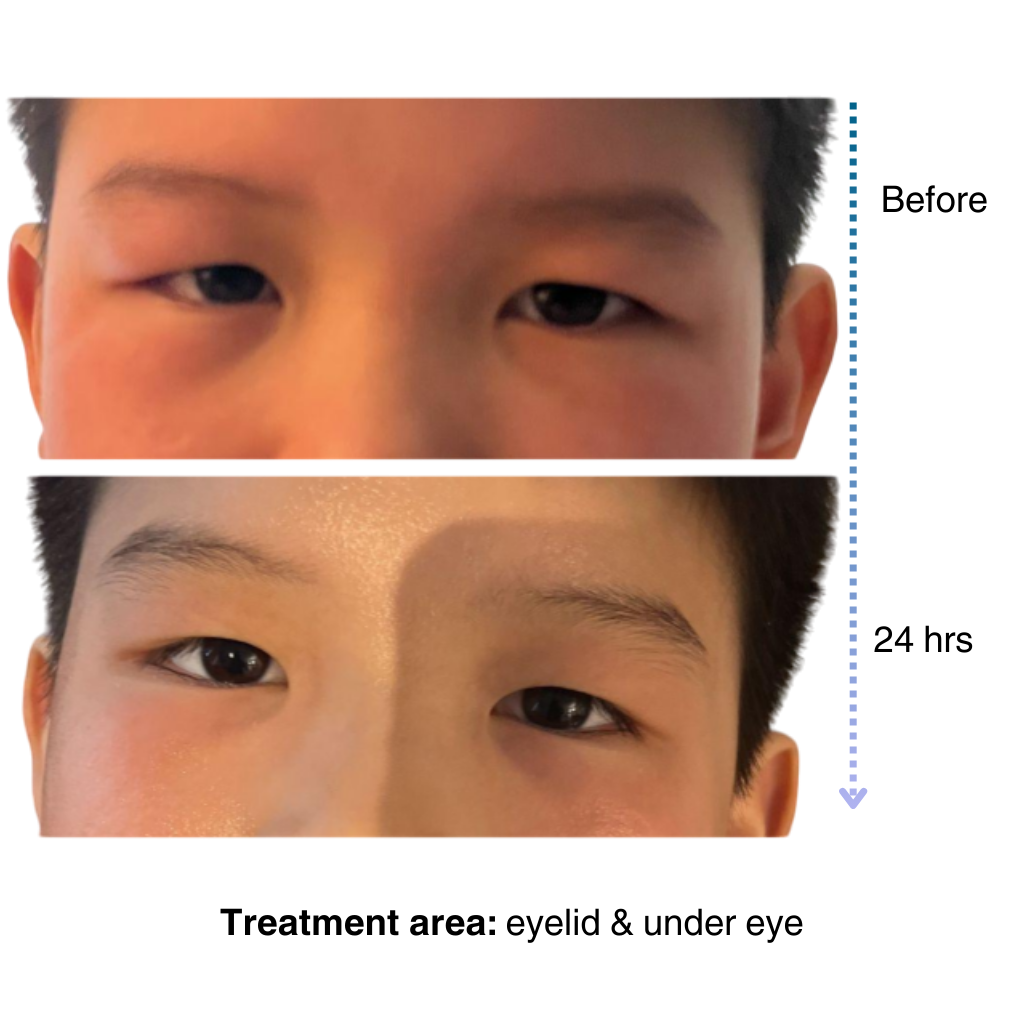
"Game-changer for my son's eczema"
My 7-year old son has been dealing with eczema on his face for a long time, and it’s been so tough to find something that really works…..I’m amazed by the results! Within one day, the redness and rough patches on his face significantly improved…. he doesn’t mind using it at all because it doesn’t sting or feel greasy. – Lily

Like many of you, our eczema journey is personal. That’s why we’re committed to creating a space for the eczema community to share experiences, be empowered through evidence-based solutions, and learn practical tips for daily life.
– Sajjad, Founder & CEO of NellaDerm
