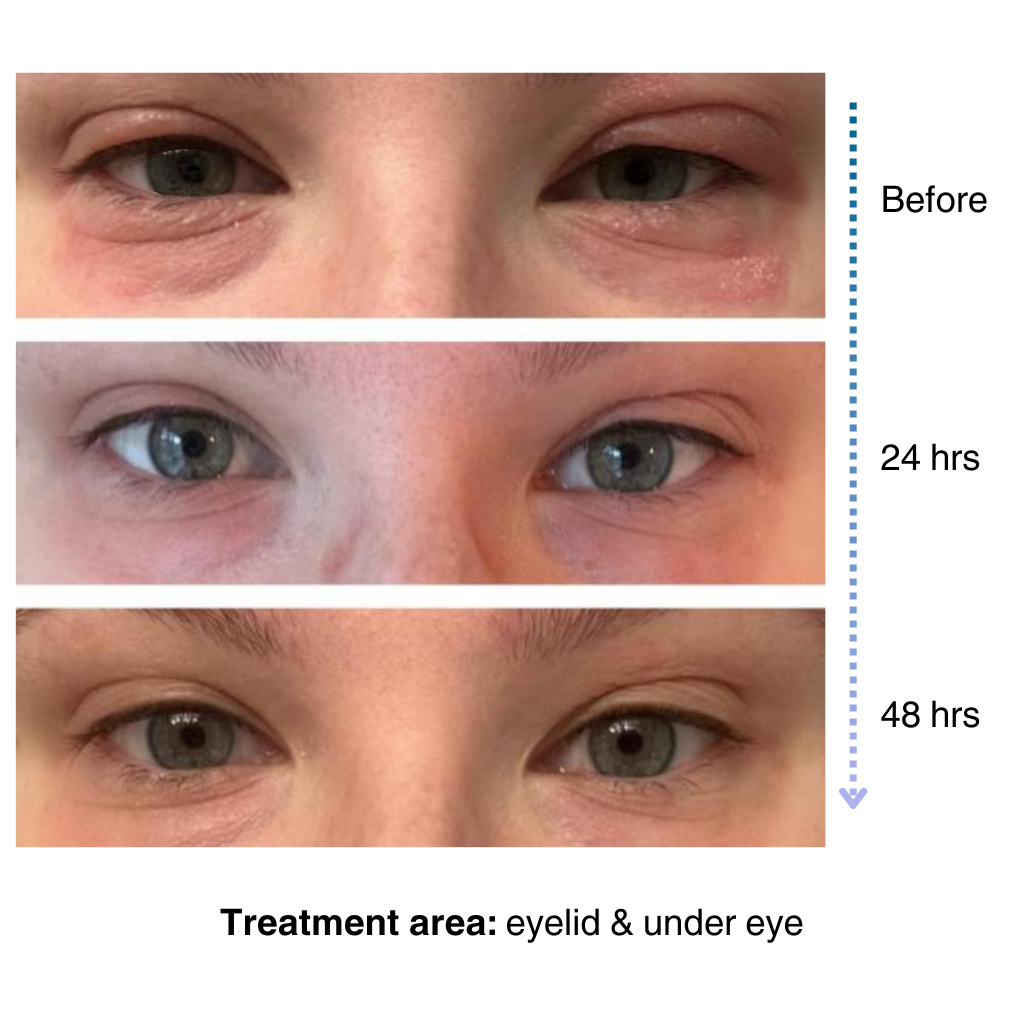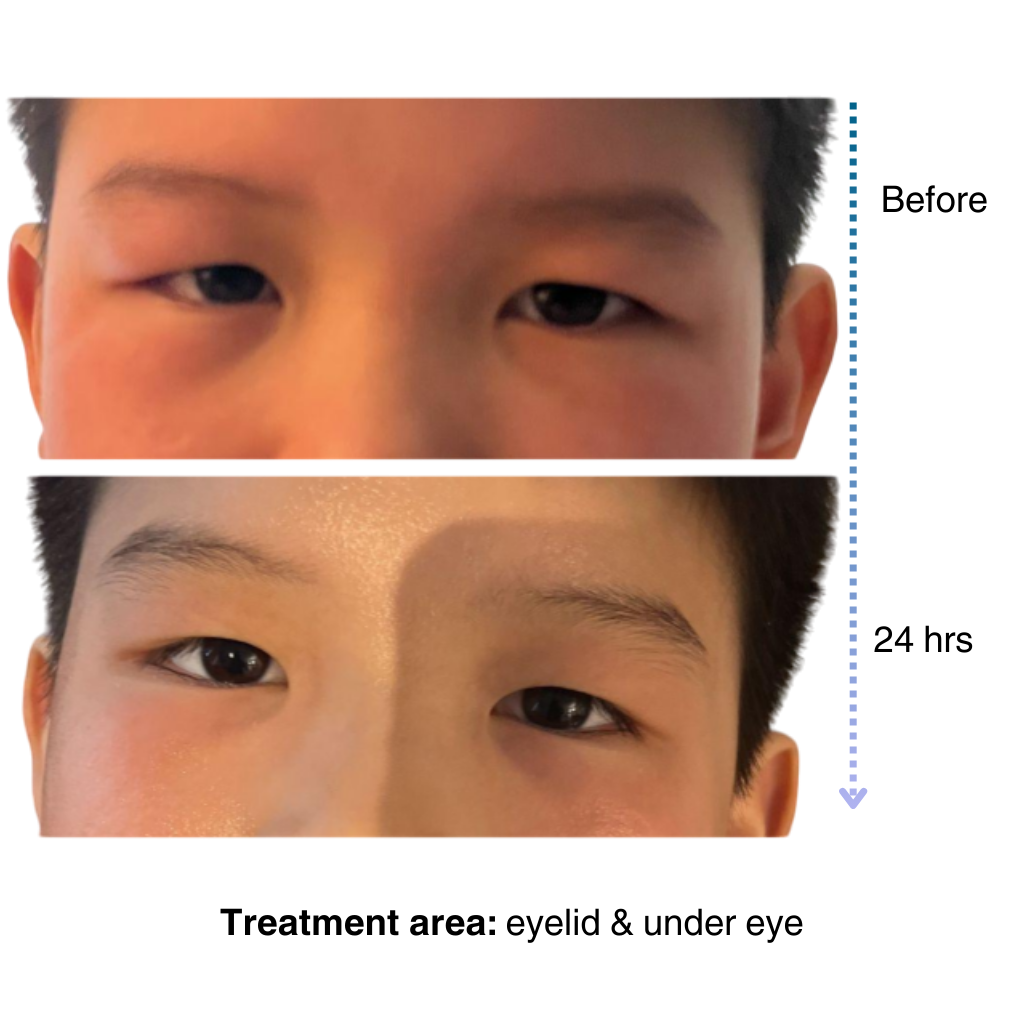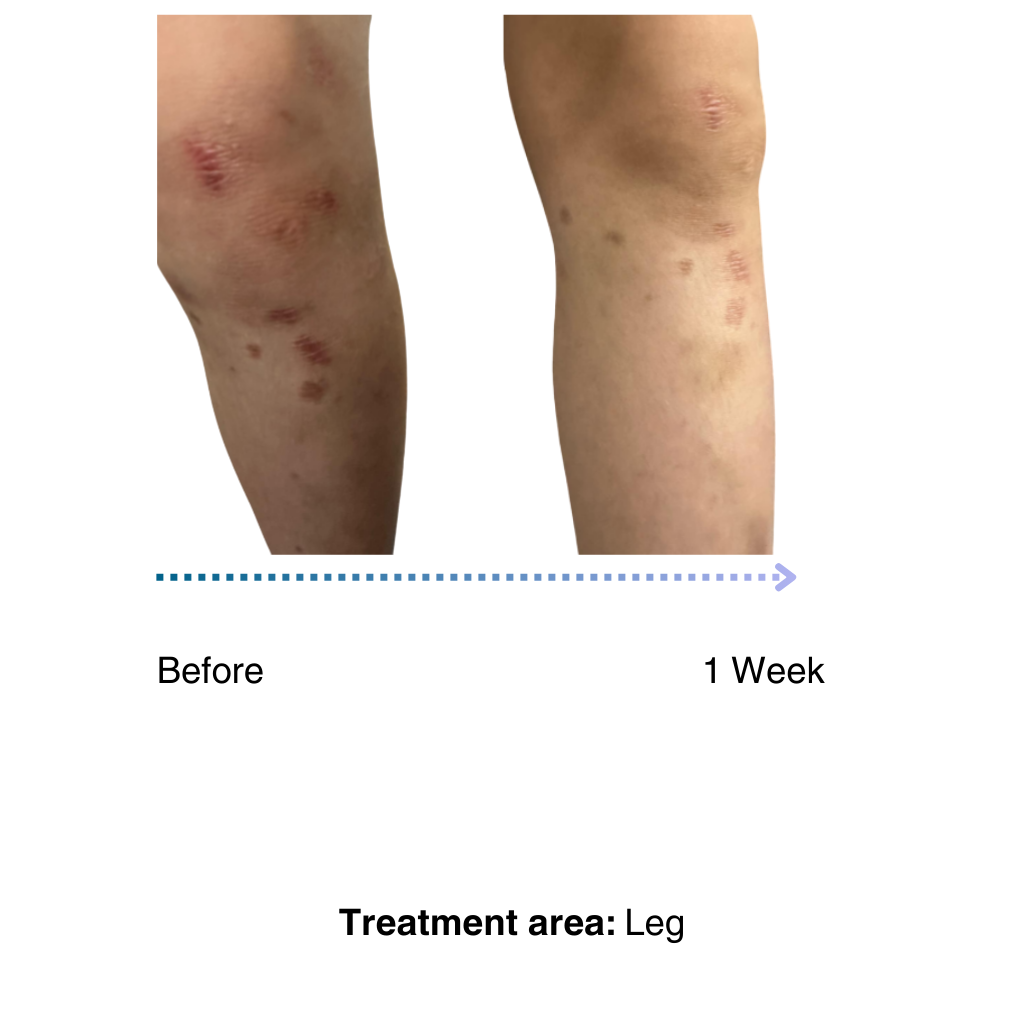
Eczema concerns?
FREE
Get instant expert guidance with our smart AI platform.
Join NowEczema, or atopic dermatitis, affects millions worldwide, causing dry, itchy, and inflamed skin patches that often worsen in low humidity environments like winter months or air conditioned spaces. For those managing this chronic condition, finding effective relief is a constant challenge. Could a simple device like a humidifier make a difference?
Humidifiers add moisture to indoor air, potentially easing eczema symptoms by preventing skin dehydration. However, their effectiveness depends on proper use and integration into a broader skincare routine. This article explores the science behind humidifiers for eczema, dermatologist recommendations, and practical tips for safe use. We dive into how humidifiers work, their benefits, potential risks, and how to choose the right one for eczema prone skin.
The skin’s outermost layer, the stratum corneum, serves as a barrier against environmental irritants and allergens. In eczema patients, this barrier is compromised, leading to increased water loss, inflammation, and susceptibility to infections. Dry environments exacerbate these issues, causing more frequent and severe flare ups.
A 2018 study in Dermatitis found that low humidity impairs skin barrier function and increases transepidermal water loss, particularly in eczema prone skin. By maintaining optimal indoor humidity, humidifiers help reduce these effects, supporting skin hydration and comfort.
Humidifiers are devices that increase moisture levels in the air, counteracting the drying effects of heating or air conditioning. They come in several types, each with unique mechanisms:
For eczema management, dermatologists recommend maintaining indoor humidity between 40 and 60 percent to prevent skin from drying out while avoiding excessive moisture that could promote mold growth.
Dermatologists widely support humidifiers as a complementary tool for eczema management. Dr. Hadley King, a board certified dermatologist, states, “Dry air can exacerbate eczema symptoms. A humidifier helps restore moisture, protecting the skin’s barrier and reducing irritation.”
The American Academy of Dermatology also endorses humidifier use, particularly during winter, to maintain skin hydration and reduce flare ups, especially in children who are more sensitive to environmental changes. However, experts emphasize that humidifiers are not a standalone solution and should be paired with fragrance free moisturizers and, if needed, prescription treatments.
When used correctly, humidifiers offer several advantages for eczema sufferers:
Products like NellaDerm’s NellaCare work synergistically with humidifiers to lock in moisture and soothe irritated skin.
Selecting an appropriate humidifier is critical for safety and effectiveness. Here are key factors to consider:
Moisture rich environments can foster bacteria and mold, posing risks for eczema prone skin. Opt for filterless models or those with dishwasher safe components for easy maintenance.
A hygrometer allows you to monitor and control humidity levels, preventing over humidification that could lead to mold or dust mite proliferation.
For bedroom or nursery use, choose a model with minimal noise to avoid disrupting sleep, which is crucial for eczema management.
Ensure the humidifier matches the room size. A unit too small will be ineffective, while one too large may cause condensation on walls, promoting mold growth.
To maximize benefits and minimize risks, follow these guidelines:
For optimal results, apply a fragrance free moisturizer like those from NellaDerm immediately after bathing to lock in hydration.
Many eczema patients report significant relief after incorporating humidifiers into their routines. For instance, Jamie L. from Toronto shared, “Before using a humidifier, I’d wake up scratching my legs until they bled. Within a week of humidifying my room, my skin felt more elastic, and I slept through the night.”
Such testimonials highlight the practical benefits of humidifiers, particularly when used consistently and alongside dermatologist recommended skincare products.
While humidifiers can alleviate eczema symptoms, they are not a cure. They work best as part of a comprehensive treatment plan, including medical therapies for severe cases. Overuse can lead to excessive moisture, fostering dust mites and mold, which are common eczema triggers.
If eczema symptoms persist, become infected, or spread, consult a dermatologist for tailored treatment options. Monitoring humidity levels and maintaining device cleanliness are critical to avoiding unintended complications.
Humidity plays a critical role in skin health by influencing the skin’s ability to retain moisture. Low humidity environments strip water from the skin, weakening the lipid barrier and increasing susceptibility to irritants and allergens. For eczema patients, this can lead to heightened inflammation and discomfort.
Research indicates that maintaining indoor humidity between 40 and 60 percent supports the skin’s natural moisturizing factor, a combination of amino acids, lipids, and other compounds that regulate hydration. A 2020 study in Journal of the American Academy of Dermatology showed that consistent humidity levels reduced eczema severity in patients using topical treatments.
By stabilizing humidity, humidifiers create an environment that supports skin barrier repair, making them a valuable tool for long term eczema management.
To maximize the benefits of humidifiers, integrate them with a robust skincare routine. Key strategies include:
Products like NellaDerm’s eczema skincare line are formulated to support barrier repair without fragrances or irritants, making them ideal companions for humidifier use.
Children with eczema are particularly sensitive to environmental triggers, making humidifiers a valuable tool in pediatric care. Their thinner skin and developing immune systems increase susceptibility to dryness and irritation. Pediatric dermatologists often recommend humidifiers in nurseries or children’s bedrooms to maintain optimal humidity levels.
A 2019 study in Pediatrics found that humidifier use reduced eczema symptoms in infants when combined with emollient therapy. However, extra caution is needed to keep units clean, as children are more vulnerable to infections from microbial buildup.
Parents should choose quiet, filterless models and monitor humidity closely to ensure a safe environment for young eczema patients.
Yes, especially in dry climates or seasons. Monitor humidity levels to avoid overuse, which can promote mold or dust mites.
Yes, it can help by maintaining moisture in areas where you spend significant time, especially overnight.
Yes, but pediatric dermatologists recommend rigorous cleaning to prevent microbial contamination, as children are more susceptible to infections.
Beyond humidity, other environmental factors influence eczema severity. Temperature extremes, exposure to pollutants, and allergens like pet dander or pollen can trigger flare ups. Humidifiers address one aspect of this complex interplay, but a holistic approach is necessary for effective management.
For example, keeping indoor temperatures between 68 and 72 degrees Fahrenheit can minimize skin irritation. Air purifiers with HEPA filters can reduce airborne allergens, complementing the benefits of humidifiers. Regularly washing bedding in hot water also helps control dust mites, which thrive in humid environments if not properly managed.
By addressing these factors alongside humidifier use, eczema patients can create a skin friendly home environment that supports long term symptom relief.
Managing eczema requires a proactive, multifaceted approach. Humidifiers are one piece of the puzzle, but long term success depends on consistent skincare habits and lifestyle adjustments. Key strategies include identifying and avoiding personal triggers, such as certain foods, fabrics, or stress, which can vary widely among individuals.
Regular consultations with a dermatologist can help tailor treatments, including topical corticosteroids, calcineurin inhibitors, or newer biologics for severe cases. Patients should also prioritize stress management, as psychological stress can exacerbate eczema symptoms. Techniques like mindfulness or yoga can complement environmental and topical therapies.
By combining humidifiers with these strategies, patients can achieve better control over their condition and improve their quality of life.
Humidifiers can be a valuable tool for eczema management, helping to maintain skin hydration, reduce itching, and enhance the effectiveness of topical treatments. However, they are most effective when used as part of a comprehensive skincare strategy that includes fragrance free products and regular dermatologist consultations.
Explore eczema safe skincare options at NellaDerm.com to complement your humidifier use. Always monitor your skin’s response and consult a dermatologist for persistent or severe symptoms.
With the right approach, humidifiers can help make your environment a haven for healthier, more comfortable skin.